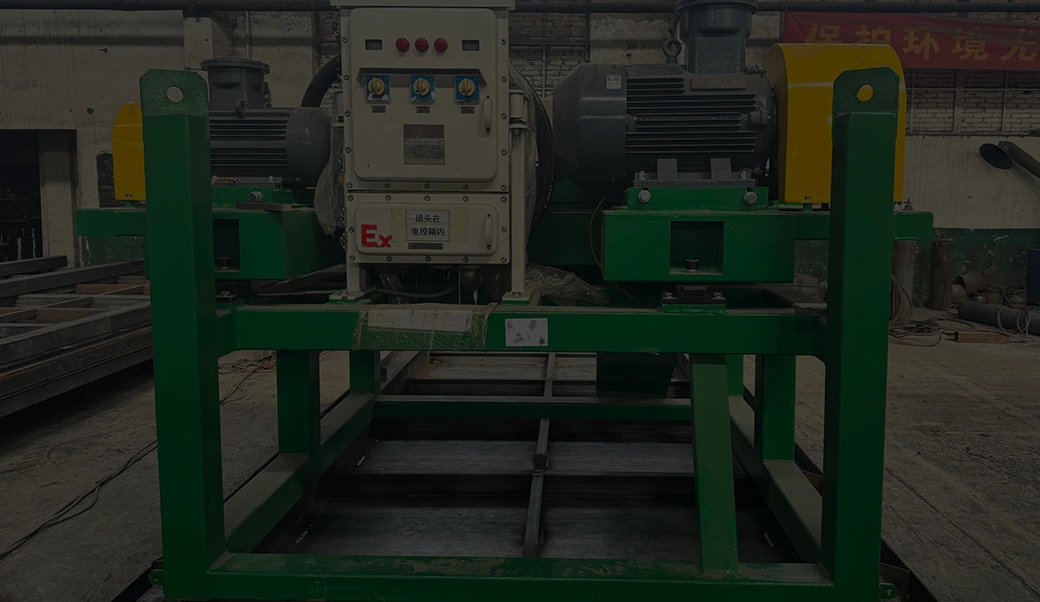
A pharmaceutical dispensing tank is a precision-engineered vessel built for the hygienic storage, proportioning, and controlled transfer of chemical ingredients in process-intensive environments. Whether you are managing oilfield chemical dosing on a remote drilling platform or handling sensitive additives in an industrial formulation line, the right dispensing tank keeps your workflow consistent, contamination-free, and compliant. At ZHONGCHENGJIXIE, we manufacture the ZC Pharmaceutical Dispensing Tank — a sealed, corrosion-resistant dosing solution purpose-built for demanding field conditions, with full ISO and HSE certification backing every unit.
Understanding Pharmaceutical Dispensing Tanks — Definition, Function, and Design
These tanks aren't like other storage units. From the very beginning, their engineering thinks about how to keep things clean, keep chemicals pure, and make sure the process is exact.
What Makes a Dispensing Tank "Pharmaceutical-Grade"?
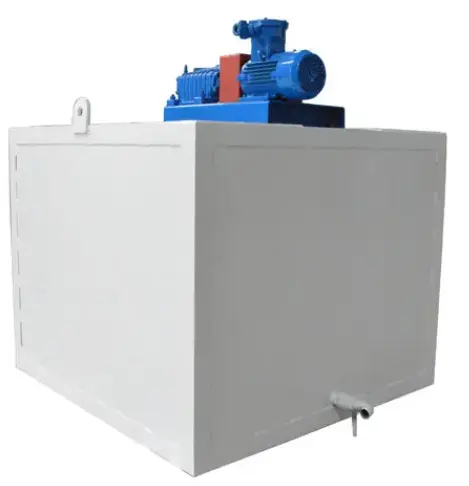
A pharmaceutical-grade dispensing tank must keep its internal environment sealed, avoid chemical reactions with stored additives, and allow for precise volume control while transfer. ASME BPE standards say that the finish on the inside of a container should be Ra ≤ 0.4μm so that bacteria or waste doesn't stick to it. The ZC unit has a fully sealed, moisture-proof structure that keeps out airborne contaminants and humidity in the air. This is an important feature for storing hygroscopic drilling additives outside.
Core Design Principles
Three things are most important to the design logic: control, access, and compatibility. To contain something, you need a body that is sealed and doesn't have any dead-leg pipes where chemicals can build up. Access means a volume plan that makes it easy to get to ingredients quickly without messing up the system around them. When a tank is compatible, it works with solid control systems that are already in place, without the need for extra upgrades or changes.
Materials Engineering Behind the Tank
The ZC Pharmaceutical Dispensing Tank comes with a number of materials that are resistant to corrosion. All the parts that get wet are made of non-toxic, chemically inert materials that were chosen to not combine with the stored ingredients, whether they are acid-based scale inhibitors, polymer flocculants, or alkaline mud conditioners. This method directly lowers the risk of batch contamination that comes from materials wearing down over time.
Comparing Types and Materials of Pharmaceutical Dispensing Tanks
Picking a tank type isn't just a matter of personal taste; it also affects compliance, the amount of maintenance needed, and the total cost of running the business.
Manual vs. Automated Dispensing Tanks
When the dose rate is directly controlled by a user, manual Pharmaceutical Dispensing Tank systems work well for low-throughput tasks. Automated dispensing tanks can connect to PLC or SCADA systems, which lets you log data electronically and control them from afar. When chemicals need to be dosed the same way in many wells across a big oilfield business, automated systems keep proportioning accurate and cut down on human mistake. The ZC unit can be set up in either way, based on the needs of the project.
Material Selection: Stainless Steel vs. Corrosion-Resistant Composites
Chemical storage tanks that need to handle aggressive substances are still made of AISI 316L stainless steel. It doesn't rust between the grains because it doesn't have much carbon in it, and its passive oxide layer keeps the chemical balance. Corrosion-resistant polymer blends are good for light-duty uses or projects that need to stay within a budget. Both options are available from ZHONGCHENGJIXIE, so procurement teams can choose materials that fit the project's budget and chemical profile.
Sizing and Capacity Planning
Dosing effectiveness and store turnover are directly related to the size of the dispensing tank. When a tank is too big, chemicals stay in it for a long time, which raises the risk of degradation. If the tank is too small, it needs to be refilled too often, which stops activities. For the ZC design, the best volume calculation is based on the daily chemical consumption rates for the drilling rig class (ZJ30 or ZJ90). This makes sure that there is the right balance between ease of use and chemical freshness.
Advantages, Safety, and Maintenance of Pharmaceutical Dispensing Tanks
If you pick the right pouring tank, it can do more than just hold chemicals. It keeps your workers safe, keeps the quality of the ingredients, and keeps your business running without having to stop for no reason.
Here are the main things that make the ZC Pharmaceutical Dispensing Tank work well:
- Fully sealed and moisture-proof construction — The sealed body prevents ambient humidity from entering the tank, which is essential for drilling additives that degrade upon moisture exposure. This design directly extends the shelf life of stored chemicals and reduces waste.
- Corrosion-resistant, non-toxic materials — All contact surfaces resist chemical attack from oilfield additives, including high-pH mud conditioners and polymer solutions. Non-toxic material selection also protects environmental compliance when tanks are deployed near water sources.
- Precise proportioning capability — The dosing mechanism maintains accurate chemical ratios during transfer, reducing the risk of overdosing that wastes expensive additives or underdosing that compromises mud quality.
- Site system compatibility — The ZC unit integrates directly with on-site solid control systems, including shale shakers, desanders, and centrifuge lines, without requiring custom pipework.
These features directly address the most common problems that happen in the field, such as chemicals going bad because of water, equipment rusting from using materials that don't mix, and inconsistent dose that makes the qualities of drilling fluid less stable.
It's easy to do routine upkeep. The protected structure cuts down on the number of times the inside needs to be cleaned. Field workers can service all fittings and entry points without special tools because they are all set up in a standard way. This keeps downtime to a minimum during cleaning or inspection periods.
The ZC Pharmaceutical Dispensing Tank has been approved by HSE, TÜV, and BV, as well as ISO 9001, ISO 14001, and ISO 45001. These credentials meet the requirements of most international oil companies and EPC contractors for qualifications.
How to Choose the Right Pharmaceutical Dispensing Tank: A Decision Support Guide?
It takes more than the price difference to choose the wrong Pharmaceutical Dispensing Tank. It costs you money in chemical waste, safety risk, and upkeep that wasn't planned.
Match Tank Specifications to Your Chemical Profile
Start by making a list of all the chemicals you have. Acids, alkalis, and polymer solutions all have different requirements for the materials used and the way they are sealed. Giving the seller your chemical data sheet before you accept an order is a good idea. During the tailoring stage, ZHONGCHENGJIXIE's technical team checks the chemical compatibility to make sure the right lining and fitting materials are used.
Evaluate Automation Requirements Against Site Conditions
Automated dosing systems that require less operator input are useful on offshore platforms and in remote desert locations. Onshore sites with specialist chemical workers may choose a simpler manual design that costs less up front. Both methods can be used with the ZC tank, which lets you fully customize its size, shape, and control panel.
Assess Supplier Certification and After-Sales Depth
The certifications of a tank supplier tell you how consistently they make tanks. Support after the sale tells you what to do if something goes wrong in the field. The ZHONGCHENGJIXIE company offers a one-year warranty, full spare parts supply, operation manuals, and help with installation on-site. In-stock items are sent out within three days, and special orders are finished in fifteen days.
Procurement and Supplier Insights for Pharmaceutical Dispensing Tanks
Knowing the market for suppliers will help you stick to your project plan and budget.
Identifying Verified Manufacturers vs. Traders
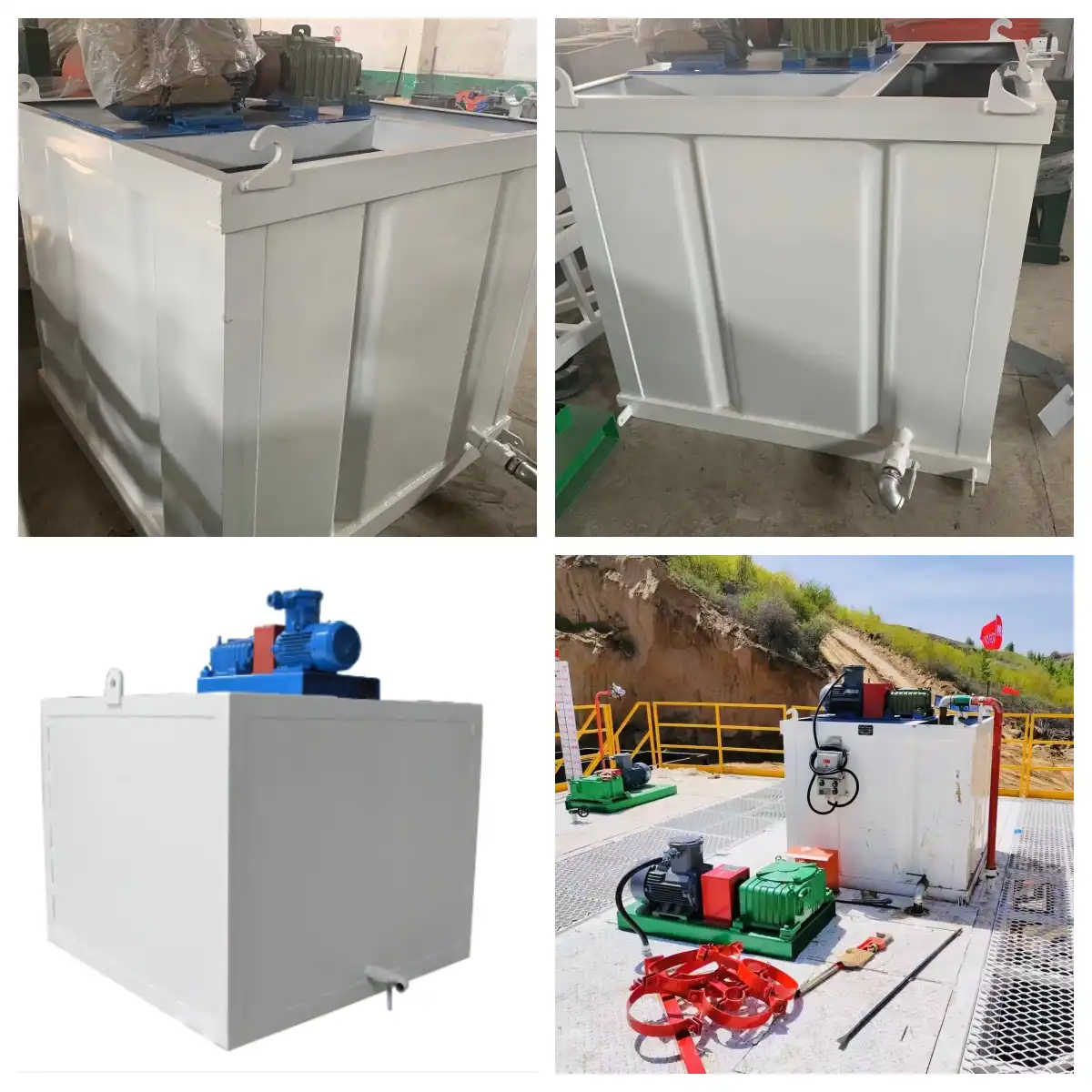
Direct producers are in charge of production and can change specs without going through middlemen. With a production facility that is 6,300 square meters and located in Shaanxi Province, ZHONGCHENGJIXIE is a direct manufacturer that can make 200 full mud circulation systems every year and holds more than a dozen patents on its own products. When you buy from a direct manufacturer, you skip the markups that come from middlemen and get answers to your technical questions faster.
Lead Times, Logistics, and Global Delivery
Standard ZC pouring tanks are in stock and can be sent out within three days. Production time for customized setups is about 15 days. The company is close to both Tianjin and Shanghai ports, which makes shipping goods internationally easy. The packing is made to meet standard export requirements.
Cost Structure and Long-Term Value
The total cost of ownership is more than just the buying price. Over the course of five years, a tank that needs to have its seals replaced often, corrodes within two seasons, or needs special tools to be cleaned regularly will cost more than a more expensive unit that is built to last. The low-maintenance protected design of the ZC tank and the choice of corrosion-resistant materials make running costs consistent over the life of the equipment.
Conclusion
A dispensing tank designed to store ingredients in a clean way and move chemicals precisely is not something that can be bought off the shelf. The right unit will keep your chemicals safe, help you meet your legal obligations, and keep your drilling operation going without stopping for chemical reasons. With its sealed containment, corrosion-resistant construction, and full certification compliance, ZHONGCHENGJIXIE's ZC Pharmaceutical Dispensing Tank comes in a package that can be tailored to both onshore and offshore drilling environments. The requirements and support system are already in place for a reliable chemical dosing option if your project needs one.
FAQ
Why is a sealed structure important in a drilling chemical storage tank?
A sealed body keeps out water, which breaks down hygroscopic drilling lubricants. In offshore locations with a lot of humidity, a vessel that isn't sealed can compromise a whole batch of chemicals within hours. The moisture-proof sealed structure of the ZC unit directly stops this from happening.
What anti-corrosion materials are available for the ZC tank?
There are different types of materials that can be used based on the chemical being kept.
Can the ZC Pharmaceutical Dispensing Tank be customized for specific rig sizes?
Yes, ZHONGCHENGJIXIE can fully customize the size, structure, fittings, and capacity to fit custom rig configurations for ZJ30 to ZJ90 class drilling equipment.
What certifications does the ZC dispensing tank carry?
The ZC tank is certified by ISO 9001, ISO 14001, and ISO 45001, and it is also approved by HSE, TÜV, and BV for use in foreign projects.
How quickly can I receive a standard unit?
In-stock items are sent out within three days. Customized requirements are usually finished 15 days after the order is confirmed.
Request a Quote from ZHONGCHENGJIXIE — Your Trusted Pharmaceutical Dispensing Tank Supplier
ZHONGCHENGJIXIE makes chemical dosing and dispensing solutions that have been used in the field. They have ISO certification, more than 30 years of experience making drilling equipment, and a direct production structure that keeps lead times short. Our expert team is ready to help you with your purchase from the time you specify the needs until the product is delivered, whether you need a basic unit or a Pharmaceutical Dispensing Tank that is fully customized to fit a certain rig setup. To get a price on your job right away, email us at oliver@zcgukong.com or go to zcsolidscontrol.com.
References
1. American Society of Mechanical Engineers. ASME BPE: Bioprocessing Equipment Standard. ASME, 2022.
2. U.S. Food and Drug Administration. Guidance for Industry: Current Good Manufacturing Practice (cGMP) Regulations. FDA, 2023.
3. International Organization for Standardization. ISO 9001:2015 — Quality Management Systems Requirements. ISO, 2015.
4. European Hygienic Engineering and Design Group. EHEDG Guidelines on Hygienic Design of Equipment for the Food and Pharmaceutical Industries. EHEDG, 2021.
5. Society of Petroleum Engineers. Drilling Fluid Management and Solid Control: Field Applications. SPE, 2020.
6. International Organization for Standardization. ISO 45001:2018 — Occupational Health and Safety Management Systems. ISO, 2018.