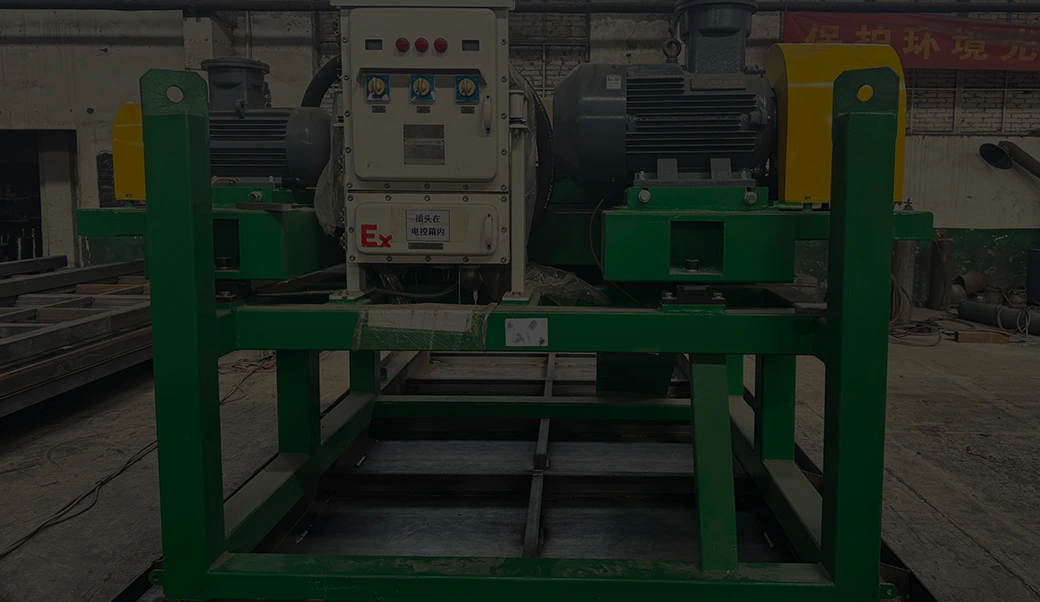
When drilling contractors face challenges maintaining drilling fluid quality while managing fine solids contamination, selecting the right third-stage separation equipment becomes critical. A desilter functions as the precise fine-particle removal unit within Solids Control Systems, targeting particles between 15 and 44 microns that escape earlier separation stages. This equipment utilizes hydrocyclone technology to generate centrifugal forces, spinning drilling mud through specialized polyurethane cones that separate ultrafine solids based on density differences. While shale shakers remove coarse cuttings and desanders handle medium-sized particles, desilters address the challenging fine-particle contamination that directly impacts mud viscosity, pump longevity, and overall drilling efficiency. Understanding the distinct types and performance advantages helps procurement managers and drilling engineers select equipment that reduces fluid costs, minimizes downtime, and ensures compliance with environmental regulations across oil and gas, geothermal, and HDD applications.
What Is a Desilter and How Does It Work?
After shale shakers and desander units, Desilters are the third and most important step in multi-phase drilling mud cleaning systems. These tools solve a problem that keeps coming up in drilling: ultrafine solids build up and change the qualities of the drilling fluid, which speeds up the wear on equipment like mud pumps and drill bits further down the line.
The Fundamental Working Principle
Centrifugal separation inside hydrocyclone units is what makes the system work. At controlled pressures, usually between 0.25 and 0.40 MPa, drilling fluid flows into the cyclone from the side. Heavy solid particles are pushed outward against the walls of the cyclone by this entry, which makes a vortex. Meanwhile, lighter, cleaner fluid spirals upward thru the vortex finder. The underflow sends the solids that have been concentrated to an integrated shale shaker to be dried out completely. The cleaned fluid then goes back to the active mud system. The ZC line of equipment uses high-quality polyurethane cyclones that are made to be resistant to wear and tear. This means that the equipment can keep separating things even in tough oilfield conditions with corrosive additives and rough formation cuttings.
Why Particle Size Matters
The range of separation particles from 15 to 44 microns includes things that are too small for older separation equipment to handle but are still bad for drilling. These very small pieces make the mud heavier, thicker, and less permeable than it should be. Getting rid of them keeps the chemical balance of the drilling fluids stable, which lets expensive additives like polymers and weighting agents work right. This precise sorting keeps centrifuges and other fourth-stage equipment from wearing out too quickly and lowers the amount of drilling waste that needs to be thrown away.
Integration Within Solids Control Systems
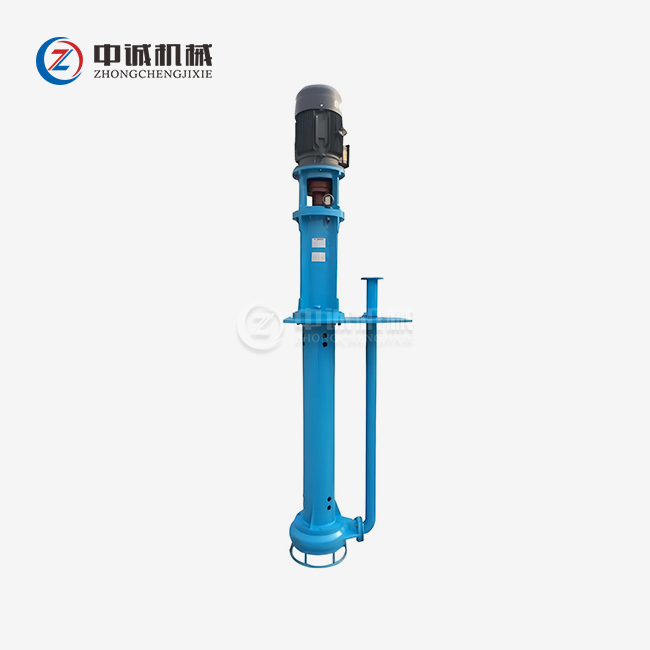
System interaction is important for the Desilter to work well. Usually, specialized centrifugal pumps send fluid to the equipment, and the flow rates are set to match the cyclone's capacity requirements, which are 60 to 240 m³/h. Pressure gages allow real-time tracking to make sure that the separation process works as well as it can, and movable manifolds can handle the different traits of mud that are found in different layers. The flexible design lets repair be done quickly without affecting the whole solids control system. This is very important for continuous drilling operations, where downtime directly costs money.

Types of Desilters and Their Key Specifications
Drilling operations are very different in terms of size, location, and technical needs, which means that different types of equipment are needed. Knowing the differences between types of equipment makes it easier to match their abilities to the needs of a given project.
Standard High-Capacity Units
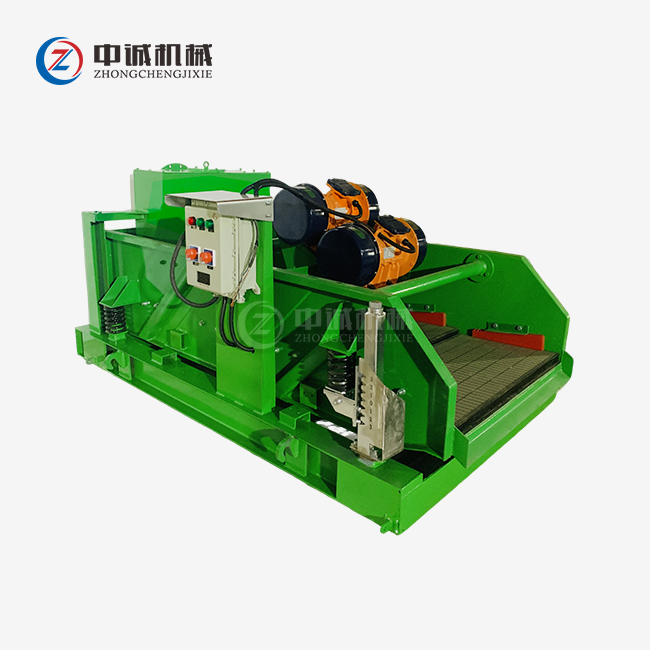
For large-scale drilling operations with high mud circulation rates, these configurations put processing volume first. The standard units usually have 10 to 16 hydrocyclones set up in two or three rows, with a total capacity of 240 m³/h. The strong structure can handle the weight and vibration of high-volume mud flow, so they can be used for ultra-deep and deep well drilling where mud flows over 150 m³/h. The trade-off is bigger footprints and more power use, which are not as important on well-established drilling pads with enough space and power infrastructure.
Compact Mobile Configurations
Compact designs are good for situations where moving the tools around quickly and not having a lot of room are important. These units have smaller frames with built-in lifting points for cranes that hold fewer cyclones—usually 6 to 10—than other units. 60 to 120 m³/h of processing power is good for workover rigs, research drilling, and horizontal directional drilling. The smaller size and lighter weight make it easier to move to remote areas and place on offshore sites with limited room. Smaller generator sets can be used because they need less power. This lowers the cost of mobilization without lowering the accuracy of separations in the 15–44-micron range.
Mud Cleaner Integrated Systems
Desilter hydrocyclones, desander cyclones, and a shared underflow shaker are integrated equipment that can be helpful in some situations. In this mud cleaner design, the second and third stages are combined into a single unit. This cuts down on the number of pieces of equipment, the number of pipes that need to be connected, and the difficulty of installation. The combined method works well for medium-sized drilling projects that want to find a balance between fully removing solids and leaving a reasonable equipment impact. The shared shaker makes planning upkeep easier, and the total processing capacity can be anywhere from 100 to 200 m³/h, based on how the cyclones are set up.
Customizable Component Specifications
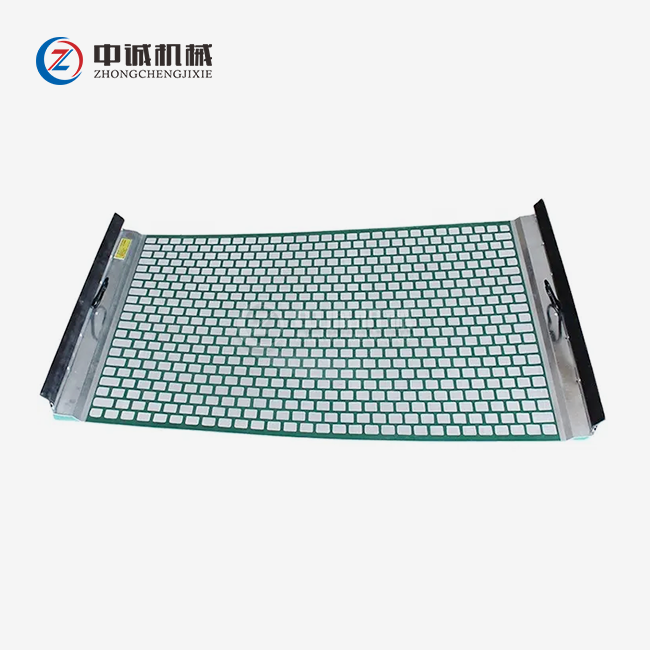
In addition to basic configuration types, equipment details can be changed to meet specific operating needs by adding or removing parts. You can change the separation cut points and processing capacity by choosing a cyclone diameter between 4 and 5 inches. Different voltage standards and hazardous area classifications can be met by motors from both domestic and international brands. Different types of manifolds are made to work with different types of mud. Some have pressure release valves for weighted mud uses where barite recovery is an issue. Shaker screen mesh sizes between API 120 and API 200 are best for separating solids and liquids based on how the particles are spread out in the underflow discharge.
Proper specification selection requires collaboration between drilling engineers and equipment makers to make sure that the technical parameters match the design of the mud system, the amount of solids that will be present, and the operational limits that are unique to each drilling program in order to choose the right specifications.

Advantages of Different Desilter Types in Drilling Applications
When you choose the right solids control equipment, it does more than just remove particles; it also affects working efficiency, environmental compliance, and the economics of the project throughout all of the drilling stages.
Superior Fine Particle Separation Efficiency
Desilter hydrocyclones separate things more precisely than shakers and desanders, which are used earlier in the process. The cut point between 15 and 44 microns is for colloidal particles that make mud heavier and cause rheological problems. Field data from several drilling operations shows that third-stage separation works well and keeps drilling fluid within the required ranges for 30 to 40 percent longer than systems that don't have Desilter equipment. The longer the mud lasts, the fewer times it needs to be diluted, the fewer additives it needs, and the less waste fluid it needs to be treated or thrown away. The high-quality polyurethane construction doesn't get worn down by quartz, feldspar, and other hard formation minerals, so the separation works well for 1,000 to 2,000 hours before the parts need to be replaced.
Operational Reliability Under Harsh Conditions
Extreme mechanical and chemical pressures are put on equipment in drilling settings, such as constant shaking, exposure to corrosive hydrogen sulfide, changes in temperature, and high solids loading. Even with these problems, the high-quality anti-corrosion materials used to build reliable equipment make it work well. With clamp connection systems, cyclones can be replaced quickly and without special tools. This cuts down on maintenance breaks that would normally stop drilling operations. The small, well-organized design cuts down on failure points and makes sure stable, low-noise operation that can work with offshore platforms where noise limits apply. This dependability is very important during long drilling programs, when broken equipment can cost between $50,000 and $500,000 per day, depending on the type of rig and the terms of the contract.
Economic Advantages Through Fluid Recovery
A big part of how much drilling costs is how the drilling fluid is managed. This is especially true for water- and oil-based mud systems, where the base fluid and chemical additives are big, ongoing costs. When the Desilter works properly, it can get back 90 to 95 percent of the liquid phase that has been separated from the solids. This adds valuable base fluid and dissolved chemicals back into the system. This recovery lowers the amount of refill fluid needed per meter dug, which has been shown to save between 15% and 25% on the cost of drilling fluid over the course of building a well. When used for oil-based or synthetic-based mud, where base fluid costs can reach $500 to $1,500 per cubic meter, the effect on the economy is bigger. If you can keep the properties of the mud within the acceptable ranges, you can avoid lost work time for mud cleaning, pipe blockages caused by bad mud quality, and wellbore instability issues due to poor filtrate control.
Environmental Compliance Benefits
The rules that control drilling activities are making it more and more important to reduce the amount of trash and properly dispose of it. When solids separation works well, it cuts down on the amount of drilling waste and fluids that need to be taken to a landfill or treated with expensive methods like thermal desorption. The Desilter operation recovers more liquid, which lowers the moisture content of the solids that are discharged. This cuts the total weight of the waste by 20 to 35 percent compared to systems that don't have an effective third-stage separation. This cut lowers the costs of shipping, disposal, and environmental responsibility. Operators who want to get ISO 14001 certification and follow HSE rules find that high-performance solids control equipment helps them meet their goals while also lowering their costs.
How to Choose the Right Desilter for Your Drilling Needs
To get the best value over the lifecycle of an item of equipment, decisions about what to buy must take into account its technical needs, operational limitations, and the supplier's abilities.
Assessing Drilling Program Requirements
Before making a choice, the mud system factors are carefully looked at. These include the circulation rate, the type of mud (water-based or oil-based), the expected solids loading based on the formation's properties, and the drilling rig or pad's room limitations. When mud circulation rates are less than 120 m³/h, compact configurations with 6 to 10 cyclones are usually needed. On the other hand, standard configurations with 12 to 16 cyclones are needed for high-capacity programs that go over 150 m³/h. When using weighted mud, there are some things that need to be thot about differently when it comes to recovering barite. For example, the underflow shaker might need to have smaller mesh screens or the ability to skip during the weighted mud circulation phases. Power availability affects the choice of motor. Standard 380V three-phase motors are used in most oilfield applications, but offshore platforms and hazardous area classifications need special voltage or explosion-proof ratings.
Evaluating Supplier Capabilities and Support
In addition to the specifications of the equipment, the choice of supplier has a big effect on the long-term success of the business. International certifications like ISO 9001, ISO 14001, and ISO 45001, along with third-party validation from BV and TÜV, show that a manufacturer is technically competent. Well-known companies give detailed technical information, like engineering plans, piping and instrumentation diagrams, part specs, and operation instructions, that makes it easier to connect their products to solids control systems that are already in place. Customization services that deal with specific size limitations, voltage needs, and changes to working capacity are what set capable makers apart from sellers who only sell standard catalog items. Clear pricing structures with detailed quotes, price lists for spare parts, and warranty terms allow for accurate total cost of ownership calculations that help people decide what to buy.
Delivery and Logistics Considerations
Due to tight project schedules, equipment mobilization dates are often very short. This makes the ability of the provider to deliver a key decision factor. When manufacturers keep standard setups in stock, they can quickly deploy them. Delivery times for stock units are only three days, while they take fifteen days for customized designs. Especially for foreign projects, being close to important shipping ports cuts down on transportation costs and travel times. Packaging standards, such as using plastic film, rainproof tarps, and optional wooden crates for protection, make sure that equipment arrives undamaged, even if it has been in marine environments or been handled roughly while being shipped. Logistics relationships between suppliers make customs paperwork, freight forwarding, and final transport to faraway drilling sites easier.
Technical Support and After-Sales Service
When drilling equipment is in use, it needs ongoing technical support that goes beyond the initial installation. Manufacturers of good products help with installation, commissioning, and training so that workers know how to operate the machine correctly and do regular upkeep and pressure monitoring jobs. A full one-year guarantee that covers manufacturing flaws and early component failures protects you financially during the first few months of use, when the trustworthiness of the equipment becomes clear. When repair needs to be done, having access to real spare parts like replacement cyclones, shaker screens, and wear parts thru established supply lines keeps downtime to a minimum. Some makers offer long-term service plans that include regular checks, preventative maintenance, and priority technical support. These services make equipment last longer and be more reliable during multi-year drilling programs.
Maintenance Tips and Best Practices for Desilter Longevity
Disciplined maintenance practices and quick action when operating conditions change are needed for equipment to work consistently and last longer.
Routine Inspection Protocols
Setting up regular inspection plans keeps small problems from getting worse and turning into machine failures that need long-term fixes. Visual checks should be done every day to make sure that the discharge patterns from cyclone underflows are correct. Spray discharge patterns, not roping, which means that the apex is blocked or there is too much feed pressure, are a sign of healthy operation. Checking the pressure gages makes sure that the feed pressure stays in the ideal range of 0.25 to 0.40 MPa. If the pressure changes, it could mean that there are problems with the pump, the line is blocked, or the cyclone is wearing out. Every week, the insides of cyclones are checked for step wear patterns that show material loss, connection integrity at clamp points, and shaker screen condition, such as tears or blinding that make separation less effective. Every month, thorough inspections record the rate of component wear, find parts that are getting close to needing replacement, and make sure the motor is working properly by checking things like bearing temperatures and vibration levels.
Addressing Common Operating Problems
Operating conditions always bring up problems that need to be fixed in a planned way. When there isn't enough solids removal or too much liquid in the underflow, it usually means that the feed pressure is too low, the cyclone apexes are worn, or the screen mesh choices aren't right. Adjusting the pressure to the manufacturer's specs, replacing the apex with a new one with the right orifice size, and improving the screen mesh based on analyzing the particle size of the underflow material are all things that can be done to fix the problem. Desilter clogs caused by high solids concentration or coarse materials need to be shut down right away and cleaned by hand to keep polyurethane parts from being permanently damaged. If there is too much fluid loss thru the underflow discharge, it means that there are problems with the shaker screen, such as bad installation, worn screens that need to be replaced, or too much vibration from mounting hardware that is too loose. Systematically writing down working problems, how they were fixed, and how often parts needed to be replaced builds institutional Knowledge and makes maintenance more effective across all drilling projects.
Spare Parts Management and Supplier Relationships
The availability of spare parts is very important for keeping equipment running, especially for parts that wear out and need to be replaced at regular intervals. Keeping a stock of important spares like cyclone apex inserts, full cyclone assemblies, shaker screens with the right mesh sizes, and pump mechanical seal kits lets you fix broken parts right away without having to wait for foreign orders. Getting in touch with makers that make real spare parts is the best way to make sure that the parts will work with the original equipment and meet quality standards. Counterfeit or aftermarket parts made from low-quality materials often break down too soon, costing more in the long run because they need to be replaced more often and cause more downtime. Some operators negotiate packages of spare parts when they buy their first piece of equipment. This helps them get better prices and make sure that the parts will be available throughout multi-year drilling programs.
Leveraging Manufacturer Technical Support
Manufacturer technical expertise can help with complicated equipment problems that are too big for routine maintenance. Reputable manufacturers offer remote diagnostic support thru detailed troubleshooting guides, phone consultations, and videoconferencing that lets you see what's wrong with the equipment. Some companies offer field service, which sends skilled techs to drilling sites to do complicated repairs, improve performance, or teach operators to fix problems that happen because of bad procedures. Keeping lines of contact open with maker support teams lets problems be fixed quickly, especially during key drilling phases where equipment performance has a direct effect on project costs and timelines.

Conclusion
Choosing the right solids-control tools, including a properly configured Desilter, has a significant impact on drilling-fluid management, operating costs, and environmental performance across oil and gas, geothermal, and directional drilling applications. Drilling contractors and procurement managers can make informed decisions when they understand the differences between equipment configurations, the performance advantages of high-quality construction, and the procurement factors that influence long-term value. A high-quality Desilter with durable polyurethane cyclones, customizable equipment options, and strong manufacturer support can improve the separation of fine particles, provide reliable operation in demanding conditions, and reduce costs through improved fluid recovery. Selecting the appropriate Desilter, performing regular maintenance, and maintaining strong supplier relationships can help achieve better drilling performance while reducing downtime and operating expenses throughout the project. A reliable Desilter can therefore become an important part of an efficient and consistent solids-control system.
FAQ
What separation size distinguishes desilters from other solids control equipment?
Desanders get rid of particles 40 to 100 microns in size, but Desilters go after particles 15 to 44 microns in size, handling finer solids. This precise separation range handles ultrafine contamination that changes the properties of the mud and increases pump wear, while still letting beneficial colloidal materials stay in the system for controlling the filtrate and keeping the wellbore stable.
Can desilters process weighted drilling mud containing barite?
Desilters can handle weighted mud, but they need to be operated carefully because barite particles are between 5 and 75 microns, which is bigger than the equipment's cut point for separation. A lot of operators skip Desilters when they use weighted mud circulation or use fine-mesh underflow screens to get back valuable barite that would have been lost with the solids that have separated.
How does feed pressure affect separation performance?
The best feed pressure is between 0.25 MPa and 0.40 MPa, which creates the right rotational forces for separation. Not enough pressure makes separation less effective, and too much pressure speeds up cyclone wear and could cause the desired liquid phase to report to the underflow, which increases fluid losses and lowers economic benefits.
What maintenance frequency does typical operation require?
Every day, visual checks make sure that the discharge patterns and working pressures are correct. Every week, checks look at the state of the cyclones and screens, and once a month, full reviews keep track of how parts are breaking down and find parts that are getting close to needing to be replaced. Actual maintenance times depend on how rough the mud is, how many hours it is used, and how much materials it loads.
Partner with Shaanxi Xixian New Area Zhongcheng Machinery Manufacturing Co., Ltd. for Proven Desilter Solutions
Our company has been making material control systems for tough drilling conditions around the world for more than 30 years. As a direct Desilter manufacturer, we offer the ZC series of equipment, which has polyurethane cyclones that are very resistant to wear, processing speeds ranging from 60 to 240 m³/h, and accurate separation performance between 15 and 44 microns. Our many certifications, such as ISO 9001/14001/45001, TÜV, and BV validation, show that we are committed to quality standards that procurement managers and drilling contractors trust. We offer flexible customization to meet specific needs for size, motor voltage, and processing capacity. Stock equipment ships within 3 days, and customized configurations are delivered in 15 days. Full expert support includes engineering drawings, operation instructions, help with installation and commissioning, and a one-year guarantee that covers everything. Spare parts are also available quickly. Email our team at oliver@zcgukong.com to talk about the needs of your drilling program and find out how our Desilter solutions can help you manage mud better, cut costs, and improve drilling performance. At zcsolidscontrol.com, you can find more technical specifications and information about how to use them.
References
1. American Petroleum Institute. "Recommended Practice for Field Testing of Drilling Fluids (API RP 13B-1)." Washington, DC: API Publishing Services, 2019.
2. Darley, H.C.H., and George R. Gray. "Composition and Properties of Drilling and Completion Fluids, 6th Edition." Houston: Gulf Professional Publishing, 2011.
3. Bourgoyne, Adam T., Keith K. Millheim, Martin E. Chenevert, and F.S. Young. "Applied Drilling Engineering." Richardson, TX: Society of Petroleum Engineers, 2015.
4. International Association of Drilling Contractors. "Health, Safety and Environment Reference Guide." Houston: IADC Publications, 2020.
5. Nguyen, D.H., and Rahman, S.S. "Three-Dimensional Numerical Modeling of Solid-Liquid Separation in Hydrocyclones for Drilling Fluid Management." Journal of Petroleum Science and Engineering, Vol. 148, 2017.
6. Mitchell, Robert F., and Stefan Z. Miska. "Fundamentals of Drilling Engineering." Richardson, TX: Society of Petroleum Engineers, 2011.