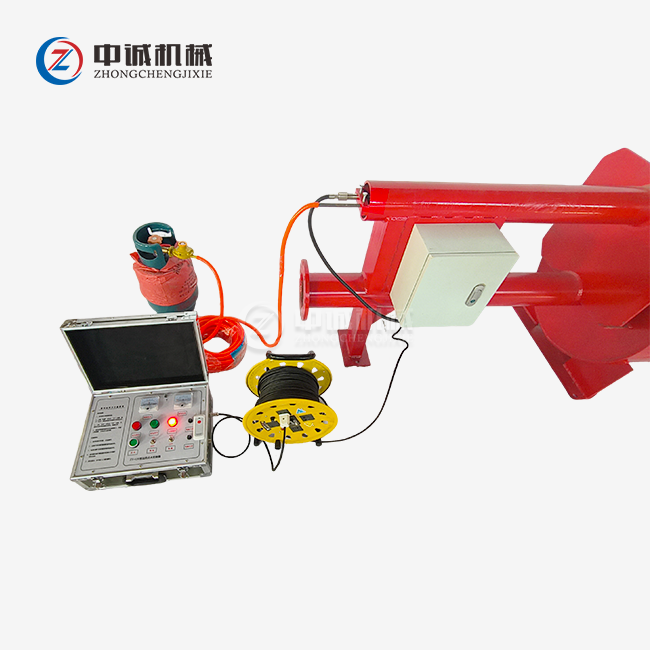
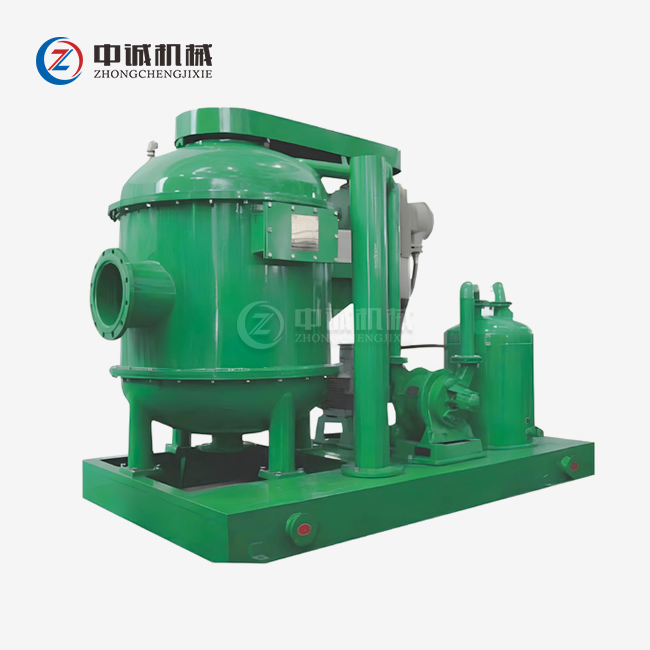
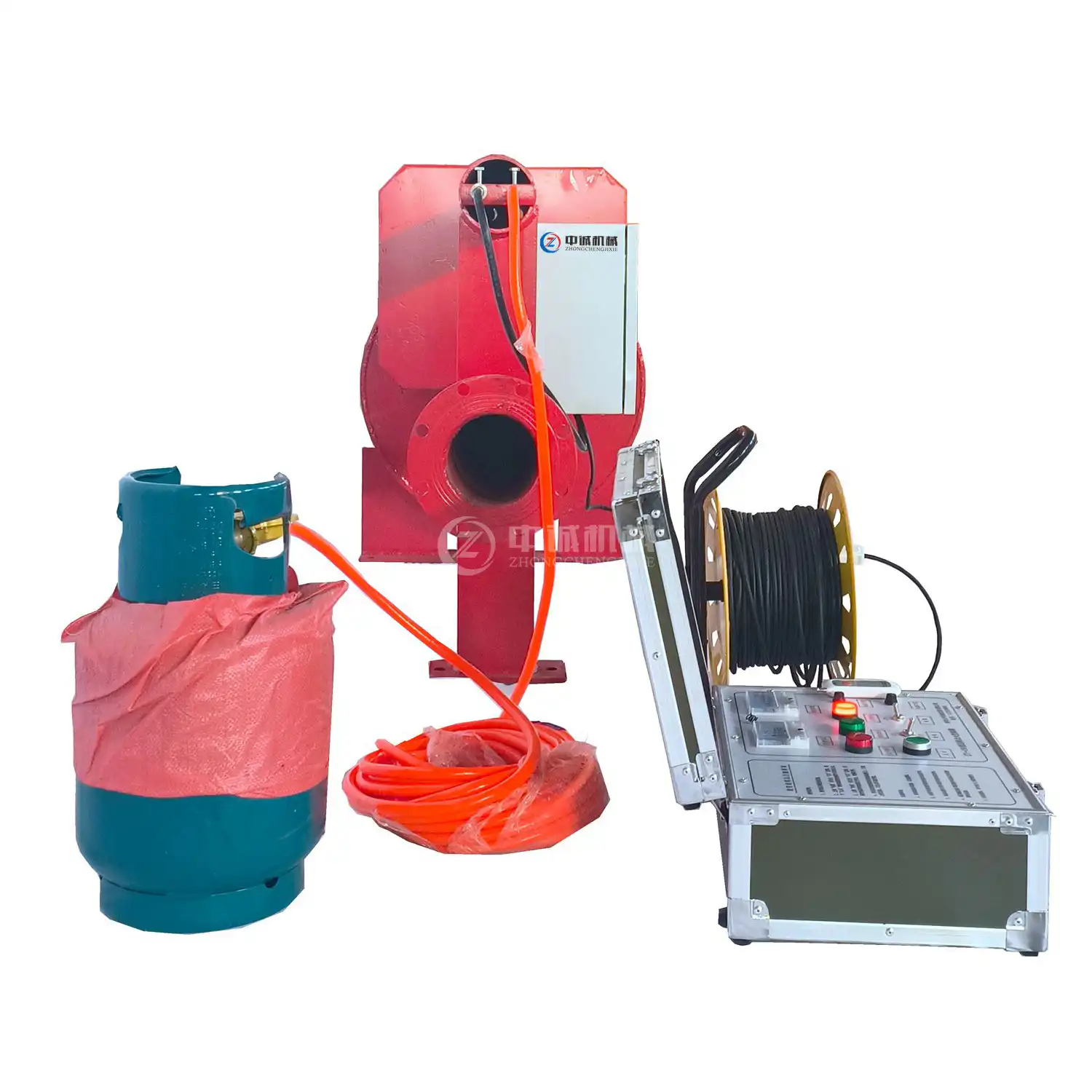
The Electronic Flare Ignition Device - Horizontal is a purpose-built safety instrument for oil and gas drilling operations. It works in direct coordination with the mud gas separator to handle waste gases released during drilling, well testing, and pressure surges. Unlike vertical igniters, its low-profile horizontal design offers a lower center of gravity, stronger resistance to crosswinds, and simpler transport logistics. For oilfield teams managing high-yield gas wells or open-land drilling sites, this device provides a reliable, remote-triggered ignition solution that keeps personnel safe and operations compliant.
Understanding Horizontal Electronic Flare Ignition Devices
Procurement teams need to know how horizontal devices are different from normal vertical configurations and why that difference is important in the field before they choose a flare ignition option.
Core Working Principle
At the torch tip, this device creates a high-voltage electrical spark that sets fire to flammable gasses released from the mud gas separation. These gasses include hydrogen sulfide (H2S) and other hydrocarbons. The starting voltage is usually between 15 and 20 kV, and the discharge frequency is between 25 and 40 times per minute. This allows a 99% success rate in bad weather.
Horizontal Layout Advantages in Oilfield Settings
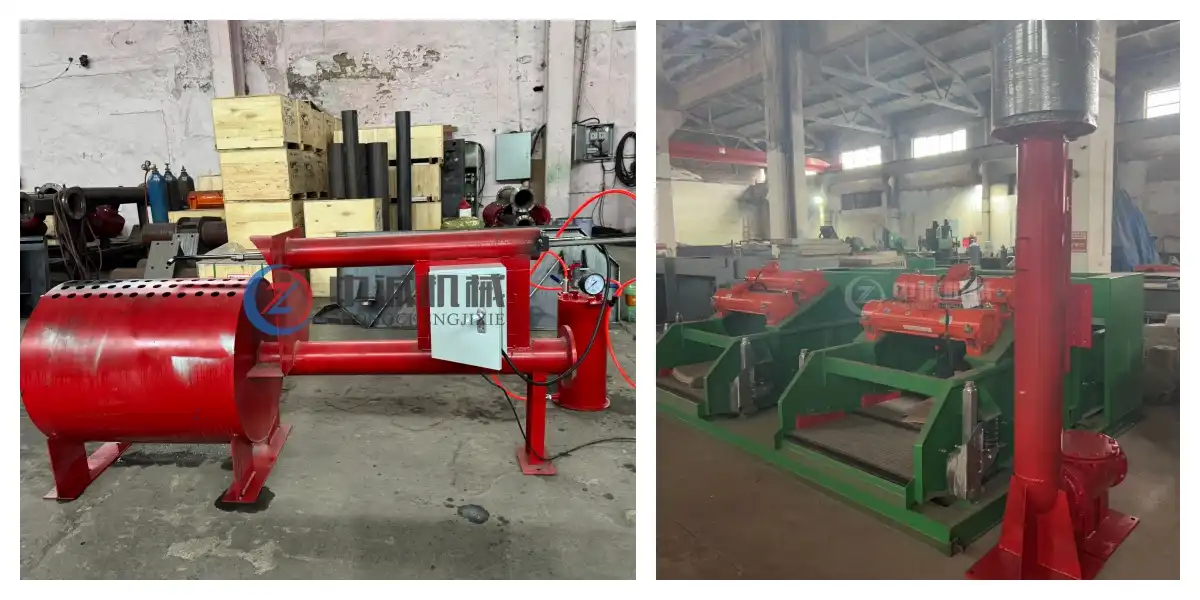
The horizontal position of the flare torch makes it parallel to the ground, which lowers the stress on the support structure from wind. The device can fit different rig setups, from ZJ30 to ZJ90, thanks to its 150 mm and 200 mm torch sizes and 2.5 m and 3 m lengths. Its low-profile structure makes it safer to handle in the field.
Automatic and Remote-Monitored Versions
The device has both remote and manual starting modes built in. The remote control can reach up to 100 meters, so workers can start the fire from a safe distance during pressure spikes or long-cycle venting tests for high-yield gas wells. This two-mode design makes it less likely that people will be exposed to dangerous gas plumes.
Key Advantages Making Horizontal Electronic Flare Ignition Devices Ideal for Complex Oilfields
On oilfield jobs, the geography is hard to predict, the weather is rough, and equipment has to be moved all the time. These facts are directly dealt with by the horizontal flare igniter. Here are some of the best things about this device:
- Low-Profile Design and Transportability: The Electronic Flare Ignition Device - Horizontal structure has a low center of gravity and fits directly onto standard transport vehicles without requiring cranes or heavy lifting equipment. This significantly reduces mobilization time between drilling sites, a major benefit for contractors running multiple rigs simultaneously.
- Rapid Deployment and Adaptability: Field teams can set up the device quickly without specialized rigging crews. This is particularly valuable in space-constrained environments or when drilling schedules shift unexpectedly, as no permanent foundation is needed for installation.
- Emergency Gas Handling and Environmental Protection: During well testing phases or pressure anomalies, uncontrolled gas release poses severe safety and environmental risks. This device ensures the controlled combustion of flare gases, neutralizing toxic compounds like H2S before they accumulate at ground level. This directly supports HSE compliance requirements that regulators and operators increasingly enforce on US drilling sites.
These benefits work together to solve three of the most common problems oilfield operators have: equipment breakdowns caused by complicated setups; staff safety during gas emergencies; and trouble with logistics between drilling phases. With an electrical security grade of at least IP55, the internal parts are also safe against dust and water jets when they are used outside.
Comparative Analysis: Horizontal vs. Vertical and Electronic vs. Mechanical Ignition Devices
Not every flare ignition system works the same way on every type of project. Knowing the differences helps procurement managers explain why they chose the tools they did during technical reviews.
Horizontal vs. Vertical Configuration
Vertical flare stacks can get very tall, which makes it hard to move and put together because of the structural load. This problem is completely gone with the horizontal model. Its flat-mounted form cuts down on wind surface area and doesn't need a tower to be set up, which makes it the best choice for drilling sites in open land and plain areas where there isn't much room for overhead clearance or structural support.
Electronic vs. Mechanical Ignition
Pilot flames or hand torch ways are used with traditional mechanical igniters. These methods are inherently dangerous, especially when used near gas sources that are high in H2S. Electronic methods get rid of the need for people to be close during firing. The remote-triggered spark device cuts down on false ignitions and makes sure that the arc is always created, no matter how skilled the user is. This improves both safety records and records of regulatory compliance.
Why Certified Equipment Matters in Procurement Decisions?
Procurement managers can get the paperwork they need for seller qualification checks from equipment that is certified to ISO 9001, ISO 14001, ISO 45001, HSE standards, and approved by TÜV and BV. Certifications lower the risk of buying something and speed up the approval process for projects. This is especially true for international or joint-venture oilfield contracts that need to be checked by a third party.
Installation, Procurement, and After-Sales Support for Horizontal Electronic Flare Ignition Devices
Getting the right Electronic Flare Ignition Device - Horizontal gear is only half the battle. Total cost of ownership is based on how the equipment is set up, backed, and kept over its useful life.
Installation Best Practices
Every horizontal flare firing unit comes with full installation instructions and help with commissioning from ZHONGCHENGJIXIE. Since the device can be mounted horizontally on the ground, there is no need for ladders or high work areas for installation. Technical workers can do site-level commissioning with little time spent getting ready, which cuts down on delays before operations when drilling plans are short.
Procurement Considerations
Most drilling rigs can use standard torch sizes of 150 mm or 200 mm in diameter and 2.5 m or 3 m in length. For projects that need a certain plan or amount of space, customized choices are available. As soon as an item is in stock, it is shipped within three days. Custom orders usually take fifteen days to finish. Plastic film, rainproof tarpaulins, and strapping are all examples of transport-safe packing. Pallets or wooden crates can also be used, depending on the needs of the location.
After-Sales Support Structure
Every unit comes with a full guarantee for one year. ZHONGCHENGJIXIE backs up its products with technical documents like flowcharts, operation manuals, engineering drawings, and diagrams of the parts that make up the product. Long periods of equipment downtime in the field are less likely when spare parts are easy to find and expert help is quick to respond.
Case Studies and Real-World Success Stories
The end results of a project show things that the specifications alone can't.
Onshore Shale Gas Operations
A high-pressure rock was used for a multi-well shale gas drilling project. The horizontal flare igniter was paired directly with the mud gas separator to handle sudden gas spikes during drilling fluid circulation. With the remote ignition mode, the safety officer could start the fire from the control room, without having to go to the wellhead. During the operation, the project team said there were no cases of uncontrolled gas buildup.
Long-Cycle Well Testing on High-Yield Gas Wells
It is very important to keep the ignition steady for days or weeks during extended venting tests on high-yield gas wells. The horizontal device had two starting modes, and its IP55-rated casing kept the system working even when it rained or the temperature changed. When compared to the pilot-flame ways that were used before on the same area, downtime caused by ignition failure went down by a lot.
Frequent-Relocation Drilling Contracts
A drilling company that worked on a lot of open land in the plains needed flare ignition gear that could be moved quickly from one place to another. The low-profile horizontal design loaded straight onto the supply truck without having to be taken apart. This cut down on the time needed to set up the rig at each new site. The operations manager for the contractor said that this logistical advantage was enough to justify the decision to buy.
Conclusion
The Electronic Flare Ignition Device - Horizontal solves real, ongoing issues in complicated oilfield projects, like unsafe manual ignition, transporting equipment between sites being hard, and gas buildup risks during pressure events. Because it has a low profile, two ignition modes, an IP55 grade for protection, and the ability to work with standard mud gas separators, it is a useful and legal choice for drilling workers, oilfield service companies, and EPC project teams. This device is a good long-term investment for any business that needs to make sure they handle gas safely and efficiently. It is made to approved standards and comes with strong after-sales support.
FAQ
What gas types can the horizontal flare ignition device handle?
The gadget is meant to light up flammable waste gasses from the mud gas separator, such as hydrogen sulfide (H2S), methane, and other hydrocarbon gasses made during drilling and well testing.
How does the remote ignition mode work?
The gadget can be controlled wirelessly from up to 100 meters away. The user can start the high-voltage spark from a safe distance, so they don't have to get close to busy gas discharge points when pressure events happen.
What are the standard torch specifications?
There are 150 mm and 200 mm torch sizes, and 2.5 m and 3 m torch lengths. You can get custom configurations based on the needs of your rig and project.
Is the device suitable for use in rain or high-humidity environments?
Yes. At least IP55 electricity safety is on hand, which means it can handle water jets and dust getting in. The parts that make up the spark continue to work in normal outdoor weather.
What certifications does the device carry?
The gadget meets the requirements of ISO 9001, ISO 14001, ISO 45001, and HSE, and it has also been approved by TÜV and BV. These certifications help meet the standards for qualified suppliers on foreign oilfield projects.
Get Your Horizontal Flare Ignition Solution from ZHONGCHENGJIXIE
ZHONGCHENGJIXIE is a direct manufacturer of Electronic Flare Ignition Device - Horizontal. They have been in business for more than 30 years, have their own patents, and are fully certified. Our devices come with full technical documentation and a warranty that lasts for one year. Whether you need a normal unit or one that is specially made for your rig, our engineering team is ready to help you with your project from the time you buy it until it is put into service. To get a quote right away, email us at oliver@zcgukong.com or go to zcsolidscontrol.com.
References
1. American Petroleum Institute. API RP 521: Pressure-Relieving and Depressuring Systems. 6th Edition, 2014.
2. Energy Institute. Model Code of Safe Practice Part 13: Pressure Relief and Blowdown Systems. 2012.
3. Society of Petroleum Engineers. SPE-185929-MS: Flare Management and Gas Combustion Efficiency in Oilfield Operations. 2017.
4. International Association of Oil & Gas Producers. OGP Report No. 434-6: Flare and Vent Management. 2011.
5. National Fire Protection Association. NFPA 85: Boiler and Combustion Systems Hazards Code. 2023 Edition.
6. Oil & Gas Journal. Electronic Ignition Systems for Oilfield Flare Applications: Field Performance Review. 2019.