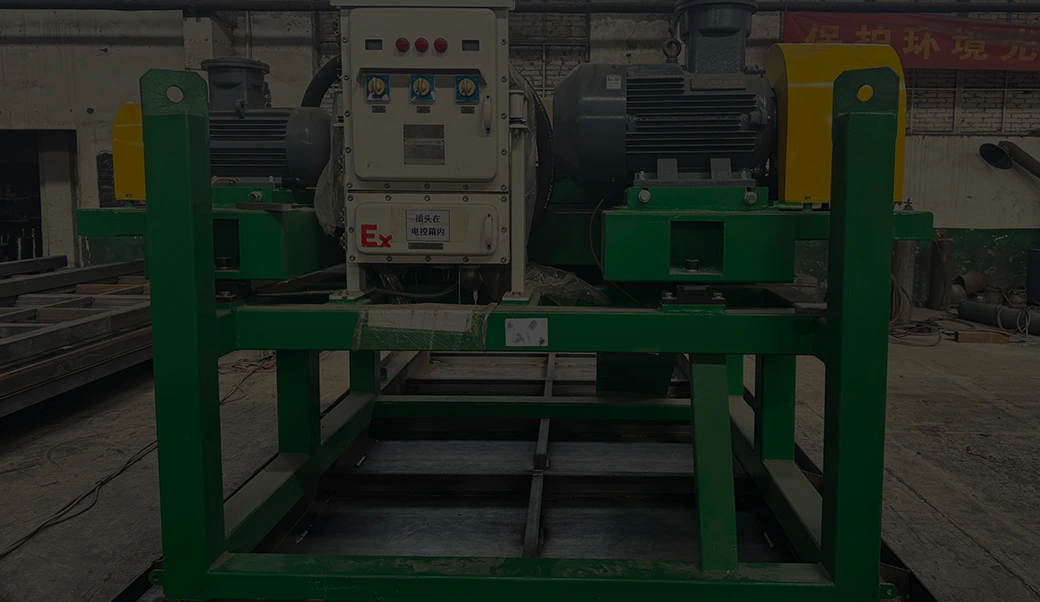
Mud Gas Separator (MGS) – Critical Well Control Safety Equipment
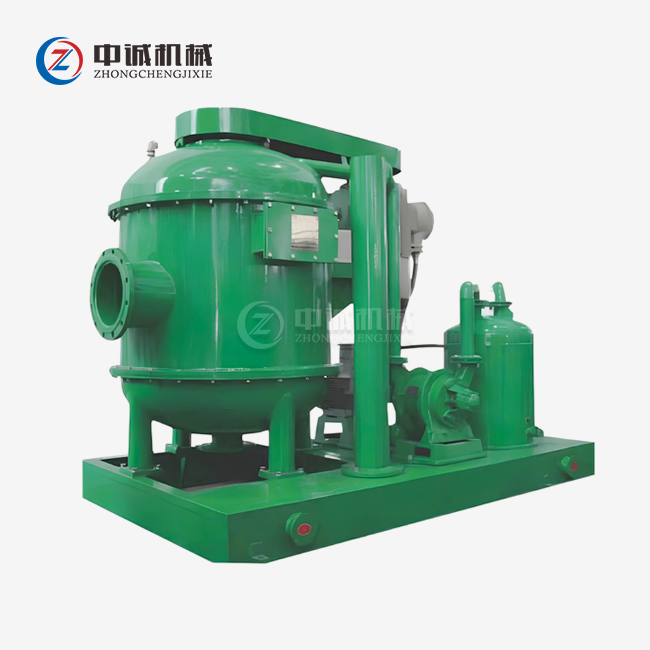
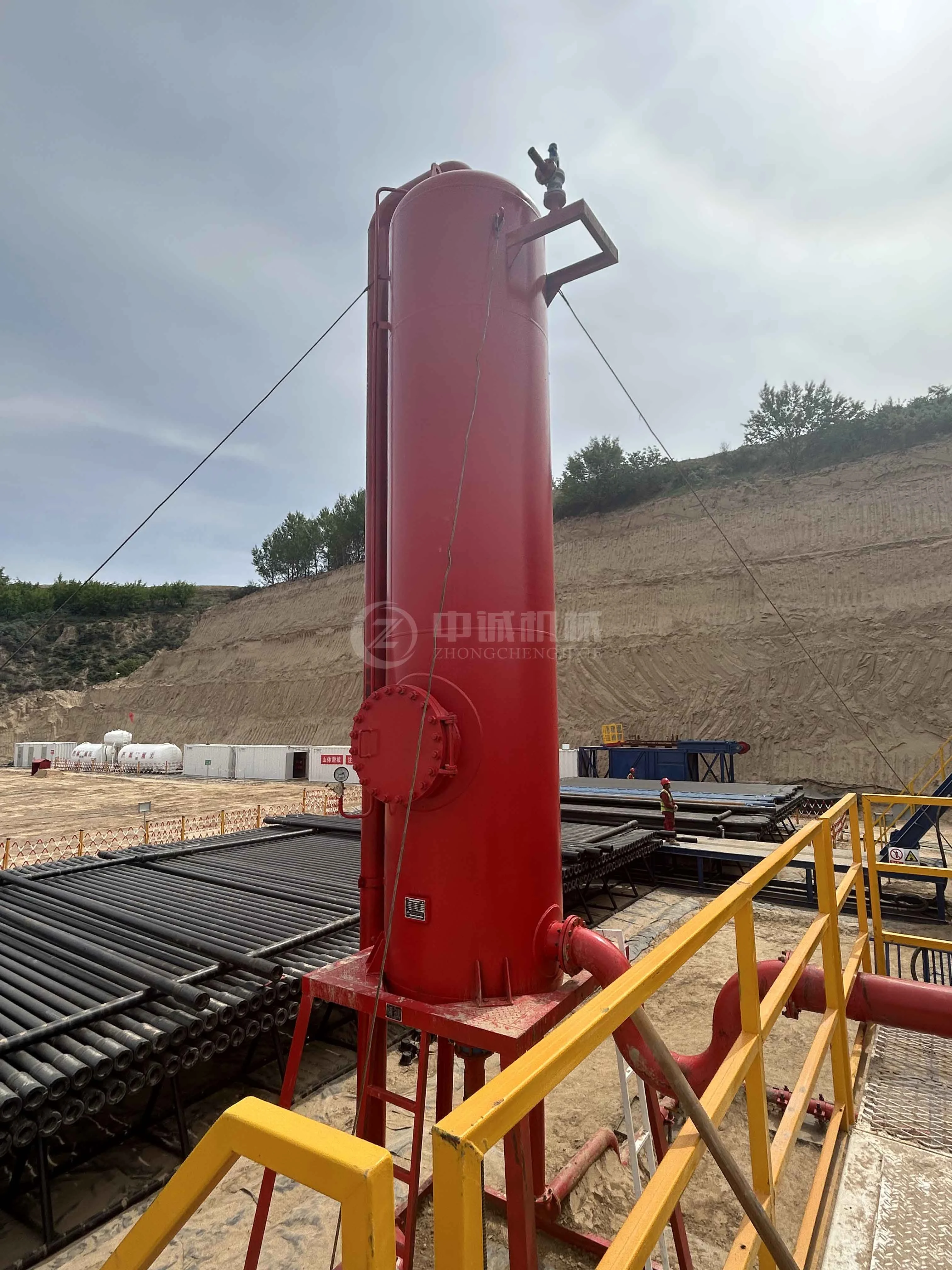
The Mud Gas Separator (MGS), also known as a Poor Boy Degasser, is a critical well control component specifically engineered by Shaanxi Xixian New Area Zhongcheng Machinery Manufacturing Co., Ltd. to handle gas-cut drilling fluids during kicks or overflow conditions. This primary safety device separates large volumes of free gas from gas-cut mud, ensuring drilling fluid system stability. Our MGS features body diameters ranging from 600~1200mm, working pressure capabilities of 1.6~6.4MPa, and explosion-proof electronic ignition devices. Certified to ISO 9001/14001/45001, TÜV, and BV standards with electrical protection grade IP55, each unit incorporates internal baffle designs and anti-corrosion coatings for reliable performance in harsh environments.

What Is a Mud Gas Separator and Why Your Operation Needs One
A Mud Gas Separator serves as your first line of defense against catastrophic well control incidents. Positioned downstream of the choke manifold, it handles hazardous gases like H2S during kicks.
When gas-cut mud returns fom the wellbore, the MGS prevents flammable gases from reaching open shaker tanks. This eliminates explosion risks on your rig floor.
The equipment utilizes impingement and gravity principles. Gas vents safely through the discharge line while cleaned mud returns to circulation tanks.
Your operation benefits from reduced fluid waste. The system recovers valuable drilling fluid instead of disposing of gas-contaminated volumes.
Without proper gas separation, you risk environmental contamination and potential fires. The MGS addresses these industry pain points directly.
Technical Specifications and Performance Parameters
| Model |
ZCYQFL/600-1.6 |
ZCYQFL/800-1.6 |
ZCYQFL/1000-2.5 |
ZCYQFL/1200-2.5 |
ZCYQFL/1200-6.4 |
| Capacity (m³/h) |
140 |
180 |
240 |
320 |
320 |
| Main body Diameter (mm) |
600 |
800 |
1000 |
1200 |
1200 |
| Working Pressure (MPa) |
≤1.6 |
≤1.6 |
≤2.5 |
≤2.5 |
≤6.4 |
| Inlet Pipe Diameter (mm) |
80 |
100 |
125 |
150 |
150 |
| Outlet Pipe Diameter (mm) |
150 |
150 |
200 |
250 |
250 |
| Gas Vent Line Diameter (mm) |
125 |
200 |
200 |
200 |
200 |
| Theoretical Weight (kg) |
1300 |
1800 |
2200 |
2500 |
2900 |
| Dimension (mm) (L×W×H) |
1750×1450×5210 |
1800×1800×5350 |
2000×2000×5860 |
2200×2200×8925 |
2200×2200×8925 |
Core Applications and Industrial Use CasesWell Control Safety and Kick Management
Your blowout prevention system requires reliable gas separation during unexpected formation pressure encounters. The MGS processes sudden influxes efficiently.
During overflow conditions, the equipment handles high-volume gas releases. Your crew stays protected from exposure to toxic or flammable gases.
Underbalanced and Managed Pressure Drilling
UBD operations intentionally allow formation fluids to enter the wellbore. The MGS manages this controlled gas influx as part of your system design.
In MPD scenarios, the separator acts as a secondary safety stage. It ensures precise pressure control while maintaining continuous operation in narrow pressure windows.
High-Pressure High-Temperature Environments
HPHT onshore wells demand equipment that withstands extreme conditions. Our MGS provides a safety buffer beyond standard vacuum degasser capacity.
Deepwater offshore drilling faces massive gas expansion as kicks migrate to surface. The MGS handles rapid pressure drops and high liquid flow rates effectively.
Superior Engineering and Competitive Advantages
Advanced Separation Technology
Your Mud Gas Separator (MGS) operation benefits from our optimized internal baffle configuration. Fluid dynamics simulation increases gas liberation efficiency by over 30% compared to conventional designs.
The multi-stage baffle system extends the gas-liquid separation path. This captures large entrained bubbles even in extremely high gas-cut mud ratios.
Safety-First Design Philosophy
Our high-efficiency U-tube liquid seal prevents dangerous "blow-through" scenarios. All hazardous gases route exclusively through the top vent line.
Remote control capabilities safeguard your operators and equipment. Crew members maintain safe distances during high-risk well control operations.
Sour Service Compatibility
NACE MR0175/ISO 15156 compliant materials resist H2S corrosion. Your equipment operates reliably in the most demanding sour drilling environments.
Post-weld heat treatment ensures structural integrity. Each vessel undergoes rigorous quality testing before dispatch.
User-Friendly Installation
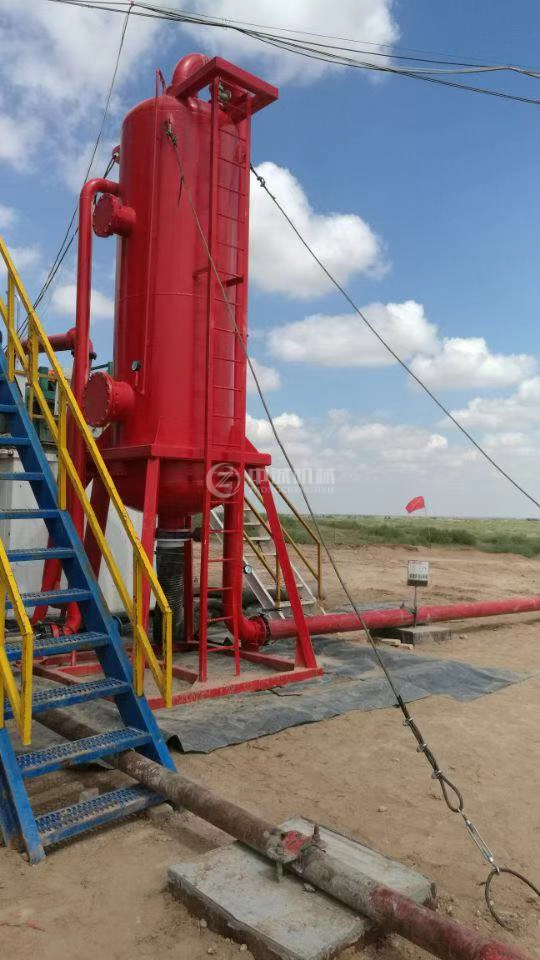
The modular skid-mounted design features heavy-duty foldable supports. Your crew achieves rapid deployment and uprighting at the rig site.
Transport is simplified through compact integration. Road transport restrictions are easily met while maintaining structural robustness.
Maintenance Efficiency
No moving parts means extremely low failure rates. Your operation enjoys 24/7 continuous service without complex mechanical maintenance.
High-performance interior coatings extend service life. The wear-resistant epoxy withstands constant abrasive flow and chemical exposure.
Bottom flush ports prevent mud sedimentation.
Installation, Commissioning and Technical Support
Professional Installation Guidance
Our technical team provides comprehensive installation documentation. You receive engineering drawings, flowcharts, and component diagrams for seamless setup.
Vertical leveling is critical for optimal performance. Improper positioning decreases internal baffle efficiency and affects sensor accuracy.
Bypass line installation is recommended for operational flexibility. During non-gas-cut periods, mud bypasses the MGS to reduce unnecessary wear.
Commissioning Services
We offer on-site commissioning support to verify system performance. Your team receives hands-on training for safe operation and emergency procedures.
Hydrostatic seal testing confirms proper U-tube configuration. Blow-through pressure thresholds are validated before production operations commence.
Ongoing Technical Support
Our one-year comprehensive warranty covers manufacturing defects and performance issues. Extended warranty packages are available for long-term projects.
Operation and maintenance manuals are provided in English. Industry-specific training programs ensure your crew understands best practices.
Remote consultation services address urgent operational questions. Our engineering team responds within 24 hours to technical inquiries.
Packaging, Logistics and Delivery Efficiency
Transport-Safe Packaging Standards
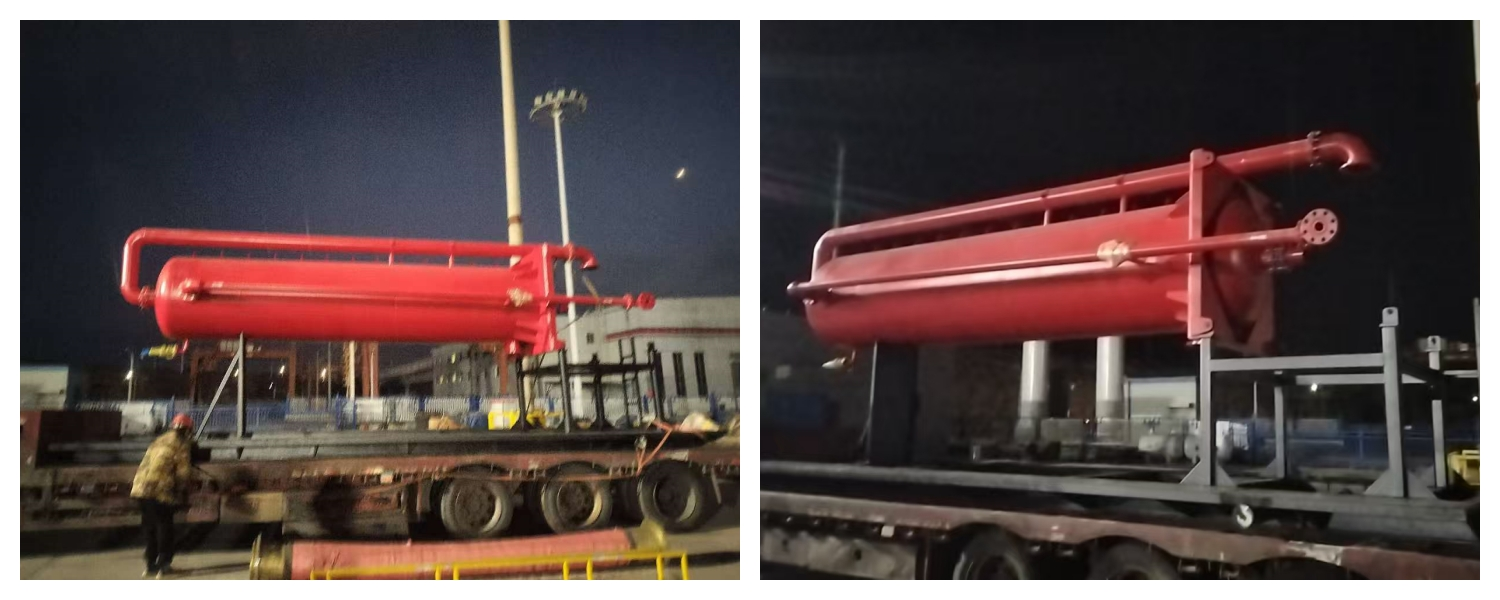
Each unit receives multi-layer protection for international shipping. Plastic film provides moisture barriers against marine environments.
Rainproof tarpaulins add secondary weather protection. Heavy-duty strapping secures components during road and sea transport.
Pallets or customized wooden crates are supplied based on equipment dimensions. Special handling requirements for oversized units are accommodated.
Streamlined Logistics Network
Our strategic location in Shaanxi Province provides excellent port access. Tianjin and Shanghai ports serve as primary export hubs.
Strong partnerships with international freight forwarders ensure competitive shipping rates. Container optimization reduces your total landed costs.
Fast Delivery Commitments
In-stock standard configurations: Shipping within 3 working days after order confirmation.
Customized specifications: Production and delivery completed within 15 days for most modifications.
Rush orders for emergency replacements receive priority scheduling. Our production capacity of 200+ units annually supports flexible fulfillment.
Q1: What is the main difference between a Mud Gas Separator and a Vacuum Degasser?
The MGS handles large volumes of free gas during kicks or overflow events. Vacuum degassers remove small amounts of entrained gas from mud during normal circulation before it reaches the pits.
Q2: How is the blow-through pressure calculated for my specific mud weight?
Blow-through pressure equals the hydrostatic head of your liquid seal. The formula is: Pressure (psi) = 0.052 × Mud Weight (ppg) × Seal Height (feet). If gas pressure exceeds this value, gas escapes into mud discharge lines.
Q3: Can your Mud Gas Separator handle H2S service?
Yes, when manufactured from NACE MR0175/ISO 15156 compliant materials. We apply appropriate post-weld heat treatment for sour gas environments. Specify sour service requirements during ordering.
Q4: Why are internal baffles necessary in the separator design?
Baffles create turbulence that increases mud surface area exposure. This allows gas bubbles to break free more efficiently from viscous drilling fluid, improving separation performance by 30%+.
Q5: What maintenance is required after completing a well?
Comprehensive maintenance includes flushing accumulated solids through bottom ports, inspecting impingement plates for erosion, checking vent line integrity, and testing U-tube drainage valves. We provide detailed maintenance schedules with each unit.
Q6: How do I determine if the liquid seal height is sufficient for my operation?
Calculate maximum expected kick pressure and compare against your seal's hydrostatic head. If kick pressure may exceed seal capacity, add water or increase U-tube height. Our engineers assist with these calculations.
Q7: Is the equipment suitable for Arctic or extreme cold environments?
Yes, optional steam heating coils prevent freezing in regions like Russia, Canada, or high-altitude locations. This ensures continuous operation in temperatures below -20°C.
Q8: Can the MGS operate under pressure like an enclosed separator?
No, standard MGS units are atmospheric separators. While they maintain slight pressure via the liquid seal, fully pressurized closed-system operation is strictly prohibited for safety reasons.
Contact Us – Expert Solutions for Your Well Control Needs
Ready to enhance your drilling operation safety with professional vertical flare ignition solutions paired with Mud Gas Separator (MGS)? Contact us today at oliver@zcgukong.com for technical specifications, custom configurations, and competitive quotations.
.webp)