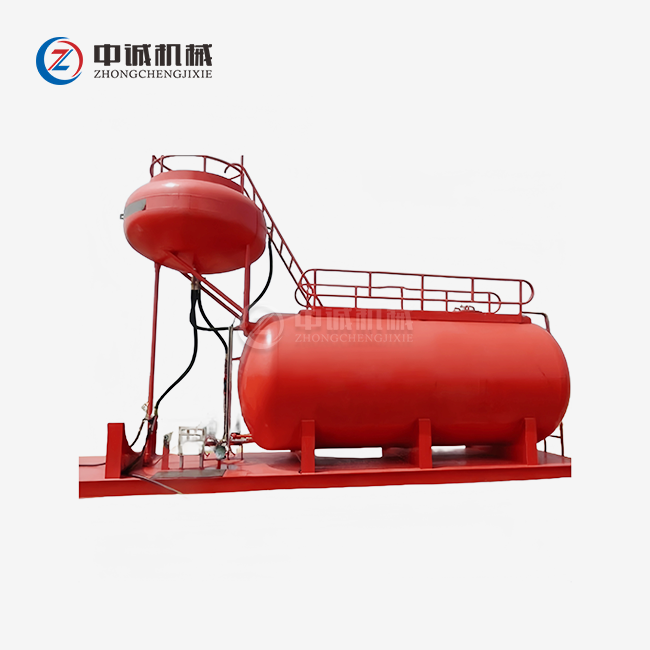
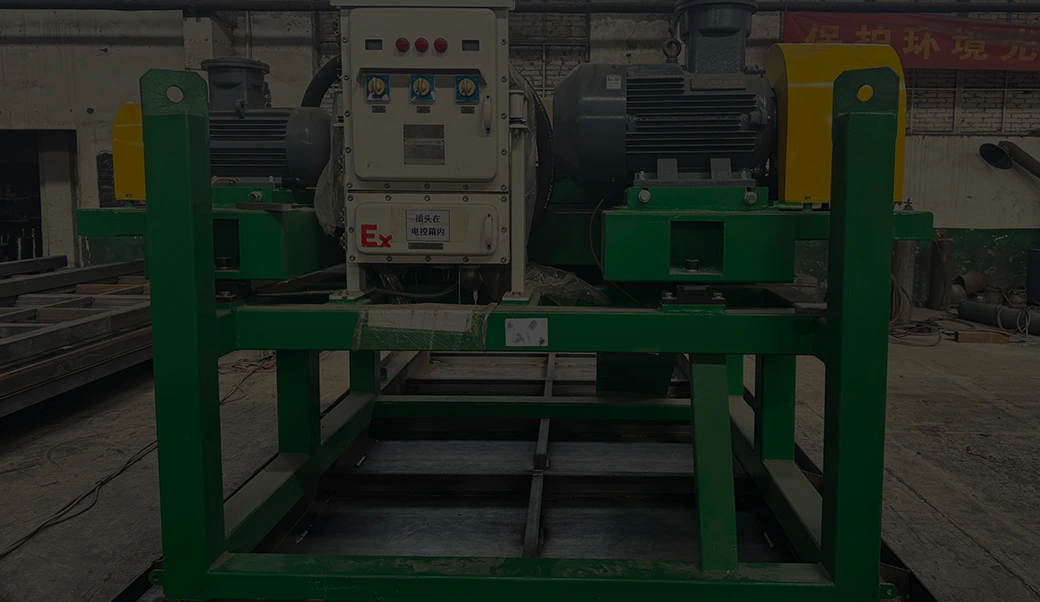
Accurate dispensing in pharmaceutical production depends directly on the Pharmaceutical Dispensing Tank equipment at the center of the formulation process. A well-designed pharmaceutical dispensing tank controls volume output, prevents contamination, and maintains stable fluid conditions throughout each batch. Key features include sealed construction, corrosion-resistant materials like 316L stainless steel, integrated measurement instruments, temperature regulation systems, and CIP/SIP compatibility. These elements work together to meet cGMP and FDA requirements while protecting product quality. At ZHONGCHENGJIXIE, our ZC chemical dosing vessels apply these same engineering principles to demanding oilfield and industrial environments.
Understanding Accurate Dispensing Needs in Industrial Production
It's not enough to just measure liquid to get dispensing right. It means keeping an eye on all the factors that could change the end result, from how well the materials work together to the temperature of the room. This problem can happen in pharmacy lines, chemical treatment systems in oil fields, and industrial dosing sites.
The Core Accuracy Challenge
The three main reasons why dispensing fails are wrong volume measurements, cross-contamination, and temperature changes. The FDA's Process Validation Guidance (2011) says that managed process factors must be present at every transfer point for batch-to-batch uniformity. Even a 2–3% change in volume can change the quantity of chemicals and make the product less effective.
Regulatory Standards That Drive Design
According to 21 CFR Part 211 GMP guidelines, mixing and holding vessels must be built in a way that keeps them clean and prevents contamination. As part of the ASME BPE standard for bioprocessing equipment, all wet parts in precision dispensing systems must meet certain surface finish requirements, dead-leg limits, and material specifications.
Where Dispensing Tanks Are Used?
Active ingredients, chemical additives, drilling fluids, and treatment agents are all moved around production environments by dosing vessels. They are the link between the arrival of raw materials and the end filling in pharmacy lines. In oilfield work, they are in charge of carefully injecting chemicals into systems that move mud around. For both uses, the core design principles must be met: they must be sealed, measured, and easy to clean.
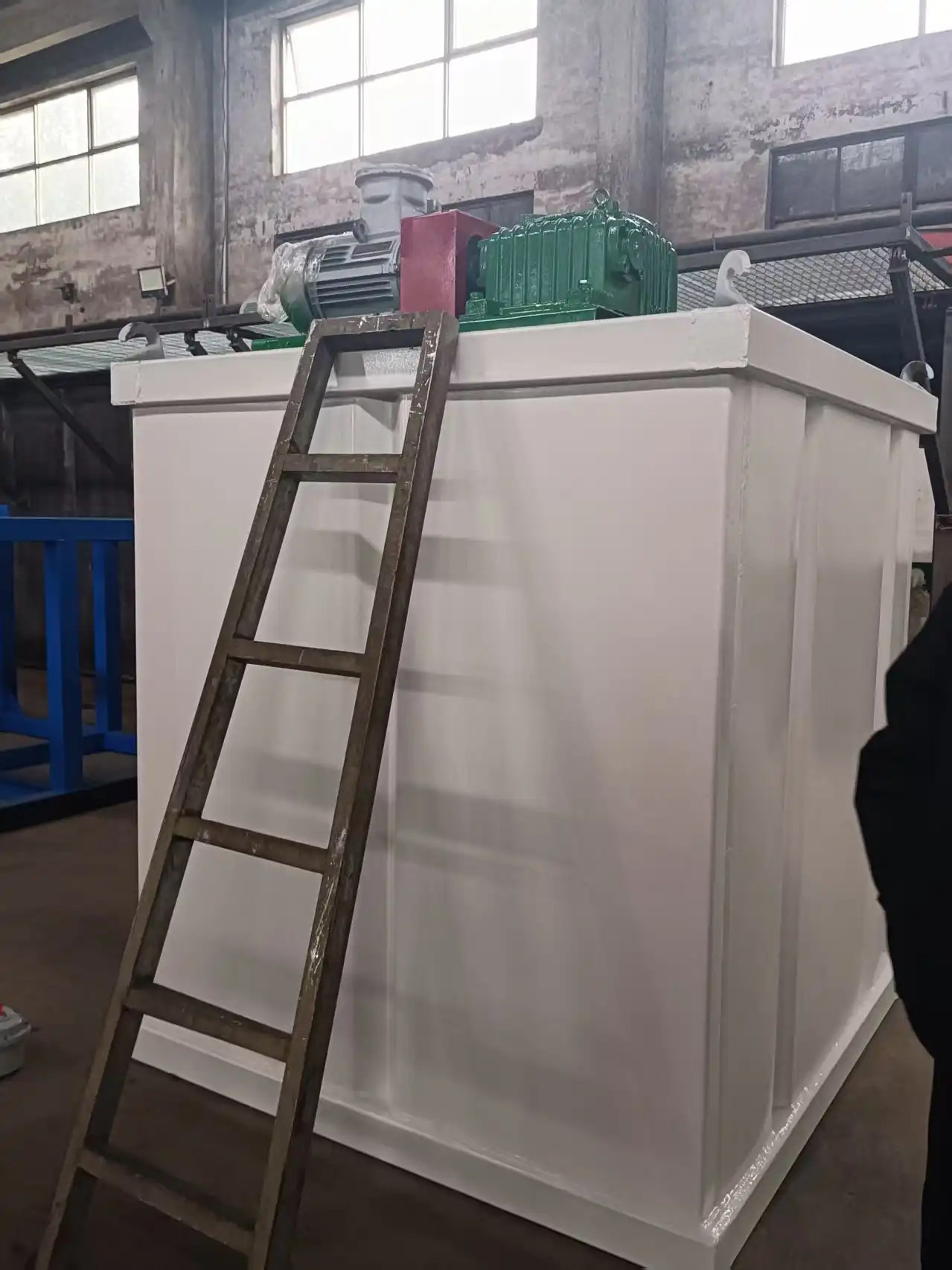
Key Tank Features That Enhance Dispensing Accuracy
A good dosing tank is different from a bad one because of choices that were made during the planning phase before the first. How exactly a tank can release its contents depends on a number of unique factors.
Here are the main design elements of a good chemical or medicine tank that make dosing accurate:
- 316L Stainless Steel Wetted Surfaces: This material grade offers high corrosion resistance and chemical inertness. It meets FDA 21 CFR requirements and prevents ion leaching that could alter fluid composition. Electropolishing to Ra < 0.4μm reduces biofilm adhesion and supports CIP coverage.
- Integrated Load Cells and Flow Meters: High-precision load cells allow real-time weight-based volume tracking. When paired with calibrated flow meters, the system achieves dosing accuracy within ±0.5%, eliminating operator-dependent measurement errors.
- Jacketed Construction for Temperature Control: Dimple or full-jacket designs allow heating or cooling fluid to circulate around the tank wall. This keeps fluid viscosity stable, which directly affects how consistently the product flows through dispensing valves.
- Sealed Moisture-Proof Construction: A fully sealed vessel structure prevents atmospheric moisture and airborne particles from entering the tank. This is especially important when storing hygroscopic chemical additives or temperature-sensitive drilling chemicals.
These features fix the most common ways that Pharmaceutical Dispensing Tank vending machines break down. A system that gives the same output every time is one that has load cells, jacket systems, and sealed construction all working together.
Safety and Maintenance Features Supporting Long-Term Accuracy
It doesn't matter how accurate the system is at startup if it stops working well after a few months. For long-term precision dispensing, you need safety features built in and a maintenance plan that makes sense.
CIP and SIP Compatibility
Spray balls are used in Clean-in-Place systems to get cleaning agents to every surface inside the vessel without taking it apart. Microbial pollution is removed by SIP processes that use saturated steam at 121°C to 135°C. Both methods keep the quality of the product safe between runs.
Pressure Relief and Overflow Protection
During heating or steam sterilization cycles, pressure relief valves keep the vessel from becoming too pressurized. Overflow prevention systems keep chemicals from spilling out of the dispensing exit and stop product loss. This is especially important when working with concentrated drilling additives or active pharmaceutical agents.
Sensor Calibration and Inspection Schedules
Load cells, level monitors, and temperature probes need to be recalibrated on a regular basis to keep their measurements accurate. A program that checks the sensors every three months and looks at the seals and gaskets visually stops gunk from building up and stops sensor drift, which could lead to dose mistakes over time.
Comparative Insights: Dispensing Tanks vs. Storage Tanks
A lot of buyers get chemical storage tanks and precise dosing vessels mixed up. They can't be switched out, and picking the wrong one raises both the risk of accidents and the cost of running the business.
At normal pressure, storage tanks hold large amounts of liquids. They are made to keep things inside, not to control people. Most of the time, they don't have any measuring tools, outlet valves that are regulated to ensure accurate flow, or agitation systems that keep the mixture homogeneous. A dispensing vessel, on the other hand, has active measurement, controlled outlet systems, and mixing mechanisms that keep the fluid in a steady, usable state.
Design Differences That Matter
Pharmaceutical Dispensing Tank vessels have features that are designed to control the output. These include release valves on the bottom that can be adjusted to set different flow rates, agitators that are matched to the viscosity of the fluid, and measurement ports for constant tracking. Of course, storage tanks don't have any of these.
Selecting Based on Production Scale
A 200–500L vessel with manual valve control and simple load cell tracking is usually enough for lab-scale work. Automated PLC-controlled pouring skids with multiple sensors and remote SCADA integration are the best choice for industrial production, such as chemical treatment systems in oil fields that handle more than 5,000 liters of fluid every day. The ZC dose tank from ZHONGCHENGJIXIE can be set up in a variety of ways to fit both scales.
Procurement Considerations for Accurate Chemical Dosing Vessels
When looking for the right dispensing tank, you need to think about more than just the price. The real value is based on the total cost of ownership, which includes how often maintenance is done, how easy it is to get spare parts, and how quickly technical support responds.
Verifying Manufacturer Credentials
Only work with ISO-certified makers who can give you full paperwork on how to track materials, such as Material Test Reports (MTR) for all 316L parts. Certifications like ISO 9001, ISO 14001, ISO 45001, HSE, TÜV, and BV show that the company has quality systems that have been checked, not just promises.
Customization as a Procurement Advantage
Standard stock tanks rarely meet the needs of a unique spot. A trustworthy Pharmaceutical Dispensing Tank provider should let you change the structure in a number of ways, such as by adjusting the volume and offering different agitation setups, insulation options, and motor brand choices. ZHONGCHENGJIXIE lets you change all of the specifications, and it takes 15 days for custom orders to arrive and 3 days for filled units.
After-Sales Support and Spare Parts
Equipment performance is directly affected by how easy it is to get spare parts. Make sure that your provider keeps seals, gaskets, agitator parts, and sensor units in stock. A one-year warranty that includes technical help like drawings, operation guides, and installation instructions makes it much less likely that the machine will be down for a long time after delivery.
Conclusion
For accurate dispensing, you need to look at the engineering inside the Pharmaceutical Dispensing Tank as well as the outside. Structures that are sealed, materials that don't rust, accurate measuring tools, and temperature control systems all help to make output that is consistent and repeatable. The basic rules of design are the same whether the purpose is to make medicines or to dose chemicals in the oilfield. Procurement teams can build a strong base for long-term operations by selecting a provider with verified certifications, the ability to customize products, and quick technical assistance. The ZC dosing vessel line from ZHONGCHENGJIXIE is designed to meet these standards both on and offshore.
FAQ
Why is a sealed structure important in a dispensing tank?
A covered jar stops water from getting in, airborne germs from spreading, and chemicals from evaporating. This is very important for drilling chemicals that absorb water and medicine that breaks down quickly when it comes into contact with air or moisture.
What material is best for wetted tank components?
Most people choose 316L stainless steel. It doesn't rust when exposed to acids, chlorides, or alkaline substances, and its surface can be electropolished to make it less likely for bacteria to stick to it. This means it can be used for both medicinal and industrial chemical handling.
How do load cells improve dosing precision?
Load cells constantly check how much the tank weighs. The system adjusts for changes in density caused by temperature by tracking mass instead of volume. This makes delivery accurate within ±0.5% for all fluid types.
What is the significance of CIP compatibility?
With CIP, cleaning agents can get to all areas inside the tank without having to open it. This cuts down on the time needed to clean, stops residue from being transferred from one batch to the next, and helps with regulatory compliance paperwork for both GMP and drilling HSE standards.
Can these tanks be integrated with automated control systems?
Yes. Modern dosing vessels can connect to a PLC or SCADA system to handle valve control, data logging, and real-time alarm tracking. This lets the dosing work consistently without any help from a person.
Partner With ZHONGCHENGJIXIE for Your Next Dispensing Tank Project
ZHONGCHENGJIXIE is certified by ISO 9001/14001/45001, HSE, TÜV, and BV to make chemical dosing tanks and mud treatment equipment. Our Pharmaceutical Dispensing Tank for sale can have its structure fully customized, come in a variety of materials that don't rust, and come with full service after the sale. In-stock units are sent out within three days, and special setups take fifteen days to arrive. You can email our team at oliver@zcgukong.com or go to zcsolidscontrol.com to get detailed drawings and a price for your job.
References
1. U.S. Food and Drug Administration. Process Validation: General Principles and Practices. FDA Guidance for Industry, 2011.
2. American Society of Mechanical Engineers. ASME BPE: Bioprocessing Equipment Standard. ASME, 2022.
3. International Society for Pharmaceutical Engineering (ISPE). Baseline Guide Vol. 3: Sterile Manufacturing Facilities. ISPE, 2011.
4. World Health Organization. WHO Good Manufacturing Practices for Pharmaceutical Products. WHO Technical Report Series No. 986, 2014.
5. Seiberling, D.A. CIP Sanitary Process Design. Springer Science & Business Media, 2008.
6. Bioprocess International. Tank Design and Surface Finish Standards for Biopharmaceutical Manufacturing. BioProcess International Journal, 2019.