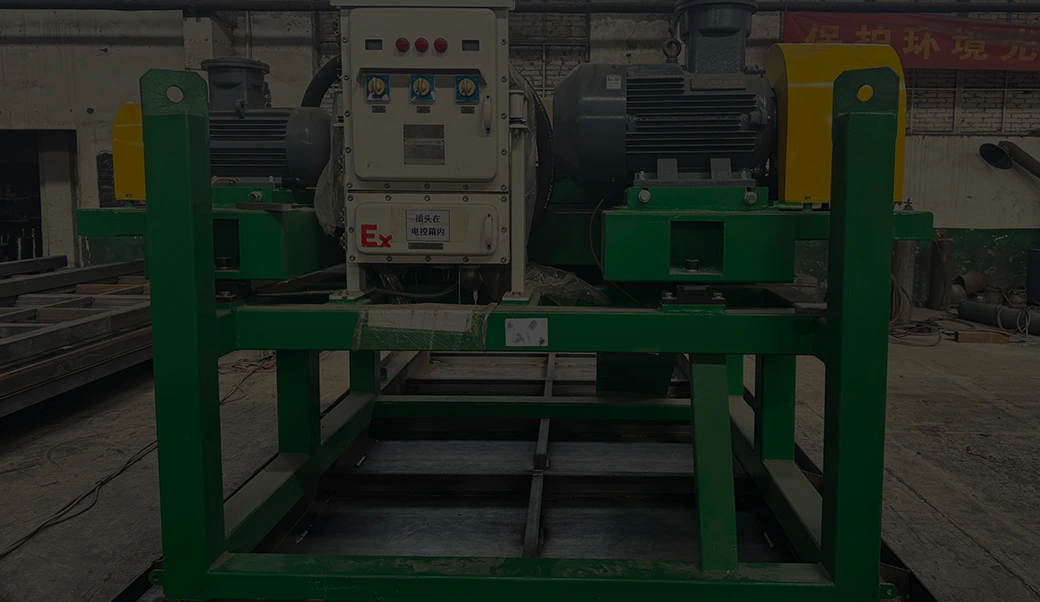
Today, gas-cut drilling mud is one of the biggest problems when it comes to safety and performance in drilling. In order to remove entrained gases like methane, hydrogen sulphide, and carbon dioxide from drilling fluids while maintaining a controlled negative pressure, a Vacuum Degasser is a specialised solids control device. By making a vacuum, the equipment lets gases quickly expand and separate according to basic gas laws. This restores the density and rheological stability of the mud. This technology directly addresses blowout risks, pump cavitation, and lower volumetric efficiency. It keeps the wellbore stable and keeps expensive equipment downstream from having to deal with operational disruptions in the oil, gas, geothermal, and directional drilling sectors.
Understanding Vacuum Degassing in Drilling Operations
When drilling fluids move through underground rocks, they often come across gas pockets that either dissolve or get mixed in as tiny bubbles. When these gases stay in the mud, they mess up calculations for mud weight, lower hydrostatic pressure, and create dangerous conditions that put crew safety and project timelines at risk. When working with high-pressure gas kicks or thick polymer-based fluids, traditional atmospheric degassers don't work well because they rely on gravity settling and limited stirring.
The Critical Role of Gas Removal in Drilling Fluid Management
When gas gets in, it changes the basic properties that drilling engineers depend on. It only takes 5% petrol to lower the effective density of mud by 0.3 pounds per gallon. This makes it harder to contain the formation and makes kicks worse. In addition to changing the density, gas bubbles also mess up the performance of centrifugal pumps by causing cavitation, which hurts the impellers and makes flow rates unpredictable. Degassing equipment is no longer just nice-to-have; it's a necessary infrastructure. This is especially true abroad, where rules about protecting the environment require zero-discharge procedures and efficient fluid recycling.
How Vacuum Systems Outperform Conventional Methods
Boyle's Law says that as pressure drops, gas volume increases by the same amount. Vacuum-assisted degassing uses this law to push dissolved gases out of solution and combine small bubbles into bigger pockets that can be released. A negative pressure of between -0.02MPa and -0.04MPa is always present inside a protected room of the ZC series Vacuum Degasser. Through centrifugal spraying, incoming gas-cut mud is spread out over a large internal surface area. This creates thin films that make gas release more efficient. This method achieves degassing ratios higher than 95%, compared to 60–70% for atmospheric alternatives. It can also handle processing capacities between 240 and 360 cubic meters per hour without needing longer retention times that would make the system bigger.
Technical Benefits That Drive Operational Value
Vacuum degassing done right leads to improvements that can be seen in a number of performance indicators. Restoring the density of the mud makes it possible to accurately find kicks by watching the pit volume. Getting rid of micro-bubbles raises pump efficiency by 15 to 20 percent, which cuts down on fuel use and wear. When things are stable, equipment needs less unplanned maintenance, which has a direct effect on the project's costs because it means less time spent not working. When digging through lower gas zones or changing between formation pressures, where traditional methods have trouble keeping fluid integrity, this technology comes in very handy.
Types of Vacuum Degassers and Their Applications
Several different types of Vacuum Degassers are used in the drilling business. Each type is best for a certain set of operations and fluid properties. Knowing about different design variations helps procurement teams match the capabilities of equipment to the needs of the field.
Tank-Mounted and Integrated Systems
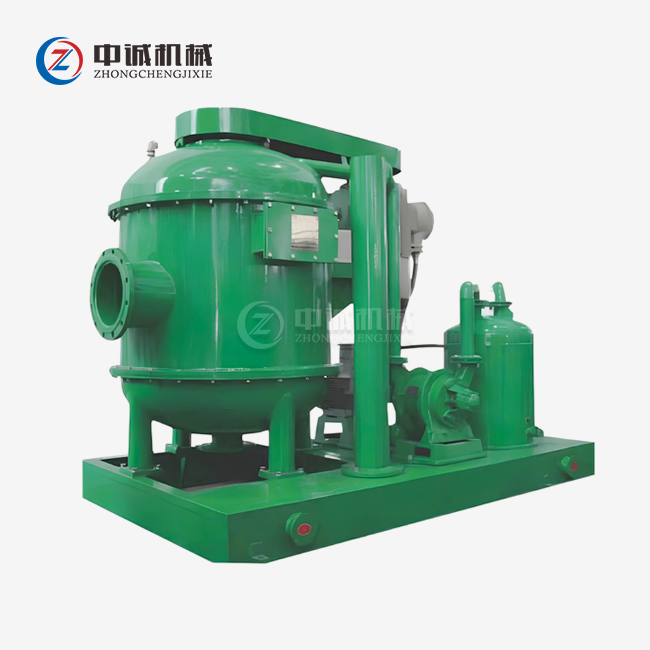
Most drilling activities that happen on land use Vacuum Degassers that are placed on the first mud tank after the shale shakers. These units can be set up vertically or horizontally and have built-in vacuum pumps, which are usually water-ring or liquid-ring types. They don't need an outside air source. The ZC line has a small, vertical structure that takes up very little deck room and works well with systems that recycle mud. This design makes it easy to add new features to existing rig layouts without making major structural changes. Through flanged inlets, the units connect directly to the active circulation system and process the return flow before it gets to the centrifugal pumps or desanders, which is where the dirty mud is.
High-Capacity Models for Offshore and Deep Wells
Offshore bases and drilling projects with a lot of holes need degassers that can handle surge flows during operations like connecting or tripping. High-capacity models have two vacuum tanks or better pump setups that keep working even when demand is high. ATEX or IECEx-certified explosion-proof motors are often part of these systems, which meet safety rules in dangerous area classifications. Internal coats that don't rust and materials that meet NACE MR0175 standards make things last longer in sour gas settings with hydrogen sulphide, which would quickly break down standard carbon steel construction.
Comparing Alternative Degassing Technologies
Even though vacuum systems are the most common way to drill, understanding the technologies that are close by makes the choice process easier. Atmospheric degassers in the style of gas-busters separate gases by using baffles and gravity to settle, but they are only good for introducing small amounts of gas. For lab-scale uses, membrane degassers use semi-permeable barriers, but they don't have enough flow for industrial drills. Ultrasonic degassing is still just an idea for some fluids. As a result of its high output, proven dependability, and ability to work well with a wide range of mud weights and viscosities, the vacuum method has become the standard for treating gas-cut mud.
How to Choose the Right Vacuum Degasser for Drilling Operations
To choose the right Vacuum Degasser equipment, you have to weigh the technical requirements against the limitations of your operations and your budget. Systematic evaluation systems that match the skills of equipment with the needs of the field are helpful for procurement managers.
Essential Selection Criteria
The main criterion is processing capacity, which is based on the output of the circulating pump and the estimated rate of gas entry. Standard drilling operations with flow rates of 1,200 to 1,500 gallons per minute need degassers that can handle at least 240 to 300 m³ per hour. Models with a 360 m³/h capacity are needed for deeper wells or plans with more work. Consistency in vacuum degree is just as important as peak capacity—equipment must keep up enough negative pressure to run continuously without changing too often. When using oil-based or synthetic drilling fluids, temperature ranges, solids content tolerance, and chemical resistance are some things to think about when it comes to fluid compatibility. There are limitations on where you can install it based on the size of the deck, the voltage, phase, and frequency of the power supply, and where you can integrate it into existing solids control sequences.
Cost Considerations and Manufacturer Comparison
Industrial Vacuum Degassers are big investments that cost a lot of money. The total cost of ownership includes more than just the purchase price. It also includes the cost of installation, the cost of extra parts, the cost of energy, and the cost of upkeep labour. To keep lifetime costs as low as possible, it's important to look at the manufacturer's image and service infrastructure. Established providers offer expert support, thorough technical documents, and quick supply lines for spare parts that keep you from having to deal with extended downtime. The ZC series is competitive because it has direct manufacturer pricing and full support, such as customisation services, faster delivery (3 days for stock units and 15 days for configured orders), and a one-year warranty backed by ISO 9001/14001/45001 certification.
Maintenance Requirements and Troubleshooting Insights
Preventative maintenance procedures focusing on seal water quality and vacuum pump condition are essential for reliable Vacuum Degasser operation. Water-ring pumps need clean seal water at certain flow rates to keep the sealing working well and keep the impeller from growing. Checking for leaks around gaskets and shaft seals, making sure vacuum levels are correct, and making sure motor amp draw stays within nameplate ratings should all be done once a month. Problems with performance are often caused by vacuum leaks (often at inspection ports or drain connections), not enough water pressure at the seal, or the wrong amount of mud at the degasser inlet. By setting baseline performance metrics during commissioning, operators can find signs of degradation before they become complete failures.
Vacuum Degasser Installation, Operation, and Safety Guidelines
Whether the vacuum degasser equipment works as expected or becomes a maintenance headache depends on how well it is set up. Structured installation and operation procedures protect both the tools and the people who work with them.
Site Preparation and System Integration Steps
The first step in Vacuum Degasser installation is to make sure the structure is strong enough to hold the weight of the equipment (usually between 800 and 1500 kg for normal units) and the loads of the working fluid. The unit should go on the first mud tank after the shale shaker, where it can receive return flow and stay high enough for gravity discharge. To handle shaking, pipe connections need flexible hoses or expansion joints. Suction lines should keep their downward slopes and avoid turns as much as possible to avoid gas pockets. The electrical lines must match the motor's requirements and have the right motor starters and overload safety. To make sure they always work, vacuum pump seal water systems need their own supply lines with pressure controllers and flow meters. Before adding drilling mud, commissioning steps include checking for leaks in the vacuum chamber, making sure the pump is turning in the right direction, and calibrating the vacuum gauges.
Best Practices for Daily Operation and Monitoring
Making sure there is a source of seal water before turning on the vacuum pump is the first step to proper operation. Operators should compare the numbers on the vacuum gauge to the equipment's specs and keep track of any changes in pressure that could mean there are leaks or the pump is wearing out. The consistency of the degassed mud output shows how well it's working; foaming or gas bubbles at the outlet indicate that the vacuum level isn't high enough or that the input flow rates are too high. As part of regular maintenance, check that the motor's temperatures stay within normal ranges, listen for strange pump sounds that could mean cavitation or bearing issues, and make sure the drain valves close properly. Keeping operation logs that keep track of vacuum levels, seal water use, and motor current can help you find performance trends that can help you plan maintenance.
Safety Protocols for Vacuum Systems and Gas Handling
Getting rid of gas has inherent risks that need strict safety measures. The vacuum pump's vent lines must take gases to safe places where they can spread out, away from people's work areas and sources of fire. Vent stacks need to be at the right height and have monitoring equipment to find dangerous levels of hydrogen sulphide in sour gas environments. According to API RP 500 or similar standards, electrical equipment that can't catch fire is required in classified hazardous areas. People who work near degassers should know how to shut them down in an emergency and be able to spot the signs of gas exposure. Maintenance tasks must follow lockout/tagout rules, which make sure the unit is shut down, depressurised, and cleared before it can be opened for inspection. These safety measures are in line with HSE guidelines and the rules that most places have for drilling activities.
Procurement and Supplier Insights for Vacuum Degassers
Strategic sourcing decisions include more than just the specs of the Vacuum Degasser. They also include the capabilities, service infrastructure, and potential for a long-term partnership of the supplier. Informed buying protects business consistency and makes the best use of capital.
Direct Manufacturers Versus Distribution Channels
Drilling contractors and service companies can get a lot of benefits from buying directly from makers. With direct relationships, you don't have to pay markups to distributors, which usually cuts the cost of acquisition by 15–25% and gives you access to engineering teams for any customisation needs. Manufacturers can change the sizes, choose specific motor names (like Siemens, ABB, or similar), and change the plans to fit different rig layouts or environmental conditions. Direct procurement also speeds up the process of getting spare parts and expert help because there are no middlemen to slow down communication. But well-known wholesalers are helpful because they have local stock, service networks in the area, and can buy more at once when putting together full solids control packages from several makers.
Evaluating Supplier Credentials and Market Reputation
When evaluating potential suppliers, you need to look at more than just marketing materials to see how trustworthy they are. ISO 9001 certification shows that quality management systems are well-established. ISO 14001 and ISO 45001 certifications show that commitments to environmental responsibility and worker safety are becoming more important to corporate procurement policies. Third-party approvals from Bureau Veritas (BV), TÜV, or other similar inspection bodies make sure that the manufacturing process is legal and that the product meets all safety standards. Experience in the field is very important. Suppliers who have been in the gas equipment business for 30 years or more have shown that they can last and have gained a lot of technical Knowledge. Proprietary patents allow signal engineers to be creative and set themselves apart from generic manufacturers. Reference setups and customer reviews from well-known drilling companies can show that the work was done correctly in a way that specification sheets alone can't.
After-Sales Service and Warranty Considerations
After-sales help that responds quickly to operating problems is what makes equipment reliable in the end. In order for service agreements to be complete, they should include warranty terms for both parts and labour, reaction times for technical questions, and promises about when extra parts will be available. The basic one-year warranty that covers problems with the way the product was made is good protection, but options for longer warranties and preventative maintenance contracts can help lower risks even more for important operations. Suppliers should give local technicians thorough operation manuals, maintenance schedules, and troubleshooting guides that let them fix common problems without having to call the factory. Installation help and commissioning services make sure that the system is set up correctly at the start, and training programs teach customer maintenance teams what they need to know. These aspects of service often make sellers stand out more than small differences in specifications. This is especially true for foreign projects where logistical issues make support value even higher.
Conclusion
Vacuum Degasser technology is an important part of modern drilling fluid management systems because it gets rid of the safety risks and efficiency problems that gas-filled mud causes. Procurement teams can find solutions that fit their drilling environments and operational needs by learning about operational principles, comparing different types of equipment, and using structured selection criteria. Following the manufacturer's instructions for proper installation, along with controlled operation and upkeep, will make sure that the equipment works as expected for a long time. Strategically choosing suppliers based on their technical skills, certifications, and full support networks helps ensure long-term operations and lowers the overall cost of ownership for all drilling projects.
FAQ
What factors most affect vacuum degasser service life?
Service life is mostly determined by the quality of the internal parts and how harsh the working area is. If you keep the seal water quality high and limit the exposure to corrosive gases, water-ring vacuum pumps can usually last between 15,000 and 20,000 hours before they need to be completely reconditioned. Vessels built with the right corrosion-resistant finishes can last longer than 10 years in H2S settings as long as they are inspected regularly and their gaskets are replaced. Whether equipment meets or exceeds its design life expectations before it needs to be replaced is ultimately determined by operational factors such as duty cycle intensity, consistent maintenance, and following the manufacturer's instructions for the Vacuum Degasser.
How does vacuum degassing improve overall drilling efficiency?
Getting rid of gas efficiently improves the efficiency of many parts of drilling activities. For correct hydraulic calculations and kick detection, restored mud density is needed. This cuts down on the time that cannot be used for work that is caused by well control events. By getting rid of petrol bubbles before centrifugal pumps, volumetric efficiency can be raised by 15 to 20 percent. This saves fuel and lowers the rate of wear. Consistent fluid properties make it easier to evaluate the formation and control its direction, which allows for faster penetration rates. All of these benefits cut the time needed to drill a well by 5 to 8 percent on average. This saves a lot of money on multi-well projects and makes them safer.
Can vacuum degassers handle high-solids-content drilling fluids effectively?
As long as bigger cutting pieces are removed by shale shakers upstream, modern Vacuum Degassers work well with a wide range of solids concentrations. The ZC series can handle mud levels ranging from 8 to 20 pounds per gallon without any performance issues. It can also handle fluids with 4 to 6 percent colloidal solids, which is common for weighted mud systems. For high-viscosity fluids to form a thin film inside the vacuum chamber correctly, the input distribution systems need to be carefully thought out. Viscosity resistance can be overcome by equipment with high-speed centrifugal spraying mechanisms. This keeps gas liberation working well, which gravitational methods can't do in the same situations.
Ready to Enhance Your Drilling Fluid Management?
Since starting business near Xi'an, Shaanxi Xixian New Area Zhongcheng Machinery Manufacturing Co., Ltd. has focused on making equipment for controlling petroleum solids. They have 30 years of technical experience and are ISO-certified to make sure their products are of high quality. For oil, gas, and geothermal drilling jobs in North America and other countries, our ZC series Vacuum Degassers have been shown to remove gases more efficiently than 95% of the time. As a direct maker of Vacuum Degassers, we can offer you reasonable prices, quick delivery times, and a wide range of customisation choices that will fit your unique rig setups and working needs. Our engineering team is ready to talk with you about your problems with managing drilling fluid, give you detailed technical specs, and come up with custom solutions that come with full warranties and support after the sale. You can email our technical experts at oliver@zcgukong.com to ask for performance data, application advice, or project-specific quotes that meet your buying needs.
References
1. American Petroleum Institute. Recommended Practice for Drilling Fluids Processing Systems Evaluation. API RP 13C, 7th Edition, 2021.
2. Caenn, R., Darley, H.C.H., and Gray, G.R. Composition and Properties of Drilling and Completion Fluids. 7th Edition. Gulf Professional Publishing, 2017.
3. Mitchell, R.F. and Miska, S.Z. Fundamentals of Drilling Engineering. Society of Petroleum Engineers Textbook Series, 2011.
4. Bourgoyne, A.T., Millheim, K.K., Chenevert, M.E., and Young, F.S. Applied Drilling Engineering. Society of Petroleum Engineers, 2nd Edition, 1991.
5. Lyons, W.C., Plisga, G.J., and Lorenz, M.D. Standard Handbook of Petroleum and Natural Gas Engineering. 3rd Edition. Gulf Professional Publishing, 2015.
6. Ma, T., Chen, P., and Zhao, J. Drilling Fluid Technology: Performances and Environmental Considerations. Advances in Petroleum Exploration and Development Series, Vol. 12, 2020.