On active drilling sites, safe gas disposal is not optional — it is a regulatory and operational necessity. The Electronic Flare Ignition Device - Vertical addresses this directly by providing reliable, remotely controlled ignition of waste gas discharged from mud gas separators. Unlike traditional pilot-flame methods, this device uses high-energy electronic spark technology to ignite flare stacks instantly, even in adverse weather. With torch diameters of 150mm and 200mm, and heights of 2.5m and 3m, it fits both offshore platforms and compact land rig environments where space and safety margins are tight.
Understanding Vertical Electronic Flare Ignition Devices
What This Device Actually Does?
In a drilling fluid transfer system, this part works right next to the mud gas splitter, also called a mud degasser. The vertical ignition unit lights the waste gas on fire as soon as the separation lets it out. This keeps dangerous gas clouds from forming near the ground. It works with a high-frequency electronic spark module that sends out ignition energy in less than one second, which is very important in case of an unexpected blowout.
Core Components and Design Logic
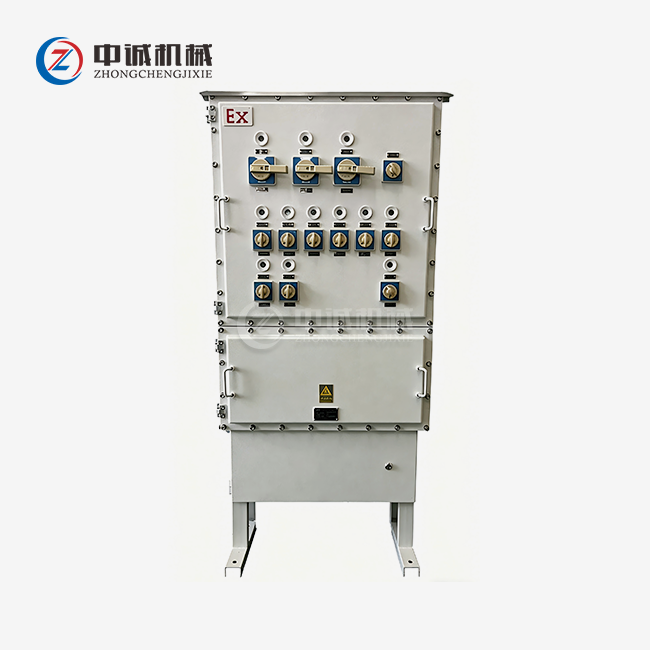
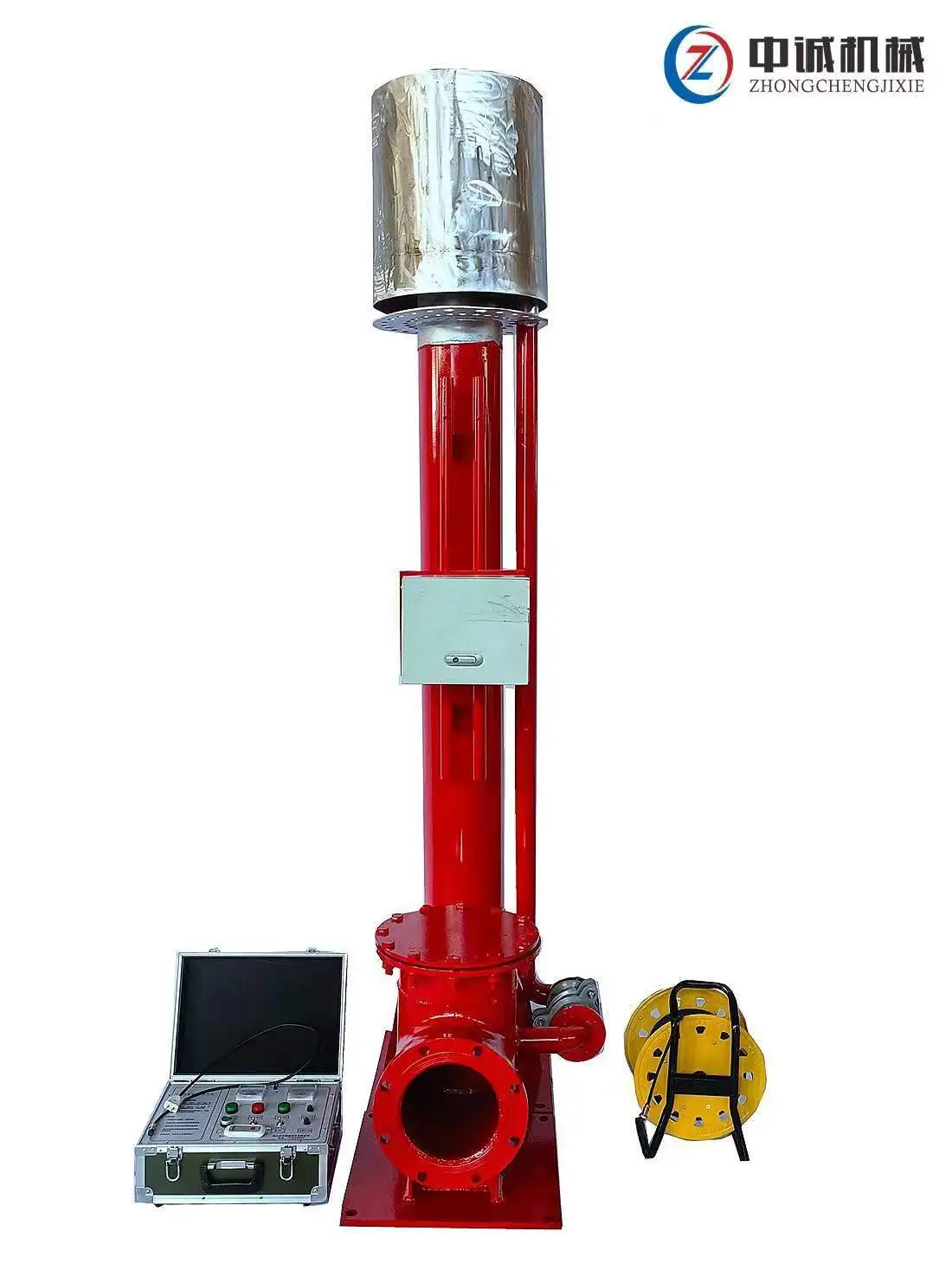
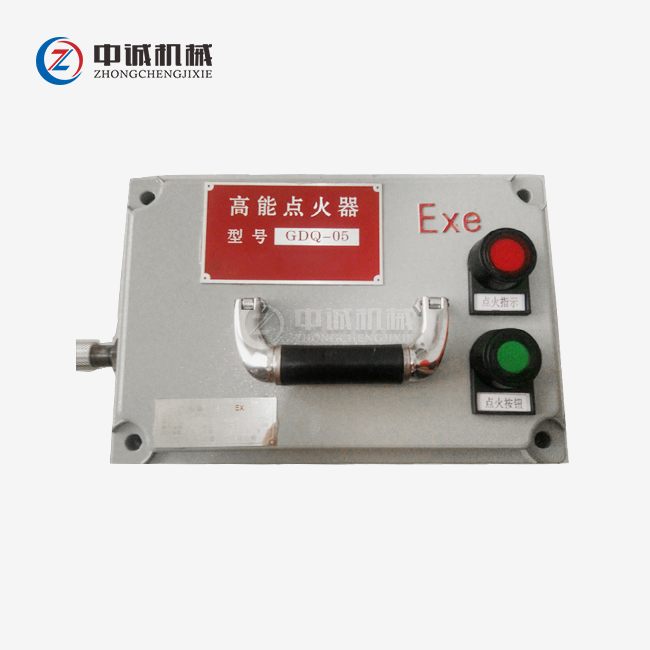
The unit has an electrical control box, a spark electrode assembly, a windproof and flame-stabilizing cover made of stainless steel, and a vertical mounting pole. The controller is set up at a comfortable height for workers so they can read instrument readings like voltage and signal strength without having to climb. The electrode head is raised, away from mud and other trash on the ground. This makes it much less likely that the electrode will fail because of contamination in the field.
Safety Standards and Electrical Protection
It is guaranteed that every unit has an electrical safety grade of at least IP55. ZHONGCHENGJIXIE's versions also meet ISO 9001/14001/45001, HSE Standards, and are approved by TÜV and BV. The vertical structure, which is held in place by anchor bolts or a heavy base, can withstand strong side winds and shocks caused by fast blowout airflow, which is a known danger on land rigs.
Benefits and Practical Applications
Why Vertical Orientation Matters in the Field
Because the layout is upright, the ignition head is 2–5 meters above the ground. This keeps the active flame away from ground cables, pipe manifolds, and people working on the site. This separation alone makes it much less likely that there will be secondary ground fires. The cylindrical windproof cover made of stainless steel on top forms a stable airflow zone around the electrode. This way, even when there is a lot of wind, the arc stays the same, and there is what field engineers call "instant ignition."
Here are the core performance advantages of this device:
- Thermal convection support: The Electronic Flare Ignition Device - Vertical design takes advantage of the upward movement of hot air to thoroughly mix flammable gas and combustion air close to the ignition head. This makes the deflagration more effective when the spark goes off.
- Dual ignition modes: Both remote and manual ignition are built in, so operators can be flexible during planned operations and emergency situations without having to change how the system is set up.
- Small footprint: The upward vertical plan takes up very little ground space, which makes it perfect for places with limited space, like mountainous areas, drilling at the edges of forests, or floating platform decks.
These benefits directly fix two of the most common problems at drilling sites: flame sources that are low to the ground can cause fires, and sparks can go out in bad weather.
Proven Application Environments
A lot of people use this tool on shale gas research zones, offshore drilling platforms, small land rig sites, and geothermal drilling projects. It's also used to treat waste gases in coalbed methane and natural gas field operations that need reliable burning that doesn't need to be watched all the time to meet EPA and HSE emission standards.
Vertical vs. Horizontal Flare Ignition Devices — A Practical Comparison
Structural Differences That Affect Performance
Most horizontal flare ignition units are set up at a fixed angle to the side. This works well in flat, open areas with steady wind patterns. But horizontal units are more likely to cause flame spread and lateral arc drift on drilling sites with uncertain blowout airflow or a small area. This is avoided by the vertical tower design, which directs gas and wind upwards. This lets burning happen in a controlled column above the work area.
Installation and Maintenance Comparison
When there isn't much room for horizontal movement, vertical units are usually faster to set up. Because the brackets are flexible, the controller can stay at a height that is easy to reach from the ground while the electrode assembly sits higher. Without taking apart the whole tower, maintenance crews can check and replace electrode parts. In some horizontal designs, getting to the electrodes requires taking off the whole bracket.
Cost and Value Consideration for Bulk Procurement
Drilling contractors who are in charge of multiple rigs at once can save money over the life of a project by using the vertical unit because it needs less maintenance and is less likely to pollute the environment. Purchasing managers looking at Electronic Flare Ignition Device - Vertical suppliers should think about how long it will last (usually two to five years in normal conditions), how easy it is to get replacement parts, and whether the manufacturer includes engineering drawings and installation instructions with the package.
Procurement Guide for Vertical Flare Ignition Devices
What to Verify Before Ordering?
Purchasing departments should make sure that any company that sells Electronic Flare Ignition Device - Vertical devices has official third-party certifications, like TÜV, BV, ISO 9001, and HSE compliance paperwork. The level of electrical safety should be at least IP55. The torch's diameter choices (150mm or 200mm) and height options (2.5m or 3m) must match the outlet measurements of the current mud gas separator and the limitations of the site plan.
Packaging and Logistics Standards
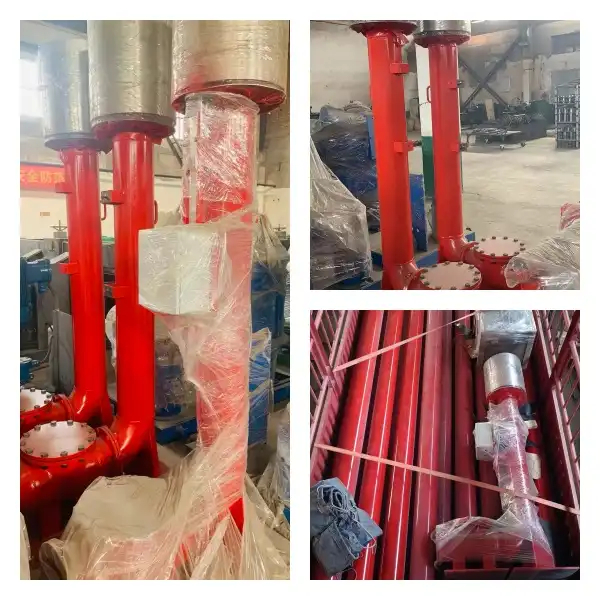
If you package your electrodes and housings correctly, they won't get damaged during foreign freight. ZHONGCHENGJIXIE sends items that are wrapped in plastic film, put over waterproof tarps, and held together with straps. Based on the needs of the order, pallets or wooden crates can be provided. For jobs that need to be done quickly, basic units that are in stock ship within three days, and custom versions are made and sent within fifteen days.
After-Sales Support Structure
A full guarantee that lasts for one year covers both problems with the product's construction and its performance. In addition to the warranty, ZHONGCHENGJIXIE offers installation help, support during commissioning, operation and maintenance manuals, and ongoing technical training. Full engineering paperwork, such as flowcharts and component diagrams, is sent as standard to foreign buyers who work with EPC contractors or regional wholesalers.
Future Outlook in Flare Ignition Technology
Integration with Real-Time Monitoring
In the next step in developing flare ignition technology, ignition control systems will be linked to SCADA platforms. This will allow tracking of the flame state in real time from a central control room. This gets rid of the need for physical check rounds in dangerous places and lets operations managers know about ignition failures sooner.
Tightening Emission Regulations
The U.S. EPA is making it harder for methane emissions to happen because of the Clean Air Act. Operators who don't have solid flare ignition systems are taking on more and more legal risk. The EPA's 2023 Oil and Natural Gas Sector Climate Review says that burning emissions of methane should still be cut as soon as possible. It is no longer a nice-to-have to have vertical electrical igniters with sub-second lighting response times. They are now required.
Demand Growth in Offshore and Shale Applications
The demand for flare lighting equipment that doesn't take up much room and can withstand bad weather is rising because of rising shale gas production around the world and more offshore drilling in the Gulf of Mexico. In both places, vertical models are better because they have a small deck footprint and can handle high humidity and salt spray.
Conclusion
The dependability of gas removal on drilling sites relies on the ignition equipment that is there. The Electronic Flare Ignition Device - Vertical solves the real technical and safety problems that field workers have, like airflow problems, the risk of fire at ground level, bad weather, and limited installation space. This device is reliable for oilfield operators, EPC contractors, and service companies handling busy drilling projects because it has two ignition modes, IP55 protection, is made of stainless steel, and meets all certification requirements. When you choose a direct manufacturer with proven engineering paperwork and quick after-sales help, you protect both your staff and your project's schedule.
FAQ
Can a vertical flare ignition device replace a horizontal unit on an existing rig?
Most of the time, yes. A vertical unit can be used instead of the mud gas splitter if the outlet sizes match the torch diameter choices (150mm or 200mm). It is important to double-check the site layout and clearance height before placing an order.
What certifications should I verify before purchasing?
Check that the product has at least an IP55 grade for electrical safety, HSE compliance, TÜV and BV approval, and ISO 9001, 14001, or 45001 certification. These prove that both quality control and job safety are appropriate.
How often do ignition electrodes need replacement?
High-quality wires last between 2 and 5 years when used normally. How often they need to be replaced depends on how corrosive the gas is and how hard the operational cycle is.
Does the device work during heavy rain or strong wind?
Yes. The IP55-rated housing and windproof cover made of stainless steel keep the spark and flame stable in rain, high humidity, and high winds that are common at coastal and hilly drilling sites.
What support is provided after purchase?
All of ZHONGCHENGJIXIE's buyers get a one-year warranty that covers everything, as well as installation help, commissioning support, operation instructions, and professional training.
Request a Quote from ZHONGCHENGJIXIE — Trusted Electronic Flare Ignition Device - Vertical Manufacturer
Electronic Flare Ignition Device - Vertical is made and sold by ZHONGCHENGJIXIE. It comes with full approval compliance, two burning modes, and engineering documents. We help buying teams, drilling contractors, and EPC developers around the world with our 30+ years of experience in the field and units that are ready to ship in three days. You can email our technical team at oliver@zcgukong.com or go to zcsolidscontrol.com to get specifications, drawings, or a quote for your specific project right away.
References
1. U.S. Environmental Protection Agency. Oil and Natural Gas Sector Climate Review: Methane Emission Reduction Targets. EPA, 2023.
2. Society of Petroleum Engineers. Flare Gas Recovery and Ignition Systems in Oilfield Operations. SPE Journal, 2021.
3. American Petroleum Institute. API RP 521: Pressure-Relieving and Depressuring Systems. API Standards, 2021.
4. International Association of Oil & Gas Producers. Flaring and Venting Reduction Guidance. IOGP Report No. 628, 2022.
5. National Fire Protection Association. NFPA 85: Boiler and Combustion Systems Hazards Code. NFPA, 2023.
6. Oil & Gas Journal. Electronic Ignition Advances in Upstream Flare Management. PennWell Publishing, 2022.
.webp)