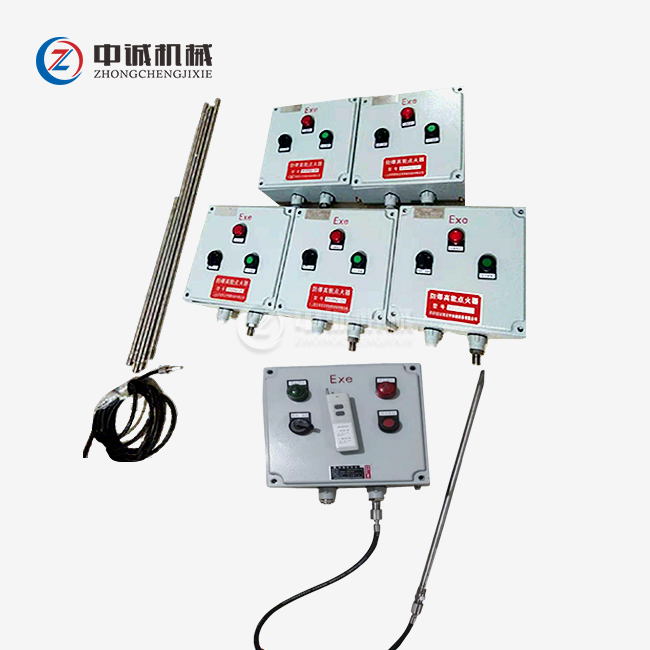
The Electronic Flare Ignition Device - Vertical directly improves gas handling performance during drilling by providing instant, reliable ignition of waste gases discharged from mud gas separators (degassers). Unlike conventional manual ignition methods, the vertical flare ignition unit positions the ignition head 2 to 5 meters above ground, keeping combustion away from surface-level equipment and personnel. Its vertical layout uses thermal convection to mix combustible gas with air efficiently at the ignition point, achieving near-instant ignition response. This design reduces flare failures, limits unburned hydrocarbon release, and keeps drilling operations running within environmental compliance requirements.
Understanding Vertical Electronic Flare Ignition Devices
What Makes a Vertical Flare Igniter Different?
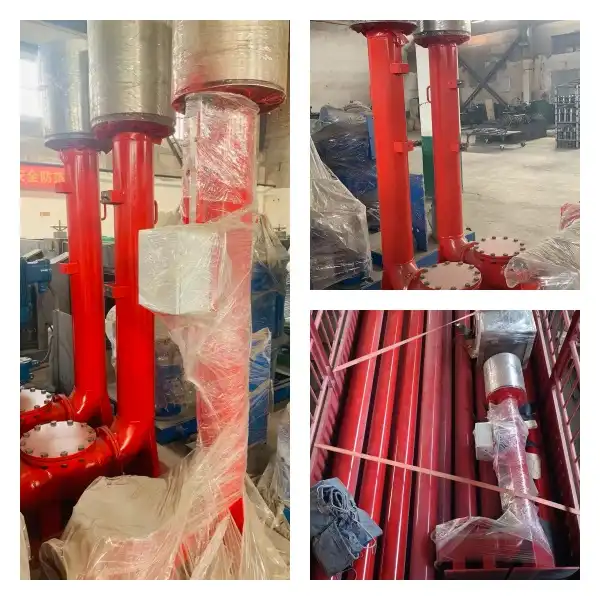
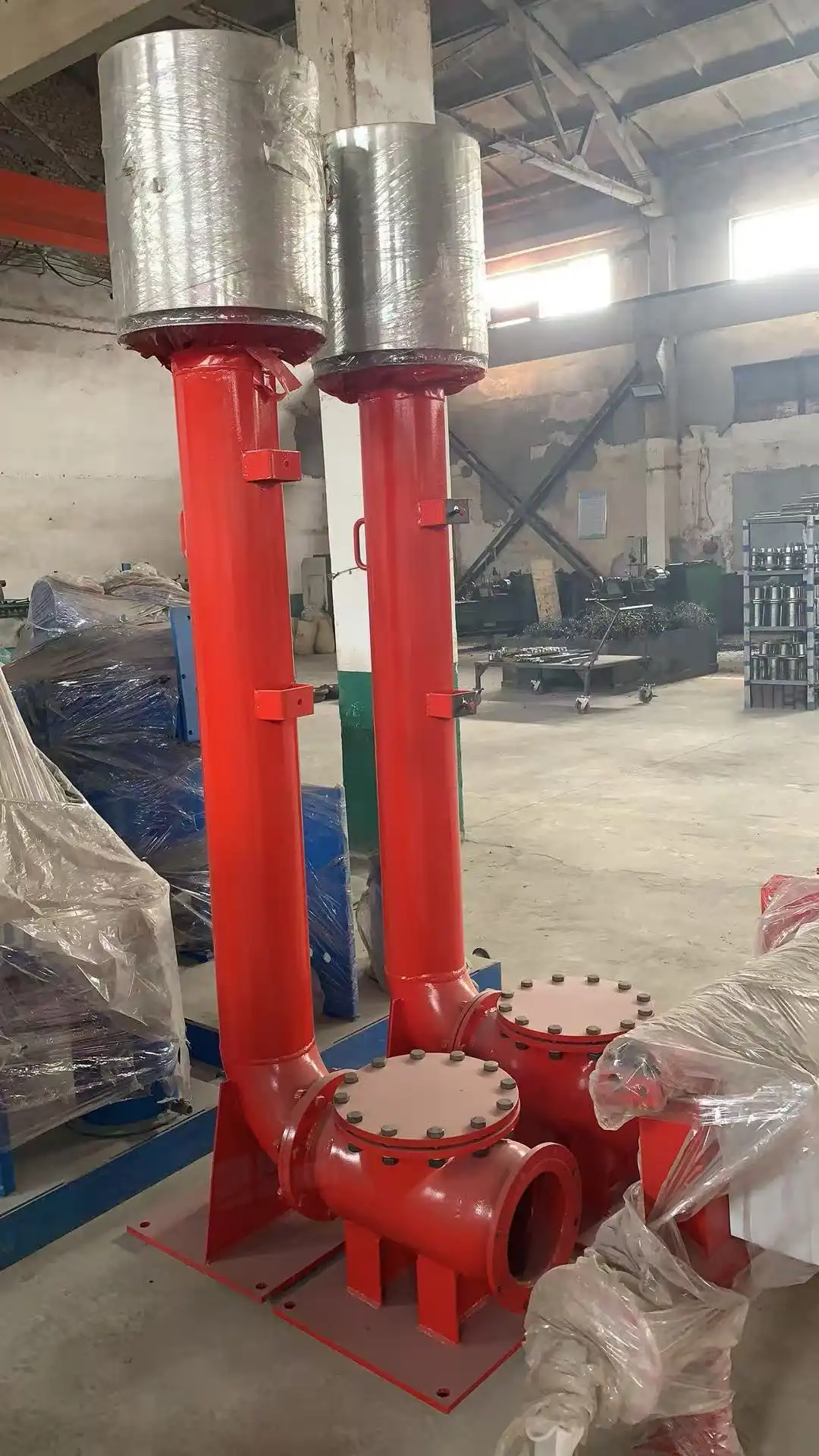
On drilling sites, the vertical flare ignition device is made to work with mud gas separators. When equipment is set up horizontally, it covers a larger area. The vertical unit, on the other hand, draws the torch upward, with torch heights of 2.5m and 3m and torch diameters of 150mm and 200mm. This makes it ideal for places with limited space, like offshore platforms, rigs on the edge of mountains, and well sites next to forests.
Core Design and Operating Features
The device has both remote and manual ignition modes built in. This design has two modes, so rig workers can use it in both normal situations and emergency situations. The torch tip's windproof and flame-stabilizing stainless steel cover keeps the electrodes safe from rain, dust, and corrosive gases. It also creates a stable combustion zone that keeps the spark arc in place even when there is a lot of wind.
Safety Standards and Electrical Protection
The unit is certified by ISO 9001, 14001, and 45001, and it also meets HSE standards and is approved by TÜV and BV. Electrical safety is rated at least IP55, which means it will work reliably even if dust or water jets get in. Before committing to a seller, procurement experts can see that they meet these standards thanks to these certificates.
Challenges in Gas Handling During Drilling and How Vertical Flare Ignitors Solve Them
Moving gas around while drilling is going on poses real practical risks. Hydrogen sulfide, methane, and other flammable gases that must be burned off right away are released by mud gas separators. When an ignition fails or is delayed, a dangerous vapor cloud forms near the ground.
Delayed Ignition and Flare Failures
Traditional pilot-flame systems need a steady supply of gas to keep the flame going, which leaves them open to damage when the pressure changes. The vertical electronic ignitor creates a high-frequency spark ignition that can start a fire within one second. This cuts down on the time it takes for dangerous gases to build up near the wellsite.
Wind and Shock Resistance Under Blowout Conditions
When drilling blowouts happen, wind can have a big effect. The Electronic Flare Ignition Device - Vertical tower, which is held in place by bolt bases or weighted supports- can withstand both side winds and shock waves from high-speed gas release. This structural stability keeps the equipment from falling apart when it's most important to have a reliable ignition, which protects both people and the infrastructure around the site.
Maintenance Complexity and Downtime Costs
When equipment breaks down at faraway digging sites, it costs a lot of money. The flexible design of the vertical unit puts the controller at a good working height, so workers can see voltage data and signal strength without having to stand. Mud splatter and material poisoning are two of the most common reasons why igniters fail. Because the electrode head is raised above ground, they happen much less often.
These design benefits work together to cut down on unplanned repairs and keep drilling activities going. According to operational reports from onshore China and Southeast Asia drilling projects compiled by oilfield service companies, operations that used to have ignition-related delays saw measurable drops in downtime after switching to vertical electronic systems.
Installation, Testing, and Maintenance of Vertical Electronic Flare Ignition Devices
Getting the device set up and tested properly from the start will decide how well it works over time. With every machine, ZHONGCHENGJIXIE provides full installation instructions, help with commissioning, and technical documents.
Installation Recommendations
Place the vertical torch on a stable, level surface using support bolts that are right for the dirt or platform deck conditions at the job site. Keep the minimum distance between surface wires, manifolds, and walkways for people. Standard configurations allow control panel cable runs to go up to 100 meters, which keeps the operator station away from the combustion zone and safe.
Routine Testing Procedures
Regular checks of the spark strength make sure that the output of ignition energy stays within the intended range. Ceramic-insulated electrode tips should be checked every so often for signs of rust or heat fatigue. When the gas composition is normal, high-quality ceramic electrode assemblies usually last between two and five years. The service intervals are changed depending on how corrosive the discharged gas stream is.
Maintenance Best Practices
After bad weather, the protective cover should be checked to make sure that the flame-stabilizing zone hasn't changed shape. Keep the control enclosure sealed to at least IP55 standards, and quickly replace any sealing gaskets that are worn out. ZHONGCHENGJIXIE backs up every unit with a full one-year warranty and keeps spare parts on hand to support long-term field operations.
Comparing Vertical Electronic Flare Ignition Devices With Other Solutions
The layout of the site, the rate of gas flow, and the amount of installation space available all affect the choice of flare ignition configuration. Procurement teams can make better choices when they know the differences between vertical and horizontal methods.
Vertical vs. Horizontal Ignition Configurations
Horizontal flare systems spread out their parts over a larger area of ground, which can work well in open, flat areas with large site sizes. But there isn't much room on the ground on ocean platforms, small land rigs, or places close to forests. The Electronic Flare Ignition Device - Vertical unit's upward plan keeps the size small and keeps the flame above ground-level dangers, which makes it the best choice for places with limited space.
Comparing Performance Factors
When comparing flare ignition options to other goods on the market, there are a few things that always stand out in procurement reviews:
- Ignition reliability: Vertical units with high-frequency spark systems and windproof covers outperform standard pilot-flame designs in variable wind conditions, making them the dependable choice for exposed drilling sites.
- Safety footprint: Raising the ignition source 2 to 5 meters above ground reduces exposure of surface infrastructure and personnel to direct flame contact, a measurable safety improvement supported by HSE field guidelines.
- Maintenance accessibility: The vertical modular controller layout reduces the time technicians spend on routine checks compared to equipment requiring elevated access or disassembly to reach control components.
These things directly lead to lower total running costs over the life of the machine. Teams that only look at the price of the equipment without thinking about how often it needs to be maintained or the chance of downtime often find that the extra money they spend on well-designed vertical igniters pays for itself in the first year of use.
Procurement Guidelines and Best Practices for B2B Clients
Evaluation Criteria for Procurement Teams
Procurement managers should look for a vertical flare ignition device supplier that has documented certifications (ISO, HSE, TÜV, BV), a history of field use that can be checked, and the ability of the manufacturer to provide engineering drawings and commissioning support along with the hardware.
Supplier Qualification and OEM Advantages
When you buy directly from a manufacturer with in-house engineering, the chance of specification mismatches is lower. OEM suppliers can change the torch's diameter, height, and control settings to fit certain rig models, like ZJ50, ZJ70, or offshore skid packages, without adding the lead time that third-party distributors usually do.
Why Partner with ZHONGCHENGJIXIE?
ZHONGCHENGJIXIE makes vertical flare firing devices as part of a full line of solid control and mud treatment products. The company's employees have more than 30 years of experience in the field. It takes three days to ship in-stock items, and fifteen days to finish special orders. Each unit is shipped in safe wrapping, like plastic film, a rainproof tarpaulin, and strapping. Pallets or wooden boxes can also be used, so they arrive at the job site ready to go.
Conclusion
The Electronic Flare Ignition Device - Vertical meets a specific and important need in managing drilling gas: it burns flammable gas safely, right away, and regularly in a range of field conditions, from normal to extreme. Its high starting position, wind-resistant structure, two ignition modes, and low-maintenance design make it a reliable tool for drilling workers that lowers the risk of accidents and downtime. If you are digging and using a mud gas separation, making sure you pair it with the right vertical igniter is a simple way to make the site safer, cleaner, and more efficient.
FAQ
What gases can a vertical flare ignition device handle?
The machine is made to burn the waste gases that come out of mud gas separation. These gases include methane, hydrogen sulfide, and mixed hydrocarbon vapors that are common in oil and gas drilling.
Can the device operate in heavy rain or extreme cold?
Yes. The electrical box and waterproof cover made of stainless steel (IP55 rating) protect the ignition system from dust, rain, and changes in temperature. Ceramic-insulated electrode tips keep the spark strong even when they're wet.
What is the typical electrode service life?
Good ceramic-insulated electrodes last between two and five years when used normally.
Is remote ignition standard on all units?
As standard, both remote and manual ignition modes are built in. This lets operators control the vehicle from a safe distance during normal and emergency operations.
Can ZHONGCHENGJIXIE customize specifications for specific rig types?
Yes, the width of the torch (150mm or 200mm), its height (2.5m or 3m), and its control settings can all be changed to fit different drilling rig types and site needs. For mechanical advice, email oliver@zcgukong.com.
Get Your Vertical Flare Ignition Device from ZHONGCHENGJIXIE
The Electronic Flare Ignition Device - Vertical is made by ZHONGCHENGJIXIE and comes with a one-year guarantee, full tech support, and ISO/HSE/TÜV/BV certifications. Our team is ready to help you whether you need a basic unit or a solution that is made just for your rig. To get specs, prices, and lead time information from a reliable Electronic Flare Ignition Device - Vertical provider, email us at oliver@zcgukong.com or go to zcsolidscontrol.com.
References
1. Society of Petroleum Engineers (SPE) — Well Control and Gas Handling Operations Manual, 2020.
2. American Petroleum Institute (API) — API RP 521: Guide for Pressure-Relieving and Depressuring Systems, 6th Edition, 2014.
3. Health and Safety Executive (HSE, UK) — Flare and Vent Systems on Offshore Installations, Offshore Information Sheet No. 2, 2018.
4. International Association of Oil & Gas Producers (IOGP) — Flare Management for Upstream Oil & Gas, Report No. 529, 2017.
5. National Fire Protection Association (NFPA) — NFPA 85: Boiler and Combustion Systems Hazards Code, 2019 Edition.
6. Journal of Petroleum Technology (JPT) — Electronic Ignition Systems in Oilfield Gas Flaring: Performance and Safety Review, Volume 72, Issue 4, 2021.