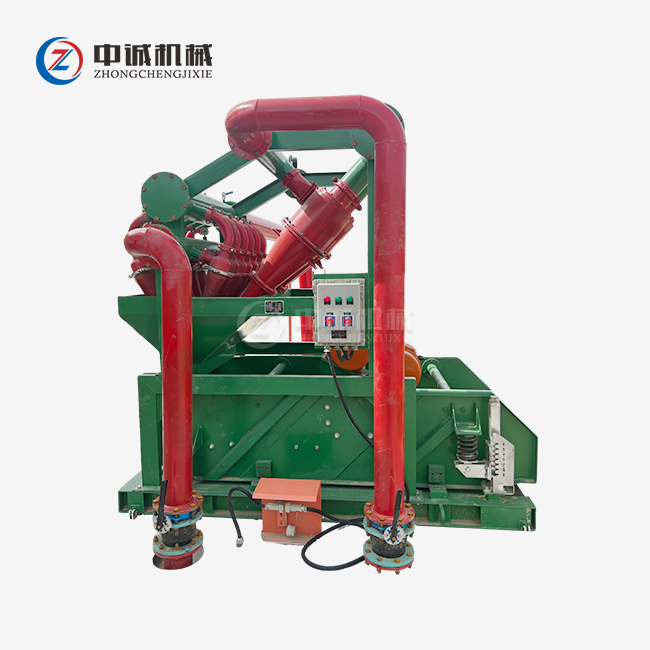
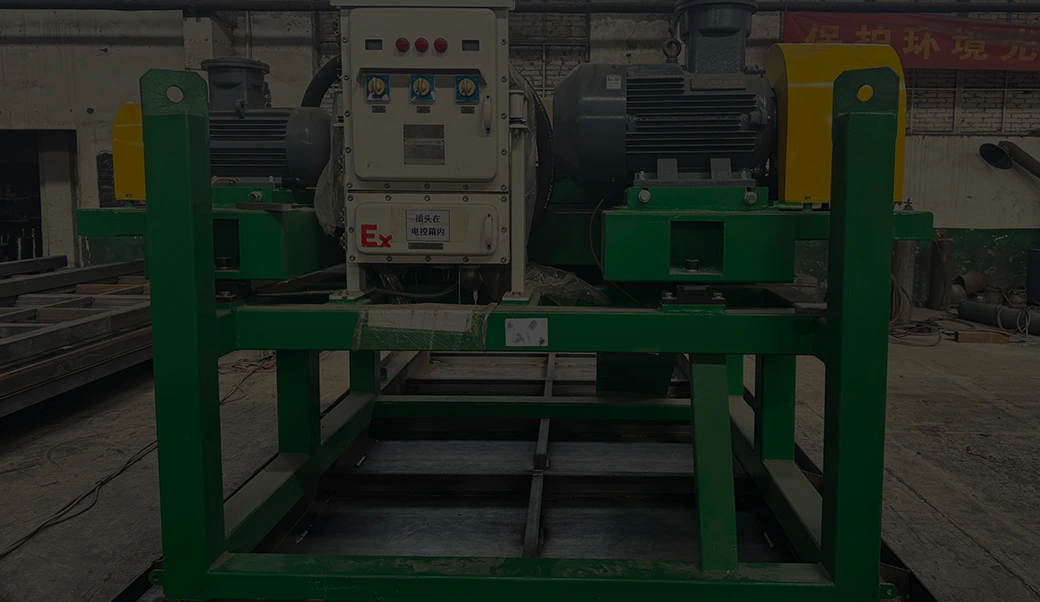
A desander serves as the second-stage solid control equipment in drilling fluid systems, positioned strategically after the shale shaker to remove medium-sized abrasive particles ranging from 44 to 74 microns. Its role is essential in protecting downstream equipment such as mud pumps, desilters, and centrifuges from accelerated wear caused by sand and similar particles that bypass primary screening. By maintaining optimal drilling fluid properties and reducing solids content, the desander directly contributes to improved drilling efficiency, extended equipment lifespan, and lower operational costs across oil and gas, geothermal, and horizontal directional drilling projects.
Understanding the Desander and Its Role in Solid Control Systems
The Solid-Liquid Separation Mechanism
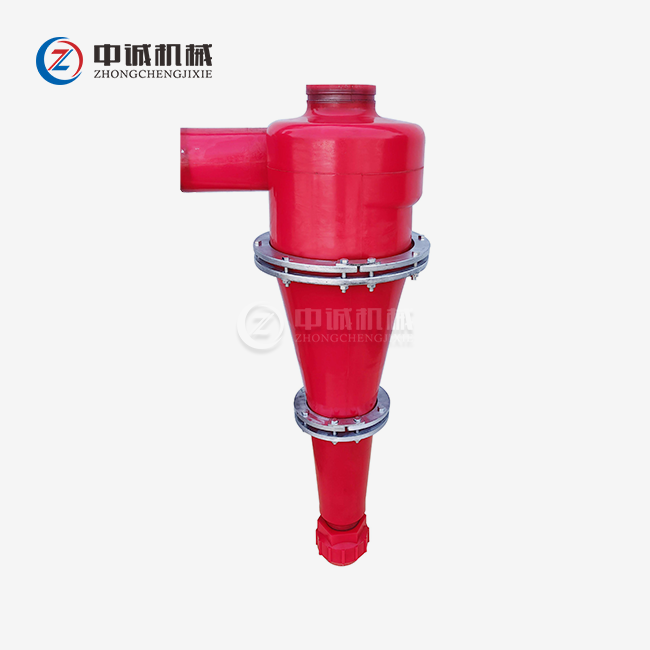
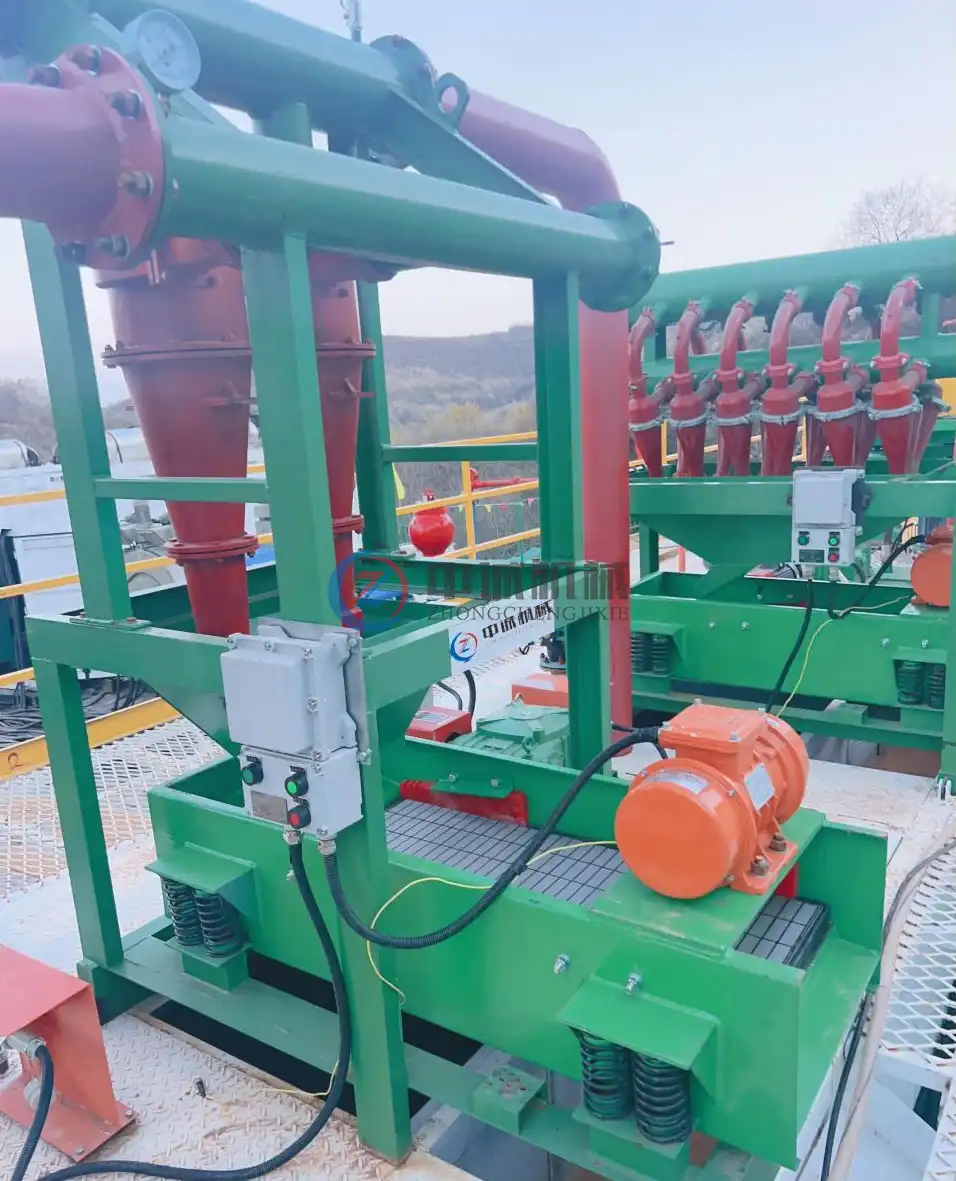
Hydrocyclone technology, which uses rotational force to sort solids from liquids, is at the heart of how a Desander works. When drilling fluid comes into the hydrocyclone cone perpendicularly and under pressure (usually 30 to 45 psi), it makes a fast-moving rotating vortex. It's known as a "spray" or "fan" pattern when heavier sand particles move outward to the cone wall and swirl downward toward the apex release. Lighter liquid and small particles create an upward swirl inside that goes out through the overflow vent and back into the active mud system.
Integration Within the Solid Control Workflow
As part of a complete solid control system, the Desander plays a key role in the middle. The shale shaker gets rid of cuttings and large solids bigger than 100 microns. The Desander then goes after solids between 44 and 74 microns that would otherwise build up in the drilling fluid. This step-by-step method for getting rid of solids makes sure that each piece of equipment works within its best separation range. This keeps the separation process efficient and stops any overloading. Desilters and centrifuges are pieces of downstream equipment that handle even smaller particles, up to 15 microns, while desilters handle colloidal solids. Together, they make a complete chain of purification that keeps the quality of the drilling fluid and controls its viscosity.
Hydrocyclone Design and Key Parameters
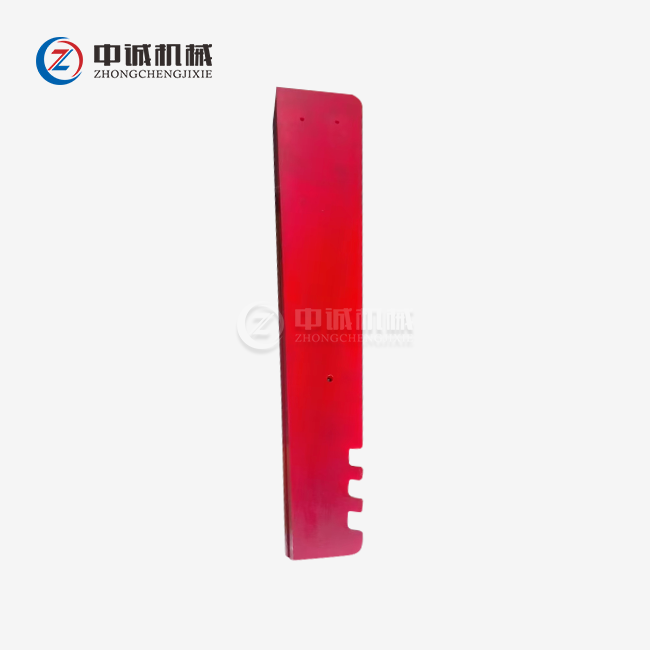
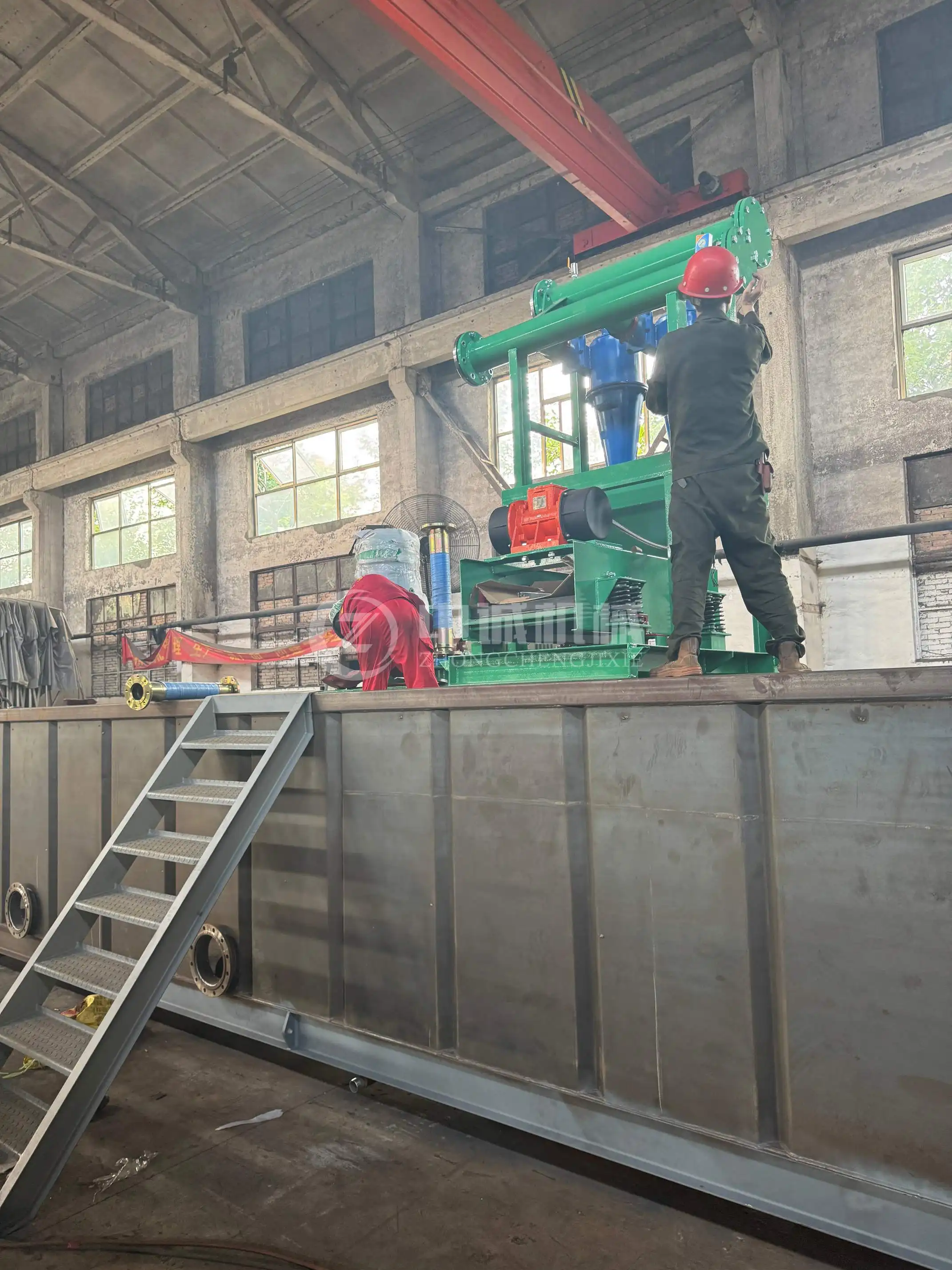
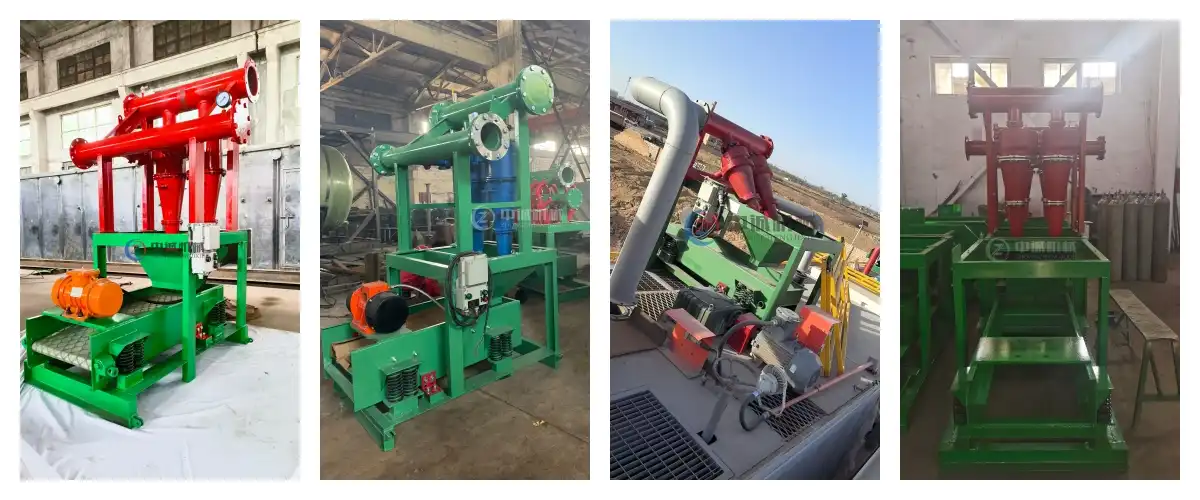
For the ZC series Desander, the hydrocyclone cones are made of high-wear-resistant polyurethane. This material was chosen because it is more durable and cheaper than ceramic options. The width of the cone has a direct effect on how well and how much it can separate. The equipment can handle flow rates of 60 to 240 cubic meters per hour, which means it can be used with drilling rigs ranging from ZJ30 to ZJ90. The clamp connection design makes installation and maintenance quick, which cuts down on downtime when changing cones or rearranging the system. Operating conditions need to be closely watched because too little feed pressure can lead to "roping," which happens when solids don't separate properly, and too much pressure speeds up cone wear and shortens the time between service intervals.
Key Functions and Advantages of Desanders in Industrial Settings
Primary Functions in Drilling Operations
Getting rid of rough sand particles keeps the seals, pistons, and valves of high-pressure mud pumps from wearing out too quickly. Sand particles rub against each other, which can shorten the life of pump parts by 60% or more if nothing is done. The Desander also keeps solids that add weight to the drilling fluid from building up. If this happens, it could cause lost circulation events when the mud pressure is higher than the strength of the formation. Keeping the right mud weight and rheological properties improves the rate of penetration, lowers the torque and drag in the wellbore, and cuts down on the time that the pipe isn't working because it got stuck. Chemical additives work better for longer when the drilling fluid is cleaner, so less water is needed and the chemicals cost less.
Advantages Compared to Alternative Technologies
When looking at different choices for solid removal, the Desander has clear benefits in certain operational situations. Desanders use a lot less energy than centrifuges because they are stationary and only need hydraulic pressure from the feed pump. Centrifuges need high-speed mechanical spinning. Because their mechanical design is simpler, they need less maintenance and have fewer places where things can go wrong. The ZC series works reliably and rarely breaks down, which lowers the daily upkeep costs that drilling companies have to pay for. Centrifuges are great at getting rid of very small particles and recovering expensive additives for drilling fluid. Desanders, on the other hand, can handle larger volumes and have lower start-up and running costs, which makes them essential for normal drilling uses that need to get rid of medium-sized particles.
Real-World Application Scenarios
Desanders continuously process return mud in oil and gas drilling operations in Texas, North Dakota, and offshore installations in the Gulf of Mexico. This keeps sand from building up, which could damage well control equipment. Desanders are used in geothermal research projects to deal with high-temperature return fluids that contain mineral particles that could harm heat exchanges and reinjection pumps. Horizontal directional drilling companies that put in utility lines count on Desander systems to recycle bentonite slurry. These systems get rid of dirt and sand contamination, which lowers the cost of disposal, while keeping the slurry's qualities that are needed for stable bores. Construction foundation companies who use pile rigs add Desanders to their slurry treatment loops so that bentonite can be used again. This helps the environment and saves money on materials for big infrastructure projects.
How to Choose the Right Desander for Your Solid Control Needs
Evaluating Operational Requirements
Before you can choose the right Desander, you need to know your specific drilling factors and the conditions of the spot. Figure out how much processing power you need based on the circulation rates for your type of drilling rig. Desander capacity should be in the upper range of the 60 to 240 cubic meters per hour standard because a ZJ70 rig usually circulates 800 to 1,200 gallons per minute. Think about things like extreme temperatures in the air, formation fluids that are corrosive, and limited space on the rig floor or in containerized mud systems. The best range for the working pressure of your centrifugal feed pumps is between 30 and 45 psi. This will make sure that the materials separate properly without wearing out too quickly.
Material Compatibility and Durability Considerations
For hydrocyclone cones in the ZC series, high-wear-resistant polyurethane is used. This material offers a great mix of abrasion resistance, impact tolerance, and cost-effectiveness, and it can be used with both water-based and oil-based drilling fluids. This material choice makes sure that it will last in harsh oilfield conditions like constant shaking, changing temperatures, and being around chemicals that break down metal. The anti-corrosion materials used to build the system mean that it will last a long time, even in salt spray and wet offshore settings. Ceramic-lined cones can be used in geothermal applications with very high temperatures or fluids that are very acidic, but they cost more at first.
Comparing Desanders and Desilters
Knowing the difference between Desanders and desilters helps you avoid making specifications mistakes that hurt the performance of the system. Desanders use cones with a diameter of 10 to 12 inches to catch particles bigger than 44 microns, while desilters use cones with a diameter of 4 inches to catch particles smaller than 15 microns. This difference in size has a direct effect on the separation cut point and the processing capacity. When you try to use a desilter for Desander tasks, it doesn't work well and wears out quickly. On the other hand, when you need to remove small particles, a Desander doesn't work well enough to separate them. When systems are set up correctly, the Desander handles larger amounts of coarser solids, and then the desilters smooth out the fluid to a thinner consistency.
Cost-Effectiveness and Supplier Reliability
Total cost of ownership analysis goes beyond the initial purchase price and looks at things like how much energy the equipment uses, how often it needs maintenance, how easy it is to get replacement parts, and how long the equipment lasts. The ZC series has reasonable prices and stable operation, which means it doesn't have to pay for repairs that don't go as planned like some lower-quality options do. Manufacturers with ISO 9001, ISO 14001, ISO 45001, HSE, TÜV, and BV certifications show they care about quality management, safety, and the environment, which lowers the risk of buying from them. Supplier skills are very important because in-stock units that can be shipped within three days avoid expensive delays in drilling, and 15-day turnaround on customized setups keeps projects on schedule without having to pay a lot for keeping inventory.
Maintaining Your Desander for Optimal Performance and Longevity
Regular Inspection and Preventive Maintenance
Setting up a regular repair schedule will protect your investment and keep it from breaking down without warning. Every day, you should look at the hydrocyclone underflows to make sure they are releasing the right amount of fluid. Look out for changes from the ideal "spray" discharge to "rope" discharge, which could mean that the apex is wearing out or there isn't enough feed pressure. As part of weekly checks, the clamp connections should be checked to make sure they are tight, the feed manifold pressure gauges should be checked to make sure they are accurate, and the built-in shale shaker screens should be checked for tears or blinding. At monthly maintenance times, depth gauges can be used to measure internal cone wear and look for cuts deeper than 2 mm, which mean the cone needs to be replaced. Because they are made of polyurethane instead of rubber, the ZC series hydrocyclones usually last longer between repairs, which saves money by lowering the number of times they need to be replaced.
Timely Replacement of Wear Components
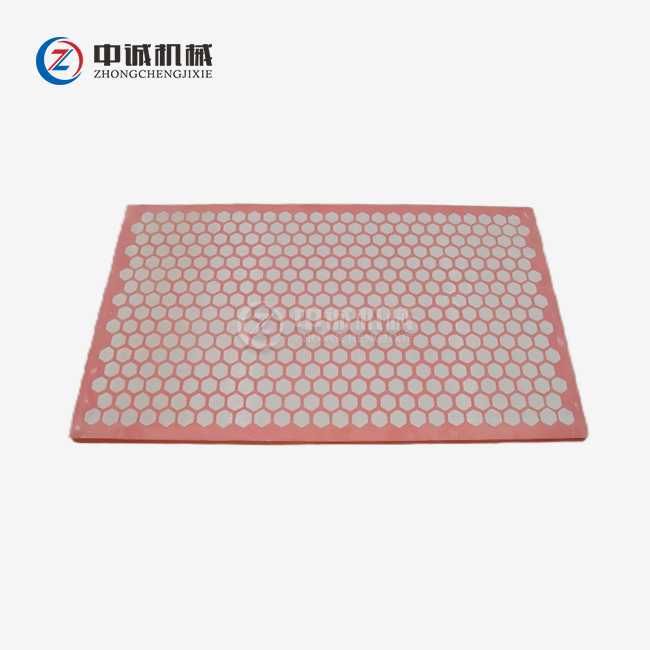
Even if the materials are great, wear parts need to be replaced on a regular basis to keep the split working well. As the abrasive action continues, the hydrocyclone's apex nozzles get bigger. This changes the separation cut point and makes the machine less effective. Keeping a supply of new apexes of the right size on hand lets you switch them out quickly when discharge patterns show wear. The ZC series' clamp link design makes it easy to take apart and put back together without special tools, so upkeep takes less time. Because drilling rocks are not all the same level of roughness, the mesh state determines when the shaker screens under the Desander underflows need to be replaced, not a set amount of time. Having the right mesh sizes in stock for your separation needs will keep your operations running smoothly while the screens are being changed.
Troubleshooting Common Operational Issues
Systematic troubleshooting quickly finds the root causes when Desander performance drops. Not enough separation is usually caused by not enough feed pressure, which can be caused by worn pumps, valves that are only partly closed, or manifold limits. Too much water in the solids that were thrown away could mean that the feed pressure is too high or that the apex openings are worn out and need to be replaced. Capacity limits could mean that the unit is too small for the current flow rates or that near-size particles are building up and blocking the cyclone inlets. Noises or vibrations that don't seem normal can be caused by structure wear or loose mounting hardware that needs to be fixed right away. The ZC series comes with full technical help, including troubleshooting guides, operation instructions, and the ability to talk to experienced engineers who know what's happening in the field and can suggest ways to fix things.
Best Practices for Extended Service Life
To make Desanders last as long as possible, you need to do more than just regular upkeep. Avoiding sudden pressure spikes during startup saves the integrity of the cyclone and the supports that hold it up. Making sure the feed density stays the same stops shock loading from slug flows, which speeds up wear. Keeping the mud's properties right, like controlling its pH and making sure its chemicals are balanced, keeps system parts from corroding too quickly. Teaching workers how to spot strange situations lets problems be fixed quickly, before they get worse and cause equipment to break down. For peace of mind during the important break-in period, the ZC series comes with a one-year guarantee that covers everything. Building ties with makers who provide extra parts and expert support is also important for long-term operating success.
Conclusion
The Desander is an important part of solid control systems because it removes big solids first and then separates fine particles. This keeps equipment safe, keeps the properties of the drilling fluid stable, and keeps running costs low. Its hydrocyclone technology effectively targets the 44 to 74 micron particle range that causes the most damage to downstream equipment while using the least amount of energy and needing the least amount of upkeep. If you know the Desander selection factors, such as matching capacity, making sure materials work well together, and making sure the seller you buy from is reliable, you can make purchases that will last for a long time and be useful for a wide range of drilling projects, from oil and gas to geothermal and directional drilling.
FAQ
What is the optimal feed pressure for a desander?
The best working pressure is between 30 and 45 psi, which gives enough centrifugal force to separate the materials without speeding up cone wear. When pressures are too low, solids don't separate cleanly, which is called roping. On the other hand, when pressures are too high, parts don't last as long and maintenance costs go up.
How do desanders differ from desilters in practical applications?
Desanders use bigger hydrocyclones (10 to 12 inches) to separate particles larger than 44 microns at higher flow rates. As third-stage tools, desilters use smaller 4 inch cones that aim for particles 15 to 44 microns in size. In full solid control systems, both stages work one after the other.
Can desander cones handle oil-based drilling fluids?
Both water-based and oil-based mud methods can be used with the ZC series polyurethane cones. The material doesn't grow or break down in oily settings, so the cone will keep separating things well and staying structurally sound for a long time.
What indicators suggest hydrocyclone cone replacement is needed?
If the underflow discharge pattern changes from spray to rope, it means that the apex is wearing out. If you look inside and see grooves that are deeper than 2 mm, that means that material has been lost and needs to be replaced. Parts are wearing out if the separation efficiency goes down even though the operating pressure is right.
How does the desander reduce total drilling costs?
Getting rid of gritty solids makes mud pump parts last a lot longer, which lowers the cost of replacing seals and valves. Keeping the fluid's qualities in good shape lowers the need for chemical additives and water diluting. Keeping tools from breaking down cuts down on the time that it can't be used, which saves a lot of money on daily running costs.
Partner with a Trusted Desander Manufacturer for Your Next Project
Shaanxi Xixian New Area Zhongcheng Machinery Manufacturing Co., Ltd. has been making reliable, high-performance tools for over 30 years and can help you with your drilling activities. Our ZC series Desander systems are made of long-lasting polyurethane and hydrocyclone technology that has been used for years. They give drilling contractors and oilfield service companies the separation efficiency and stability they need. We have many certificates, such as ISO 9001, ISO 14001, ISO 45001, HSE standards, TÜV, and BV approval, which show that we care about quality and safety, which is important to buying managers.
Our manufacturing capabilities are very adaptable, so we can make custom configurations that fit your rig type, from ZJ30 to ZJ90 systems, with the right size, motor options, and capacity. To keep projects on schedule, in-stock units ship within three days, and unique solutions usually arrive within fifteen days. Full technical support includes engineering drawings, instructions on how to install, usage manuals, and a guarantee that protects your investment for one year. Email our team at oliver@zcgukong.com to talk about your solid control needs and get full specifications for Desander systems that are designed to meet your unique needs. Visit zcsolidscontrol.com to see all of our products and learn how our Knowledge can help you manage your drilling fluids better.
References
1. American Petroleum Institute. (2017). Recommended Practice for Drilling Fluid Processing Systems Evaluation. API RP 13C, 6th Edition.
2. Bourgoyne, A.T., Millheim, K.K., Chenevert, M.E., and Young, F.S. (1991). Applied Drilling Engineering. Society of Petroleum Engineers Textbook Series, Volume 2.
3. Darley, H.C.H. and Gray, G.R. (1988). Composition and Properties of Drilling and Completion Fluids. 5th Edition, Gulf Publishing Company.
4. International Association of Drilling Contractors. (2019). Drilling Manual: Solids Control Equipment and Practices. IADC Technical Publication.
5. Nguyen, D. and Rahman, S.S. (1998). Three-Dimensional Simulation of Desander Performance in Drilling Fluid Systems. Journal of Petroleum Science and Engineering, Volume 21, Issues 3-4.
6. Society of Petroleum Engineers. (2020). Best Practices for Drilling Waste Management and Solids Control Systems. SPE Environmental Technical Section Guidelines.