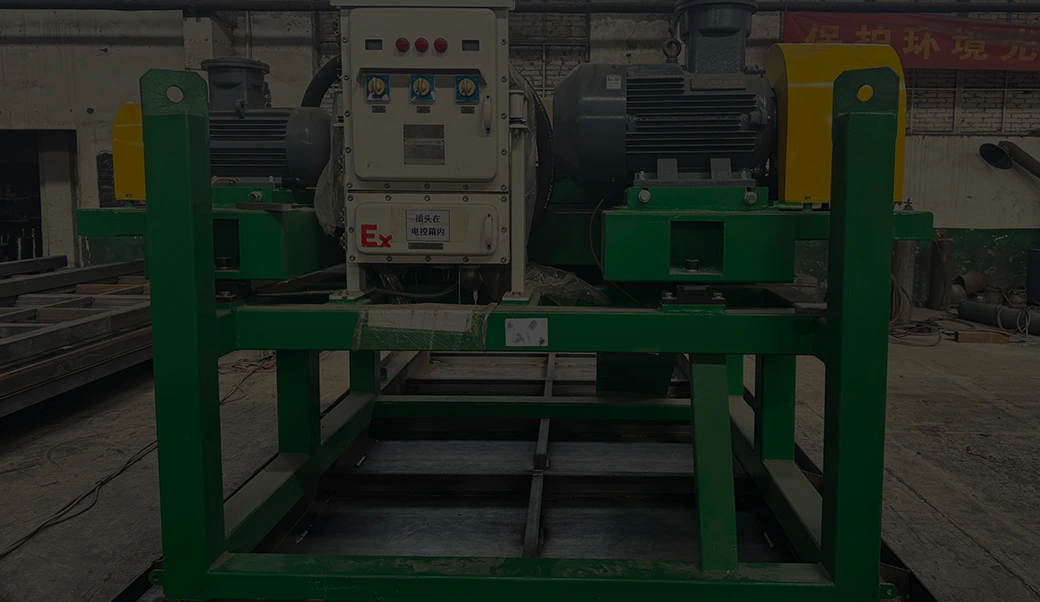
A chamber filter press is a batch-operated solid-liquid separation device that applies hydraulic pressure — typically between 6 and 20 bar — to force liquid through filter media, leaving behind a compact, dry solid cake. For oilfield operators, drilling contractors, and industrial processors dealing with high-volume sludge, this technology directly reduces waste hauling fees, lowers chemical consumption, and supports environmental compliance. When waste volume drops by up to 80%, disposal costs follow. That is the measurable financial case for investing in modern pressure filtration equipment.
Understanding Chamber Filter Press Technology: Principles and Benefits
How the Filtration Cycle Works
Slurry is pumped under pressure into chambers made between filter plates to start each filtration cycle. The liquid goes through filter paper, and the solids build up into a cake. When the room is full, the hydraulic system lets go of the pressure, the plates move apart, and the dried cake falls out. Modern units repeat the cycle automatically, which makes it possible for oilfields and industrial sites to process large amounts of data all the time.
Core Components That Drive Performance
The filter plates keep the whole thing running. Acids, bases, and temperatures up to 90°C can't bend high-strength reinforced polypropylene (PP) pieces when they are under pressure. During each turn, the hydraulic closing station keeps 20–25 MPa. The permeability of the filter cloth needs to match the particle size distribution of the target slurry. If it doesn't, you'll get wet cake or blinding cloth, which both cost more to run.
Why It Outperforms Traditional Dewatering Methods
Gravity thickeners and open ponds need a lot of space and produce high-moisture, inconsistent output. Pressure filtration, on the other hand, leaves behind very little water, making the cake produced by a chamber filter press easier to transport, dispose of, burn, or reuse. A chamber filter press provides efficient mechanical dewatering, while the Water Environment Federation reports that mechanical drainage through press filtration can reduce the amount of sludge by 70–80% compared with gravity settling alone. This direct volume reduction can significantly lower the cost of transporting and disposing of waste. For facilities seeking consistent dewatering performance, a properly configured chamber filter press can provide a practical solution for sludge treatment and waste management.
Chamber Filter Press vs Other Filtration Technologies: Making the Right Choice
If you pick the wrong kind of equipment, you'll have to pay more for years to come. This table shows how the big choices stack up in four useful areas.
- Belt Filter Press: Continuous operation suits high-flow municipal sludge, but cake dryness rarely exceeds 20–25% solids. Cloth wash water consumption is significant, and open design allows odor release — a liability on oilfield sites near populated areas.
- Centrifuge Decanter: Fast cycle times and fully enclosed operation make centrifuges attractive for fine-particle slurries, but energy consumption runs 3–5 times higher per ton processed compared to pressure filtration. Capital and maintenance costs are also substantially greater.
- Membrane Filter Press: Membrane squeeze capability pushes cake dryness beyond standard chamber performance, ideal for applications requiring ultra-low moisture. However, the membrane plates carry higher upfront cost and require more careful maintenance to prevent membrane fatigue.
- Chamber Filter Press: This option delivers the best balance of capital cost, cake dryness (25–40mm cake thickness typical), chemical resistance, and maintenance accessibility. For drilling waste treatment, oilfield sludge, and mining tailings, it remains the industry standard for batch dewatering.
The best choice relies on the viscosity of the slurry, the flow that needs to be met, the size of the site, and the rules for dumping. A properly sized pressure filter is the most cost-effective way for most oilfield and industrial users to handle moderate to high amounts of acidic or high-solids slurry.
Selecting and Procuring the Best Chamber Filter Press for Your Business Needs
Key Technical Parameters to Evaluate
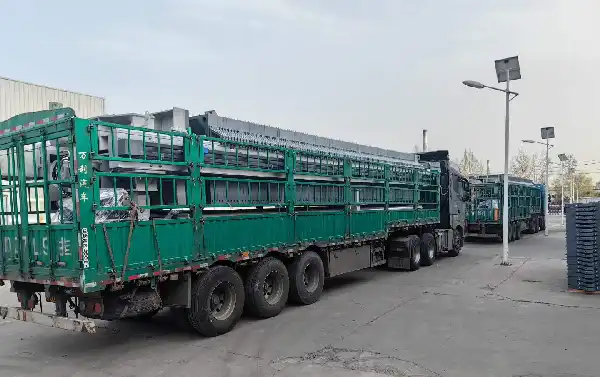
The size of the filter plate determines how much a chamber filter press can process. With 1250 × 1250 mm plates and a plate-and-frame design, the ZHONGCHENGJIXIE ZC Filter Press provides strong filtering force and stable dewatering, even when handling difficult drilling materials. A 37–45 kW motor can run continuously in both onshore and offshore applications, making the chamber filter press suitable for demanding operating environments. The filtration area of the chamber filter press should be matched to the amount of sludge generated each day. Undersizing the chamber filter press can lead to processing bottlenecks, while oversizing the equipment may increase investment costs unnecessarily.
Automation and Material Specifications
Automatic plate-shifting systems cut down on the amount of work that needs to be done and speed up cycle times. The material of the plate should be confirmed to be high-intensity reinforced PP that is stable at temperatures up to 90°C and has been shown to be resistant to acids and bases. Before taking delivery, ask for a hydraulic pressure retention test result that shows the system can hold 20–25 MPa with less than a 5% drop over a long period of time.
Procurement Checklist and Supplier Evaluation
As a starting point, check that the suppliers have ISO 9001 quality management approval. ZHONGCHENGJIXIE has ISO 9001, ISO 14001, and ISO 45001 certifications, as well as HSE, TÜV, and BV approvals. This means that they meet all of the standards for quality, the environment, and worker safety. Make sure the supplier gives you engineering drawings, diagrams of the parts, operation manuals, and help with commissioning. In-stock items are shipped within three days, and special orders are finished within fifteen days. This greatly lowers the risk of delays in the project schedule.
Maintenance and Troubleshooting Tips to Maximize Filtration Efficiency
Routine Inspection Priorities
Regularly check the flatness of the plate; a surface variation of more than 0.5 mm lets slurry leak through the seal, contaminating the work area and making the cake less dry. In constant operation, the amount of hydraulic fluid, the condition of the seals, and the alignment of the plates need to be checked once a week. Ultrasonic testing should be done on the main frame longitudinal beams at regular times to make sure the welds are still strong. This is especially important in places where there is a lot of shaking.
Resolving Common Operating Problems
Wet or uneven cake is usually a sign of not enough feed pressure or a filter cloth that is only partly blinded. Most of the time, running an air-blow cycle through the cloth will make it permeable again. If there is a leak between the plates, make sure that the hydraulic closing pressure matches the pressure specification for the feed pump and look at the plates for dirt or folded cloth. Sensor calibration drift is usually the cause of problems with automatic units' control panels. Most makers offer online diagnostic help so that this can be fixed without having to visit the site.
Extending Equipment Service Life
High-grade strengthened PP filter plates used in a chamber filter press usually last between 5 and 8 years when exposed to standard temperatures and chemicals. Keeping a written record of your spare parts inventory, especially filter cloth, hydraulic seals, and plate shifter components, will help you avoid extended downtime when wear items reach the end of their useful life. Regular maintenance of the chamber filter press and timely replacement of these components can help maintain stable filtration performance. Training operators on how to adjust the cycle time and check the pressure of the chamber filter press can have a clear effect on cake consistency and filter cloth service life.
Real-World Applications: How Chamber Filter Presses Help Reduce Waste Disposal Costs
Oilfield Drilling Waste Treatment
The ZC Filter Press takes drilling waste sludge and turns it into a dry cake that can be stacked. It also recovers drilling fluid that can be used again. The recovered fluid goes back into the mud drainage system, which cuts down on the need for new mud and the cost of chemical additives. In the United States and other countries, environmental rules that oilfield companies must follow are enforced by officials. This method directly addresses those rules.
Mining and Geotechnical Applications
In mining tailings management, pressure filtration recovers process water from mineral concentrates like gold, copper, and coal. It also makes dry tailings that can be stacked and need a lot less containment infrastructure. The results that foundation engineering companies get from processing piling slurry are similar: the amount of sludge that needs to be hauled down drops by a lot, and the water that is released usually meets local environmental standards without any extra treatment.
Municipal and Industrial Wastewater Processing
Chamber-type filter presses are used by municipal wastewater treatment plants to remove water from biological sludge before it is thrown away or burned. This cuts the volume of the sludge by up to 80%. Chemical and pigment makers use the same technology to separate corrosive process solutions from small particles. This lets them get back high-purity product while making a dry, manageable trash stream. In many documented cases, the equipment investment pays for itself within the first year of use in these sectors, thanks to lower fees for transporting and getting rid of waste.
Conclusion
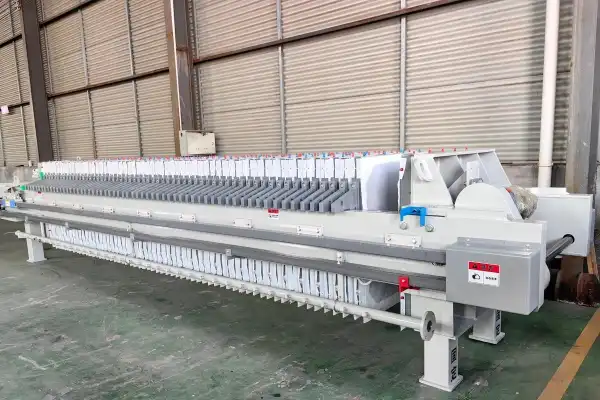
A well-designed chamber filter press lowers waste disposal costs by consistently producing high-dryness cakes and recovering drilling fluid. The ZC Filter Press from ZHONGCHENGJIXIE has a 1250 × 1250 mm plate structure, 37–45 kW motor power, corrosion-resistant materials, and full ISO/HSE/TÜV approval, making this chamber filter press suitable for demanding oilfield and industrial applications. For procurement teams, the business case is clear: using a chamber filter press to reduce sludge volume means less money spent on disposal and transportation, while recovering more drilling fluid can reduce the cost of replenishing mud. Selecting the right chamber filter press can therefore support both efficient waste management and overall drilling fluid cost control.
FAQ
What factors affect the dryness of the filter cake?
Feed pressure, slurry viscosity, filter cloth permeability, and cycle time all influence cake dryness. Matching cloth weave density to the particle size distribution of your specific slurry is particularly important. A filtration area sized correctly for your daily throughput also prevents overloading, which compromises cake quality.
How often does filter cloth need replacement?
Replacement frequency depends on slurry chemistry, temperature, and operating hours. Under typical oilfield conditions with proper air-blow maintenance between cycles, cloth service life ranges from several months to over a year. Keeping replacement cloth in your spare-parts inventory prevents unplanned downtime.
Can the equipment be customized for different drilling rig configurations?
Yes. ZHONGCHENGJIXIE produces units matched to drilling rig systems including ZJ30 through ZJ90 configurations. Plate count, frame dimensions, motor specifications, and automation level can all be adjusted to meet project-specific requirements.
What certifications should I verify before purchasing?
At minimum, confirm ISO 9001 quality management certification. For oilfield applications, HSE compliance and BV or TÜV approval provide additional assurance of safety and durability. ZHONGCHENGJIXIE holds all of these alongside ISO 14001 and ISO 45001.
Does the unit support fully automated cake discharge?
Modern units include automatic plate-shifting systems and cake vibrating devices that reduce manual labor and shorten cycle times between batches.
Partner with ZHONGCHENGJIXIE for Your Chamber Filter Press Needs
ZHONGCHENGJIXIE makes the ZC Filter Press and is a trusted chamber filter press supplier with ISO, HSE, TÜV, and BV certifications, more than 30 years of experience making filters, and units in stock that can be shipped within 3 days. Our engineering team gives you drawings, operation manuals, help with commissioning, and a one-year warranty, whether you need a standard unit or a configuration that fits your drilling rig and the conditions at the site. You can get a quote right away by emailing us at oliver@zcgukong.com or going to zcsolidscontrol.com.
References
1. Water Environment Federation. Biosolids Dewatering: Design of Municipal Wastewater Treatment Plants. WEF Press, 2010.
2. Purchas, D.B., & Sutherland, K. Handbook of Filter Media. Elsevier, 2002.
3. Wakeman, R., & Tarleton, S. Filtration: Equipment Selection, Modelling and Process Simulation. Elsevier Science, 1999.
4. American Petroleum Institute. API Recommended Practice 13C: Drilling Fluids Processing Systems Inspection and Test Procedures. API Publishing Services, 2014.
5. Environmental Protection Agency (U.S. EPA). Biosolids Technology Fact Sheet: Belt Filter Press. EPA/832-F-00-057, 2000.
6. Tarleton, S., & Wakeman, R. Solid/Liquid Separation: Equipment Selection and Process Design. Butterworth-Heinemann, 2007.