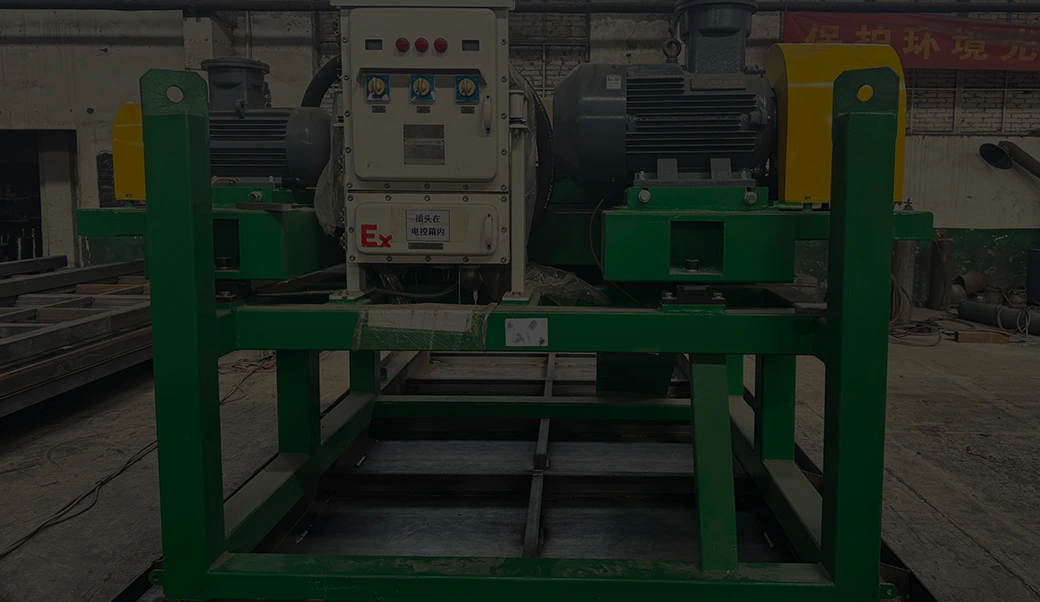
When sediment builds up in drilling mud tanks, the consequences hit fast — reduced fluid density, compromised rheology, and costly unplanned downtime. A mud gun is a specialized high-pressure agitation device designed to eliminate dead zones and prevent solids from settling in tank corners where mechanical agitators simply cannot reach. By jetting high-velocity fluid through precision nozzles, it keeps barite and drill cuttings suspended, protecting wellbore stability and blowout prevention performance. This guide walks procurement managers, drilling engineers, and project leads through everything they need to know before selecting the right solution.
Understanding Mud Guns and Their Role in Drilling Mud Tanks
What Is a Mud Gun and How Does It Work?
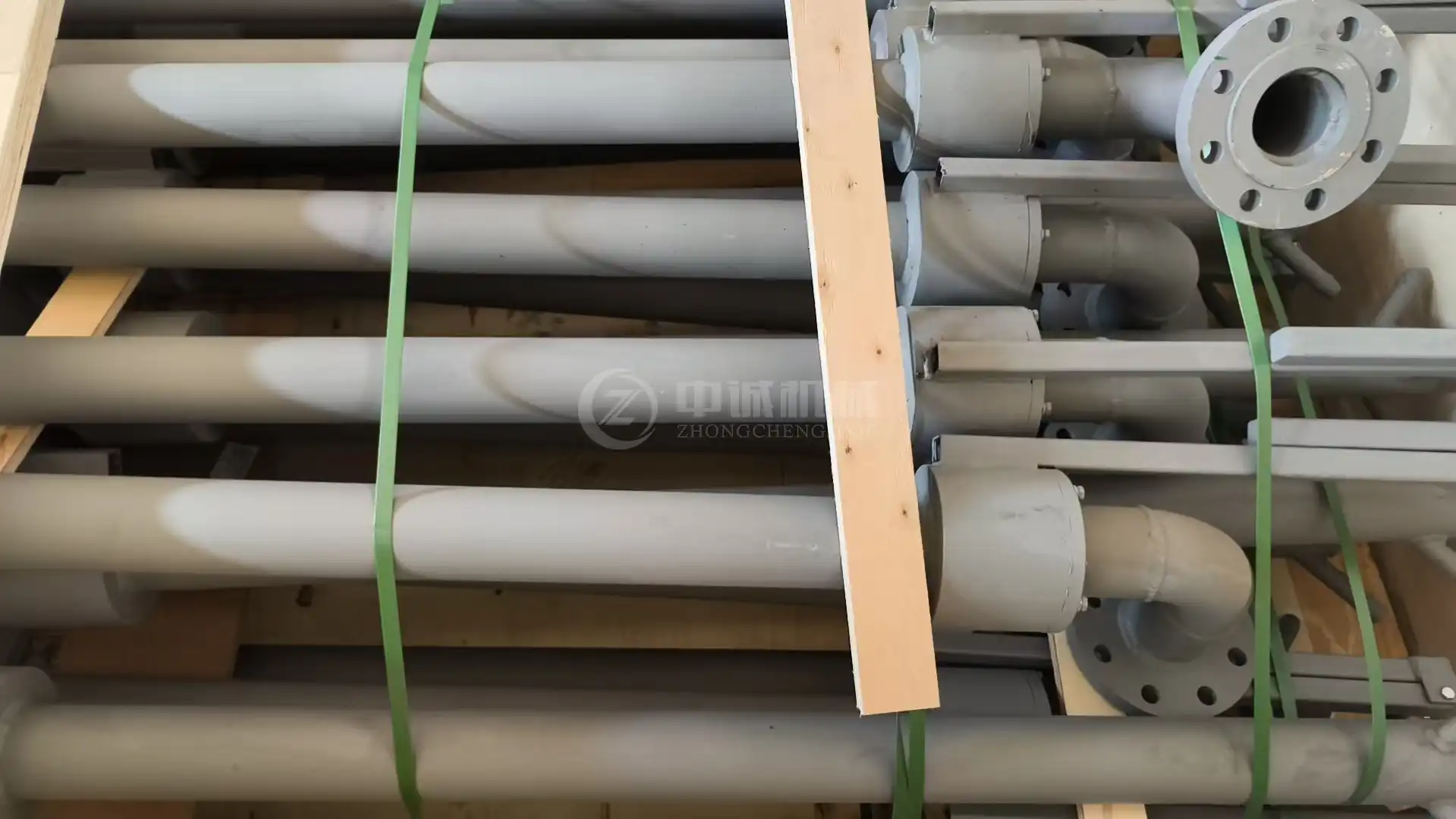
A mud gun works by forcing drilling fluid under pressure through a fixed or rotating nozzle. This creates a concentrated jet stream that breaks up solids that have settled and brings them back into uniform suspension. The device is directly connected to the line that lets the mud pump out, and it gets its power from the pressure in the drainage system. This hydraulic principle doesn't need a separate motor, so it's easier to set up and costs less to run than agitators that are powered by electricity.
Core Technical Specifications
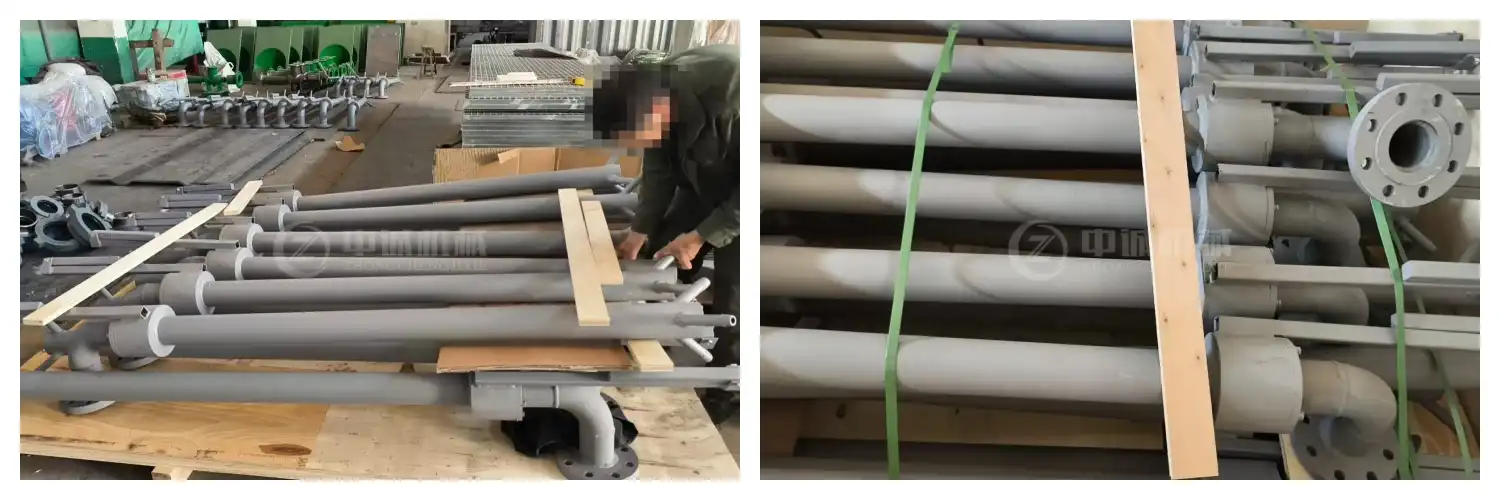
ZHONGCHENGJIXIE mud guns come with nozzles that are 50 mm or 80 mm in diameter and can handle working pressures of 3.2 MPa or 6.4 MPa. Nozzles can be fixed or rotating, and they can be manually adjusted to move in a specific direction. All the parts that get wet are made of metals that don't wear down or corrode, so the spray flow stays steady even when using drilling fluids that are rough and high in sand.
How It Compares to Mechanical Agitators
Mechanical agitators do a good job of moving things around in the middle of the tank, but they always miss dead edges. A study on tank agitation systems that came out in 2018 in the Journal of Petroleum Technology showed that corner sedimentation rates are still a problem in tanks that hold more than 100 barrels of oil without extra pumping devices. Mud guns perfectly fill that void, acting alongside agitators rather than replacing them.
Key Applications for Sediment Prevention
Dead Angle Cleaning in Large-Capacity Mud Tank Farms
Solids building up in the corners of big active tank systems, like those used on ZJ70 and ZJ90 rigs, can cut the useful tank volume by as much as 15%. Strategically placed jetting nozzles send flow into these blind spots, breaking up barite that has settled and weighing down materials before they harden into a cake that has to be shoveled out by hand.
High-Pressure Circulation and Drilling Fluid Transfer
It is important to keep the mud weight constant while fluid is being moved between sections. At a working pressure of 6.4 MPa, ZHONGCHENGJIXIE mud guns create a jet speed fast enough to re-suspend even heavy, dense muds during transfer operations. This stops density stratification, which can lead to wrong readings for mud weight and wrong estimates for atmospheric pressure downhole.
Specialized Field Environments
Deepwater offshore platforms, horizontal directional drilling (HDD) projects, and the construction of geothermal wells have all shown that hydraulic jetting devices work better than motor-driven alternatives in places with a lot of vibration or high temperatures. In geothermal activities, where temperatures can reach over 150°C near the tank area, the fact that a mud gun doesn't have any electrical motors makes it much less likely that it will break down due to heat.
Best Practices for Installation, Operation, and Maintenance
Proper Installation Positioning
Place spraying nozzles at the corners of the tank so that they point 15 to 30 degrees downwards toward the floor of the tank. To get full jet coverage in tanks wider than 3 meters, you should put in at least two units per compartment. With every order, ZHONGCHENGJIXIE includes installation instructions and help with commissioning, along with technical drawings and flowcharts that are made to fit the size of your tank.
Operational Pressure Management
Throughout the operation, keep an eye on the inlet pressure. Running below the rated working pressure slows down the jet and stops the sediment from suspending. When you run above the rated limit, the nozzles wear out faster. Users in the field should make sure that the pump output pressure for the 50 mm nozzle type rated at 3.2 MPa stays within a ±5% range of the rated value.
Routine Maintenance Protocol
Every 500 hours of use, check the tip for wear. Nozzles that are worn out show a rise in flow rate at the same pressure, which means they need to be replaced. Check to see if rotary swivel seals are leaking. For muds that have chemicals added to them, Viton or Nitrile seals are best. ZHONGCHENGJIXIE offers a 1-year warranty that covers all manufacturing defects, and spare parts are in stock and can be sent out quickly.
How to Choose the Right Mud Gun for Your Drilling Project
Match Specifications to Rig Configuration
Different types of rigs need different amounts of flow. With 50 mm nozzle units at 3.2 MPa, a ZJ30 or ZJ40 rig with a smaller tank works well. For bigger rigs like the ZJ70 and ZJ90, 80 mm units working at 6.4 MPa are needed to handle the large tank volume and thick mud that are common in deep-formation drilling. When you match the tip size to the pump's output capacity, you avoid both under-agitation and wear that happens too soon.
Fixed vs. Rotary Nozzle Selection
These are the two main types of opening designs and when each one is used:
- Fixed nozzle type: Best suited for tanks where the geometry is regular and the problematic dead zone is a fixed, predictable corner. Installation is permanent and requires no operator adjustment during operation, reducing the chance of human error.
- Rotary nozzle type: Preferred for irregular tank shapes or multi-compartment systems where the jet direction needs periodic repositioning. The manual rotary adjustment mechanism allows operators to redirect the spray arc without shutting down the system, which preserves circulation continuity.
Both configurations are made of the same wear-resistant material and can be switched out within the same body assembly. This gives procurement teams options without having to keep separate inventory.
Procurement Criteria and Supplier Evaluation
When looking for a mud gun provider, the following things are the most important in a business-to-business (B2B) purchase:
- Certifications confirming product compliance (ISO 9001/14001/45001, HSE, TÜV, BV)
- Availability of engineering documentation including assembly drawings and maintenance manuals
- Demonstrated manufacturing capacity and delivery reliability
- Warranty terms and spare parts supply chain depth
—Proven ability to make things and dependability in serviceTerms of the warranty and the length of the spare parts supply chain
Maximizing ROI: Performance and Field Feedback
Documented Efficiency Gains
When drilling contractors add hydraulic jetting to agitation systems that are already in place, they always report measurable improvements. One typical result in the field is that the difference in mud weight between tank sections goes down from ±0.3 lb/gal to ±0.05 lb/gal. This makes it easier to control the hydrostatic pressure. Less density-related well control events mean less time spent on things that aren't working per well.
Troubleshooting Common Issues
Most of the time, swivel leakage and decreased jet range are the two operating problems that happen. Most swivel leaks are caused by chemically incompatible seals breaking down. Most of the time, switching to Viton seals fixes the problem. A smaller jet range means that either the nozzles are worn out or the pump pressure is too low. Both problems are easy to find and fix without taking the device out of the tank.
Innovations Worth Watching
The next version of jetting stirring tools will have pressure-responsive nozzles that change the flow based on changes in the viscosity of the mud that are picked up by the pump. Even though most oilfield operations don't use these systems yet, procurement managers who are buying equipment for long-term projects should talk to long-term suppliers about this change.
Conclusion
Controlling sediment in drilling mud tanks is not an afterthought; using a mud gun has a direct effect on the stability of mud properties, drilling efficiency, and the overall cost of the well. A properly positioned mud gun helps keep solids suspended and supports more consistent fluid conditions during drilling operations. For demanding drilling applications, selecting the right mud gun can improve tank mixing performance and help reduce issues caused by sediment buildup.
FAQ
What working pressure should I select for my mud gun?
ZHONGCHENGJIXIE offers two working pressure ratings: 3.2 MPa for standard-capacity tanks on smaller rig classes, and 6.4 MPa for large-volume tanks on ZJ70 and ZJ90 rigs. Your selection should be based on pump discharge capacity and the required jet velocity to reach the farthest corner of the tank compartment.
How often should nozzles be inspected for wear?
Industry practice calls for nozzle inspection every 500 operating hours. A measurable increase in flow rate at the same operating pressure indicates wear-induced nozzle enlargement, which requires replacement to maintain agitation performance.
Can a mud gun replace a mechanical agitator entirely?
No. Hydraulic jetting devices are most effective as a supplement to mechanical agitators. Agitators handle central tank zones, while jetting nozzles address corners and dead spots. Running both together gives the most consistent fluid uniformity across the entire tank volume.
What causes rotary swivel leakage?
Most swivel leaks result from seal degradation caused by chemical incompatibility between the mud additives and the seal material. Specifying Viton or Nitrile seals when ordering from ZHONGCHENGJIXIE resolves the majority of these cases in chemically aggressive mud environments.
What is the lead time for a customized mud gun order?
Stocked standard models ship within 3 days. Customized configurations — including non-standard nozzle diameters or special alloy bodies — are typically completed and dispatched within 15 days from order confirmation.
Partner with ZHONGCHENGJIXIE for Proven Mud Gun Solutions
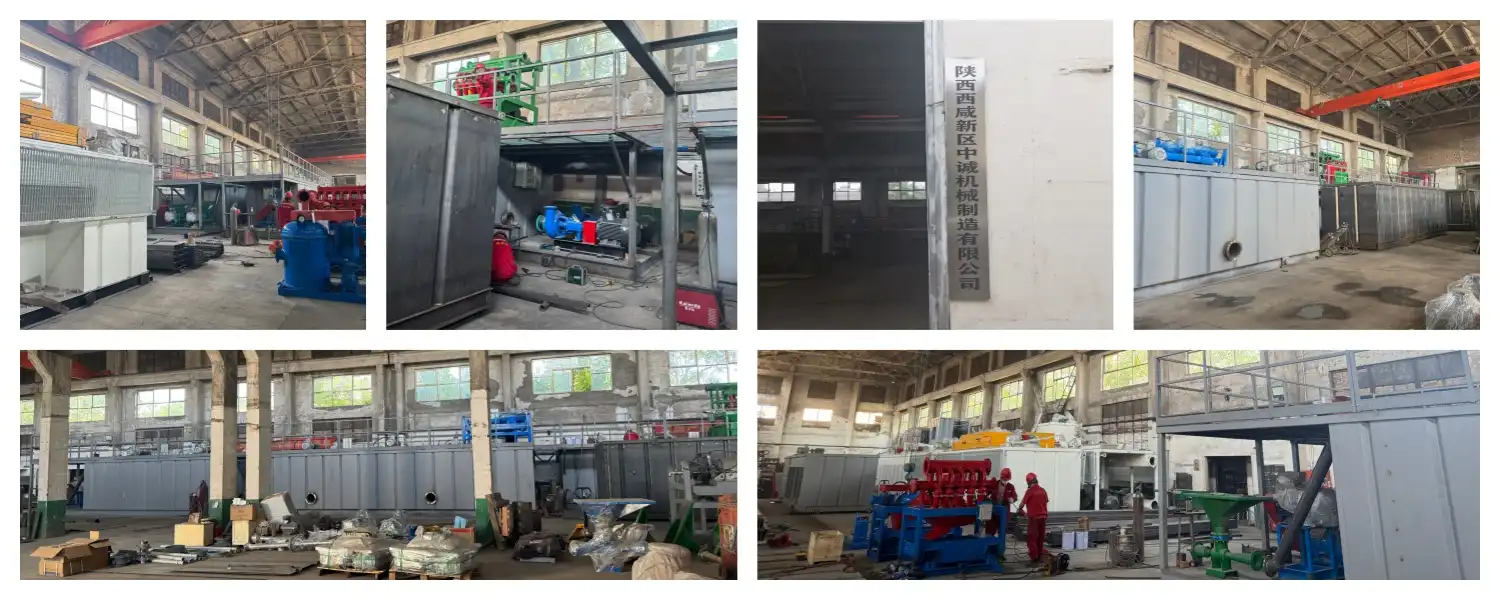
ZHONGCHENGJIXIE is a direct producer and seller of mud guns. They have ISO 9001/14001/45001, TÜV, BV, and HSE certifications, as well as more than 30 years of experience in the field and a 6,300 m² production plant. We sell mud guns with nozzles that are 50 mm and 80 mm in size and can handle working pressures of up to 6.4 MPa. They come with full technical documentation, a 1-year guarantee, and fast shipping around the world. To get a quote for your project right away, email us at oliver@zcgukong.com or go to zcsolidscontrol.com.
References
1. Journal of Petroleum Technology — "Solids Control Equipment Performance in Weighted Drilling Fluids," Society of Petroleum Engineers (SPE), 2018.
2. Drilling Engineering — "Mud Tank Design and Agitation System Optimization," PennWell Publishing, 2016.
3. World Oil Magazine — "Solid Control Systems for Deepwater Drilling Operations," Gulf Publishing Company, 2020.
4. SPE Drilling & Completion — "Hydraulic Agitation Devices and Their Role in Drilling Fluid Management," Society of Petroleum Engineers, 2019.
5. Oil & Gas Journal — "Drilling Fluid Density Control and Barite Sag Prevention in Directional Wells," PennWell Corporation, 2021.
6. International Journal of Oil, Gas and Coal Technology — "Performance Evaluation of Solid Control Equipment in Onshore Drilling Operations," Inderscience Publishers, 2022.