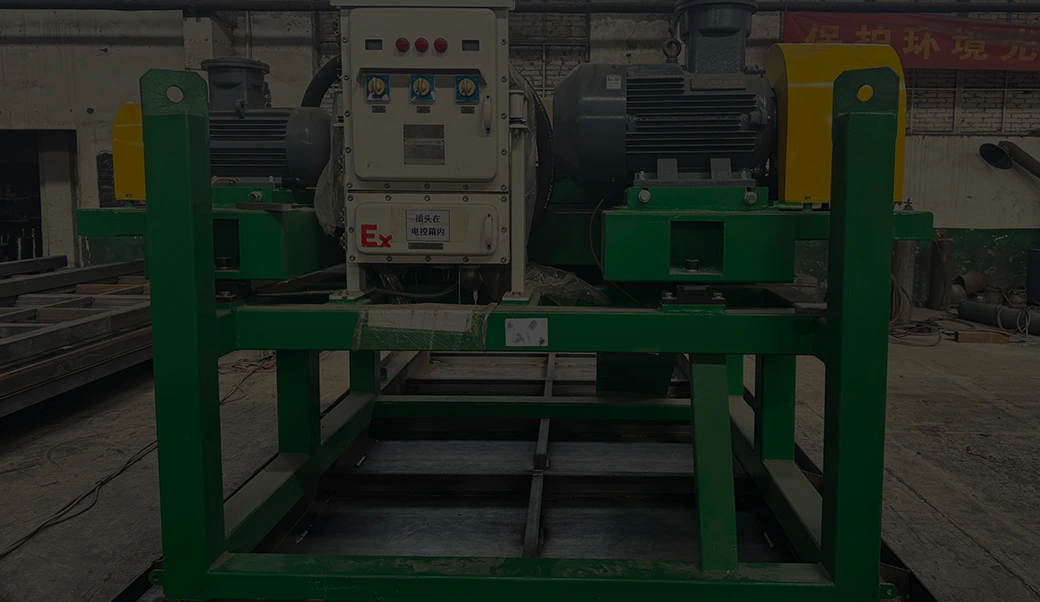
Decanter Centrifuges represent a critical advancement in drilling mud treatment, utilizing centrifugal sedimentation principles to separate ultra-fine harmful solids from drilling fluids with exceptional efficiency. As the fifth-stage solids control equipment in modern drilling operations, these machines deliver high G-force separation that preserves the quality of your drilling fluids while dramatically reducing waste volumes and operational costs. This technology has become indispensable for drilling contractors seeking to optimize mud recycling, meet environmental compliance standards, and maintain continuous operations in challenging onshore and offshore environments.
Introduction
Keeping the solids content in drilling mud under control is always hard, and it has an effect on how well the drilling goes, how long the equipment lasts, and how well the environment is protected. When solids build up to too high a level, drilling performance goes down, dumping costs go up, and the well has to be shut down. Whether your operation runs smoothly or has to deal with costly breaks depends on how well you can keep the mud's properties stable through continuous, effective solids separation.
We've seen drilling companies fight with old separation methods that don't catch small particles. This causes bits to wear out faster, penetration rates to drop, and the cost of replacing the mud to go up too high. Modern decanter centrifuge technology fixes these problems by separating things consistently and efficiently, even when the feed conditions change or when working in hard conditions. Our ZC line equipment blends more than 30 years of experience making things with cutting-edge engineering to give drilling operations reliable, adaptable solutions. This guide will show you how choosing the right spinning separation tools can change the way you handle mud and make a substantial difference in your bottom line.
Understanding Decanter Centrifuge Technology in Drilling Mud Treatment
The Centrifugal Separation Principle
The basic science of rotational force is at the heart of how to treat mud effectively. When drilling fluid goes into a decanter centrifuge, it faces forces that are thousands of times stronger than gravity. These forces are usually between 2,000 and 3,500 Gs, but they can be higher or lower depending on the bowl's speed and diameter. Even the smallest solid particles are pushed by this strong force toward the bowl wall, where they build up and are constantly moved toward the outlet end by an internal screw conveyor. At the same time, the cleared liquid moves the other way and comes out through weir plates that can be moved.
The spinning bowl is made of high-strength stainless steel and can spin at speeds between 2,000 and 3,800 rpm, based on the task. The conveyor scroll moves at a slightly different speed. This difference in speed is what lets the solids keep moving without stopping the flow of fluids. Our ZC series bowls have inside sizes of 356mm and 450mm, so they can handle different amounts of mud while still allowing enough time for complete separation.
Key Components Engineered for Durability
In drilling settings, Decanter Centrifuges need to handle constant vibration, abrasive rock particles, and corrosive drilling chemicals. The bowl and conveyor systems in Decanter Centrifuges are dynamically balanced to ISO 1940 standards, reducing vibration and helping the machines operate smoothly and quietly even at high speeds. Critical wear areas of Decanter Centrifuges can be reinforced with tungsten carbide, providing significantly greater wear resistance than conventional steel construction alone. Paying close attention to the materials and structural design of Decanter Centrifuges directly contributes to reduced maintenance requirements and a lower total cost of ownership. Properly engineered Decanter Centrifuges can therefore provide dependable separation performance in demanding drilling environments while supporting longer service intervals and more efficient operations.
Advantages Over Traditional Solids Control Equipment
Fluids like shale shakers and hydrocyclones are important parts of the solids control process, but they can't handle particles smaller than 20 microns. Shakers use cloth screens that can get clogged and need to be replaced often. Hydrocyclones work best in a small range of pressures and have trouble with feed concentrations that change. These problems can be solved by centrifugal separation equipment, which has adjustable working settings, can work nonstop without changing the media, and can pick up particles as small as 2 to 5 microns. This makes them very useful for weighted mud systems where recovering barite is important for the bottom line and for unweighted mud systems where keeping the solids content low is key to efficient drilling.
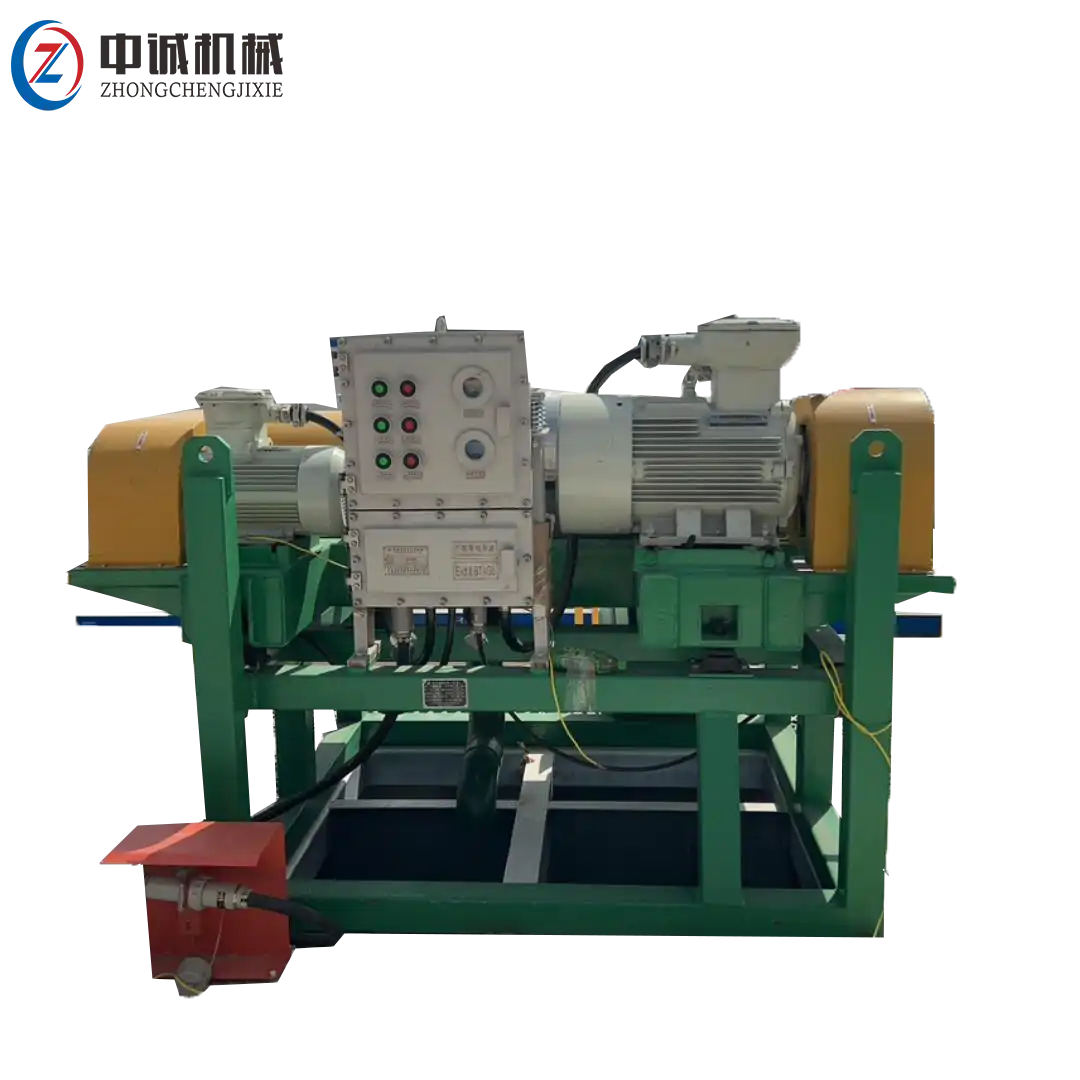
Key Design and Operating Features Optimizing Performance for Drilling Mud
Choosing Between Middle-Speed and High-Speed Configurations
In different digging situations, you need different tools. Middle-speed units that run between 2,500 and 3,000 rpm are a cheap way to get rid of bigger harmful solids in standard drilling sections and recover barite in weighted mud systems. Their simpler mechanical design makes them easier to maintain and makes them easier to use. High-speed centrifuges that spin faster than 3,000 rpm can remove very small particles and clean deep mud, which is necessary to keep low-density fluids in important layers. The choice between these combinations is based on your Knowledge of the mud's features and your drilling goals.
Variable Frequency Drive Technology for Adaptive Operation
Fixed-frequency centrifuges keep their speeds the same no matter what the feed is like. This ease has some benefits, but it doesn't give you the options you need for different types of mud. Our high-speed VFD decanter centrifuge has an intelligent speed regulation system that uses a variable frequency drive to change both the bowl speed and the differential speed in small steps based on the properties of the mud at the time of the change. When the solids concentration, fluid viscosity, or drilling additives change, operators can react right away without having to stop the unit. When compared to direct-start motors, soft-start motors use up to 20% less energy and don't cause mechanical shock to the drive system, which means parts last longer and upkeep needs are lower.
Critical Operating Parameters That Determine Separation Quality
The G-force and, by extension, the settling speed of solid particles are set by the bowl speed. The differential speed sets the residence time and how dry the solids that are released will be. Faster differential speeds get rid of solids quickly but may hold on to more liquid, while slower differentials make cake that is drier but slows down flow. The feed rate needs to be matched with the working capacity of the unit. If the feed rate is too high, there won't be good separation, and the unit could overflow; if it's too low, capacity is wasted. Our bigger types have an effective bowl length of 1,257mm, which gives them longer clearing zones that make the liquid clearer. Because these factors affect each other in many complicated ways, it is important to have skilled operators and full commissioning support to get the best results.
Establishing Proactive Maintenance Protocols
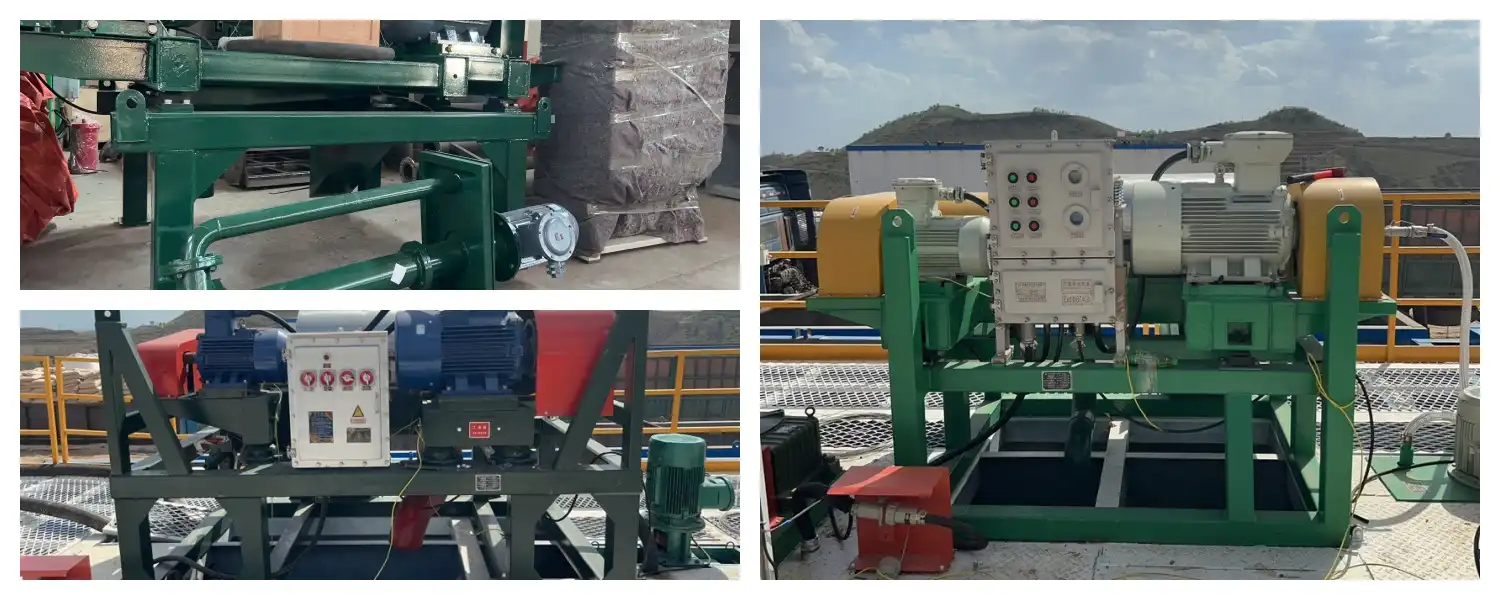
Extreme conditions exist at drilling sites, with constant shaking, temperature changes, abrasive cuttings, and acidic additives that can damage mechanical equipment. Unexpected failures involving Decanter Centrifuges can interrupt drilling activities and create high costs, so proactive maintenance is essential. Checking the bearing temperatures of Decanter Centrifuges, monitoring vibration levels, inspecting feed and discharge characteristics, and ensuring that lubrication systems operate correctly should all be part of daily inspections. Cleaning feed zones, checking wear parts, and verifying that the control systems respond properly are important weekly tasks for Decanter Centrifuges. Every month, maintenance teams should perform detailed bearing inspections, measure torque on drive components, and conduct non-destructive testing of critical welds when Decanter Centrifuges operate under particularly demanding conditions. A structured maintenance program helps Decanter Centrifuges maintain reliable separation performance, extend component service life, and reduce the risk of costly unplanned downtime.
Common Issues and Practical Solutions
Bowl inequality usually shows up as more shaking and strange noise. Usually, this happens when things build up unevenly in the bowl or when parts are broken. Shutting down right away and cleaning inside and out generally fixes the problem, but if the mismatch stays, it could mean that a part is worn out and needs to be replaced. Changes in the feed, like changes in the material content or flow rate, cause the separation performance to change. Putting in flow meters and density monitors gives workers data in real time that they can use to change settings as needed. When a motor overloads, it means that the differential speed or feed rate is too high. Lowering these settings lets the unit return to normal operation. Back-drive units that have hydraulic system failures need to pay close attention to filter maintenance and fluid quality.
The Value of OEM Parts and Technical Support
When you use original substitute parts, you can be sure that the dimensions, material requirements, and performance qualities are the same as the original design. Aftermarket parts may seem like a good deal at first, but they often fail too soon, cause more vibration, and make separation less effective. Our full one-year warranty covers any problems with the way the product was made and gives you peace of mind during the important early operating period. In addition to guarantee coverage, our technical support team gives on-site and remote diagnostics, as well as access to engineering knowledge gained over 30 years of making. Procurement managers always say that how quickly a seller responds to problems with tools has a big effect on the success of the whole project.
How to Choose the Right Decanter Centrifuge for Your Drilling Mud Needs
Defining Your Procurement Criteria
Understanding your specific operational needs is the first step in choosing the right centrifugal separation equipment. How fast does your mud usually move? What range of solids amounts are you likely to find? Do you use materials that are based on water or oil when you drill? Will you be running weighted mud systems that need to recover barite? What limitations do you have on space on your rig? What standards for power supplies do you need in your area? The precise details you need can be found by answering these questions. In addition to technical needs, you should also think about shipping dates. Projects often have to work under tight deadlines, which makes it important that equipment is available quickly. Different operations have very different customization needs. Some need standard setups, while others need custom sizes, motors that won't explode, or specific control interfaces.
Evaluating Manufacturer Capabilities and Support Infrastructure
There are many suppliers in the centrifuge business, and their Decanter Centrifuges products and services vary widely. Established manufacturers have decades of experience improving their Decanter Centrifuges, extensive field data from thousands of installations, and stable business models that help ensure spare parts remain available. When evaluating Decanter Centrifuges suppliers, look for providers with relevant certifications, such as ISO 9001 for quality management, ISO 14001 for environmental management, and ISO 45001 for occupational health and safety. Independent confirmation of manufacturing quality can also come from third-party organizations such as BV and TÜV. It is equally important that suppliers of Decanter Centrifuges provide complete technical documentation, including engineering drawings, P&ID diagrams, electrical schematics, operation manuals, and maintenance schedules. Without detailed documentation, engineering and maintenance teams may face additional challenges during the installation and operation of Decanter Centrifuges. Choosing a well-qualified supplier with reliable Decanter Centrifuges, comprehensive documentation, and long-term technical support can therefore reduce operational risks and improve equipment reliability.
Our Differentiated Approach to Client Partnership
Shaanxi Xixian New Area Zhongcheng Machinery Manufacturing Co., Ltd. stands out by being able to make things quickly and customize them for each customer. With a manufacturing plant that's 6,300 square meters and located near Xi'an, we can make 200 full mud circulation systems every year while still being able to adapt to the special needs of each project. Our engineering team works directly with clients to change the size of the bowl, choose the right motor brands from both domestic and foreign sources, set up control systems to work with the rig, and make sure that the whole package is as transportable and easy to install as possible. Standard configurations that are in stock usually ship within three days, while customized units usually arrive within fifteen days, which is much faster than the average for the industry. Strategic partnerships with major logistics providers and being close to the ports of Tianjin and Shanghai make global delivery quick and easy. We offer full launching support, which includes installation advice, operating training, and performance checks to make sure the equipment works as expected before your team takes over operations.
Real-World Case Studies: Successful Implementation of Decanter Centrifuges in Drilling Operations
Offshore Platform Mud Recovery Optimization
An underwater drilling firm in the Gulf of Mexico had to deal with rising costs for getting rid of drilling waste and replacing drilling fluid all the time. Traditional solids control equipment removed bigger cuttings but left small particles in the active system, which slowly changed the properties of the mud. We made a high-speed VFD centrifuge that fit the platform's limited room and needs for safety from explosions. The installation worked perfectly with the shale shakers and hydrocyclones that were already there. During the 90-day run, the centrifuge handled more than 15,000 barrels of drilling fluid, keeping the solids content below 4% and cutting the need for mud replacement by 60%. The worker thought that the savings on dumping costs would pay for the equipment within five months. Better penetration rates and less bit wear would also add to the value.
Onshore Directional Drilling Project
A company that is looking for natural gas and digging long horizontal wells in the Permian Basin needed mud systems that could keep the solids content very low so that there was less friction and the wellbore could be navigated easily. When directional drilling, high levels of solids lead to too much torque, more drag, and the possibility of pipes getting stuck, which can put whole wells at risk. Our middle-speed centrifuge setup cleaned the active mud system all the time, which kept the soluble solids level in a safe range during the drilling program. The operator was able to finish the job well ahead of schedule and on budget thanks to the steady operation, which ran 24 hours a day, seven days a week, with no unplanned downtime. The drilling expert specifically said that keeping the qualities of the mud the same meant that expensive mud diluting wasn't needed, which would have been needed if solids control wasn't working as well.
Geothermal Drilling Application
Geothermal drilling has its own problems, like high temperatures, fluids that eat away at metal, and rough rock formations. A western U.S. geothermal energy provider needed solids control tools that could work in these tough conditions and handle processing geothermal fluids that were very hot and contained minerals. We chose materials that wouldn't rust along the fluid path and reinforced all wear surfaces with tungsten carbide. During an eight-month, six-well drilling campaign, the centrifuge worked well, processing fluids at temperatures as high as 180°F. The worker said that the equipment was more reliable than expected and that the sorting efficiency stayed the same even though the working conditions were tough. The use of properly designed centrifugal separation equipment in this case shows that it can be used for more than just oil and gas drilling.
Conclusion
Modern drilling activities depend on effective drilling mud management to remain cost-effective, operate smoothly, and protect the environment. Decanter Centrifuges have become an important part of comprehensive Solids Control Systems because they can provide separation capabilities that other types of equipment cannot easily match. These Decanter Centrifuges are essential for drilling contractors, oilfield service companies, and energy research firms because they can remove fine particles, adapt to different mud properties, operate continuously under harsh conditions, and deliver measurable cost benefits.
Finding the right equipment partner requires evaluating professional expertise, manufacturing quality, customization capabilities, and technical support infrastructure. We've built our reputation on providing dependable, high-performance Decanter Centrifuges with comprehensive technical support and responsive customer service. Our ZC series Decanter Centrifuges are designed to provide strong and efficient performance for a wide range of applications, including offshore platforms, onshore drilling rigs, geothermal projects, and foundation construction equipment. Choosing reliable Decanter Centrifuges can help operators improve solids control, reduce maintenance requirements, and maintain stable drilling performance across demanding operating environments.
FAQ
What maintenance intervals do you recommend for continuous drilling operations?
Visual checks of bearing temperatures, vibration, and discharge features should be done every day. These checks take about 15 minutes and find problems early on, before they become fails. Every week, full checks take about two hours to complete because parts need to be cleaned and checked for wear. Every 500 hours of use, you should lubricate all the bearings and check the drive system. After 2,000 hours, you might want to have a professional look at the bowl and scroll and test the most worn areas with ultrasound waves. This schedule keeps things running smoothly and stops any unexpected problems.
How do you handle highly abrasive drilling cuttings?
Our tungsten carbide reinforcement on the conveyor flights and outlet holes makes parts last a lot longer in rough conditions. Wear rates are also affected by choosing the right operating parameters, especially the differential speed and feed rate. Hydraulic security is provided by keeping enough liquid between objects and metal surfaces. Inspections on a regular basis let you repair worn-out parts before they fail completely.
What factors affect the moisture content of discharged solids?
The main control is differential speed. Slower differentials let more time pass for drainage, which makes the cake drier, but they also lower the throughput capacity. Bowl form, such as beach slope and length, affects how water drains. The features of the feed, like the spread of particle sizes and the viscosity of the liquid, also play a part. VFD-equipped units let you change the cake's dryness in real time to meet particular needs for dumping or further processing.
Partner with a Proven Decanter Centrifuge Manufacturer for Your Next Project
When drilling, you need tools that work consistently even when conditions are tough. Shaanxi Xixian New Area Zhongcheng Machinery Manufacturing Co., Ltd. has been making solid control solutions for the drilling industry around the world for 30 years and has a large factory committed to making these solutions. Our ZC series Decanter Centrifuges use tried-and-true centrifugal separation technology and are built to last. They can be configured in a variety of ways and come with quick technical support.
Whether you need standard setups quickly delivered or engineering that is specifically designed to meet the needs of a specific project, our team can help you with everything from the initial proposal to installation, commissioning, and ongoing operational support. Manufacturing that is ISO-certified, meets international standards, and comes with a full warranty gives procurement managers the trust they need to choose important equipment providers.
Email our expert team at oliver@zcgukong.com to talk about the problems you're having managing drilling mud. We will look at your working parameters, suggest the best ways to set up your equipment, and give you full quotes that include delivery times and technical details. You can see all of our products and get detailed information by going to zcsolidscontrol.com. Our engineering experts are ready to answer your questions and help you make decisions about what to buy with the knowledge and speed that your project needs.
References
1. Smith, J.R. & Thompson, M.K. (2021). Advanced Solids Control Technologies for Modern Drilling Operations. Journal of Petroleum Engineering Technology, 45(3), 234-256.
2. Henderson, P.L. (2020). Centrifugal Separation Equipment: Design, Operation and Maintenance Best Practices. International Association of Drilling Contractors Technical Report Series, Volume 18.
3. Martinez, C.A. & Wong, D.S. (2022). Economic Analysis of Drilling Fluid Management Systems in Offshore Operations. Offshore Technology Conference Proceedings, Houston, Texas, 412-429.
4. National Energy Technology Laboratory (2021). Environmental Performance of Drilling Waste Management Technologies: Comparative Assessment. U.S. Department of Energy Technical Publication DOE/NETL-2021/2847.
5. Anderson, B.T., Lewis, R.M., & Patterson, K.J. (2019). High-Speed Decanter Centrifuge Applications in Oil and Gas Drilling: Case Studies and Performance Data. SPE Drilling and Completion Journal, 34(2), 178-194.
6. Williams, E.F. (2023). Equipment Selection Criteria for Drilling Fluid Solid Control Systems. American Petroleum Institute Recommended Practice 13C, Fifth Edition, Washington, D.C.