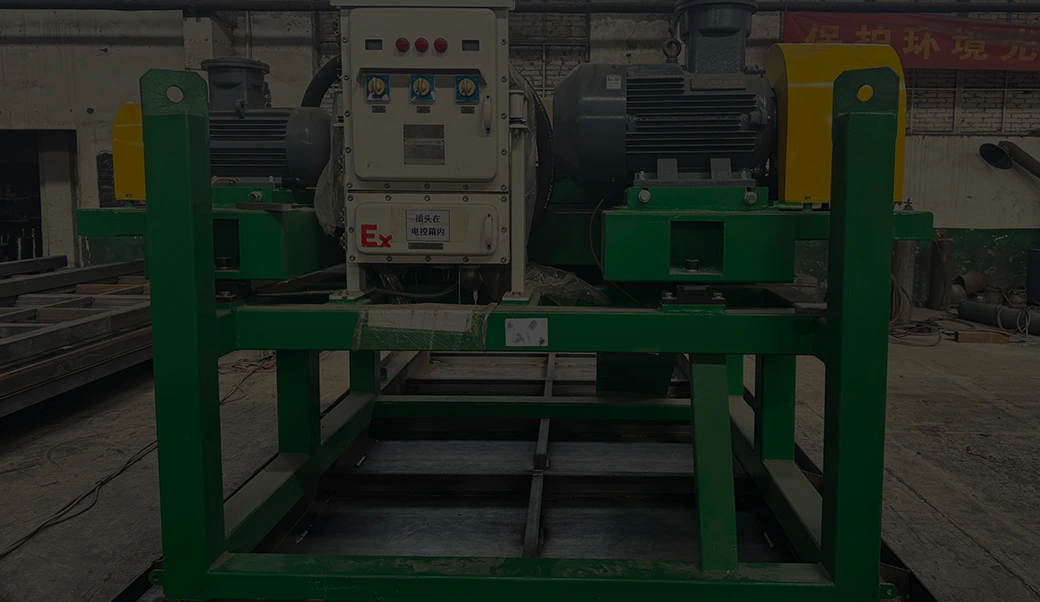
A chamber filter press helps manufacturers achieve cleaner production by applying high hydraulic pressure — typically between 6 and 20 bar — to force liquid through filter media, retaining solids as a dry, stackable cake. This solid-liquid separation process reduces sludge volume by up to 80%, cuts drilling fluid waste, and keeps production lines compliant with environmental regulations. In oilfield and industrial settings, the chamber filter press serves as the core equipment for drilling waste treatment, mud recovery, and wastewater management — making it a practical solution for any operation that needs to reduce waste output and maintain cleaner working conditions.
Understanding Chamber Filter Press Technology
How It Works
In a Chamber Filter Press, separate chambers are made by lining up recessed filter plates in a row. Feed slurry is pushed under pressure into these chambers by a pump. The liquid moves through the filter paper, but the solids stay behind. Over time, the solids build up into a hard filter cake. When the chambers are full and the filtering is done, the plates separate, letting the cake fall out. If you have a modern unit with plate moving systems, the cycle will repeat itself automatically.
Key Components
The filter plates, filter cloths, and hydraulic locking device are the three most important parts. Up to 90°C, acid and alkali can't damage filter plates, which are usually made of high-strength reinforced polypropylene. The weave depth of the filter cloth controls how many particles it keeps. The hydraulic system keeps the closing pressure between 20 and 25 MPa. This keeps the plates tightly sealed and stops slurry from leaking during filtration.
How It Compares to Other Filtration Types?
When compared to belt and screw presses, the Chamber Filter Press makes a drier filter cake, which means that a lot less waste is thrown away. Belt presses work all the time, but they leave behind more moisture. Screw presses work well with slurries that don't have a lot of viscosity, but they have trouble with materials that are rough or chemically aggressive. High-concentration, thick, and acidic slurries are common in oilfield drilling waste treatment. The chamber design handles them better with more stability and less cloth wear over time.
Benefits of Chamber Filter Press in Cleaner Production
Reducing Environmental Footprint
Tougher rules on the environment mean that some industries, like oil and gas in the U.S., need tools that cut down on waste at its source. A Chamber Filter Press takes out solids from drilling fluid, which keeps the mud clean and ready to use again. This directly lowers the amount of trash that needs to be thrown away and the amount of chemical flocculant that needs to be used. Municipal wastewater treatment uses show that chamber filtration can effectively remove water and lower the volume of sludge by 75–80%.
Cost Savings Through Fluid Recovery
Recovery of drilling fluid is one of the most direct ways to make money with a Chamber Filter Press. The filter press effectively separates solids from mud, so the fluid that is recovered can be put back into the circulation system. This cuts down on the need to buy and mix new drilling fluid, which is an expensive process for wells that last a long time. The ZC Filter Press from ZHONGCHENGJIXIE has a 37–45 kW motor and a 1250×1250 mm plate size. It can process a lot of material at a low energy cost.
Broad Industry Application
In all of these situations, effective separation is needed under tough conditions, which is exactly where this type of equipment does its best.
- Oil & Gas Drilling: Onshore and offshore drilling waste disposal and mud reduction treatment are the primary applications. The ZC Filter Press is purpose-built for these conditions.
- Mining & Tailings Management: Recovers process water from mineral concentrates such as copper and coal while producing dry, stackable tailings.
- Municipal Wastewater: Dewatering biological sludge before landfill or incineration, reducing transport and disposal costs.
- Chemical & Pigment Production: Separates fine particulates from corrosive solvents or dyes, maintaining product purity and recovery rates.
These applications share a common requirement — reliable separation under demanding conditions — which is exactly where this equipment type performs well.
Optimizing Chamber Filter Press Operations for Maximum Impact
Maintenance Practices That Extend Equipment Life
Maintenance keeps filtering working at a steady level and stops unexpected downtime. After each cycle, filter cloths should be checked for tears, clogs, or fabric deformation. Plate surfaces need to be cleaned often to get rid of cake buildup that can make the pressure spread unevenly. Every week, you should check the hydraulic oil level and the stability of the seals. If you take good care of high-grade strengthened polypropylene plates, they can last between 5 and 8 years, based on how exposed they are to chemicals and how hot they are being used.
Matching Capacity to Production Demand
The choice of filter area has a direct effect on throughput. There are a variety of Chamber Filter Presses available, with filtration areas ranging from 1 m2 to over 1,000 m2. The cake width for each chamber is typically between 25 mm and 40 mm. For drilling operations, preventing bottlenecks means matching the press's capacity to the amount of drilling waste that is made each day. When the press is too small, it has to go through many short cycles, which increases wear. Oversizing raises the cost of capital without boosting benefits. Based on the feed flow rate, solids content, and target moisture levels, a qualified manufacturer can help you figure out the right configuration.
Automation and Modern Design
Automatic plate shifting systems and cake vibrating devices are built into modern Chamber Filter Press systems to cut down on manual labor and cycle times. These features lower the cost of operation per cycle and make the machine safer by limiting the contact of workers with compressed parts. During acceptance testing, the automation logic should be checked by simulating a 24-hour cycle load test to make sure that the plate shifter and hydraulic station work reliably when they are used all the time.
Making Informed Procurement Decisions
Evaluating Suppliers
When picking a Chamber Filter Press supplier, you need to think about a number of useful issues. First, check the manufacturer's credentials. Quality and environmental standards like ISO 9001, ISO 14001, and ISO 45001 should be met by oilfield equipment. It should also have approvals from well-known groups like TÜV, BV, and HSE. Second, check to see if the supplier can make changes. The plate size, motor configuration, and structural dimensions should all be able to be changed to fit your rig or production system. Third, make sure that extra parts are available and that there is a quick response time after the sale. Drilling rig downtime costs a lot of money every day.
Total Cost of Ownership
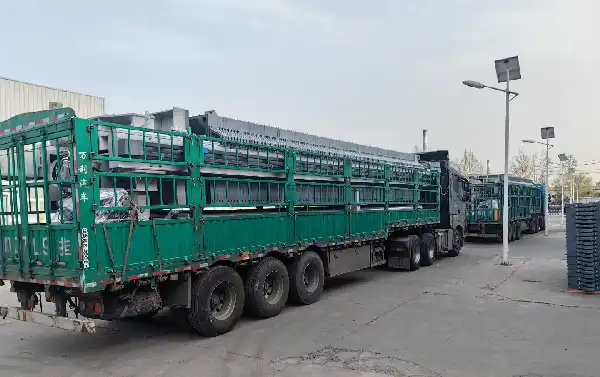
The price you pay up front is only one part of the total cost. Shipping (especially if you're buying something from another country), fitting help, commissioning time, and the guarantee period should all be taken into account. A dependable manufacturer that can deliver standard units within three days and make special orders in fifteen days lowers the risk to the project plan. Long-term technical support, such as operation manuals, engineering drawings, and on-site training, lowers the cost of ownership over time by lowering the need for outside service providers.
ZHONGCHENGJIXIE ZC Filter Press — Product Overview
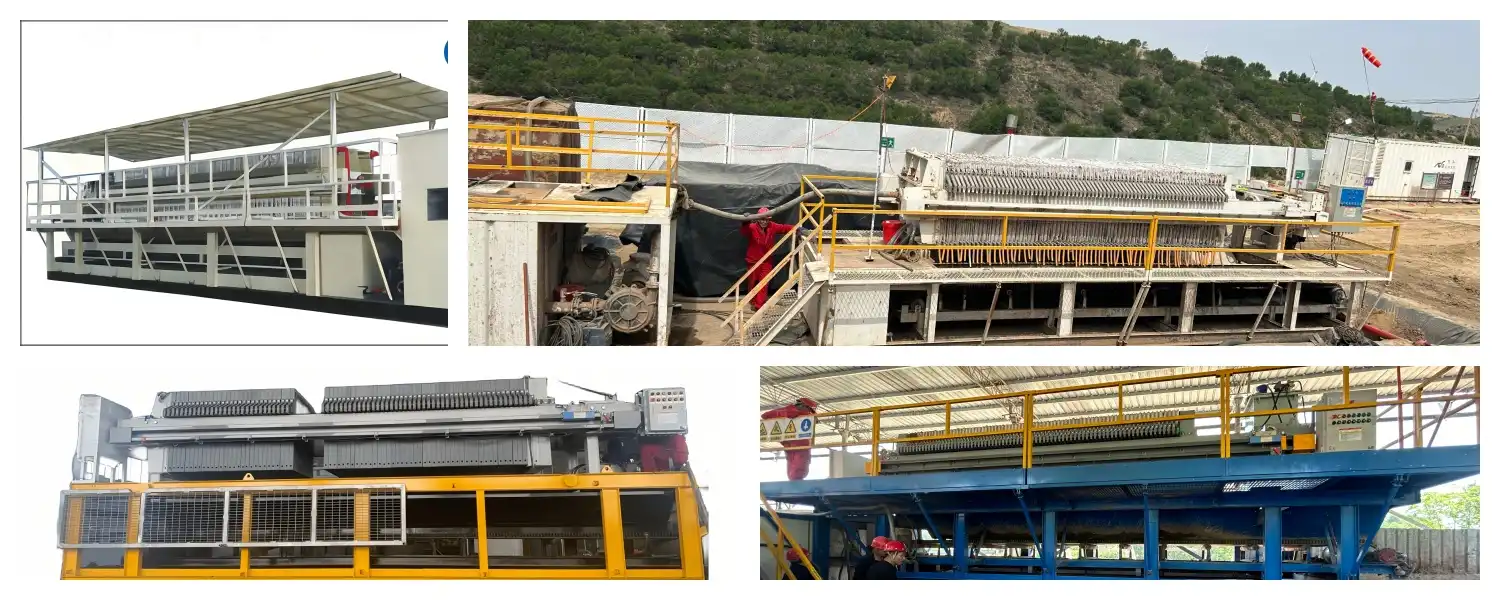
The ZC Filter Press from ZHONGCHENGJIXIE is designed to clean up drilling waste and get mud back. Its plate-and-frame design with 1250x1250 mm filter plates gives it strong filtering power and stable dehydration, even for thick, high-solids slurries. It is made of high-strength, anti-corrosion materials, so it can handle acidic media and high-concentration slurry in tough oilfield conditions without breaking down. It is easier to install and takes less time to start up because the unit works directly with current solid control systems in the field. There is standard export packaging and skilled help with commissioning.
Real-World Impact: Case Studies & Success Stories
Oilfield Waste Reduction
A drilling company that works onshore wells in an area with a lot of dust and vibration added a Chamber Filter Press to its solid control system. The result was a measured drop in the amount of drilling fluid that was wasted and better stability in the properties of the mud across multiple well cycles. The equipment's uptime stayed high because the plates were built to resist corrosion and were easy to access for maintenance.
Mining Water Recovery
A Chamber Filter Press was used in a copper mine to get process water back from the tailings slurry. This cut down on the need for freshwater and made the tailings dry enough to be stored in a dry stack. It was important for long-term performance that the plates could handle rough, high-density slurry without deforming.
Procurement Manager Feedback
A procurement manager at a medium-sized oilfield service company said that buying equipment from a company with ISO-certified quality systems, quick delivery, and helpful technical support greatly reduced the risk of buying the wrong thing. His team was able to prepare the site infrastructure ahead of time by getting engineering drawings and operation instructions before the project was put into action. This cut down on total project timelines.
Conclusion
A Chamber Filter Press solves real production issues like large amounts of sludge, lost drilling fluid, environmental compliance gaps, and high costs of removal. It cuts down on waste, returns useful fluid, and keeps production processes cleaner by using mechanical pressure to separate solids from liquids efficiently. Built to last, the ZC Filter Press from ZHONGCHENGJIXIE is highly effective at filtering and works directly with solid control systems in the oilfield. This equipment is a reliable and affordable way for drilling workers, oilfield service companies, and foundation building firms that deal with large amounts of trash to make their operations cleaner and more in line with the law.
FAQ
Which industries benefit most from a chamber filter press?
Oil and gas drilling, mining, municipal wastewater treatment, and chemical processing all depend on this equipment for efficient solid-liquid separation. In oilfield applications specifically, it handles drilling waste disposal and mud recovery under high-pressure, high-temperature conditions.
How often does the filter cloth need replacement?
Filter cloth lifespan depends on the abrasiveness and chemical composition of the feed slurry. In typical oilfield applications, cloth inspection after every cycle is recommended. Replacement intervals vary, but consistent air-blow cleaning between cycles extends cloth service life considerably.
Can it integrate with an existing solid control system?
Yes. A properly specified unit connects directly to standard mud circulation and solid control systems without major infrastructure changes. The ZC Filter Press is designed for direct integration with oilfield solid control setups.
What causes wet or uneven filter cake?
Insufficient feed pressure or a clogged filter cloth are the most common causes. Verifying cloth permeability and confirming that hydraulic closing pressure matches feed pump pressure typically resolves the issue.
What is the standard plate lifespan?
With reinforced polypropylene plates and correct maintenance, plates last 5–8 years under normal chemical and temperature conditions.
Get Your Custom Chamber Filter Press Solution from ZHONGCHENGJIXIE
ZHONGCHENGJIXIE sells certified Chamber Filter Press machines that are made to meet the needs of the oilfield and industrial output. We sell straight from our factory and ship in-stock items in 3 days. We have ISO 9001/14001/45001 certifications, as well as TÜV and BV approvals. We have been making things for over 30 years. You can email our team at oliver@zcgukong.com or go to zcsolidscontrol.com to get a quote and an engineering consultation that are specifically made for your project.
References
1. Wakeman, R. J., & Tarleton, E. S. (1999). Filtration: Equipment Selection, Modelling and Process Simulation. Elsevier Science.
2. Purchas, D. B., & Sutherland, K. (2002). Handbook of Filter Media (2nd ed.). Elsevier.
3. American Petroleum Institute. (2010). API Recommended Practice 13C: Drilling Fluids Processing Systems Evaluation. API Publishing Services.
4. U.S. Environmental Protection Agency. (2016). Effluent Limitations Guidelines and Standards for the Oil and Gas Extraction Point Source Category. EPA Office of Water.
5. Metcalf & Eddy / AECOM. (2014). Wastewater Engineering: Treatment and Resource Recovery (5th ed.). McGraw-Hill Education.
6. International Organization for Standardization. (2015). ISO 9001:2015 Quality Management Systems — Requirements. ISO.