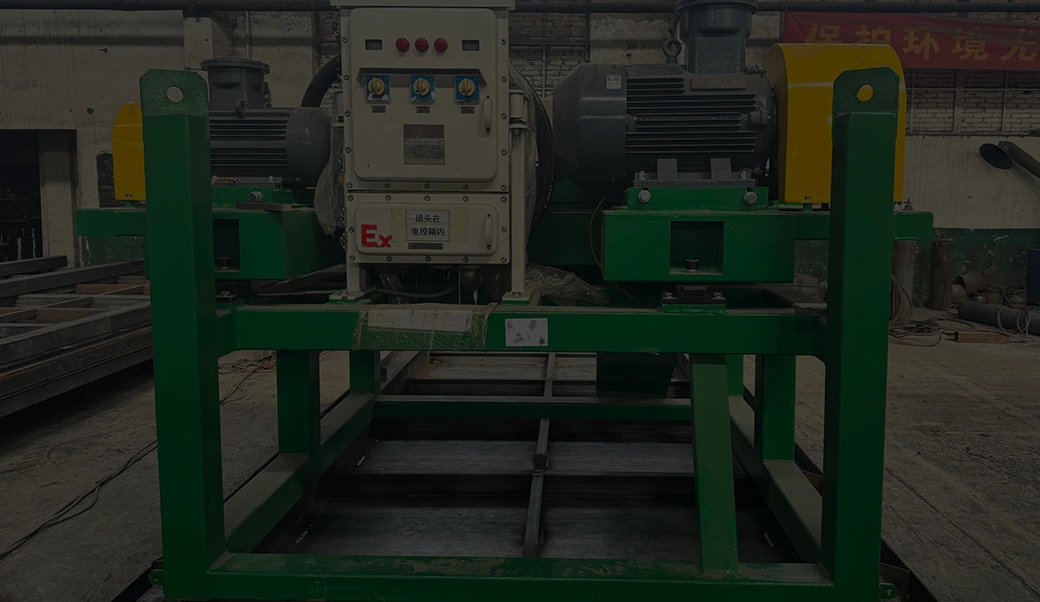
A Screw Conveyor moves drilling cuttings, sludge, and separated solids through a closed trough or tube with a rotating helical flight, so solids reach the next machine without spills, dust, or shoveling. In drilling waste processing systems, it links shale shakers, centrifuges, dryers, hoppers, and collection skips into one continuous line. I wrote this guide for procurement managers, drilling engineers, and EPC teams in the United States who must choose the right design. It explains how the equipment works, what to specify, how to compare options, and how to buy with confidence.
Why a Screw Conveyor Matters and How It Works
The Role of Solids Transfer in Drilling Waste Lines
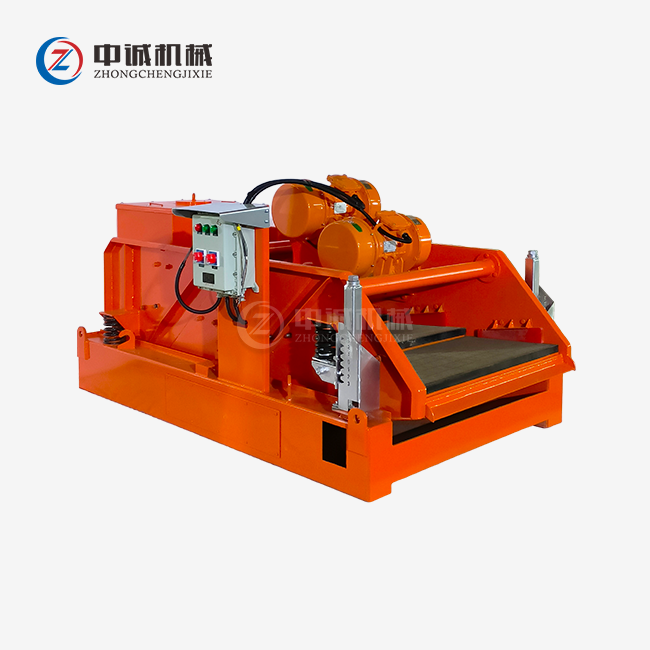
The trash from drilling never stays put. Cuts from the shale shaker fall off, wet solids from the centrifuge fall, and dried material from the cutting dryer piles up under it. It's what every stream has to go through to get to a skip, hopper, or filter press. In order to move things from one place to another, crews have to constantly shovel or run loaders. This causes mess, dust, and lost rig time. There isn't enough site space; there isn't even feeding, there is buildup, there is sand wear, and the amount of water in the soil changes. Things can be picked up, moved, mixed up, and dumped all in one line by a Screw Conveyor. The shale shaker, cutting dryer, filter press, and gathering bin are all connected in our Solids Control Systems. This makes sure that the action stays smooth, tight, and on its own.
How the Conveying Action Works?
The shaft is turned by an engine and a control. The helical flight goes around in a tube or trough that can't be opened. The load can't move with the screw because the blocks and the housing are in the way of each other. Instead, the stuff rolls forward until it hits the exit and falls out. The output can be changed by the screw speed, pitch, form of the trough, fill level, mass density, and slope. Cuts that are wet, sticky, thick, or dirty can block the intake, make it slide backward on a hill, or stress the drive too much. People shouldn't touch moving parts when using continuous screws. This keeps them safe and gives tools further down the line a steady feed.
Operating Parameters Worth Tracking
This is what I think you should write down: noise, shaking, feed rate, motor current, and how steady the discharge is. Each one shows a different mistake. Too often, the dip gets too full or builds up when the flow goes up. It's possible that a bearing isn't clean or lined up right if it's warm. Most of the time, worn flights or bridges at the entrance are to blame for uneven flow. Compare each reading to the numbers that were written down when the machine was first set up. This can help you find bugs days before they happen. You should use a trend instead of a single spike. The strange sound stands out right away because ZC units don't make a lot of noise. When you need help, give your provider the log.
Components, Design Inputs, and Capacity
Key Components and Material Choices
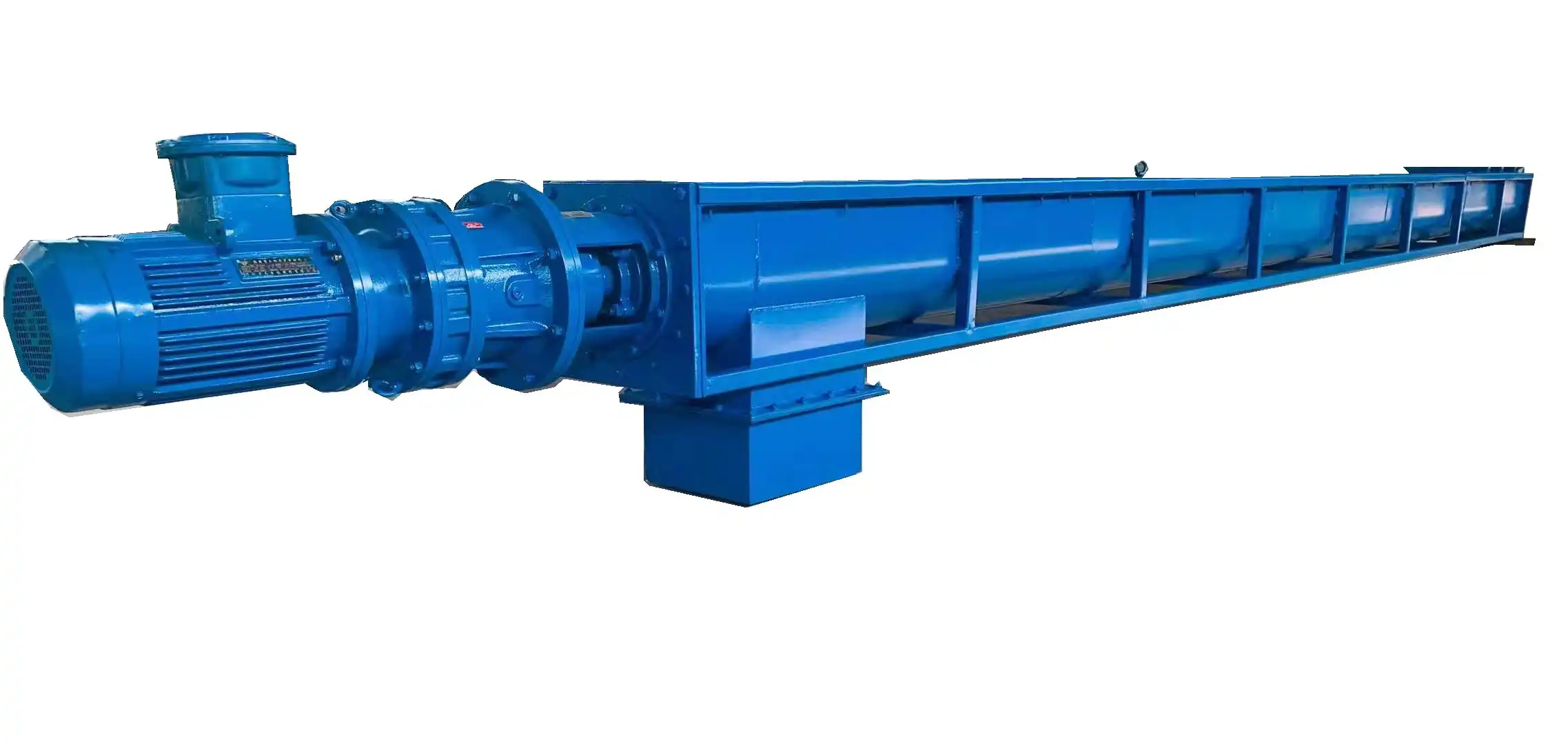
There are six main parts that make up every Screw Conveyor. A screw with flights, a shaft, a case, a drive with a motor and a gear, bearings, and links make up the machine. Things like inspection lids, cleanout holes, guards, and sensors that are added on are useful. ZC units add metal bushings that don't wear out to the middle hanger bearings to keep the shaft from moving on runs longer than 6–9 meters. Tungsten carbide or alloy steel that doesn't break down is used for digging trash flights because they are hard. They last three to five times longer than regular carbon steel blades because of this. Most helical blades have edges made of thicker high-strength manganese steel. Silver or gold-colored SS304 or SS316L stainless steel doesn't rust and is simple to clean.
Design Inputs and Orientation
That's why telling people about your plans for a Screw Conveyor is the first thing you should do. It is important to know about things like the size, abrasiveness, corrosion risk, working hours, conveyor length, incline, output height, and accessible area of the material. After that, direction changes how well someone does. You can make the best use of room and power in a straight plan. When plans are curved, room is lost, more power is used, and overflow is more likely to happen. To move things up and down, you need a special fast machine. Slopes from 20° to 45° can be handled by units with tubes, but flat runs are best for units with U-troughs. It should also have drains and a cleanup for things that are wet or dirty, and it should be covered so that dust and smells don't get in.
Capacity and Speed Calculation
How much volume a screw can hold is based on its cross-section, pitch, speed, and fill percentage. Take the volume and multiply it by the bulk density to get the mass rate. The CEMA guidelines use three different trough loading numbers. These numbers depend on how rough the stuff is. Cuts that are wet, sludge, or trash that sticks together can knock over tables that are set on things that don't move. Things can hold more when the speed goes up, but they also wear out faster and use more power. It's up to the provider, sample plans, pilot tests, or reports from the field to make sure that each plan is right. You can choose the right speed for the job on the ZC conveyor, which goes from 15 to 45 m³/h.
Comparing Types and Choosing the Right One
Shafted, Shaftless, Trough, and Tubular Designs
Long runs work best with hanger bearings, but screws with shafts are more stable over long distances. Shallow screws don't need shafts to remove water from mud because they can handle solids that are sticky, thick, or stringy and would wrap around a center line. How the house is built is also important. It's easy to open and clean the lid of a U-trough. It can also be used to move wet, stickier mud patches and cuts across the ground. This is the choice that material control systems make most of the time. That's all you can get out of it. It works with cement, barite powder, dry powders, and grains, even at higher lifts.
Screw Conveyors Compared with Belt and Drag Conveyors
It's easier to use a Screw Conveyor than a belt conveyor. The case is closed, so smells and dust stay inside. It's small and can be set up straight or at an angle. When chains are inside a case, they move objects. There are more moving parts on the chains, so they need more work to stay in good shape. Flexible Screw Conveyors work well for short, curved paths where materials can move freely. But you need stiff industrial patterns for rough, heavy cuts. It's not always one type that wins. The distance, height, flow, need for control, and your ability to keep it up should all play a role in your choice.
A Practical Selection Process
I start by writing down information about the material, such as what kind it is, how wet it is, how thick it is, how hot it is, how rough it is, and whether there are any rusty or trashy pieces or fiber-like contamination. Then I check to see if the design works for the job, whether it's feeding, moving, weighing, mixing, collecting, changing, or feeding. Then I look at how safe the product is, how long it lasts, how easy it is to maintain, how easy it is to get replacement parts, how well it controls the mud system on rigs from ZJ30 to ZJ90, and how well it works with the mud system. Last but not least, I do not only compare prices when I compare sites. I also look at their professional skills, licenses, drawings, and how much it will cost me to own them all. Someone who is honest can answer your technical questions faster because the design team stands behind the quote.
ZC Screw Conveyor Features and Buying Considerations
ZC Screw Conveyor Specifications
Everything is sealed up, so the ZC Screw Conveyor can always move things without making any dust. Several sets of modules with more than one stage can power up to 30 meters. One drive unit can power up to 15 meters. It's going from 15 to 45 m³/h. A motor and a gear make up the single drive. It can still start, even though it's under a lot of stress. It's easy to use but very strong. It's great because it doesn't get stuck, keeps dust out, is easy to set up, and doesn't need much upkeep. It is used for sludge, chemicals, building, mining, and drilling waste. We can change the length and angle of these pieces to fit the plan of your spot because they are flexible.
Safety, Environmental, and Compliance Features
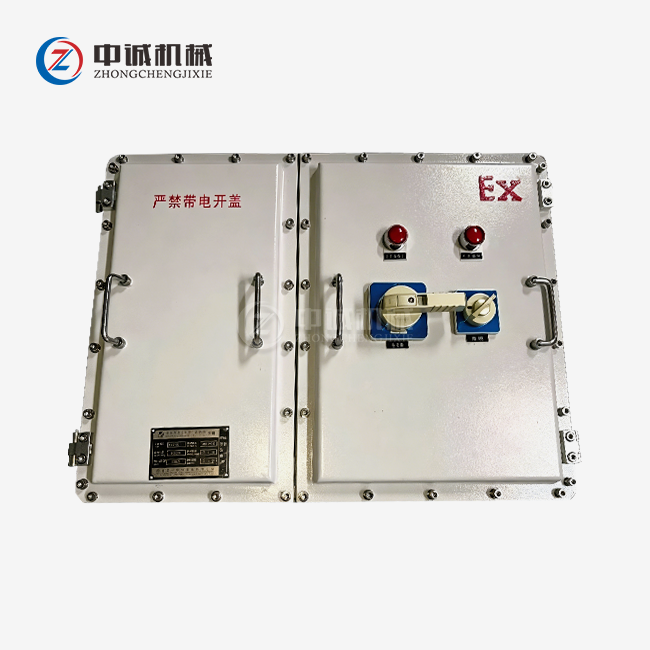
We have oil drilling machines and control systems that are safe from blasts, such as Ex d II BT4/CT4. They can shut down in an emergency or if it gets too busy. The U-shaped chute has a safety wall and a cover that won't slip. A pull-cord switch or an emergency stop button makes it easy for someone else to take over quickly. Cuts from drills don't leak, spill, or smell bad because they stay in the trough or tube. The well site is now a better place to be. This item is safe because it has been approved by HSE, TÜV, and BV. It also has ISO 9001, ISO 14001, and ISO 45001 marks on it. When buyers check out a seller, they can ask for these papers.
Cost, Quotation, and Customization
The price is based on the size, shape, length, slope, capacity, building material, drive system, liners, sensors, controls, needed inspection, packaging, and help with installation. If you need custom engineering because you are short on time, have solids that are acidic or scratchy, need to clean up, or there are safety rules in a certain area, you should let us know. It is possible to make your own choices and use normal export packaging when you use ZHONGCHENGJIXIE. There are times when items in stock are sent out within three days. Special orders, on the other hand, take about fifteen days. We need to know about the resources, their size, capacity, slope, power supply, and the conditions of the spot in order to give you a good price. Check the prices and make sure the ones that come with plans, training, a one-year warranty, extra parts, and service after the sale are the ones you want.
Installation, Applications, and Final Checklist
Installation, Startup, and Maintenance
Before you turn on the machine, make sure the stops, the guards, the sensors, the emergency stops, the inlet and exit changes, and the base are all level. Make sure the screw can be moved by hand. Do not fully load the drive when you restart unless it was made to do so. You should instead start with the tools upstream and then add stuff slowly. Check the temperature, the current, the noises, the flights, the liners, the bearings, the seals, the motor, the gearbox, and the motor as part of regular maintenance. We make it easy for people who work in the field to fix everyday problems. In this case, you should either feed them less or clean out the inner trough. If you hear a strange sound, check the blade, reducer, and bearing. Check the seal and cap for any messes. If it doesn't work right, change the speed or look at the blade.
Application Examples
It's important for drilling chips that come from wet drilling to be able to drain and stay dry. They should also be able to change speed, be simple to clean out, and allow you to change the force. For this job, a U-trough with an open lid can be used. The entrances must be stronger, the flights must not wear out, the liners must be able to be changed, and the machine must be checked often. Stringy stuff can't be wrapped around it because there is no center shaft. Units with a sealed shaft are good for sludge and solid garbage because of this. The form is used in mines, chemicals, building, and the same way. The plates are made of brushed stainless steel or heavy-duty steel. It is very important to keep dry powders like cement and barite from getting dusty. It is easy to work on OEM and EPC projects when the sections and connections are ready to use.
Final Selection Checklist
I think you should read three reviews before you ask about rates.
• Process review: Check the steps again: What kind of material it is, how much it can hold, how fast it can feed, how dense it is, how much water is in it, how big the pieces are, how likely it is to rust, how hot it is, and where it will be used. They tell you what kind of ride it is, how fast it goes, and how safe it is to wear. A price doesn't always match the job on site because there isn't enough information.
• Mechanical review: The length, angle, output height, screw width, pitch, speed, construction type (shafted or shaftless), motor, gearbox, torque, liners, seals, bearings, and access covers of the conveyor should all be looked at. Each part changes how much power the unit needs, how long it lasts, and how easy it is for your crew to clean or fix when they stop.
• Project review: Look over the project again. Look at the plans, certificates, checks, delivery date, help with setup and tests, guarantee, extra parts, and get ideas for how to keep it in good shape. To help you understand, find out what other service providers offer on the same subject and terms before you sign. After the order is made, there won't be any hidden costs.
It fills in any blanks in the specs and gives all buyers the same details they can use to price things.
Conclusion
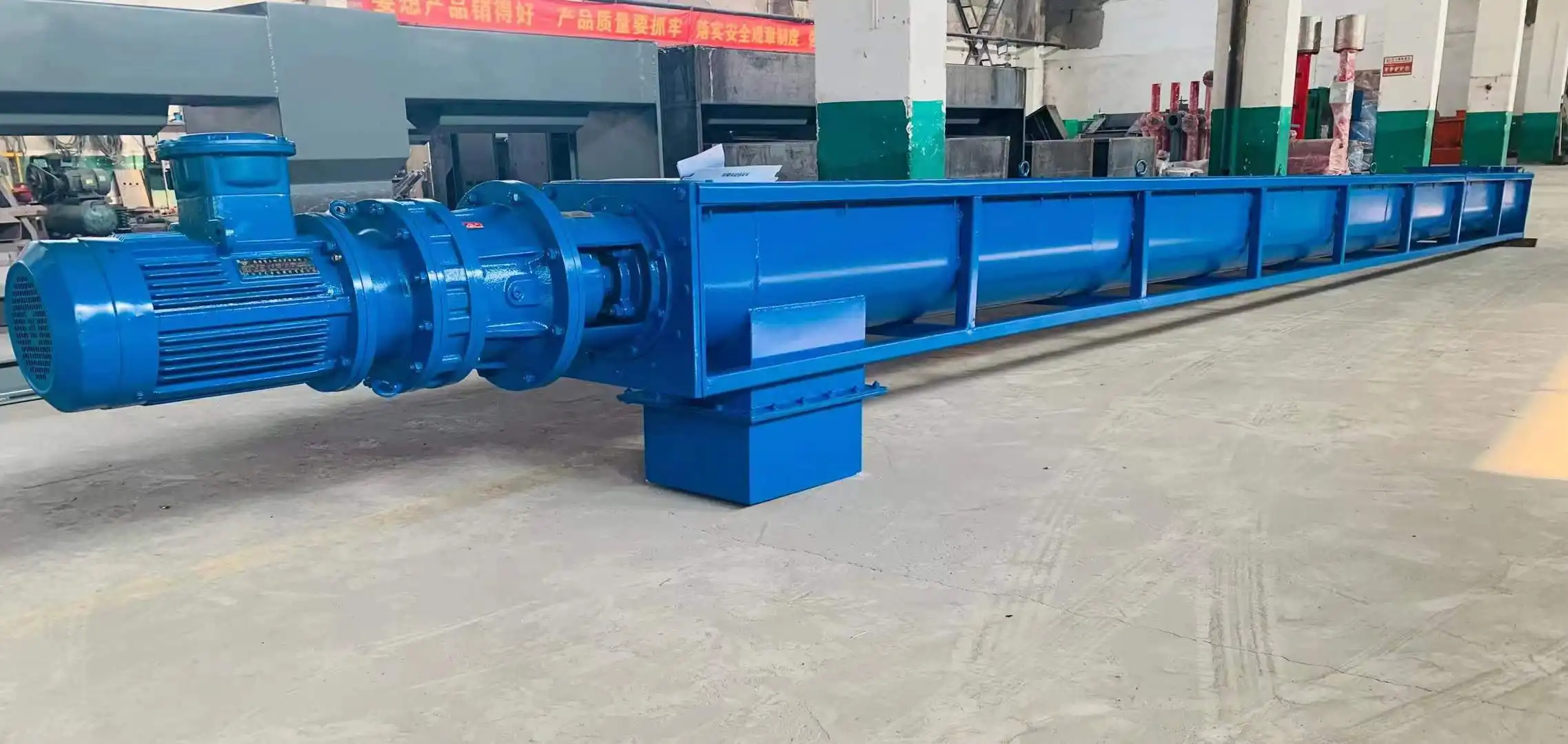
A Screw Conveyor keeps the trash lines from getting drilled shut and makes sure that they can easily move between dryers, shakers, and hoppers. It moves cut-ups, sludge, and solids that have been arranged. A screw's pitch, fill level, mass density, and slope can all change how well it works. Normal loads aren't enough to plan for trash that is rough or wet. Screw, belt, and pull conveyors can all move different kinds of things. Screws with and without shafts, U-trough and tube housings, and screw, belt, and drag conveyors are some of these. Hanger bearings, explosion-proof drives, and sealed housings are all made to last and can handle dust, wear and tear, and shaft sway. It's easy to get accurate quotes from different sources when you use the right material data, check the alignment, keep an eye on the load, and do regular reviews.
FAQ
What Information Do You Need for an Accurate Quotation?
What kind of material it is, how much water is in it, its mass density, particle size, load capacity, length, slope, and power source should all be sent. Our engineers can see the height and width of the discharge before they suggest a diameter and drive. This makes them the best.
How Do I Choose Between Shafted and Shaftless Designs?
If you need long, straight pieces, choose shafted. If your slime is stringy or sticky and would wrap around a middle pipe, this is the best choice. A U-shaped trough is often used for wet cuts in solids control systems because the top can be opened. It's easy to clean, which is why.
Can a Screw Conveyor Handle Abrasive Drilling Waste?
Yes, as long as you have the right safety gear on. The hard-facing on these flights is made of alloy steel or tungsten carbide, so they don't wear down quickly. In other words, they last three to five times longer than regular carbon steel flights. The cost of upkeep is low because the liners can be changed and the machine is checked often. Drilling waste can be moved by a Screw Conveyor.
Request a Screw Conveyor Design and Quotation from ZHONGCHENGJIXIE
Want to find a Screw Conveyor Manufacturer who can make a system that works perfectly where you live? You can buy from ZHONGCHENGJIXIE straight away. They've been in business for over 30 years. For items that are in stock, they ship in three days and offer full technical support and custom engineering. You can email oliver@zcgukong.com with your material information, ability, and plan if you want to find out more. Our staff will help you choose the right width, flights, drive, and wear safety for your job.
References
1. ANSI/CEMA Standard No. 350, Screw Conveyors, 2015
2. Roberts, A.W., Powder Technology, "The Influence of Granular Vortex Motion on the Volumetric Performance of Enclosed Screw Conveyors," 1999
3. ASME Shale Shaker Committee, Drilling Fluids Processing Handbook, 2005
4. ISO 13501, Petroleum and Natural Gas Industries – Drilling Fluids – Processing Equipment Evaluation, 2011
5. Perry's Chemical Engineers' Handbook, 9th Edition, 2019
6. Bourgoyne, A.T. et al., Applied Drilling Engineering, SPE Textbook Series, 1986