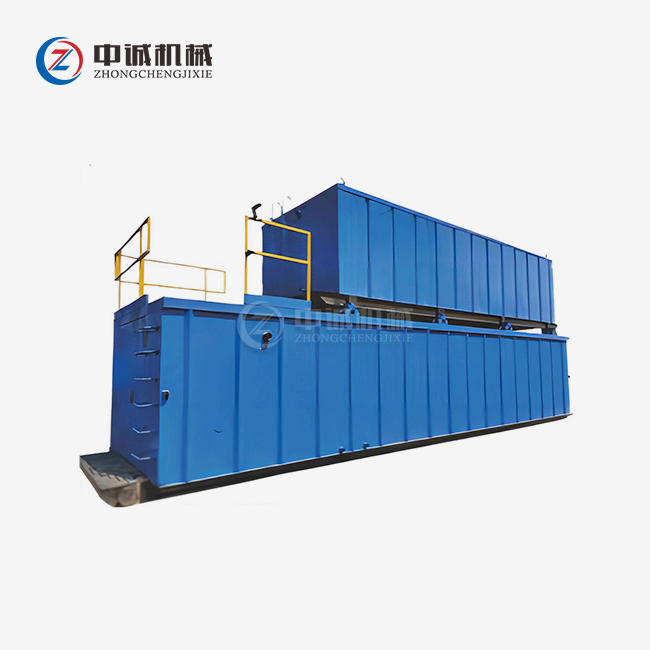
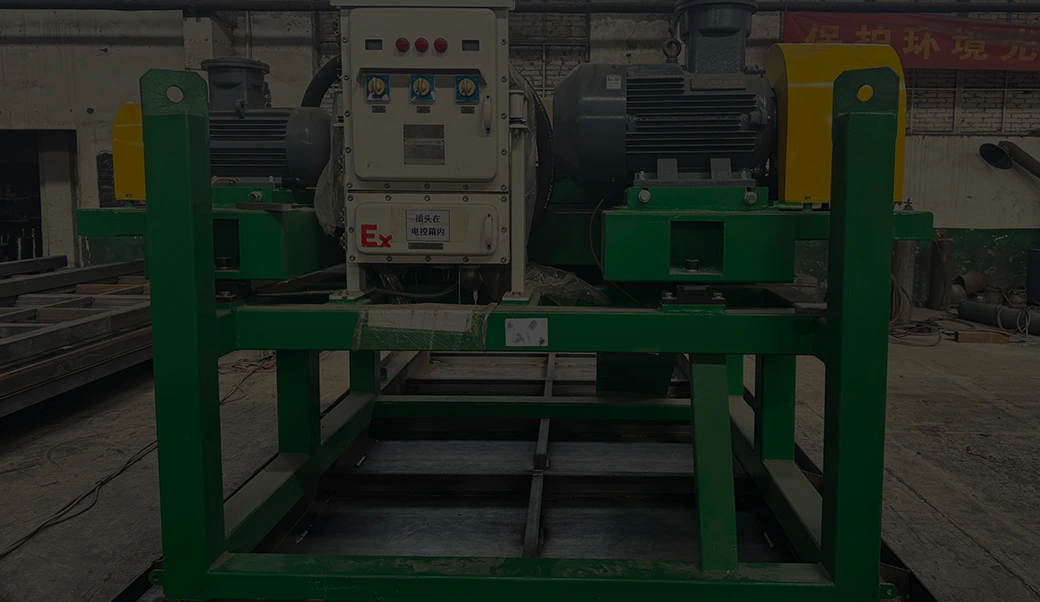
Yes, a pharmaceutical dispensing tank can directly improve batch consistency and material handling. These specialized vessels are engineered to store, mix, and dispense chemicals or drilling additives with measurable precision. In both pharmaceutical-adjacent and oilfield chemical dosing applications, a well-designed dispensing tank eliminates the variability that comes from manual handling, open containers, and inconsistent mixing ratios. The ZC Pharmaceutical Dispensing Tank from ZHONGCHENGJIXIE delivers exactly this kind of control — with a fully sealed, corrosion-resistant build that maintains chemical integrity from storage through final dosing.
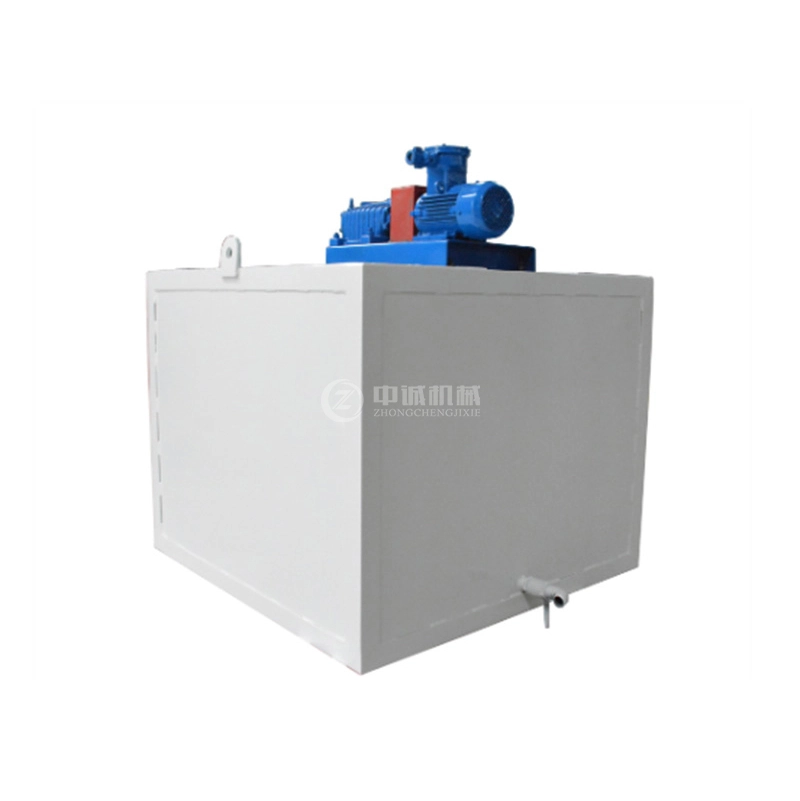
Understanding Pharmaceutical Dispensing Tanks and Their Role in Batch Consistency
In any batch process, controlling the inputs is the first step to getting consistent output. The first line of defense against variation is a dispensing tank. Knowing how it works is the first step toward better buying.
What Makes a Dispensing Tank "Pharmaceutical-Grade"?
Wetted surfaces on pharmaceutical-grade pouring tanks are usually made of AISI 316L stainless steel, which can achieve interior surface finishes of Ra ≤ 0.4μm or better. This level of finish stops biofilm from sticking and makes cleaning easier. Because drilling lubricants can be very reactive, chemicals used in the fields need to have the same level of corrosion protection.
Role of Sensors and Automated Controls
These days, dispensing jars have temperature probes, load cells, pH monitors, and conductivity meters built right in. These tools give feedback in real time, which makes it possible to precisely measure materials and lowers the chance of human error that leads to differences between batches. The ISPE's Baseline Guide for Vessels (2018) says that automated metering control can cut dosing differences by as much as 40% compared to manual methods.
How Sealed Design Protects Chemical Integrity?
The ZC pouring tank from ZHONGCHENGJIXIE has a fully sealed design that keeps out airborne pollutants and moisture. For hygroscopic drilling additives that break down in water, this is especially helpful. The sealed design keeps the chemical properties of the things that are being stored safe before they even get to the mixing stage.
Challenges in Traditional Material Handling and Batch Processing
Standard chemical tanks were not made with accurate dosing or keeping chemicals from getting contaminated in mind. The flaws become practical problems when buying teams use them in sensitive dosing settings.
Contamination from Open or Semi-Sealed Systems
Tanks with open tops and vessels that aren't covered properly let dust, wetness, and airborne particles touch chemicals that are being kept. On busy drilling sites, where dust and other particulate matter are always present, this contamination can make additives less effective and make the mud properties downhole less uniform.
Inconsistent Dispensing Leads to Batch Variability
If the dispensing controls of a Pharmaceutical Dispensing Tank aren't calibrated, operators have to guess or measure by hand. According to a study published in the Journal of Pharmaceutical Sciences (2020), manual dispensing causes an average difference of 3–7% per batch. This difference has a direct effect on how well the fluid works in sensitive drilling operations.
Maintenance and Cleaning Inefficiencies
If you don't treat the inside of your tanks properly, dust builds up in the welds, corners, and pipe dead-legs. Cross-contamination happens between batches, and it takes longer to clean up afterward. Cleaning downtime is a direct cost driver for drilling companies who have to stick to tight plans, and standard tanks make this problem worse, not better.
These problems aren't small annoyances; they pose real threats to the efficiency of digging, the cost of chemicals, and following the rules. An answer that was made just for them is needed to deal with them.
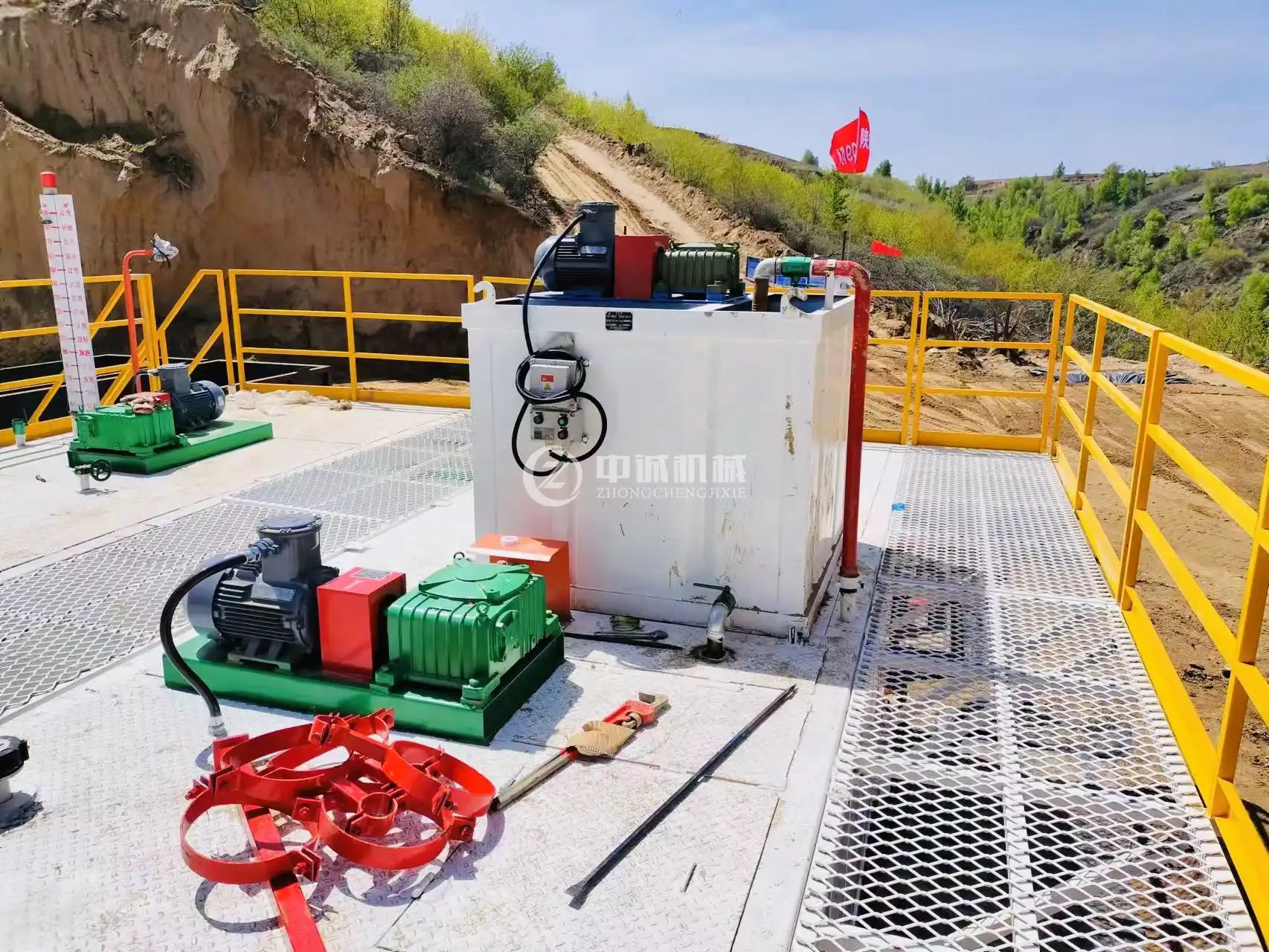
How Pharmaceutical Dispensing Tanks Address Material Handling and Batch Consistency Challenges?
The ZC Pharmaceutical Dispensing Tank was made to fill in the gaps in functionality that regular tanks leave. Its design takes into account contamination, accurate dosing, and compatibility with the site all at the same time.
Because of the way engineering works, this is possible:
- Sealed Moisture-Proof Structure: The fully enclosed design prevents chemical dampness and atmospheric contamination. This is especially critical for drilling additives sensitive to humidity, ensuring stored materials retain their specified properties until the moment of use.
- Corrosion-Resistant, Non-Toxic Materials: The tank body is manufactured from materials selected for chemical inertness toward common drilling additives. Non-reactive construction prevents unintended chemical interactions that would alter additive concentration or effectiveness.
- Optimized Capacity with Accessible Configuration: Volume sizing is matched to the dosing requirements of the target rig class (ZJ30 through ZJ90), allowing operators to access, measure, and dispense additives without unnecessary delays or overfilling risks.
- Full Compatibility with On-Site Solid Control Systems: The tank integrates directly with existing mud circulation and solid control equipment, supporting stable chemical storage without requiring additional interface hardware or workarounds.
Compatible with On-Site Solid Control Systems in Full: The tank works with the existing mud circulation and solid control equipment, so it can store chemicals safely without the need for extra hardware or workarounds.
Comparative Insights: Choosing the Right Dispensing Tank for Your Application
Not every pouring dish can be used for every task. The choice depends on how well the materials work together, how much space is needed, and the working surroundings.
Stainless Steel vs. Polymer Construction
Tanks made of stainless steel, especially 316L grade, last longer, can handle higher temperatures, and are easier to clean in tough weather conditions for a Pharmaceutical Dispensing Tank. Polymer tanks may work well for lighter-duty or movable tasks where weight is an issue, but they are more likely to become contaminated over time in rough or hot places like digging sites.
Matching Tank Capacity to Rig Class
The ZC tank has a number of different size designs that can be changed. Dosing volumes for smaller rigs like ZJ30 and ZJ40 are different from those for larger rigs like ZJ70 and ZJ90. Choosing the right capacity keeps operational costs in line with project budgets and stops chemicals from being ordered in excess.
Total Cost of Ownership Over Purchase Price
When buying something, choices based only on unit price often don't take into account the costs over time. A well-made pouring tank that doesn't need much upkeep, doesn't rust, and doesn't need to be serviced often will have a lower total cost per batch than cheaper options that need to be fixed or replaced more often. From the component level up, the ZC tank's design puts service life first.
Procurement Guidance: Selecting and Partnering with the Right Pharmaceutical Dispensing Tank Supplier
Picking a distributing tank provider is not a one-time deal; it's a long-term choice. The right partner will have the technical Knowledge, certified products, and support skills that you need for your business.
Certification and Compliance Requirements
The ZC Pharmaceutical Dispensing Tank has been approved by HSE, TÜV, and BV, as well as ISO 9001, ISO 14001, and ISO 45001. These certificates show that both the process of making the product and the end item meet international quality and safety standards. This is usually needed for oilfield and EPC purchase qualification processes.
Customization Capability Matters
Geography, rig type, fluid system type, and site infrastructure can all affect how drilling is done. Your tank's size, material choice, structure, and additional packages can all be fully customized by ZHONGCHENGJIXIE. Custom orders are usually finished in 15 days, and configurations that are in stock ship in 3 days.
After-Sales Support and Spare Parts Availability
A source is valuable even after the arrival date. ZHONGCHENGJIXIE provides full technical documents, such as engineering drawings, operation manuals, and instructions on how to install the product. The business guarantees all of its equipment for a year and keeps spare parts on hand for long-term support in the field.
Conclusion
If chemicals are kept, weighed, and dispensed correctly before they enter the process with a Pharmaceutical Dispensing Tank, they will be consistent from batch to batch and be easy to work with.
FAQ
What certifications should a dispensing tank carry for oilfield applications?
At minimum, look for ISO 9001 quality management certification, ISO 14001 environmental certification, and relevant field safety approvals such as HSE, TÜV, or BV. The ZC tank from ZHONGCHENGJIXIE carries all of these, confirming compliance with international manufacturing and environmental standards.
Can the tank be customized for different rig classes?
Yes. ZHONGCHENGJIXIE supports custom specifications covering tank dimensions, structural configuration, material selection, and accessory packages to match rig classes from ZJ30 through ZJ90. Custom orders are delivered within 15 days.
How does a sealed dispensing tank reduce chemical waste?
By preventing moisture ingress and atmospheric exposure, a sealed tank protects hygroscopic or reactive drilling additives from premature degradation. This directly reduces the volume of unusable material discarded per batch, cutting chemical procurement costs over time.
Is the tank compatible with offshore drilling environments?
Yes. The corrosion-resistant material construction and sealed design make the ZC tank suitable for both onshore and offshore mud treatment and chemical dosing applications, where humidity, salt air, and vibration are constant factors.
What is the lead time for a standard unit?
In-stock configurations ship within 3 days. Customized orders are typically completed and dispatched within 15 days from order confirmation.
Contact ZHONGCHENGJIXIE for a Pharmaceutical Dispensing Tank Quote
Look for at least ISO 9001 certification for quality management, ISO 14001 certification for environmental management, and safety approvals from HSE, TÜV, or BV for the appropriate area in a Pharmaceutical Dispensing Tank. All of these are on the ZC tank from ZHONGCHENGJIXIE, which proves that it meets international standards for manufacturing and the environment. To get a setup review and equipment price, email us at oliver@zcgukong.com or go to zcsolidscontrol.com.
References
1. International Society for Pharmaceutical Engineering (ISPE). Baseline Pharmaceutical Engineering Guide: Vessels. ISPE, 2018.
2. Levin, M. "Mixing and Blending in Pharmaceutical Manufacturing." Journal of Pharmaceutical Sciences, Vol. 109, No. 4, 2020.
3. American Society of Mechanical Engineers. ASME BPE: Bioprocessing Equipment Standard. ASME, 2022.
4. Parenteral Drug Association (PDA). Technical Report No. 55: Cleaning Validation of Pharmaceutical Manufacturing Equipment. PDA, 2012.
5. World Health Organization. WHO Good Manufacturing Practices for Pharmaceutical Products: Main Principles. WHO Technical Report Series No. 986, 2014.
6. API (American Petroleum Institute). API RP 13C: Recommended Practice on Drilling Fluids Processing Systems Evaluation. API, 2010.