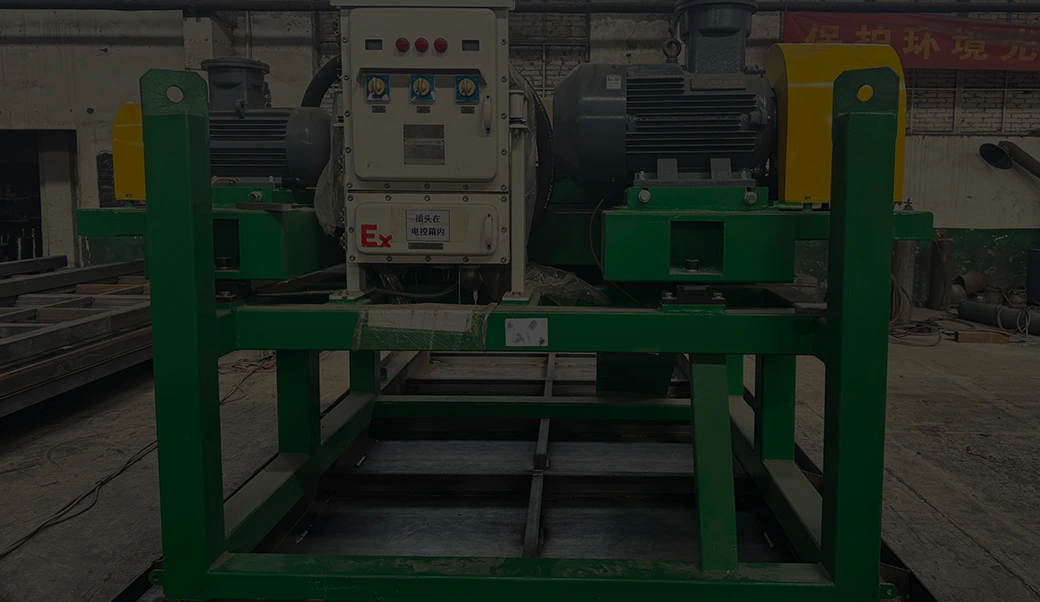
A mud agitator is a vital mechanical component within any solids control system, engineered specifically to keep drilling fluid homogeneous inside mud tanks. By continuously rotating its impeller through the fluid column, it prevents weighting agents like barite and fine drill cuttings from settling at the tank bottom. Without reliable agitation, mud density becomes inconsistent, hydrostatic pressure fluctuates unpredictably downhole, and sludge accumulates—shrinking effective tank volume and complicating cleaning operations. For drilling contractors and procurement engineers, selecting the right agitation unit is one of the most consequential decisions in building an efficient mud circulation system.
How the Core Components Work Together
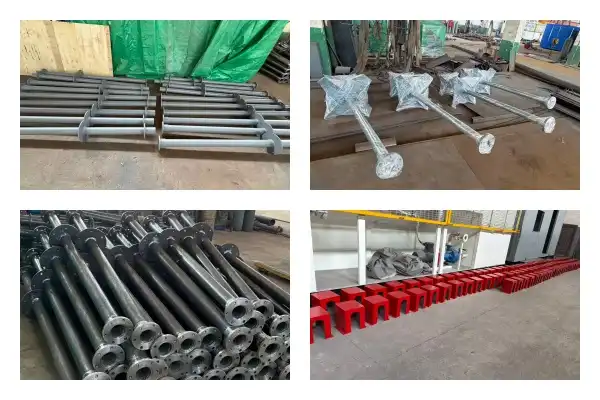
An explosion-proof motor, an industrial-grade gear reducer, a drive shaft, and one or more impellers fixed at calculated submersion levels make up a drilling fluid agitator. The motor sends torque to the gearbox, which can be either a worm gear or a helical-bevel gear unit. This slows the spinning speed down to a useful range of 60–90 RPM while greatly increasing torque. This mechanical energy is then turned into axial fluid movement by the impeller. This creates a top-to-bottom circulation pattern that keeps solids evenly suspended throughout the tank volume.
The shape of the blades is very important for how well they mix. Canted-blade impeller designs encourage axial flow over radial flow alone, which allows for greater entry into fluids with a high density while using less power. At Zhongcheng, every Mud Agitator shaft and impeller assembly is dynamically balanced according to ISO 1940 standards. This directly lowers the wear and tear on the shaft welds and the gearbox internals caused by vibration.
Types of Mud Agitators and Their Applications in Drilling
Matching Configuration to Operational Context
There are mud tank agitators with both vertical and horizontal shafts. Most oilfield Solids Control Systems are vertical units, which mount directly onto the tank top deck, take up very little space, and can handle the big rectangular tank shapes that are common on ZJ-series drilling rigs. Horizontal configurations are useful in some situations, like when there isn't much headroom or when the shape of the tank requires lateral flow induction.
When digging in acidic conditions, the choice of material is very important. For most onshore sites, marine-grade epoxy coatings on carbon steel are the most cost-effective option. Stainless steel shafts and impellers are better for geothermal or chemically aggressive fluid environments where salt or acid attack is a real concern.
Our Mud Agitators are mostly used for three main tasks:
- Oil and gas drilling fluid circulation systems — taking care of heavy, dense muds in working and backup tanks on land rigs that range in size from ZJ30 to ZJ90.
- Trenchless HDD mud storage tanks — keeping the bentonite slurry from settling during horizontal directional drilling pulls, which can cause pipe clogs and surface blowouts when the thickness isn't uniform.
- Geothermal and water well drilling — using special heat-resistant shaft seals to maintain performance integrity while the drilling fluid stays stable at high temperatures.
In all of these situations, the fluid needs to be homogeneous all the time, even when things are tough. A Mud Agitator that is well-designed can provide this.
Benefits and Common Challenges of Using Mud Agitators in Mud Tanks
Why High-Quality Agitation Equipment Pays for Itself
When procurement teams look at the total cost of ownership, they always find that reliable mud tank mixing equipment lowers the overall cost of drilling instead of raising it. Stable solids suspension keeps mud weight stable, which saves drilling edges, cuts down on barite use, and limits the damage that changes in density can do to the rock. Stable rheological qualities also make downstream solids control equipment last longer. Shale crushers, desanders, and centrifuges all work better when the feed fluid has the same density and viscosity.
These are the main performance benefits of a well-built unit:
- High mixing performance: The shape of the impeller and the torque grade of the gearbox work together to fully mix the drilling fluid additives into the base mud, getting rid of chemical stratification zones that would cause uneven hydraulic pressure downhole.
- Wear and corrosion resistance: Parts made of high-wear alloy steel and covered in industrial coatings can handle being exposed to rough drill solids and corrosive chemical additives for a long time without needing to be replaced too soon.
- Stable, energy-saving operation: With noise levels below 80 dB at one meter and motor power choices ranging from 3 to 22 kW, these units can run cheaply around the clock without bothering rig workers or overtaxing site power systems.
- System compatibility: Each unit works directly with the larger oilfield solids control setup, working with shale crushers and centrifuges to keep the fluid quality high enough for drilling to go smoothly.
Because of these benefits, non-productive time, mud consumption costs, and maintenance frequency all go down, which are three very important factors for operations managers who are in charge of multi-well drilling campaigns.
Problems that often happen in the field include blade erosion in ultra-high-density muds above 2.0 SG, motor warming during summer activities that go on all the time, and shaft misalignment after transport. To fix these problems, the gearbox oil needs to be changed every 2,500 hours of operation, the impeller-to-shaft weld needs to be checked for integrity on a regular basis using non-destructive testing methods, and the correct submergence depth of the impeller needs to be checked after installation.
Comparing Mud Agitator Options in the Market: A Procurement Perspective
Key Selection Criteria for B2B Buyers
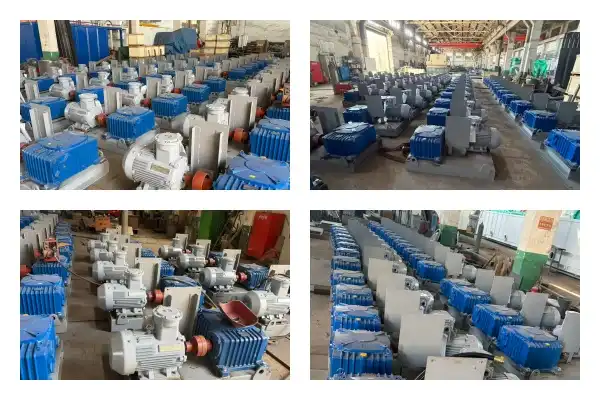
When purchasing managers compare different drilling fluid mixing units, they need to be able to tell the difference between a true Mud Agitator (which creates continuous axial circulation) and a chemical mixer (which mixes additives for a short time). Using a mixer instead of a dedicated agitation unit in an active tank causes dead spots and uneven mud density. This is a technical mistake that costs a lot of money downhole.
Aligning the specifications is the first step in any real evaluation. Motor power is based on the size of the tank, the weight of the mud, and the rate of rotation that is wanted. As a rough guide, a 15 kW unit can handle a 2.0 SG weighted mud in a tank part that holds about 100 barrels. The diameter of the impeller needs to match the width of the tank. Our product range goes from 600 mm to 1,100 mm, so it can fit tanks from all different types of drilling rigs.
Manufacturers that are reliable can tell greedy providers apart by their certification compliance. Our agitation equipment is certified by ISO 9001/14001/45001, TÜV and BV, and meets HSE standards. These are all things that procurement teams at international oil companies and EPC contractors look for in a supplier before they approve them.
Procurement Guide: Buying and Supporting Your Mud Agitator Investment
What to Expect from a Qualified Manufacturer
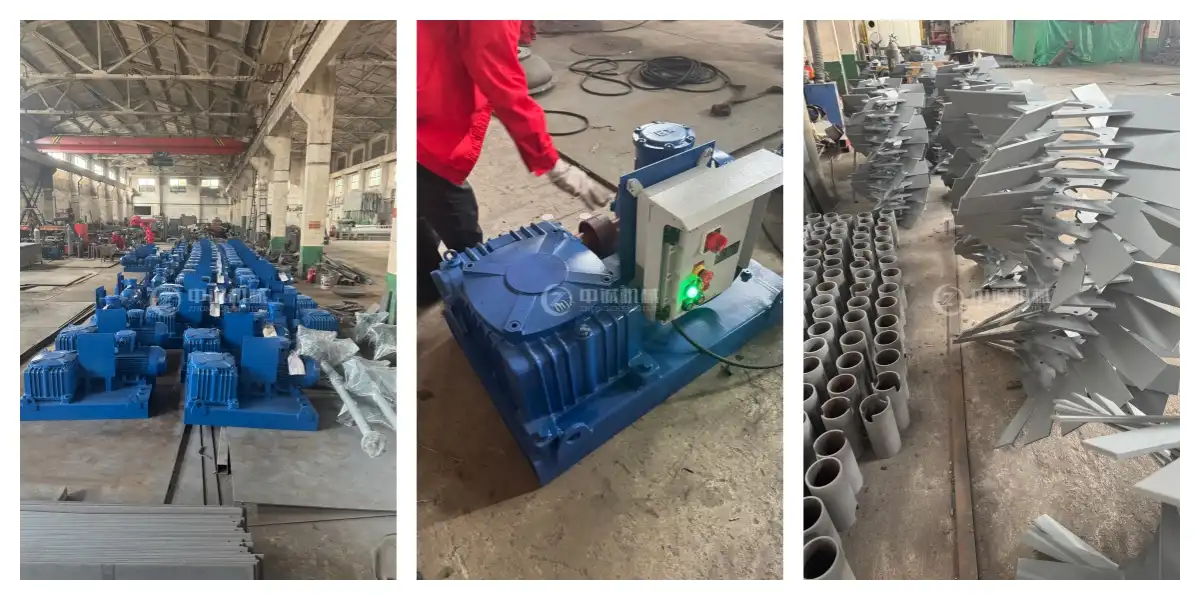
When you work directly with an experienced Mud Agitator manufacturer, you skip the middlemen and communication gaps that come with having more than one level of distribution. The Shaanxi Xixian New Area Zhongcheng Machinery Manufacturing Co., Ltd. keeps common versions in stock so that they can be shipped within three days. Within 15 days, customized units are delivered that are made to fit specific tank sizes, motor brand preferences, or requirements for hazardous area classification.
Each unit is shipped in safe packaging that includes plastic film, rainproof tarps, and steel strapping to keep the equipment safe during ocean or land freight. Pallets or wooden boxes are provided based on where the goods are going and how they need to be handled. Every order comes with full technical paperwork, such as engineering drawings, component diagrams, and operation instructions, as well as help with installation and testing. All units come with a one-year warranty that covers everything, and long-term spare parts supplies make sure that operations don't stop during multi-year drilling campaigns.
Conclusion
Keeping drilling fluid uniform inside mud tanks is not a secondary concern; it is a basic requirement for safe and efficient drilling operations. A well-designed and properly maintained Mud Agitator keeps solids from settling, helps maintain stable mud properties, and protects the entire downstream solids control system. By providing continuous and effective mixing, a reliable Mud Agitator can improve fluid consistency and reduce operational problems caused by sediment accumulation. The most reliable way to control long-term costs and maintain smooth operations is to purchase an approved, field-proven Mud Agitator directly from a manufacturer that offers genuine customization options, dependable product quality, and fast technical support.
FAQ
How do I determine the correct motor power for my tank?
How much motor power to use depends on the specific gravity of the mud, the size of the tank, and the rate at which the fluid needs to be turned over. In a 100-barrel tank section, a 15 kW motor can usually handle a 2.0 SG mud. Give our technical team the details of your tank so they can make an exact suggestion.
What causes excessive vibration in a tank agitator?
Usually, it's because the shaft is bent, the impeller is submerged too deeply, which causes vortices, or the mounting hardware on the tank top deck is loose. The first cause is taken care of by dynamic balancing to ISO 1940 during production. The last two are taken care of by field proof of submergence and bolt force.
How often does the gearbox need servicing?
Every 2,500 hours of use, the gearbox oil should be changed. Every time the repair is due, the seals should be checked for leaks. Catching seal wear early keeps the gear set from getting dirty and greatly increases the gearbox's overall service life.
Are these units rated for hazardous locations?
Yes. All of the motors are rated for use in Zones 1 and 2, which means they can't explode. This meets the standards for international hazardous areas.
Can the shaft length be customized for deep tanks?
The length of the shaft can be changed in any way during the manufacturing process. Tell us the depth of your tank and how deep you want the impeller to go, and we'll design the shaft to fit.
Request a Quote from Zhongcheng — Your Trusted Mud Agitator Manufacturer
The ZHONGCHENGJIXIE makes custom-made Mud Agitator solutions. They have ISO, TÜV, and BV certifications and have been making drilling tools for over 30 years. Our engineering team always comes up with good solutions, whether you need a standard unit shipped within three days or a fully customized setup. You can get free technical advice and a quote today by sending your tank specs and project needs to oliver@zcgukong.com or by going to zcsolidscontrol.com.
References
1. API RP 13C — Recommended Practice on Drilling Fluids Processing Systems Evaluation, American Petroleum Institute, 2010.
2. Bourgoyne, A.T. et al. — Applied Drilling Engineering, Society of Petroleum Engineers Textbook Series, 1991.
3. Caenn, R., Darley, H.C.H., and Gray, G.R. — Composition and Properties of Drilling and Completion Fluids, Gulf Professional Publishing, 2011.
4. ISO 1940-1 — Mechanical Vibration: Balance Quality Requirements for Rotors in a Constant (Rigid) State, International Organization for Standardization, 2003.
5. Mitchell, R.F. and Miska, S.Z. — Fundamentals of Drilling Engineering, Society of Petroleum Engineers Monograph Series, 2011.
6. Skalle, P. — Drilling Fluid Engineering, Bookboon Engineering & Science, 2014.