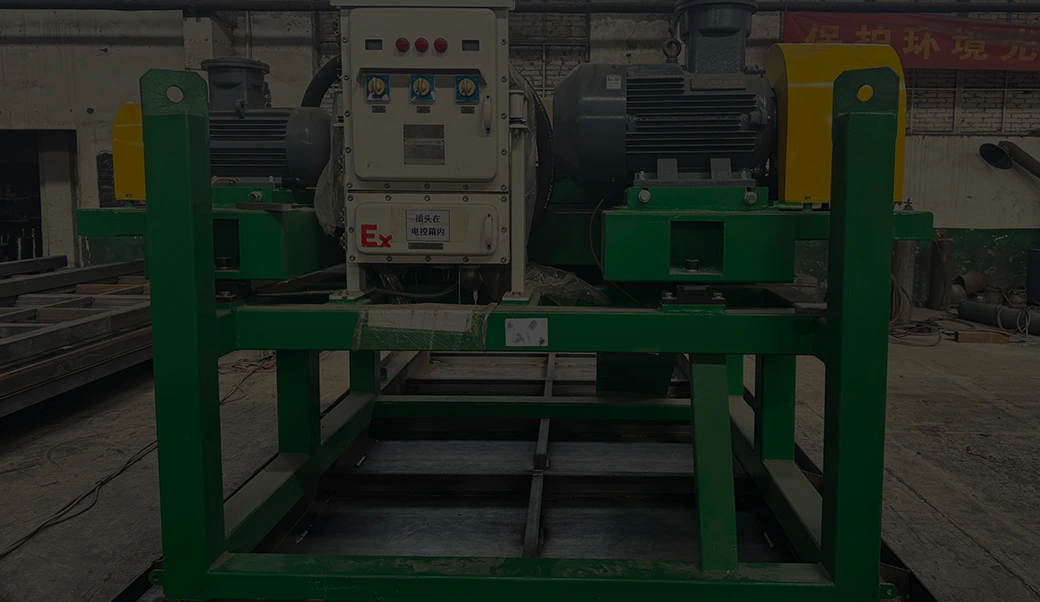
When drilling operations encounter fine particle contamination in circulating fluid, the consequences ripple through every aspect of the project — from pump wear and bit life to regulatory compliance and total mud cost. A mud cleaner addresses this precise challenge by integrating desanding, desilting, and underflow screening into one compact unit. Unlike standalone cyclone equipment, it recovers valuable liquid phase while discarding fine harmful solids. This blog walks through how advanced integrated purification technology, specifically the ZC Series from Shaanxi Xixian New Area Zhongcheng Machinery Manufacturing Co., Ltd., delivers measurable improvements in drilling fluid management across multiple industries.

Understanding the Challenges of Fine Particle Removal in Drilling
Why Fine Solids Are a Persistent Threat
Particles between 15 and 74 microns are too small for most main shale shakers to pick up. These objects with low gravity slowly build up in the mud system, making it thicker, raising the equivalent circulating density (ECD), and speeding up the wear on mud pumps and downhole tools. API RP 13C says that managing solids directly affects the performance of drilling fluids. However, many operations don't realize how much uncontrolled fine solids cost them every day.
There is a clear effect on the money. Studies from the drilling industry show that not controlling solids well can make the cost of replacing mud in a single well go up by 20 to 35 percent. In addition to cost, environmental laws, especially in the US under EPA rules for onshore and offshore waste management, require companies to reduce the amount of liquid waste they produce and show that they can handle fluids safely. All of these pressures make it clear that secondary and tertiary solids control is needed right away.
Advanced Mud Cleaner Technology: Principles and Components
How Three-Stage Purification Works
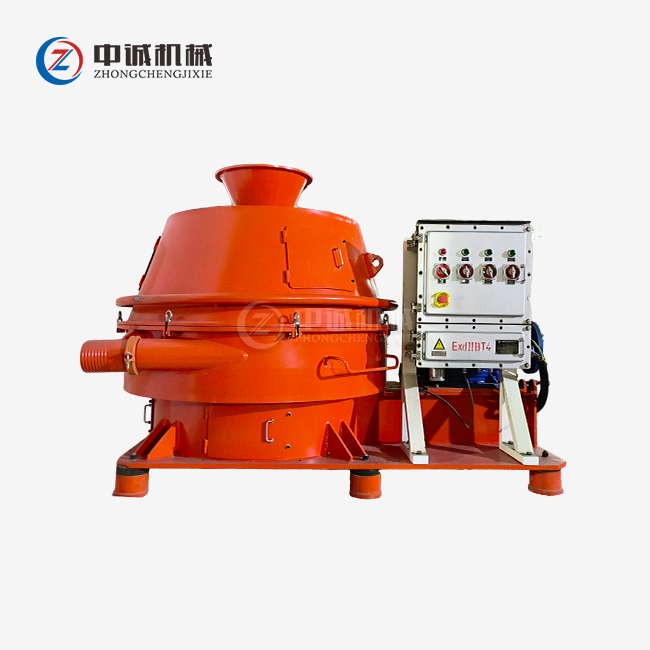
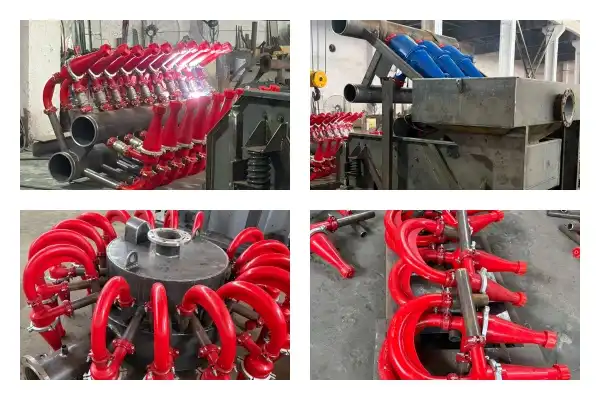
The ZC Series Mud Cleaner works by separating solids in a carefully controlled sequence. First, the drilling fluid enters the desander stage of the Mud Cleaner, which uses two 10-inch hydrocyclone cones to remove medium-sized particles through centrifugal force. After the desanding process, the fluid passes through twelve 4-inch desilter cones, which remove smaller particles down to 15 microns. Finally, a high-frequency underflow shaker in the Mud Cleaner recovers the liquid phase from the hydrocyclone discharge. This multi-stage separation process allows clean mud to be returned to the active drilling system instead of being discarded, improving fluid recovery and overall solids control efficiency.
This 3-in-1 combined purification method isn't just a nice-to-have; it's a design choice that changes how much it costs to control fluids. The 2-12 cone design can process 1,000 to 1,200 GPM, which is about 120 to 320 m³/h. This is enough to meet the flow needs of medium- to deep-well drilling teams without overloading the system at peak circulation rates.
Material Selection and Mechanical Durability
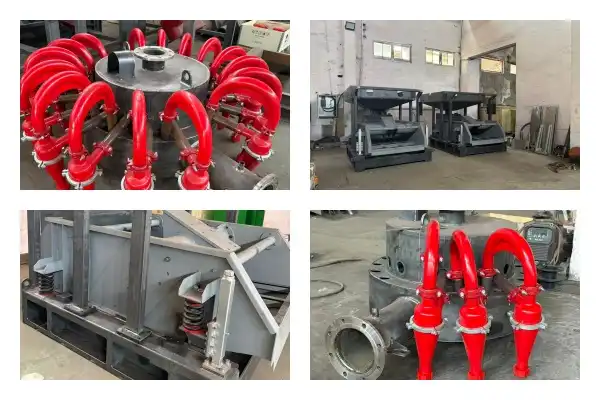
100% high-grade polyurethane (PU) is used to make all ZC Series hydrocyclone cones. When it comes to abrasion resistance, PU material is much better than cast iron or ceramic options. This is especially true in silica-rich or high-sand formations that are popular in shale gas and geothermal digging. The sectional clamp design makes it possible to replace a single cone in minutes without using any special tools. This cuts down on maintenance downtime by a large amount.
The underflow shaker can be tuned in real time based on the weight and viscosity of the mud by adjusting the deck angle manually or hydraulically. This adaptability makes sure that the cuttings that are discharged are dry and helps get the most out of expensive synthetic- or oil-based muds.
Comparing Mud Cleaner with Other Solids Control Equipment
Where Integrated Units Outperform Standalone Devices
Shale shakers are good at moving coarse solids bigger than 74 microns. Desanders that work on their own can handle particles as small as 40 to 74 microns. However, neither device recovers the liquid phase from its discharge. This means that each unit of underflow is made up of solids and lost drilling fluid.
This whole situation changes with a Mud Cleaner. Here are the main reasons why this combined gadget is better than separate ones:
- Lower drilling fluid loss: The underflow shaker screens collect the liquid phase that cones that work on their own send straight to the waste pit. This keeps expensive specialty or weighted muds from being wasted.
- Reduced footprint: One integrated unit can replace three different pieces of equipment, saving valuable tank-top area. This is especially helpful for small rig platforms or HDD setups.
- Simplified installation and commissioning: Less feed lines, support structures, and electrical links are needed for one linked system than for three separate units. This makes installation and commissioning easier.
- Improved solids control efficiency: Sequential three-stage cleaning catches a wider range of particle sizes in a single pass, keeping low-gravity solids control tighter throughout the drilling program.
These benefits directly address the problems that procurement managers and rig workers have when they have to keep track of both platform room and fluid costs at the same time. Managing vendors is also easier with an integrated system because there is only one supplier, one warranty, and one technical contact.
Optimizing Mud Cleaner Efficiency and Maintenance for Long-Term Benefits
Operational Parameters That Drive Performance
The feed pressure is the single most important operating variable for the hydrocyclone to work well. The normal operating range in the business is 25 to 40 psi, which is about 75 to 90 feet of head. It's below this range that centrifugal separation isn't as strong, so small grains get around the cones. Above it, early apex wear speeds up, and turbulence makes the cyclone less effective.
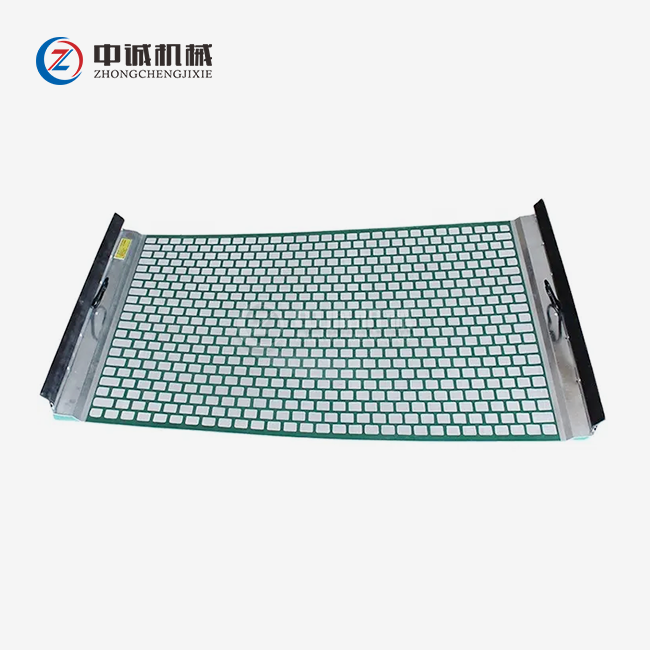
To choose a screen on the underflow shaker, it needs to be aligned with API RP 13C conductance requirements. If the mud is very thick, screens that are too fine will blind too soon. On the other hand, screens that are too coarse let fine solids return to the active system. A good daily diagnostic is checking the shape of the apex discharge. A good spray pattern means the flow is healthy, while a rope discharge means there is wear or plugging that needs to be looked at right away.
Maintenance Routines That Protect Your Investment
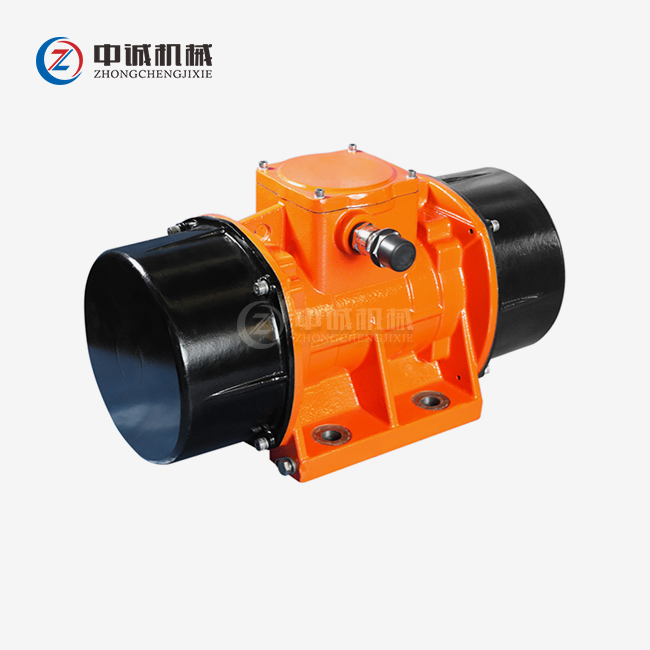
Regular repair schedules extend the life of machinery and stop costly unplanned shutdowns. Key parts of inspections include checking the state of the apex every day, the vibration motor bearings every week, and the screen conductance every so often according to API standards. The sectional clamp cone design of the ZC Series cuts down on the average time it takes to fix something. This lets field teams replace old parts without having to take the whole unit offline.
Procurement and Supplier Insights for Advanced Mud Cleaner Technology
Selecting the right dust control equipment provider involves more than just looking at prices. When purchasing managers look at a Mud Cleaner provider, they should check for certifications, the ability to customize, the dependability of delivery, and the infrastructure for after-sales service.
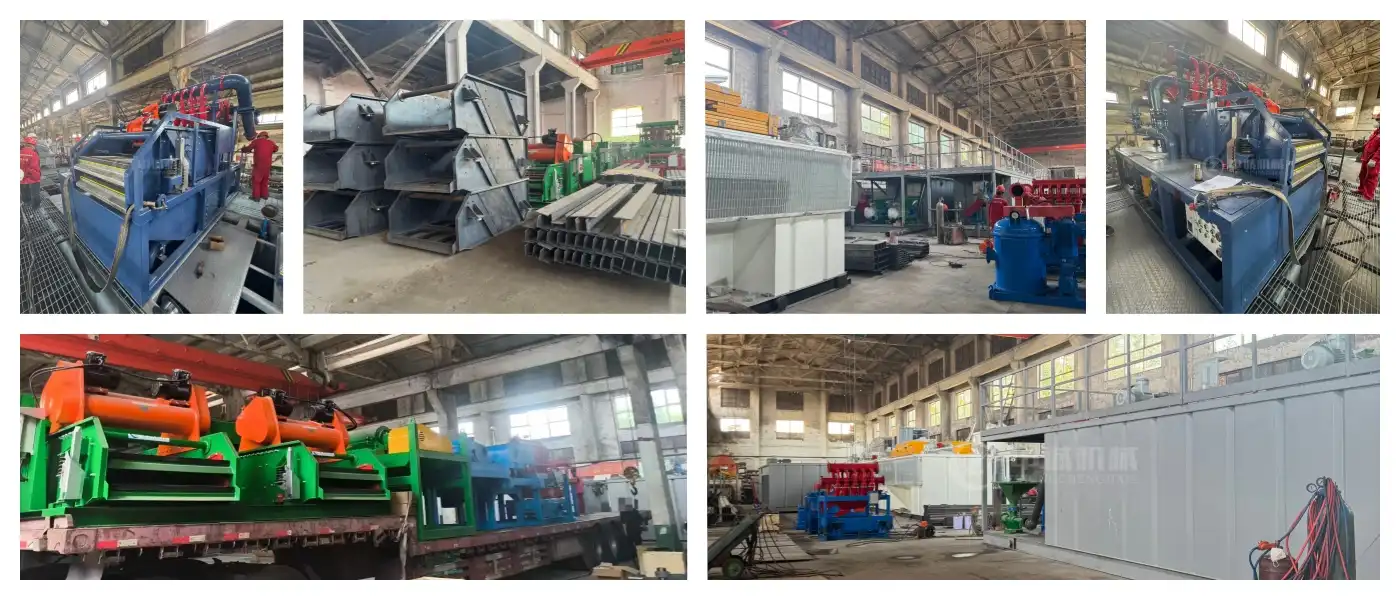
The ZC Series has ISO 9001, ISO 14001, and ISO 45001 certifications. It also meets HSE standards and has TÜV and BV approvals, which are skills that are needed to be on the approved vendor lists of big oil companies. Shaanxi Xixian New Area Zhongcheng Machinery Manufacturing Co., Ltd. offers engineered-to-order solutions with typical customized delivery within 15 days for projects that need non-standard configurations like different deck angles, changed cone counts, or small frames for tight tank-top spaces.
It takes three days to ship in-stock items. All of the equipment is packed safely for transport in things like plastic film, strapping, and rainproof tarps. Depending on the needs of the shipment, pallets or wooden crates can also be used. Every unit comes with installation instructions, help with setup, and a 1-year guarantee that covers everything.
Conclusion
Fine particle pollution remains one of the most difficult and costly challenges in drilling fluid management. Advanced combined solids control technology, such as a Mud Cleaner, integrates desanding, desilting, and underflow screening into a single compact machine, making it easier to recover drilling fluids, extend equipment service life, and meet environmental standards. In oil and gas drilling, HDD, geothermal, mining, and foundation engineering applications, the ZC Series demonstrates how careful engineering and durable material selection can deliver practical value. By using a reliable Mud Cleaner to remove fine solids at their source, operators can protect downstream equipment, reduce mud consumption and disposal costs, and support more effective waste management practices. A properly designed Mud Cleaner therefore provides an efficient solution for maintaining drilling fluid quality while improving overall solids control performance.
FAQ
What distinguishes a mud cleaner from a standalone desilter?
What sets a Mud Cleaner apart from a desilter that works independently? A separate desilter sends its underflow, which includes solids and entrained liquid, straight to a trash can. A Mud Cleaner puts a fine-mesh shaker under the cones to screen the underflow. This gets the liquid part back into the active mud system. For this reason, a Mud Cleaner is important for weighted or custom fluid programs where losing fluid is expensive.
Can the ZC Series handle weighted mud systems?
Yes, screen selection needs to be done carefully to keep the barite particles and get rid of the fine low-gravity solids. The changeable deck angle of the underflow shaker helps keep this balance by letting you control the residence time and output dryness.
How often should hydrocyclone apexes be inspected?
A thorough check should be done every day. A healthy tip sends out a hollow cone-shaped spray. A rope or continuous stream discharge means that the device is worn out or clogged, and it needs to be replaced or cleaned right away.
What applications does the ZC Series support beyond oil and gas drilling?
The ZC Series is designed for HDD and trenchless technology, piling and foundation engineering, tunnel shield drilling, mining, and managing sludge in the environment. It can be used anywhere that needs to separate fine solids and collect fluids quickly and efficiently.
What customization options are available?
The number of cones, their diameter, the shape of the deck, and the size of the structure can all be changed to fit different rig types (ZJ30 through ZJ90) and tank-top space limitations.
Request a ZC Series Mud Cleaner Quote from Zhongcheng Machinery
For drilling operators, oilfield service companies, and EPC project teams, ZHONGCHENGJIXIE has a full range of ZC Series Mud Cleaner options. We are a direct manufacturer of Mud Cleaners and have ISO, TÜV, and BV certifications. We offer engineered configurations, 3-day stock shipments, and dedicated support after the sale. To get specifications, a custom quote, or a technical consultation, email our team at oliver@zcgukong.com or go to zcsolidscontrol.com.
References
1. American Petroleum Institute. API RP 13C: Recommended Practice on Drilling Fluids Processing Systems Evaluation. API Publishing Services, 2010.
2. Brantly, J.E. History of Oil Well Drilling. Gulf Publishing Company, 1971.
3. Cagle, W.C. "Solids Control in Weighted Drilling Fluids." Journal of Petroleum Technology, Society of Petroleum Engineers, 1983.
4. Growcock, F., & Harvey, T. Drilling Fluids Processing Handbook. Elsevier/Gulf Professional Publishing, 2004.
5. Mitchell, R.F., & Miska, S.Z. Fundamentals of Drilling Engineering: SPE Textbook Series Vol. 12. Society of Petroleum Engineers, 2011.
6. U.S. Environmental Protection Agency. Development Document for Effluent Limitations Guidelines and Standards for the Oil and Gas Extraction Point Source Category. EPA Office of Water, 1993.