Selecting the optimal vibrating screen equipment for your drilling operation in 2026 demands careful evaluation of separation efficiency, operational reliability, and total lifecycle costs. After analyzing current market offerings and field performance data, the ZC Single Shale Shaker from Shaanxi Xixian New Area Zhongcheng Machinery Manufacturing Co., Ltd. emerges as a standout solution for contractors prioritizing compact design and robust separation capabilities. Its integrated single-deck structure delivers up to 8G vibration intensity with linear trajectory motion, making it particularly effective for onshore and offshore oil field applications where space constraints and processing reliability are critical concerns.
Introduction
Drilling companies are under more and more pressure to cut costs while keeping the quality of the mud movement good and following environmental rules. Your vibrating screen unit is the most important piece of solids control equipment in any mud system. It has a direct effect on how well the drilling fluid works, how long the equipment lasts, and how profitable the project is. If you don't pick the right separation equipment, it can cause downstream parts like desanders and centrifuges to wear out faster, use more drilling fluid, and cause costly unexpected downtime. To make this guide useful for drilling engineers, operations managers, and equipment procurement specialists in the US oil and gas sector, we look at the technical basics that affect separation performance, compare the best equipment solutions on the market in 2026, and give them actionable buying tips.
Understanding Shale Shaker Basics and Performance
Controlling solids effectively depends on applying controlled vibrations to special screening surfaces at the right frequency and intensity. Modern machines move in patterns made by two vibration motors attached to the machine bin. These motors can create either straight lines or balanced elliptical tracks. Linear motion is great for quickly moving large amounts of drill cuttings across the screen surface, which makes it perfect for tasks that need to go deep and have a lot of solids. Balanced elliptical motion lowers the G-force at the discharge end. This makes the screen mesh last longer while keeping the right liquid recovery rates in formations that make sticky clay or shale particles.
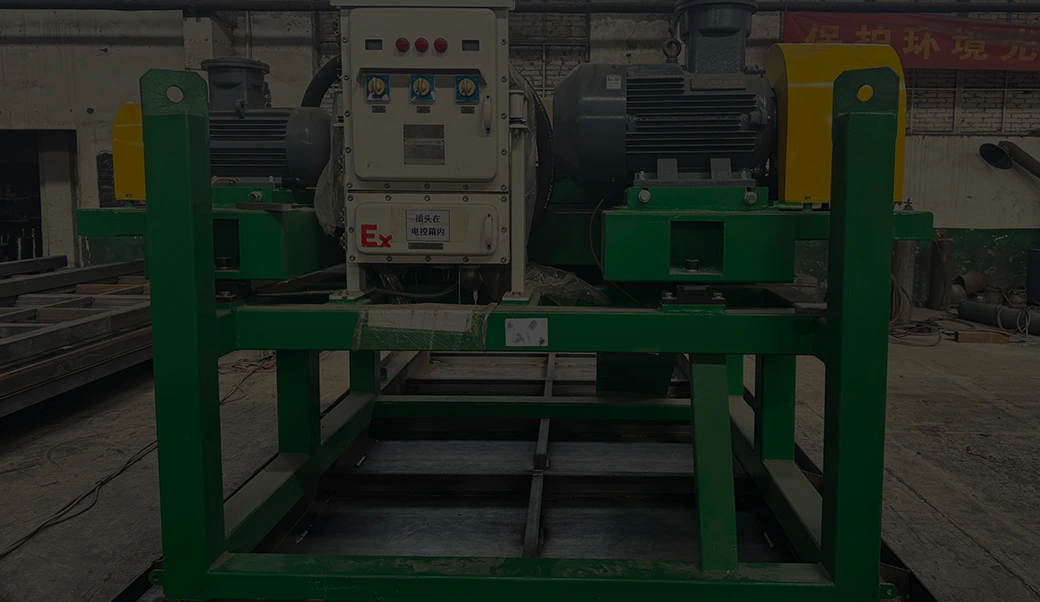
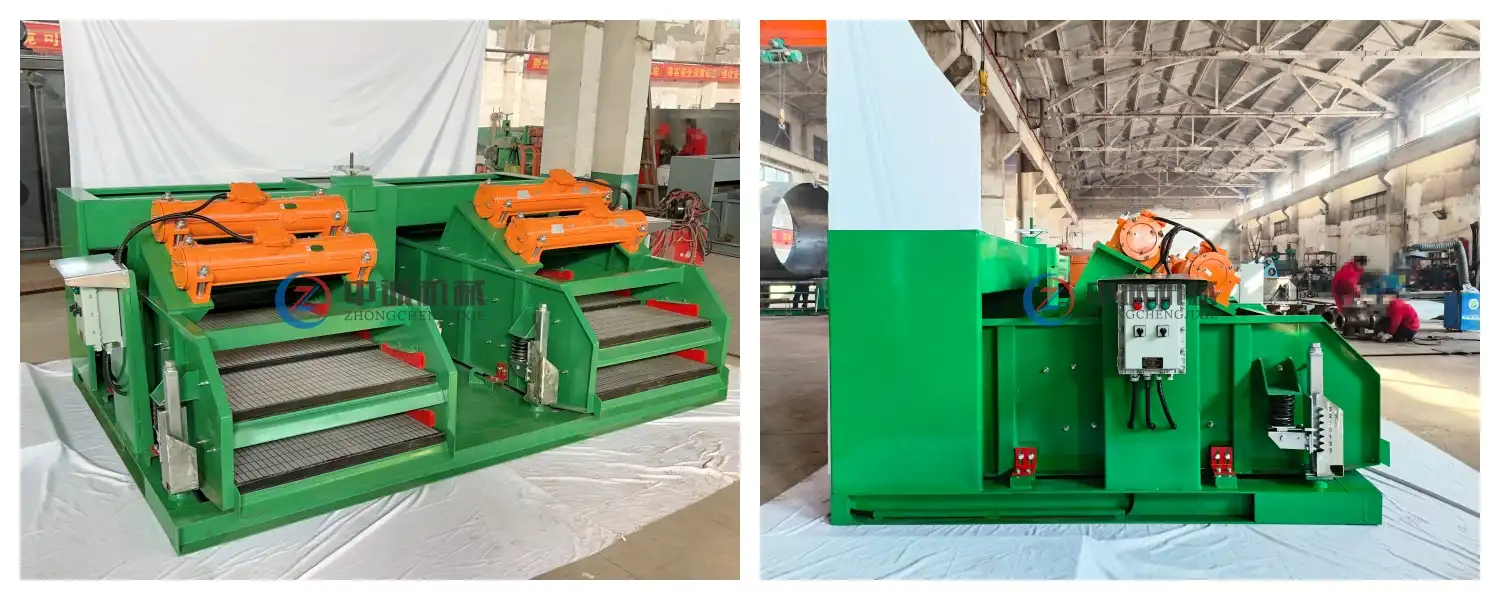
The configuration of the screen is also very important for the quality of the separation. The cut point for particle removal is determined by the API labeled mesh types, which range from API 20 to API 400. Finer meshes catch smaller solids but need more screening area to keep the flow rate constant. The ZC Single unit has a small screening surface that is covered by IP55-rated enclosures. This keeps electrical parts safe from dust and water spray that are typical in drilling sites.
Vibration Intensity and G-Force Considerations
The movement of the drilling fluid as it moves across the screen deck can be measured in G-forces. Equipment rated at 8G moves solids quickly and effectively thru abrasive forms that produce coarse cuts. Lower G-force sets reduce screen wear during times when fewer solids are produced. Operators can change the intensity levels, which lets people in the field find the best separation factors based on the qualities of the mud and the formation at any given time.
Screen Mesh Selection and Replacement Efficiency
The ability to quickly change the mesh cuts down on the time that can't be used for drilling directly. Field crews can replace screens in less than 15 minutes thanks to fast-change designs that include tensioning mechanisms and tool-free removal systems. This operational advantage is especially useful in horizontal wells with long reaches, where keeping the mud's properties stable is important for keeping the well stable and avoiding differential sticking incidents.
Maintenance Protocols for Maximum Uptime
As part of routine Shale Shaker maintenance, the screen mesh should be visually inspected every day, while the torque on the vibration motor mounting bolts should be checked weekly. The motor bearings should be lubricated monthly with high-temperature synthetic grease rated for continuous operation, following the manufacturer's recommendations. In high-salt environments, such as offshore sites where salt spray can accelerate corrosion on exposed steel surfaces, protective coatings on Shale Shaker structural components should be inspected and repaired when necessary. Keeping detailed service records for each Shale Shaker helps maintenance teams identify repair patterns, schedule component replacements, and arrange spare parts before failures occur. A consistent maintenance program can extend Shale Shaker service life, improve operating reliability, and reduce unexpected downtime.
Comparing Top Shale Shaker Models in 2026
When choosing equipment, you have to weigh the technical specs against the needs of the business and your funds. Derrick Corporation's Pyramid series has composite screen panels and deck angles that can be changed, which makes it appealing to workers who want to make sure the screens last as long as possible in harsh drilling circumstances. Brandt makes the King Cobra line, which has high-frequency linear motion that works best for fine-mesh uses in shale gas development, where getting the most liquid out of the well directly affects the cost of the drilling fluid. National Oilwell Varco's MONGOOSE PRO uses dual-pool technology to separate coarse and fine fractions, but its bigger size makes it less useful for skid systems with limited room.
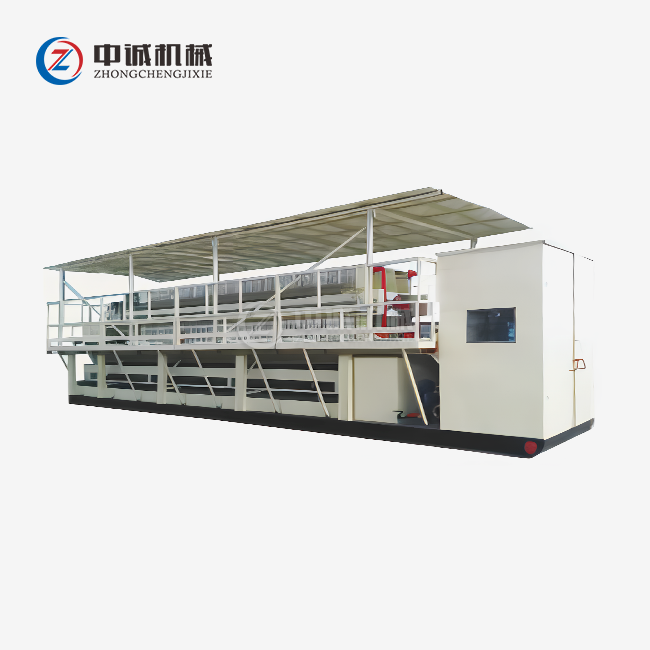
The ZC Single is an alternative method that focuses on making integration more efficient and lowering costs. For small to medium processing amounts, its single-deck design makes it easier to maintain and works just as well as bigger dual-deck units at separating things. Installation is possible on truck-mounted systems and containerized drilling packages for coalbed methane and geothermal exploration projects thanks to the small footprint that is much smaller than traditional designs.
Performance Metrics That Matter Most
Processing capacity, which is given in gallons per minute, is the fastest flow rate of mud that the equipment can handle and still separate it well. A unit with a 500 GPM rating works well for drilling jobs that use mud pumps with 700 horsepower or more, which is common for rigs that drill to 15,000 feet. How much of the mesh surface touches the drilling fluid is based on the screen area, which is measured in square feet. Larger areas can handle more objects and last longer before they need to be replaced.
Cost-Benefit Analysis for Procurement Decisions
Prices for new equipment vary based on its features. Rental options give you options for short-term projects. Operators on a tight budget can get proven technology at 40–60% of the cost of new equipment by certifying used equipment thru strict inspection processes. However, supply depends on the market and when major drilling companies retire their equipment.
A 12-month warranty from the date of commissioning protects buyers against problems with the way the product was made and parts that break down too soon. Offering full after-sales support, such as spare parts availability, remote diagnostics, and field service response times below 48 hours, gives businesses peace of mind that their equipment investments will keep working well for as long as they are needed. These things have a big effect on figuring out the total cost of ownership over the normal equipment lifespan of 8 to 12 years in well-kept businesses.
How to Choose the Right Shale Shaker for Your Rig
Understanding the amount and flow rates of the mud system is the first step in matching the right tools to the right drilling situation. Reviewing the pump's capacity specs and adding 20% to account for operating changes will help you figure out the highest flow rate you expect. The thickness, density, and solids content of the mud all affect how well it separates. Heavier muds need a bigger screening area and higher G-force sets to keep the liquid flow going.
Critical Selection Criteria for Reliable Operation
The vibration frequency is usually between 900 and 1,800 RPM. Higher frequencies make finer separation cuts, but they may also shorten the life of the screen. The durability of a screen depends on how it is made and how it is tensioned. Composite panels are better than traditional steel-framed meshes at not tearing in rough conditions. Safety certifications, like ATEX for explosive atmospheres and IP ratings, make sure that the equipment meets the rules for where it will be used, which is especially important for projects that span multiple countries.
Customization Options for System Integration
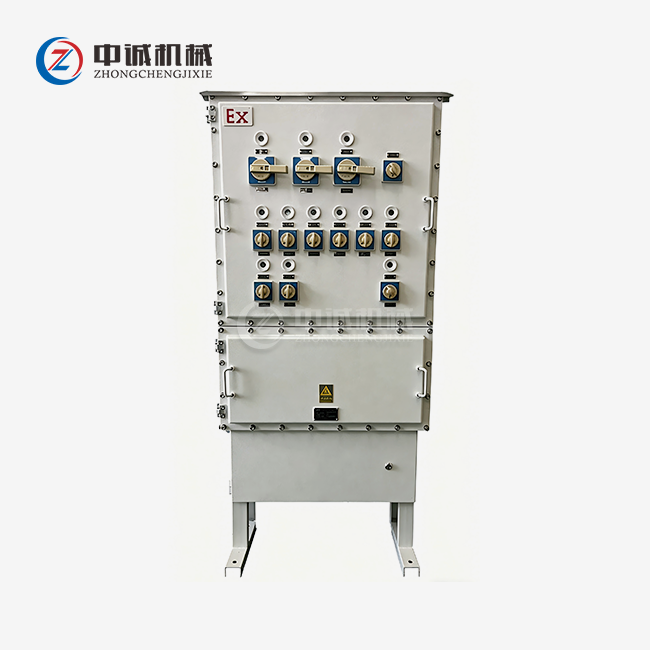
Modular design methods allow contractors to assemble equipment packages that match the layout and operating requirements of a drilling rig. The ZC Single Shale Shaker can be customized to meet local electrical standards, with options for different motor voltages such as 220V, 380V, 440V, or 480V. The Shale Shaker can also be configured with explosion-proof ratings for applicable Class I, Division 1 hazardous areas and mounting options suitable for skid-mounted or containerized mud systems. When two or three Shale Shaker units are connected in series in a tandem configuration, overall processing capacity can be increased for larger drilling operations without requiring a complete redesign of the solids-control system. This modular approach gives operators greater flexibility when scaling Shale Shaker equipment to changing drilling requirements.
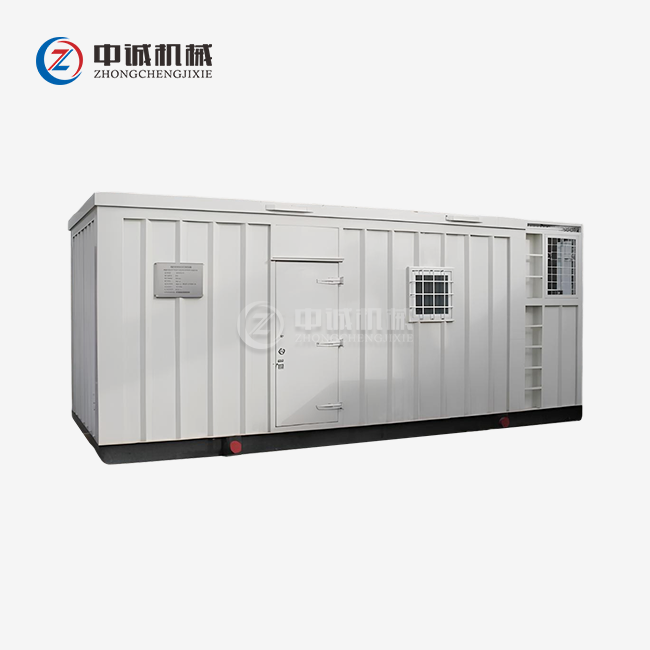
When deck room is at a premium on offshore platforms and mobile drilling units, the equipment that can be used is often limited by its size. Standard shipping containers can hold equipment that is less than 10 feet long and 5 feet wide. This makes logistics easier for drilling sites that can only be reached by boat or helicopter. Concerns about weight are also important, since lighter equipment doesn't need as much support and is easier to rig during installation or move.
Procurement Guide: Buying, Renting, and Supporting Your Shale Shaker
Buying tools from well-known companies that have track records of how well it works in the field lowers the risk compared to buying from unknown companies that don't have technical support infrastructure. With direct maker ties, you don't have to pay markups to distributors, and you can get engineering help when making specifications and setting up the system. The Shaanxi Xixian New Area Zhongcheng Machinery Manufacturing Co., Ltd. has factories close to Xi'an, China. They coordinate their exports thru the ports of Tianjin and Shanghai, which lets them offer competitive shipping rates to major US Gulf Coast and West Coast destinations.
Pricing Transparency and Budget Planning
The new ZC Single units offer separation performance that works with drilling rigs from the ZJ30 to the ZJ70 classes. They are also priced to represent their optimized single-deck design and small size. Standard lead times for in-stock configurations are only three days from the time an order is confirmed until it is shipped. However, custom specifications that include specific motor types or explosion-proof certifications take about fifteen days to manufacture and check for quality. This responsiveness helps get projects up and running quickly and lowers the cost of keeping inventory for drilling contractors who are running multiple jobs at once.
Rental agreements are good for short-term workover campaigns and exploratory drilling programs where owning tools doesn't make sense for the business. Leasing arrangements with choices to buy allow owners to see how well equipment works in their specific situations before committing to buying it outright. These adaptable ways of buying things lower financial risk while keeping operations running even when the market goes down, or there are delays on the project that are out of the contractor's control.
Warranty Coverage and After-Sales Support
Full 12-month contracts cover flaws in the way the product was made, broken parts, and performance that isn't up to the stated standards. Technical support services include helping with installation, coordinating where to put equipment, making electrical connections, and starting up the system for the first time. The training packages make sure that the rig teams know how to operate the equipment, do regular maintenance, and fix common problems like screen blinding or strange vibration patterns.
Long-term operating viability depends on the availability of spare parts, especially for Shale Shaker equipment installed in remote locations far from service centers. Critical replacement components such as screen meshes, vibration motors, and structural bolts should be kept in stock so they can be dispatched quickly when unexpected Shale Shaker repairs are required. Using telephone and video-conferencing tools for remote diagnostics, manufacturer engineers can assess Shale Shaker operating conditions and guide field personnel through troubleshooting and basic repairs without sending service technicians for every minor issue. Maintaining an adequate inventory of essential Shale Shaker spare parts, combined with responsive remote technical support, can reduce downtime and help operators maintain reliable solids-control performance.
Future Trends and Innovations in Shale Shakers
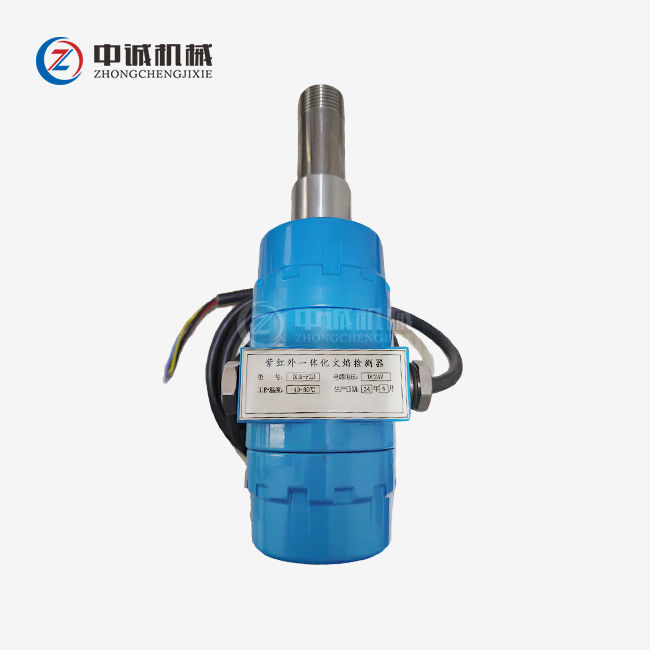
The next step in solids control technology is automation integration. Arrays of sensors will measure vibration amplitude, screen filling, and discharge accuracy in real time. These data streams are fed into control programs that change motor speeds, deck angles, and screen types automatically based on how the mud and formation are changing. Drilling engineers can improve separation parameters from afar when they are connected to rig-wide data networks. This means that operators don't have to make as many changes by hand and the system works better overall.
Synthetic plastics and mixed metal-composite constructions in new screen materials make them last longer than traditional wire cloth designs. These innovations cut down on how often screens need to be replaced and the amount of time that can't be used for work that is spent on repair tasks. Environmental sustainability leads to the creation of more energy-efficient motor designs that use 15–25% less power than older equipment. This directly lowers fuel costs and carbon emissions from diesel generator sets that power remote drilling operations.
As time goes on, safety rules keep getting tighter about protecting people and keeping the world safe. Contractors can meet these standards by designing equipment with enclosed release chutes, built-in mud catch pans, and automatic shutdown systems for when normal working conditions aren't met. This protects workers and keeps environmental incidents to a minimum. When buying things, companies that have widely known certifications like ISO 9001 for quality management, ISO 14001 for environmental standards, and ISO 45001 for health and safety at work are given more weight.
Conclusion
In 2026, choosing the right solids control tools means finding a balance between technical performance, operating dependability, and lifecycle economics. The ZC Single Shale Shaker meets the main needs of drilling contractors who work in small spaces and where single-deck configurations are enough to handle normal mud circulation rates. Its small size, easy upkeep, and ability to be customized make it perfect for operators who are in charge of a variety of drilling projects in onshore oil fields, coalbed methane developments, and geothermal research programs. To be successful in procurement, you need to work with manufacturers who can meet your delivery needs and back up their claims of equipment performance with real-world experience.
FAQ
What factors most significantly affect separation performance?
The three main factors that determine how well a separation works are the G-force intensity, the size of the screen mesh, and the viscosity of the mud. Higher G-force sets move objects more quickly, but they may shorten the life of the screen. Finer mesh sizes catch smaller particles, but they make it harder for fluids to flow thru. The viscosity of the mud affects how easily liquid moves thru screen holes. Thicker muds need more screening area or coarser meshes to keep throughput the same.
How often should maintenance inspections occur to prevent unexpected downtime?
Visual checks of the screen's integrity and discharge patterns every day find problems before they get bad enough to cause failures. Once a week, the vibration motor mounting bolt strength should be checked, and any strange noises or heat that could mean bearing wear should be noted. Motor bearings last longer when they are oiled once a month with the right high-temperature greases, and the structure should be inspected every three months to check the anti-corrosion coating and frame integrity in environments that are prone to corrosion.
Can existing equipment be upgraded with improved screens to extend usability?
Most machines can accept screen updates with better materials or smaller mesh patterns without having to change the main unit. Compatibility depends on the size of the screen panel and the mounting method used, so it's important to check the manufacturer's specs. Upgrading to composite screens or hybrid metal-polymer constructions can double the life of screens in very rough drilling conditions, which makes the business much more profitable.
Partner with a Trusted Shale Shaker Manufacturer for Your Next Project
Drilling operations need equipment providers who know the stresses you face every day, like tight project plans, limited budgets, and not being able to stand for broken equipment. Shaanxi Xixian New Area Zhongcheng Machinery Manufacturing Co., Ltd. has been developing and making solid control systems for the oil and gas business around the world for more than 30 years. For your operations, our ZC Single provides the separation efficiency, longevity, and operating freedom you need. It comes with ISO 9001/14001/45001 certifications, TÜV and BV approvals, and full HSE compliance. You can email our team at oliver@zcgukong.com or visit zcsolidscontrol.com to talk about your specific needs, get detailed technical specifications, and get a competitive quote that fits the parameters of your project.
References
1. American Petroleum Institute. Recommended Practice 13C: Drilling Fluid Processing Systems Evaluation. 5th Edition, 2021.
2. Mitchell, R.F. and Miska, S.Z. Fundamentals of Drilling Engineering. Society of Petroleum Engineers, 2020.
3. Bourgoyne, A.T., Millheim, K.K., Chenevert, M.E., and Young, F.S. Applied Drilling Engineering. SPE Textbook Series Vol. 2, Revised 2019.
4. National Oilwell Varco. Solids Control Equipment Technology White Paper: Performance Optimization in Modern Drilling Operations. 2024.
5. International Association of Drilling Contractors. Health, Safety and Environment Guidelines for Drilling Operations. Reference Guide Volume 3, 2023.
6. Energy Institute. Guidelines for the Management of Drilling Fluids and Associated Waste. Technical Report ER-458, 2025.