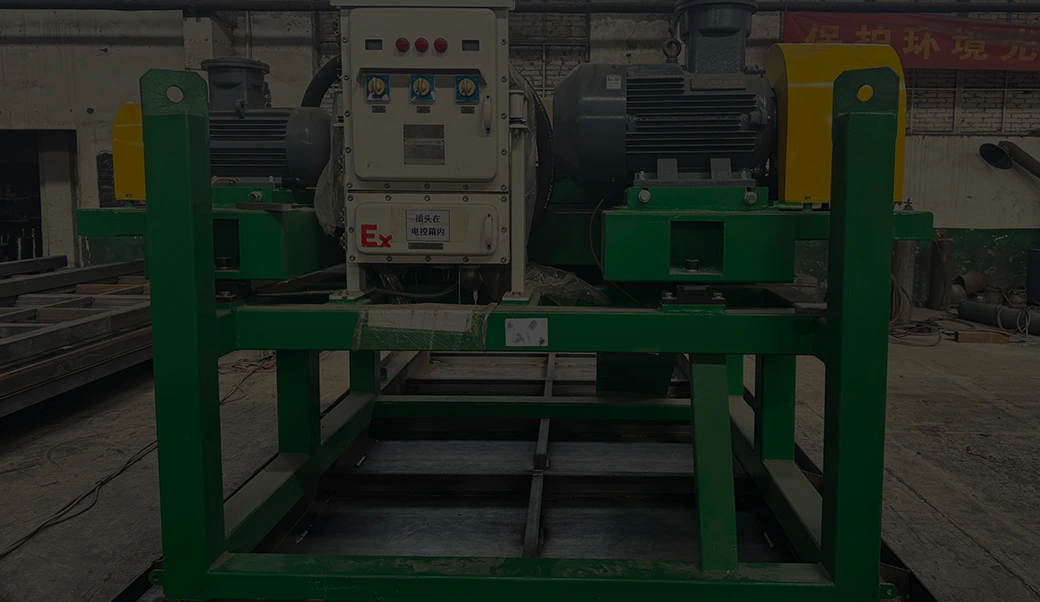
When gas-cut mud surges back from deep formations during a kick, the window between a controlled situation and a blowout can close in seconds. A Mud Gas Separator (MGS)—also called a Poor Boy Degasser—is the primary well control device positioned downstream of the choke manifold to intercept that threat. By separating large volumes of free gas from returning drilling fluid before it reaches open shaker tanks, the MGS protects rig personnel, preserves mud system integrity, and keeps drilling operations moving forward without costly interruptions.
Understanding the Mud Gas Separator: Core Function and Operating Principles
How Gas-Liquid Separation Actually Works?
The gas-cut mud comes into the vessel through a top or tangential inlet and hits internal impingement baffles. These filters separate big gas bubbles that are stuck in the thick fluid. Freed gas rises and leaves through the top vent line to an explosion point or flare boom. Mud that has been cleared of gas runs back to the active pit through a U-shaped liquid seal at the bottom.
The Role of the U-Tube Liquid Seal
The most important safety trait of any gas buster is its U-tube design. A hydraulic head is maintained by it, which stops gas from moving backward into the mud return line. The seal pressure level is based on the weight of the mud and the height of the U-tube. When that pressure is exceeded, a state known as "blow-through" happens. Uncontrolled gas enters the pits, posing an explosion and fire risk on the rig floor.
Vessel Designs for Different Well Conditions
For onshore operations, vertical vessels are the norm because gravity naturally helps with separation. Platforms with limited deck height can use horizontal layouts. Multi-stage designs are better for high-pressure, high-temperature (HPHT) wells where gas volume and velocity are much higher. Single-stage units are better for moderate gas flows. Most bodies have widths between 30 and 48 inches and working pressures between 1.6 MPa and 6.4 MPa for deep or sour-service wells.

Common Challenges in Deep Well Drilling and How MGS Addresses Them
Managing Uncontrolled Gas Kicks
If the mud circulation system is not protected, a gas kick during deep drilling can quickly turn into a blowout. The MGS stops gas-cut returns before they reach the suction system. This gives the well control team time to change the weight of the mud and close the blowout preventer stack. API Spec 16ST says that separators need to be able to handle full well flow conditions during the worst possible kick.
Protecting Downstream Solid Control Equipment
If gas-cut mud gets past the Mud Gas Separator (MGS) and into the shale shakers or desanders, it can cause the mud to boil violently, the solids to not separate well, and even a spark. A separator that is the right size and has the right interior baffles can cut the gas load on downstream equipment by more than 30%. This keeps shakers, centrifuges, and vacuum degassers from being overloaded, which drives up repair costs.
Meeting Safety Standards and Environmental Requirements
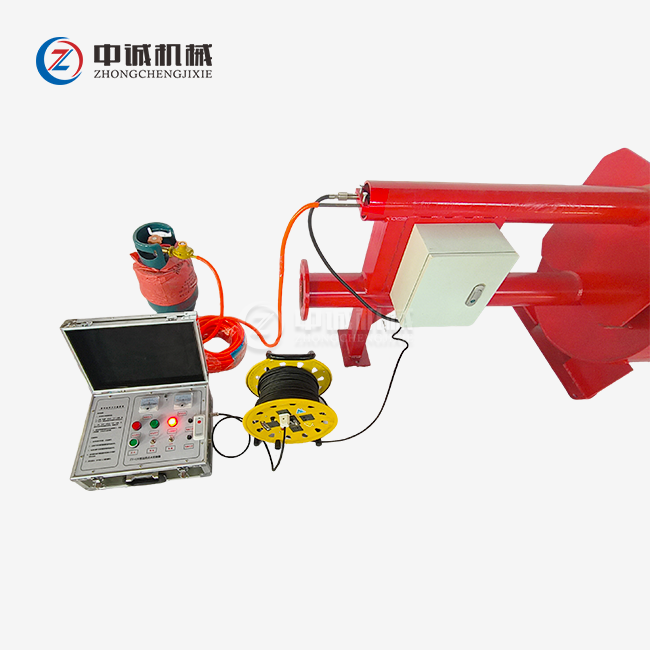
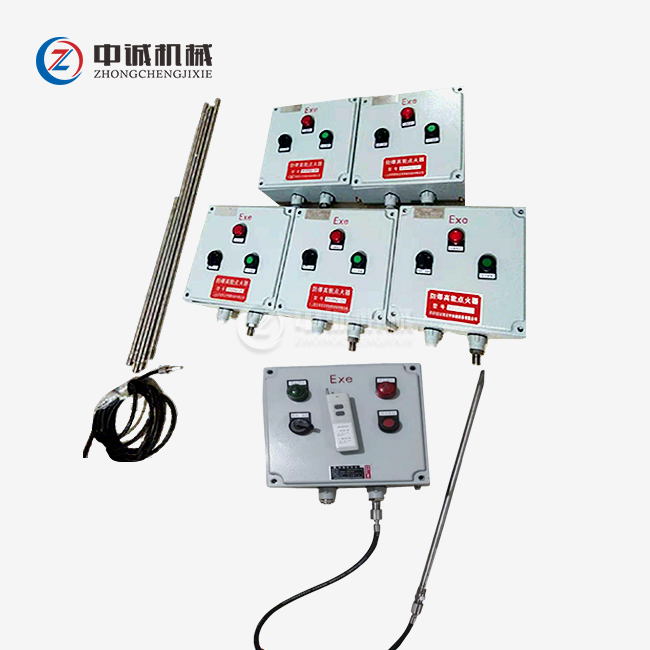
People who work on rigs in the US have to follow OSHA well control rules, API RP 53, and BSEE rules for installations offshore. It is safe for MGS units built to NACE MR0175/ISO 15156 to work in places with hydrogen sulfide (H2S). Stress corrosion cracking can't happen because of internal epoxy coatings and post-weld heat treatment (PWHT). For safe auto-ignition of released gas at the flare stack, an explosion-proof electronic ignition device with an electrical safety rating of IP55 or higher is used.
Comparison and Selection Criteria for Mud Gas Separators
MGS vs. Vacuum Degasser vs. Gas Buster
During buying, these three terms often lead to misunderstanding. The MGS can handle huge, rapid gas flows during a kick; it's not a normal mud conditioning tool, but a well control device. During regular drilling, a vacuum degasser takes out small amounts of dissolved or finely entrained gas from the mud that is moving around. People sometimes call the MGS a "gas buster." If you choose the wrong device for a high-volume kick situation, the rig won't be protected well enough.
Key Selection Criteria for Procurement
To pick the right divider, you need to make sure that the unit's size matches the kick volume and formation pressure that you expect. Before signing a purchase order, procurement teams look at the following technical factors:
- Body Diameter (600–1,200 mm): Larger vessels handle higher flow volumes from deep, high-pressure formations without overloading the liquid seal.
- Working Pressure Rating (1.6–6.4 MPa): Must exceed the maximum anticipated surface kick pressure, including safety margins required by API standards.
- Fluid Compatibility: Sour-service wells demand NACE MR0175-compliant carbon or alloy steel construction to resist H2S corrosion across the vessel and all welds.
- Separation Efficiency: Internal baffle geometry, determined through fluid dynamics simulation, directly controls gas liberation efficiency and protects downstream equipment.
These criteria are the technical minimum that must be met for any reliable evaluation of a vendor. A separator that reliably meets all four criteria will cut down on rig downtime and well control incidents over the course of its useful life.
Industry Benchmarks and Standards
Pressure tank design is governed by ASME Section VIII, Division 1. The MGS is included in API Spec 16ST, which lists the functional requirements for surface well control equipment. All pressure welds must be X-rayed or ultrasonically tested for quality assurance. Hydrostatic testing at 1.5 times the design pressure is also needed, as well as holiday detection on the surfaces inside. If buyers don't do these checks during factory acceptance testing (FAT), the equipment will often break down in the field and cost a lot more than the price they paid for it.
Procurement Guide: Buying and Integrating Mud Gas Separators
Sourcing from a Direct Manufacturer
When procurement teams work directly with a maker instead of a third-party distributor, they can get technical plans, skid measurements that can be changed, and factory support without having to pay markups to the middleman. At its 6,300-square-meter factory in Xingping City, Shaanxi Province, China, ZHONGCHENGJIXIE makes Mud Gas Separator (MGS) units. In-stock units are sent out within three days, and custom orders are sent out fifteen days after they are made. Because it has ISO 9001, ISO 14001, ISO 45001, TÜV, BV, and HSE certifications, the company meets the needs of most foreign oil companies and EPC providers.
Understanding Total Cost of Ownership
The price you paid is only one line item. Over the course of 5 to 10 years, the total cost is affected by things like installation workers, commissioning, extra parts stock, and service contracts. The flexible skid-mounted design of ZHONGCHENGJIXIE cuts down on installation time at the rig site. It also has flush ports at the base of the vessel to keep solids from building up, which greatly lowers the time needed for regular cleaning. Because it has no moving parts and is passive, the failure rate stays low even when it's running 24 hours a day, seven days a week.
Warranty, Documentation, and Technical Support
A reliable Mud Gas Separator provider will send you engineering drawings, process flowcharts, operation and maintenance guides, as well as instructions on how to set up the equipment. ZHONGCHENGJIXIE backs up every unit with a full one-year warranty and gives technical training to rig crews, which makes it much less likely that an operator will make a mistake during a real kick event.
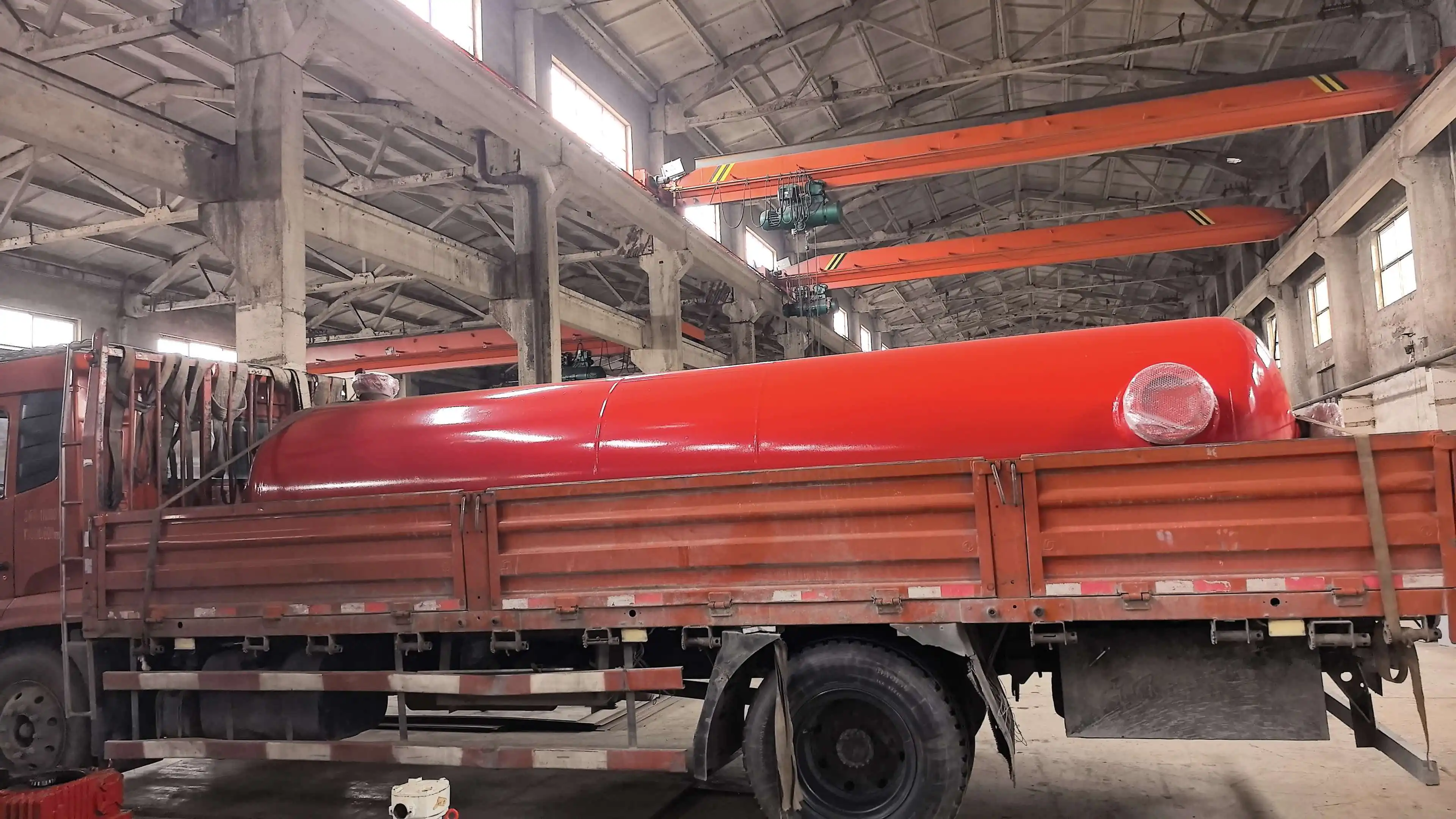
Enhancing Operational Efficiency with Mud Gas Separator Integration
Best Practices for MGS Installation and Monitoring
The separator needs to be put in as close to the choke manifold outlet as possible, and the vent line needs to be sent to a safe starting point away from the rig. To keep liquid from building up in pockets, the inlet line should always slope downward. The driller can get real-time feedback from the vessel's pressure and level gauges during a kick. This lets the well control team change the choke settings before blow-through happens.
Integration with the Broader Well Control System
It's not possible for the MGS to work by itself. As part of a layered well control architecture, it works with the choke manifold, the blowout preventer (BOP) stack, and the solids control equipment further down the line. In Managed Pressure Drilling (MPD) situations, the separator is a second step in the gas flow process. It makes sure that small, controlled gas flows safely to the flare while keeping the exact surface back-pressure needed to stay within small pore-pressure/fracture-gradient windows.
Future Trends: Automation and Predictive Monitoring
Pressure and flow monitors on MGS units are being connected to rig control systems by workers. This lets the systems send automatic alerts when liquid seal levels drop or vent line pressure rises. While fully automated separators are still not popular, IoT-based condition tracking shortens the time between a growing blow-through risk and the driller's corrective action. This makes the well control response time for HPHT and deepwater operations much faster.
Conclusion
The Mud Gas Separator (MGS) is an important part of any modern drilling rig; it is the first thing that stands between a gas kick and a catastrophic blowout. How well the separator works depends on its size, the type of material used for bad service, the design of the internal baffles, and how well it works with the rest of the well control system. Teams in charge of buying things will have better safety, lower upkeep costs, and fewer unplanned rig shutdowns over the course of a project if they carefully look at these factors and work with an approved direct maker.
FAQ
What is the difference between a Mud Gas Separator and a vacuum degasser?
A Mud Gas Separator is a well control safety device that deals with rapid, large amounts of free gas during a kick. During regular circulation, a vacuum degasser takes out small amounts of dissolved or finely entrained gas from drilling mud.
Can an MGS be used in H2S environments?
Yes, as long as the vessel is made of carbon or alloy steel that meets NACE MR0175/ISO 15156 standards and has been heated after being welded. In sour gas service, hardness testing makes sure that the requirements are met and stops stress corrosion cracking.
How is blow-through pressure calculated?
The hydraulic head of the liquid in the U-tube seal is equal to the blow-through pressure. This can be found by increasing the seal height by the density of the mud. If the pressure of the gas entering the vessel is higher than this, the gas will leave through the mud release line instead of the vent.
What maintenance does an MGS require after a well is completed?
Before the next well, use the built-in flush ports to remove any solids that have built up at the base of the vessel. Also, check the internal baffles for wear and tear, make sure the U-tube drainage valve is working properly, clear out any jams in the vent line, and make sure the electronic lighting device works properly.
What certifications should a compliant MGS carry?
There must be at least ISO 9001 quality management, ASME Section VIII pressure tank design, functional compliance with API Spec 16ST, and NACE MR0175 material approval for sour service. Third-party approvals from HSE, TÜV, and BV give the procurement process more credibility.
Get a Customized Mud Gas Separator Quote from ZHONGCHENGJIXIE
The company ZHONGCHENGJIXIE has been making direct Mud Gas Separators (MGS) for more than 30 years and has full ISO/TÜV/BV certification. They also have their own patents and are experienced in the field. Our MGS units can be shipped in three days if they are in stock, or they can be built to fit your rig's needs in fifteen days. You can email our engineering team at oliver@zcgukong.com or go to zcsolidscontrol.com to get a technical datasheet, a quote for a project, or a unique setup. All B2B questions are answered quickly by our team.
References
1. American Petroleum Institute. API Spec 16ST: Specification for Surface Well Control Equipment. API Publishing Services, 2015.
2. American Society of Mechanical Engineers. ASME Boiler and Pressure Vessel Code, Section VIII, Division 1: Rules for Construction of Pressure Vessels. ASME, 2023.
3. NACE International. NACE MR0175/ISO 15156: Petroleum and Natural Gas Industries—Materials for Use in H2S-Containing Environments in Oil and Gas Production. NACE International, 2015.
4. Bourgoyne, A. T., Millheim, K. K., Chenevert, M. E., & Young, F. S. Applied Drilling Engineering. Society of Petroleum Engineers, 1991.
5. Hannegan, D. M. "Managed Pressure Drilling in Marine Environments." SPE/IADC Drilling Conference Proceedings, Society of Petroleum Engineers, 2005.
6. Adams, N. J., & Kuhlman, L. G. Well Control Problems and Solutions. PennWell Publishing, 1994.
.webp)