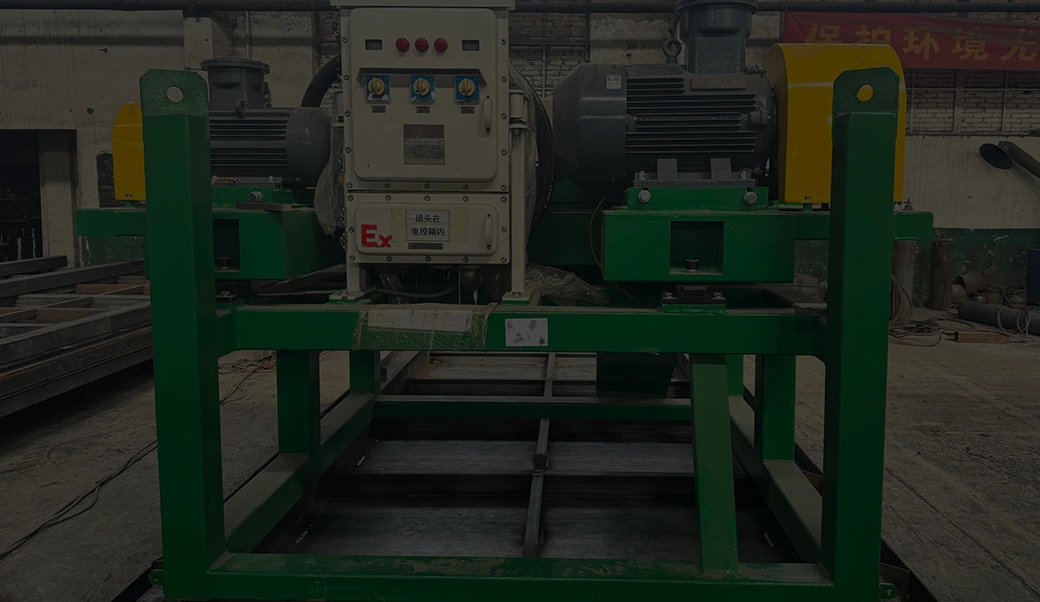
A dependable Screw Pump manufacturer for continuous sludge and drilling fluid transfer supplies positive displacement pumps that move thick, abrasive, solids-bearing fluids at a steady, low-pulsation flow. The right supplier matches pump type, materials, seals, and motor to your fluid data. It then backs the equipment with drawings, manuals, spare parts, and after-sales service. Buyers in this field often face thick mud, sand, and cuttings that stop ordinary pumps. I wrote this guide for US drilling contractors, oilfield service companies, EPC teams, and distributors. It covers how these pumps work, where they fit, how to choose one, and how to keep it running.
How a Screw Pump Works and Which Design Fits?
What Happens Inside the Pump?
In a Screw Pump, fluid gets trapped in holes that are closed off by screws that spin. If you don't have a stator, you have a rotor that turns inside a progressive cavity design. With each turn, a fixed volume goes from being sucked in to being let out. This keeps oscillation low and the flow close to the speed. In the 1930s, René Moineau came up with the idea of promoting cavities. It still works well with media that can hold both food and liquids. Things' viscosity, solids content, temperature, pressure, and how well they mix with other things all affect how well they really work. People who want to know the size should always send me full process data, not just flow rate and pipe size. Most selection mistakes don't happen because of that habit.
Single, Twin, and Three Screw Designs
Single Screw Pumps, which are also called progressive cavity pumps, can handle plastics, drilling mud, thick sludge, and cake that has been dried out. Watch out for stator wear and protect them during dry runs. Twin Screw Pumps can handle a wider range of fluids, have good suction performance, and have low shear for some mixtures that contain solids. The three Screw Pump works best with clean, lubricating fluids like fuel oil, hydraulic oil, and marine oils. It doesn't work well with raw sludge very often. You should think about the viscosity, solids size, abrasiveness, pressure, shaking, and how easy it is to clean before you choose a design. Find out what standard you need for your project. API Standard 676 talks about rotating positive displacement pumps that are used in oil, gas, and chemicals.
Why Choose a Screw Pump Over Other Pumps?
Centrifugal pumps lose power when the viscosity goes up because their pressure is based on speed. A Screw Pump keeps the flow more steady even when the fluid conditions change. It can handle some solids better than gear pumps and applies less shear. These designs have more pressure and less pulsation than lobe pumps. There are still good pumps out there. Gear pumps work well with clean oils, while centrifugal pumps work well with clean, thin liquids. For continuous sludge and mud service, it is important that the feed to centrifuges and washing units further downstream is more even. A steady flow rate does this. You should think about flow, pressure, solids, shear sensitivity, energy use, and care before making a choice.
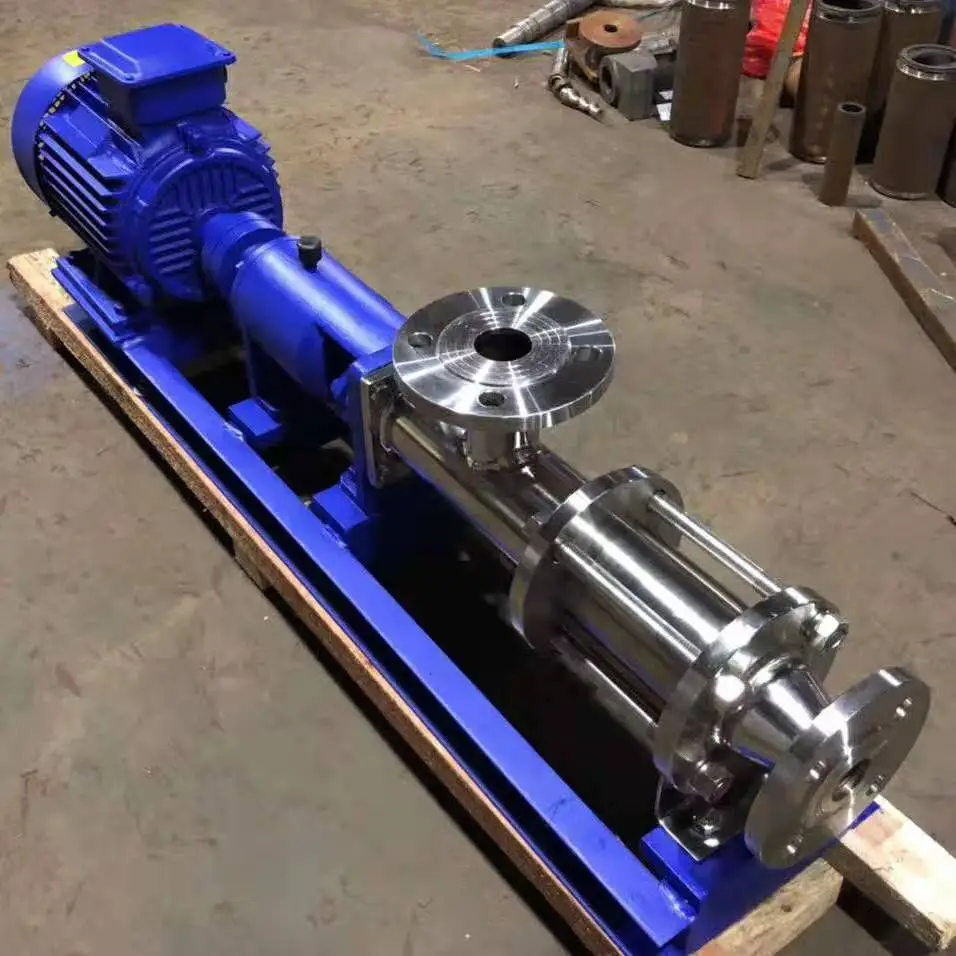
Where Screw Pumps Work: Sludge, Drilling Fluid, and Industrial Media?
Drilling Fluid and Solids Control Circuits
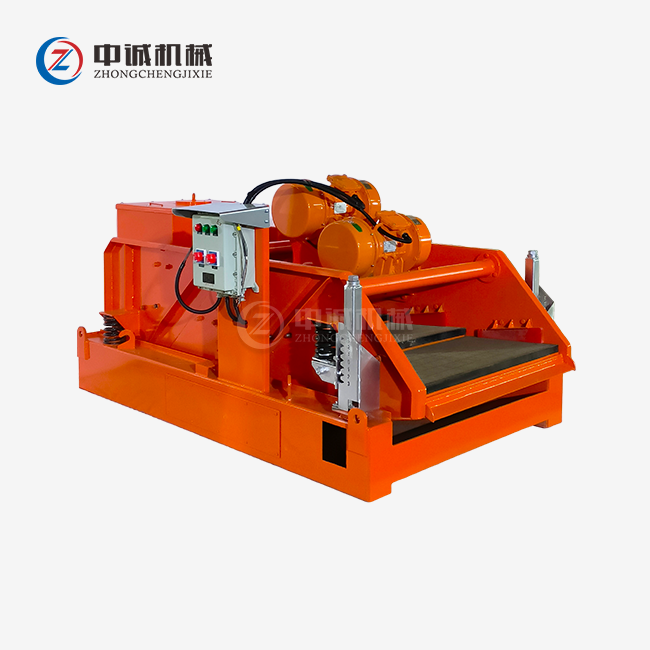
It is the job of a transfer pump on a rig to move mud between tanks, feed mixing units, and power appliances that separate oil and water. Most of the time, the fluid carries sand, small pieces, and things used for weighing. You have to harden and slow down the parts when you use abrasive duty. This means you lose some capacity but get longer wear life. It's also helpful for drilling teams to have pressure that starts itself when they switch tanks. Solid control and mud circulation systems for rigs from ZJ20 to ZJ90 and XJ350 to XJ750 are made by ZHONGCHENGJIXIE. The tanks, pipes, and other tools further down the line help us decide what size pump to use. Through that view, the change point doesn't get too busy.
Sludge Transfer in Wastewater and Waste Treatment
Screw Pumps can move primary sludge, active sludge, thicker sludge, polymer-conditioned sludge, and material that has been dried out. When it comes to the amount of solids in sludge, reference books like Metcalf and Eddy's "Wastewater Engineering" divide it into groups. As the sludge is dried and thickened, it gets thicker each time. Plus-sized pumps keep moving things even when the fluid changes. Low shear also helps protect sludge that has been mixed with polymers. This type of pump can be used to power both sludge dewatering units and sand removal systems. It can do this in both drilling waste treatment and running building pipes. That way, the equipment that drains water downstream doesn't go back and forth between not having enough water and having too much water.
Chemical, Food, and Other Industrial Uses
Screw Pumps are used in more than just oil fields and sludge plants. Heavy oil, fuel, chemical slurries, plastics, food, and naval lubricants are some of the things they deal with. For every service, a different set of materials, seals, and surface finishes is used. The things that are used for food duty need to be easy to clean, made of approved materials, and have clean connections. It is important to use metals and elastomers that don't break down in chemical slurries. The temperature of the fluid and how it is cleaned are also things that play a role. Since speed and flow tend to stay close to a straight line, these tools can also be used to figure out how much to give. The ZC Screw Pump from ZHONGCHENGJIXIE can be used to clean sludge, chemicals, food, and solids in the fields. Before you place an order, you should always ask the seller if the material is suitable.
Choosing the Right Screw Pump and Screening the Manufacturer
Start with Complete Fluid and Duty Data
First, the fluid and the job are fully explained. Write down the viscosity at the working temperature, the density, the concentration of solids, the particle size, the abrasiveness, the corrosiveness, the gas content, the flow range, the suction conditions, the discharge pressure, the pipe losses, and the number of hours the system has been running. A lot of buyers don't check the suction and pipe losses. That being said, those two things are what tell us if the pump fills and delivers as it should. If you want to find the viscosity, go to the coldest place and repeat the steps. They don't have to guess about the job point if they have a full data sheet. This step doesn't take long and stops changes that cost a lot of money from happening.
Match Components, Drives, and Protection
Goodbye! You can match the rotor, stator, housing, elastomer, seal, motor, gearbox, and controls to the job point once you know it. With a variable frequency drive, you can change the flow without slowing it down. For rough fluids, you can also slow it down. With dry-run, overload, temperature, and overpressure safety, it's less possible that expensive damage will happen. Before placing an order, people in the US should check that the voltage, frequency, and housing rating of the motor match the power and area classification of the site. These details are hard to change after the fact. Don't just compare the price to buy; also compare the cost over its whole life, which includes spare parts, warranty terms, and the wear parts' lifespan.
Procurement Checklist for a Screw Pump Manufacturer
As well as performance data for your project, duty-point calculations, information on the materials used, information on the motor, connection sizes, drawings, manuals, and testing records, a good manufacturer should also give you information on the seals. Ask them about their experience with sludge and drilling fluids, checking samples, how long wear parts last, giving you extra parts, getting the machine going, and helping you from away. Check out management certifications like ISO 9001, ISO 14001, and ISO 45001. These cover things like quality, safety, and the environment. When you buy something online, check to see if the price includes the whole setup or just the base pump. Also, know the Incoterms, the export papers, the terms of the guarantee, and the shipping time. After a full technical question, a firmer quote is given than after a price-only question.
ZC Screw Pump from ZHONGCHENGJIXIE for Stable Slurry Feeding
Product Overview and Parameters
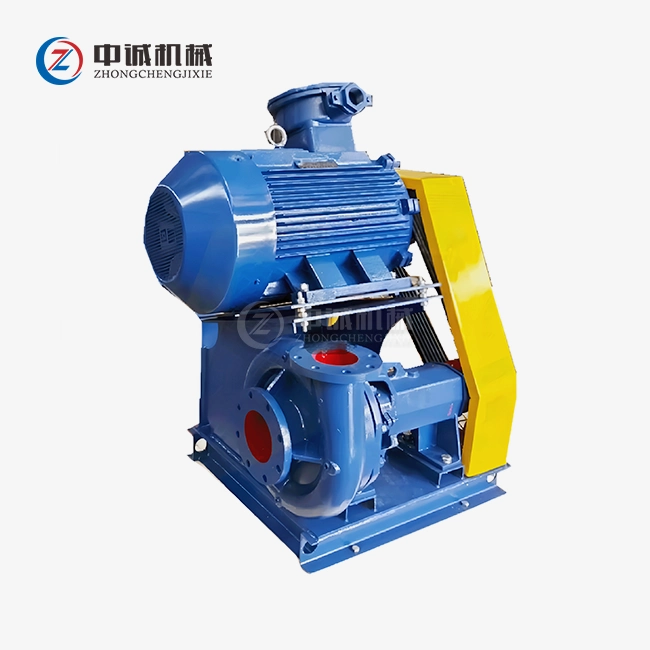
The ZC Screw Pump is a positive displacement pump made to feed slurry in a steady and accurate way. It can handle 10 to 90 m³/h and has an opening width of 80 to 200 mm. In that area, it can be used for chores like moving mud, feeding sludge, and dosing. This pump can handle thick slurry and feed in large amounts without pulsing. It also doesn't damage the things it moves. ZHONGCHENGJIXIE is a direct manufacturer that has been in business for more than 30 years. It has more than 12 patents and a plant in Xingping, Shaanxi Province, which is 6,300 square meters. Every year, we can make up to 200 sets of oil machines and mud drainage systems.
Core Advantages in Field Duty
When it comes to regular service, four pros stand out. To begin, the pump works steadily and well, self-priming well and delivering things very efficiently. Second, it moves a thick substance that has solids and particles mixed in, which is useful for the fuel and chemical industries. Third, its small size makes it simple to take apart and fix every day, which helps service crews keep downtime short. Fourth, low noise levels help keep things safe and stable for a long time near mud tanks and pump skids. This trait helps with common transfer problems, such as uneven feed, solids hurting the product, and slow care. It also means that numeric feeding is not pulsed.
Customization, Certifications, and Support
You can make the ZHONGCHENGJIXIE your own by choosing from different sizes, layouts, and motor brands from China and around the world. Our management systems have the marks ISO 9001, ISO 14001, and ISO 45001. Our products have the marks HSE, TÜV, and BV. In-stock items are usually sent out within three days, while made-to-order items take fifteen days to arrive. Make sure we all pack the same way when we ship goods through the ports of Tianjin and Shanghai. As part of the professional help, you get training in the field, a one-year warranty, drawings, flowcharts, diagrams of parts and pieces, operation and maintenance guides, and more. Distributors and EPC workers can keep track of their notes in project files.
Maintenance, Troubleshooting, and Performance
Planned Inspection and Condition Monitoring
Every so often, the seals, bearings, joints, rotor, stator, casing, shaft, and motor of pumps that are always running should be checked. If the medium is used for 2,000 to 4,000 hours, check the joints and plugs. Check the space between the rotor and stator at the end of the year. Watch out for leaks, flow, pressure, motor current, temperature, and shaking. It's often a sign of wear before the line breaks if the flow or stream is slowly going up or down. Keep a simple record to see how things change over time. If you think sludge or chemicals could settle down, get hard, or form crystals, flush the pump.
Troubleshooting Common Faults
An awful lot of the time, things stop flowing, lose pressure, get too hot, and shake. Rotation that isn't right, clogged suction lines, air leaks, dry running, too much differential pressure, worn parts, and not enough oil are some of the most likely causes. You should look at how something works before you start taking it apart. Make sure to check the rotation, suction level, valve settings, gauge values, and rotation. Then, check for air leaks and blockages. Make sure the weight and wear parts are okay first. Then go to the next step. Be extra careful when running without fluid. The fluid keeps the rotor and stator smooth, and dry running for even short amounts of time can damage the stator. Turn off the power before you do any work with your hands.
Reducing Wear and Risk
In order for dependent operation to work, the limits for speed, pressure, temperature, and materials must all be met. It lasts longer if it is protected against dry runs, has the right wear materials, is aligned correctly, is cleaned, and can only go at a certain speed. Do not go too fast when you use rough mud, as this will make the rotor, stator, seal, and case wear out faster. There is less energy waste when there are fewer throttling spots, when the suction and discharge lines are the right size, and when the frequency setting can be changed. Running at too high of speeds or pressures and materials that are rough on the stator are what cause most of its wear. For service in sand, rotors that are stronger and have special coatings can be helpful.
Conclusion
A Screw Pump moves mud and drilling fluid through holes that are closed off. This keeps the flow steady and low-pulsing even when the density and amount of solids change. Different chemicals can be used with types that have one, two, or three screws. There are three types of pumps: lobe, gear, and centrifugal. The solids, viscosity, pressure, and how sensitive the pump is to shear all affect which one is best. Sludge from sewers, chemicals, food, and drilling mud can all be moved with it. You need to start with full duty data and then match the materials, seals, motors, drives, and security to make the right choice. Planned checks, keeping an eye on trends, and working within the limits can help cut down on wear and downtime. With full process data and a list for the seller, you can get a pump that works well and lasts longer.
FAQ
Can a Screw Pump run dry?
No. The fluid lubricates the rotor and stator, so even short dry running can damage the stator.
How does viscosity affect pump performance?
Flow stays fairly steady as viscosity rises, but power draw increases because of internal friction. Size the motor for the highest viscosity you expect.
What causes early stator wear?
Abrasive solids and operation beyond rated pressure or speed cause most wear. Hardened rotors and special coatings can reduce it.
Is a Screw Pump suitable for dosing?
Yes. Flow follows speed in a nearly linear way, which supports precise volumetric dosing.
How often should I service the pump?
Depending on the medium, inspect seals and bearings every 2,000 to 4,000 hours. Check rotor and stator clearance during annual shutdowns.
What data do you need for a quotation?
Send fluid type, viscosity, solids content, particle size, temperature, flow range, pressure, and operating hours. Motor standards and certification needs also help.
Request a Screw Pump Quote from ZHONGCHENGJIXIE for Continuous Sludge and Drilling Fluid Transfer
If you want to do your job, please email oliver@zcgukong.com your fluid data, flow rate, pressure, and solids content. Someone from our team will look it over. We're a straight Screw Pump company that's been around for more than 30 years. We can make changes to your order, ship in-stock items in three days, and take fifteen days to deliver special orders. Our guarantee lasts for a year. Go to zcsolidscontrol.com to learn about their goods and get expert help.
References
1. API Standard 676: Positive Displacement Pumps—Rotary, American Petroleum Institute, 2009
2. ANSI/HI 3.1–3.5 Rotary Pumps for Nomenclature, Definitions, Application, and Operation, Hydraulic Institute, 2008
3. Drilling Fluids Processing Handbook, ASME Shale Shaker Committee, Gulf Professional Publishing, 2005
4. Composition and Properties of Drilling and Completion Fluids, Caenn, Darley, and Gray, Gulf Professional Publishing, 2017
5. Wastewater Engineering: Treatment and Resource Recovery, Metcalf & Eddy, McGraw-Hill, 2014
6. Progressing Cavity Pumps, Downhole Pumps and Mudmotors, Lev Nelik, Gulf Publishing, 2005