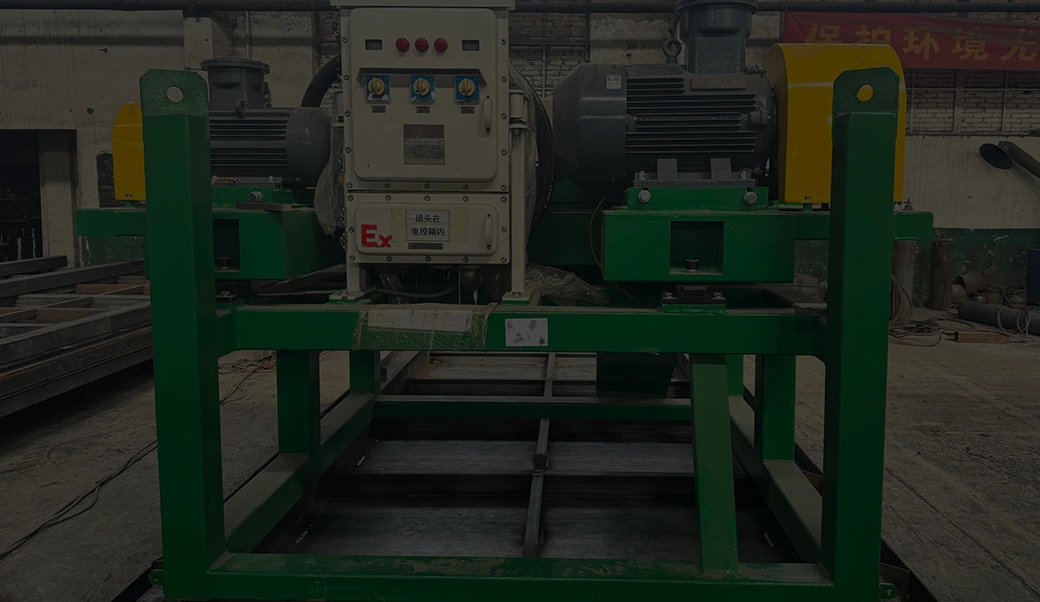
A Mud Circulation Tank gives a drilling crew a controlled place to store, mix, condition, and move drilling fluid. That control keeps mud density, viscosity, and solids content within the limits the well program sets. Agitators hold barite and fine solids in suspension, internal compartments separate each treatment step, and sealed construction keeps fluid off the ground. When the tank is sized correctly and matched to the solids control system, the crew spends less time fixing fluid problems and more time drilling. In this guide, I explain how the tank works, how to size and select it, how to install and maintain it, and how to buy it with confidence.
Understanding the Mud Circulation Tank
What Is a Mud Circulation Tank?
In an oilfield solids-control system, a Mud Circulation Tank is a steel tank that holds drilling fluid and moves it around. A holding tank that isn't being used has only liquid in it. Pumps, valves, transfer lines, and gadgets that check the level are all part of a Mud Circulation Tank.
What makes the mud different is important because it determines how stable the wellbore is, how cuttings are moved, and how much pressure is used. The pressure is given in pounds per square inch (psi) by multiplying 0.052 by the weight of the mud (ppg) and the true vertical depth (ft). Small changes in mass cause changes in the pressure at the bottom of the hole.
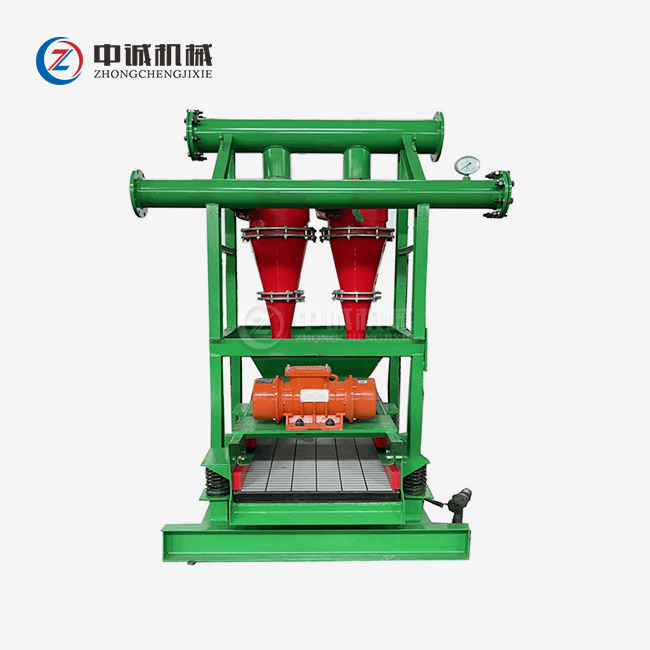
These tanks are used on land rigs, horizontal directional drilling (HDD) drills, geothermal wells, gold and oil drilling, finishing and workovers, and slurry projects. Because it's made up of flexible zones, our ZC Mud Tank can store, move, and clean mud all in one unit.
How Does a Mud Circulation Tank Work?
Along with the cuttings, the mud leaves the pumps, moves down the drill string, and out of the bit. It then goes back up the annulus. At the top, it goes through the shale shaker and other solids-controlling gear. There, it gets cleaned up and put back into the tanks to be used again.
When there is movement, the fluid doesn't separate into layers, and the barite doesn't settle. According to the API, barite has a specific gravity of at least 4.2, which means that it breaks apart quickly in still water. And mud guns move the dirt around in the corners. Different types of agitators work best with different types of tank shapes.
Flow-control valves, level signs, high-level alarms, overflow security, and emergency drains keep the crew and the site safe. Monitoring and controlling the pump can be done from the same panel if automation is chosen.
Main Mud Circulation Tank Components
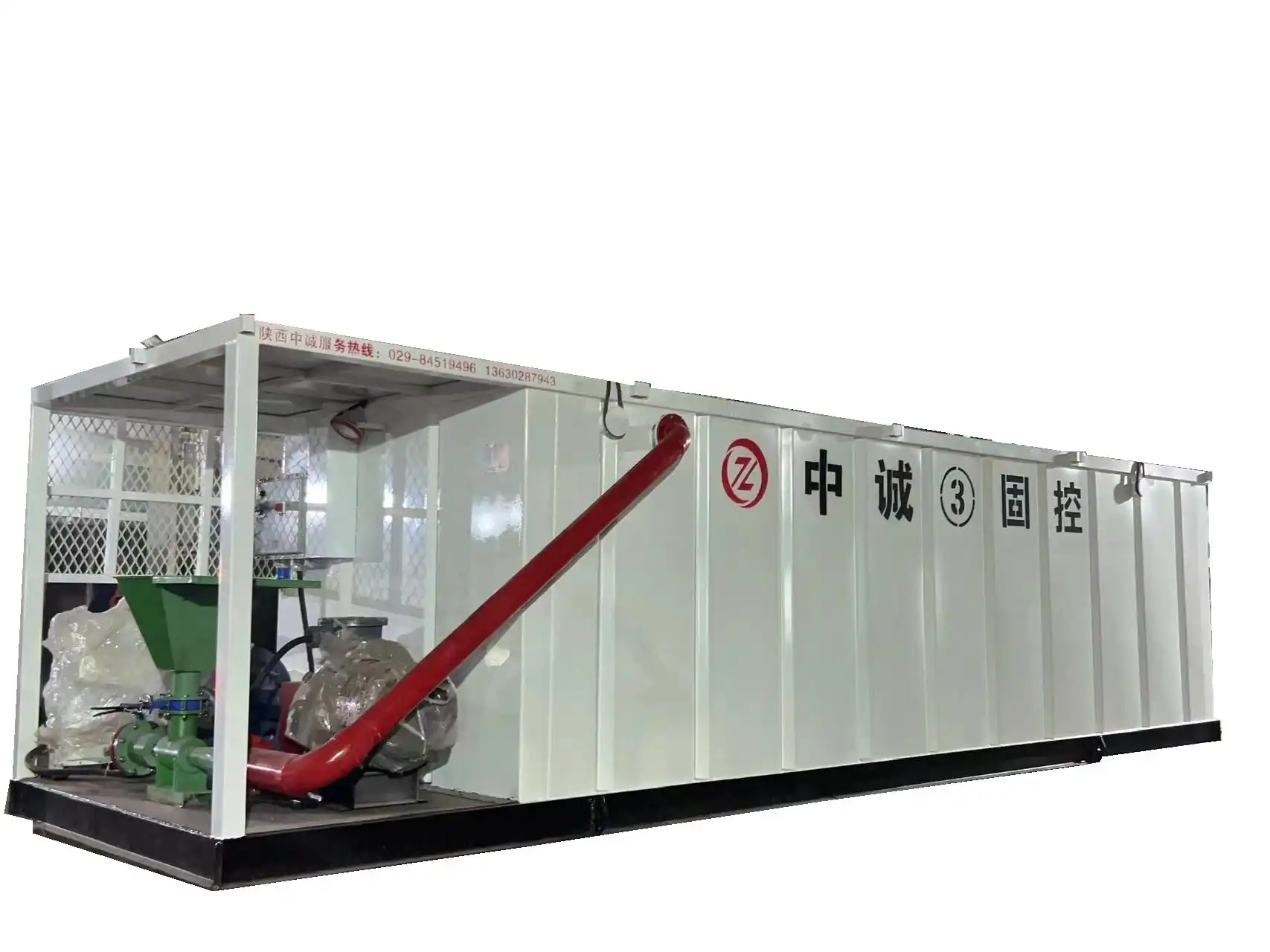
The body of a reliable tank is made of steel that has been strengthened, and there are dampers inside that separate the space into sections. Shape and baffles in the mud tank help cut down on dead spots where things sit.
All around that body are pipes for ventilation, cleanouts, sand traps, sinks, cleaning lines, and centrifugal pumps. The tank can also hold or link to shale shakers, desanders, desilters, centrifuges, and vacuum degassers. To keep the crew safe, you should put in walkways, handrails, guards, grounding, alarms, and emergency stop systems.
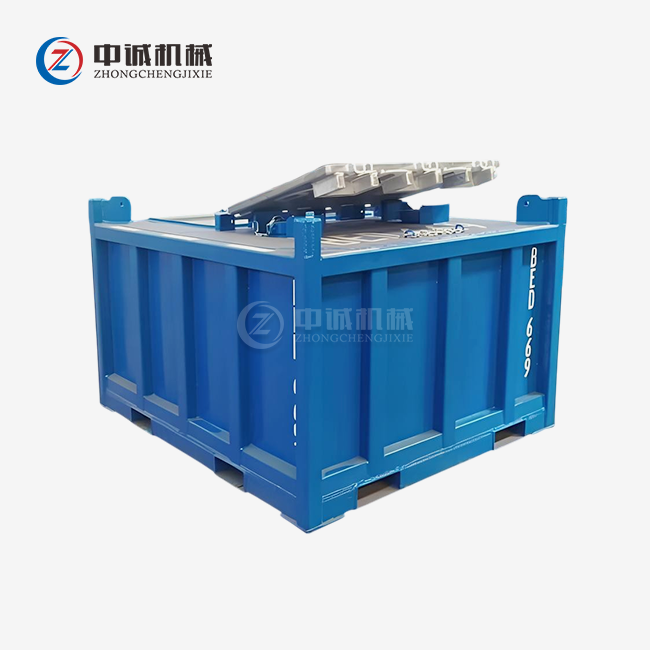
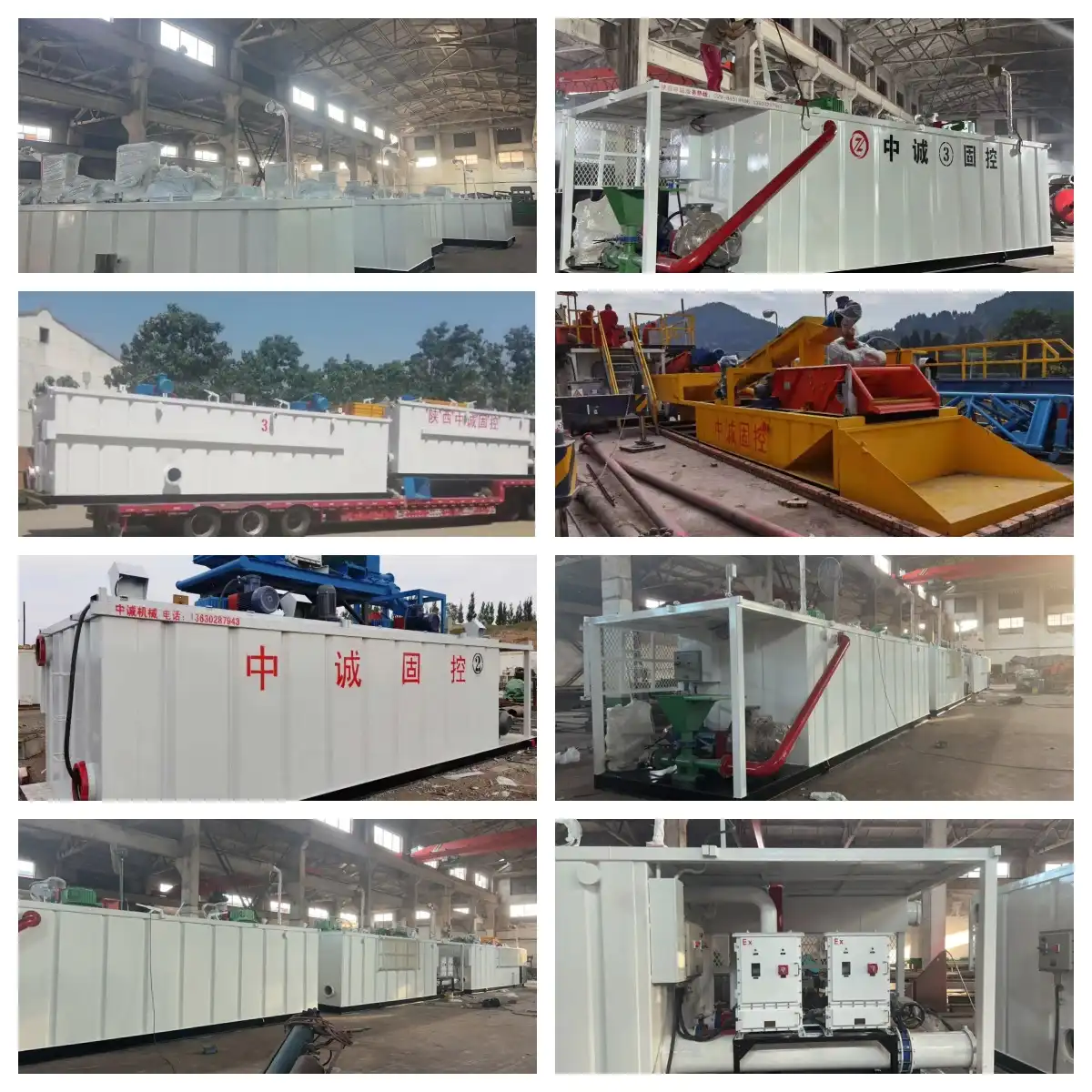
The ZC Mud Tank is made up of separate parts that are put together using a zoning design and comes with all the usual extras. It has a sealed body, so mud can't get in or out. This protects the ground around the rig.
Sizing and Selecting a Mud Circulation Tank
Mud Circulation Tank Capacity Calculation and Size Selection
Without knowing the exact sizes of a Mud Circulation Tank, you can't say how much fluid you can use. The first relationship I'll talk about is this one: needed working capacity = active system volume + circulation volume + operational reserve. Next, I check the well's depth, hole size, drilling speed, pump output, trip volume, expected losses, and growth plans for the future.
So, the usable working volume is always less than the total physical volume. This is because the crew needs freeboard below the deck and room to move around. A small Mud Circulation Tank is usually best for basic tasks like exploring or HDD work. A shape in the middle works for many land wells. A big system with lots of sections works best for deep wells with fast flow rates.
Size also has to do with how much can be moved, how well the crane can do its job, and how easy it is to get to the spot. If the tank can't get to the pad or be moved, it's not being used to its fullest.
Choosing the Best Mud Circulation Tank for Oil Drilling
The best tank is chosen by taking into account the type of drilling, the well's depth, the properties of the fluid, the work area, and the need for movement. First, pick whether you want the unit to move fluid, store it, mix it, or hold it for a short time.
Then you should compare them. Carbon steel that has been coated is a good choice for many fluid systems. Stainless steel is more expensive, but it doesn't rust as quickly when it comes into contact with harsh liquids. Check the inspection records, the plate's width, the welds' quality, the coating system, and the coating system.
Next, choose whether the controls will be manual or automatic. Also, make sure the mud-moving parts and pumps are the right size, and look over the electricity needs and connection standards. Local rules and the list of dangerous places also apply in the US. You can drill with our units on land, at sea, or on trucks with ZJ20 to ZJ90 rigs. Before we start making the units, we get buyers to sign off on the plans.
Mud Circulation Tank vs. Other Drilling Fluid Tanks
Different tanks are meant for different things, so you shouldn't switch them. Active fluid is kept in a Mud Circulation Tank and pushed around by it. Chems, resins, clay, or weighting agents are mixed with mud in a mud mixing tank to make new fluid. This mud is put into a shale shaker tank, which helps get rid of solids in the first stage.
The crew can check the trip tank to see if it grows or shrinks while they are pulling or running pipe. If the well control or transmission fails, there is a spare tank with extra fluid in it.
Built-in systems do all of these things on a single skid-mounted plan that also has sensors and room for more modules. That's how our ZC Mud Tank works. The space for moving, mixing, setting, and keeping is on one base. The team has less of an impact on the process and more power over it.
Installing and Maintaining a Mud Circulation Tank
Mud Circulation Tank Installation Guide
People and things are safe when they are placed correctly. Ahead of time, I check that the Mud Circulation Tank is level, drains well, is simple to move, and has enough room around it for inspection.
Place each tank by following the process flow plan. Make sure the inlet, outlet, overflow, drain, bypass, and transfer lines stay in place so the tank nozzles don't get stressed out by the weight of the pipes. Check the agitators' and pumps' alignment, impeller space, greasing, guarding, and the way in which they spin. In the field of electricity, sensors, control screens, grounding, and safety stops are all used.
Before adding drilling fluid, run clean water through the system to test the alarms and look for leaks. Also, turn all the valves on and off. Our flexible design makes it easier to set up and get started, and our team gives you plans, flowcharts, and step-by-step instructions on how to do it.
Mud Circulation Tank Maintenance Requirements
Planned regular maintenance keeps the fluids safe and cuts down on break-downs that were not planned. The crew should check the level of the tank, any leaks or vibrations, the valves, guards, and access structures every day as part of their job.
To get rid of solids that have formed in the sections, suction areas, screens, baffles, and drain lines, clean them often. The stirrer and pump's bearings, seals, shafts, couplings, impellers, and wear parts should all be checked. This is especially important if the mud has rough solids in it.
During planned shutdowns of a Mud Circulation Tank, write down and check the floors, stairs, supports, welds, and lifting points. Rust doesn't spread if the coating that stops corrosion is fixed as soon as it is found. If you have extra seals, valves, and flanges on hand, you can fix things faster.
Common Mud Circulation Tank Problems and How to Avoid Them
Tank problems are usually caused by decisions that were made before the tanks were bought. Problems that happen a lot are not enough movement or capacity, solids buildup, pump wear, hard cleaning, lines that aren't lined up right, and not enough safety measures. Most of the time, they happen when you buy without checking the site layout, choose based on nominal amount, or put in agitators that are too small.
This is the first thing that needs to be done to stop it: look at the full capacity and flow. Then check the agitator's coverage area, the pump's performance, the drains, the cleanout access, the nozzles' locations, the foundations, the electrical needs, and the operator's access. In the design, you should include rules for safety guards, grounds, paths, overflow protection, and following the rules.
It's simple to fix problems in the field. Plus, add a mud gun and stir the stuff more to get rid of the silt. Fix the weld or get a new cap if there are leaks. Clean the pipe and check the valves if the lines are clogged.
Buying a Mud Circulation Tank with Confidence
Mud Circulation Tank Cost, Quotation, and Procurement Guide
Cost is based on the product's size, capacity, material, plate thickness, reinforcing, finishes, agitators, pumps, instruments, automation, shipping, testing, certification, and ability to be made to order. I tell people who are buying to look at more than just prices. Make sure the price includes platforms, valves, sensors, extra parts, paperwork, setting up the machine, and a guarantee.
More important than the price of the thing itself is how much it costs to own it all together. Service life, repairs, and fluid loss add up over many wells.
You should get a datasheet, a bill of materials, a general arrangement drawing, a shipping schedule, and clear terms of business from a source you can trust. When you buy something online, you should also look into the factory's past work, quality records, material certificates, shipping dimensions, payment terms, and customer service after the sale.
Why Work With an Experienced Mud Circulation Tank Manufacturer?
To suit your drilling needs, an experienced Mud Circulation Tank manufacturer can change the platform size, shape, agitation, pumping, compartments, coatings, connections, automation, and moving parts. Before the building starts, early engineering help identifies issues with the flow of work, the site's layout, and transportation.
We check the quality of the coating's dry film thickness, which should be 250 to 300 microns for use offshore, and check the watertightness of the coating for 48 hours. We also use ultrasound or X-rays to look at important welds.
There is a factory in Xingping, Shaanxi, that is 6,300 square meters and was built by the company ZHONGCHENGJIXIE in 2015. 200 sets of oil and Mud Circulation Tanks can be used every year. Our team has worked in this area for more than 30 years and has come up with more than 12 new ideas. We have ISO 9001, ISO 14001, and ISO 45001 marks, as well as certifications from HSE, TÜV, and BV. We also do work for wholesalers, OEMs, and EPCs.
Recommended Procurement Workflow for a Mud Circulation Tank
Not having to wait and being confused is reduced by having a set method. To begin, make a clear specification that includes the purpose, working and total capacity, mud properties, agitation, pumping, automation, site dimensions, power supply, transport limits, and standards that must be followed.
Then, ask for quotes, schedules, datasheets, warranties, service terms, drawings, process flow diagrams, and lists of the materials and coatings that will be used. Check out a supplier's references, lifetime cost, plant capacity, Knowledge of exporting, customization options, and ability to work with your system.
Before they are made, the models and test plan must be approved. Once it's been delivered, finish setting up, testing, installing, and training the user. Items that are in stock are sent out within three days, and items that are specially ordered are sent out within fifteen days. Our goods are shipped from the ports in Tianjin and Shanghai. There is a one-year warranty on all orders.
Conclusion
A Mud Circulation Tank keeps the drilling fluid steady while it stores, stirs, conditions, and moves. How useful it is relies on how well it does its job. Partitions and baffles keep dead zones from getting too big, agitators keep the barite in the air, and sealed construction keeps the site safe. There are three parts that make up the capacity: the working system volume, the circulation volume, and the backup volume. It is always true that the usable volume is less than the geometric volume. The type of drilling, the rig, the fluid, the material, and the safety rules all affect the choice. The tank should not be used for the same thing as the shaker, trip, storage, or mixed tanks. A daily check, planned cleaning, and a quick look over the instructions can stop most failures before they happen. When buyers look at full technical scopes, lifecycle costs, and source skills, the project is less likely to be held up, leak, or lose fluid.
FAQ
What is the main purpose of a mud circulation tank?
It holds, conditions, and moves active drilling fluid. Agitators keep objects in the fluid and make sure that its properties stay the same.
How do I calculate working capacity?
There is a working surplus, an active system volume, and a circulation volume that you need to add up. Next, look at the answer next to the useful volume, not the total volume.
Should I choose carbon steel or stainless steel?
Carbon steel that has been coated is less expensive and works well with many fluids. It is possible for stainless steel to handle liquids that are very acidic. Pick the one that fits your budget, service needs, and fluid type.
Is a circulation tank the same as a mixing tank, and when do I need agitators?
Not at all. A mixing tank makes new fluid, and a Mud Circulation Tank keeps fluid that is already in use moving. Barite or solids in a liquid need to be stirred so that they don't settle.
What should my procurement checklist include?
Write down the standards that apply, the materials, the equipment, the automation, the site interfaces, the destination, the delivery schedule, and the equipment.
Request a Mud Circulation Tank Quotation from ZHONGCHENGJIXIE
Looking for a company that makes Mud Circulation Tanks, ships quickly, and offers plans and support for a year? Send an email to oliver@zcgukong.com telling them how much work you can do, what you want to drill for, how dense the mud should be, what materials you like, how the site is laid out, and where you want to go. Most of the time, we ship items that are in stock within three days, and special orders are sent out within fifteen days. When you get in touch with us, our engineers will send you models and a full quote. Go to zcsolidscontrol.com to learn more about the product.
References
1. Drilling Fluids Processing Handbook, ASME Shale Shaker Committee, 2005
2. Composition and Properties of Drilling and Completion Fluids, Caenn, Darley, and Gray, 2017
3. Applied Drilling Engineering, Bourgoyne, Millheim, Chenevert, and Young, 1986
4. Fundamentals of Drilling Engineering, Mitchell and Miska, 2011
5. ISO 13501: Petroleum and Natural Gas Industries – Drilling Fluids – Processing Equipment Evaluation, 2011
6. API Recommended Practice 13B-1: Field Testing Water-Based Drilling Fluids, 2019