Sand Pump Mechanical Seal Assembly - Professional Sealing Solution for Oilfield Operations
Product Overview: Enterprise-Grade Sealing Technology
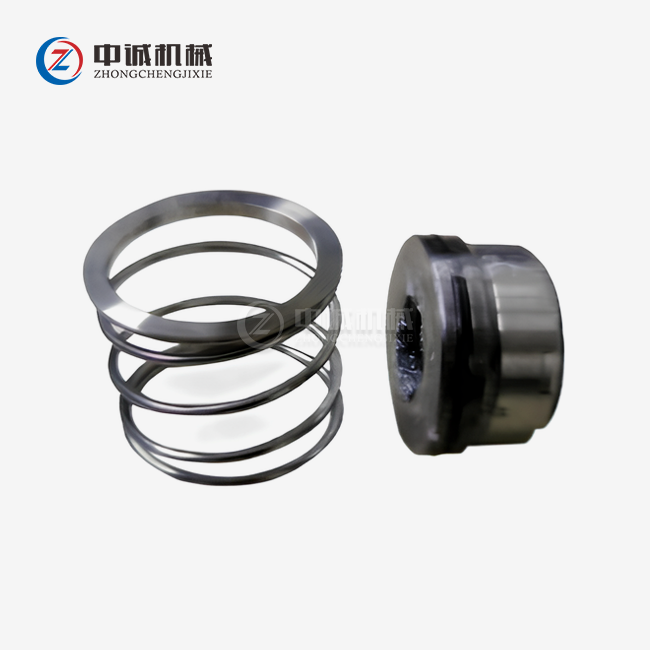
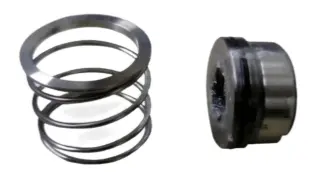
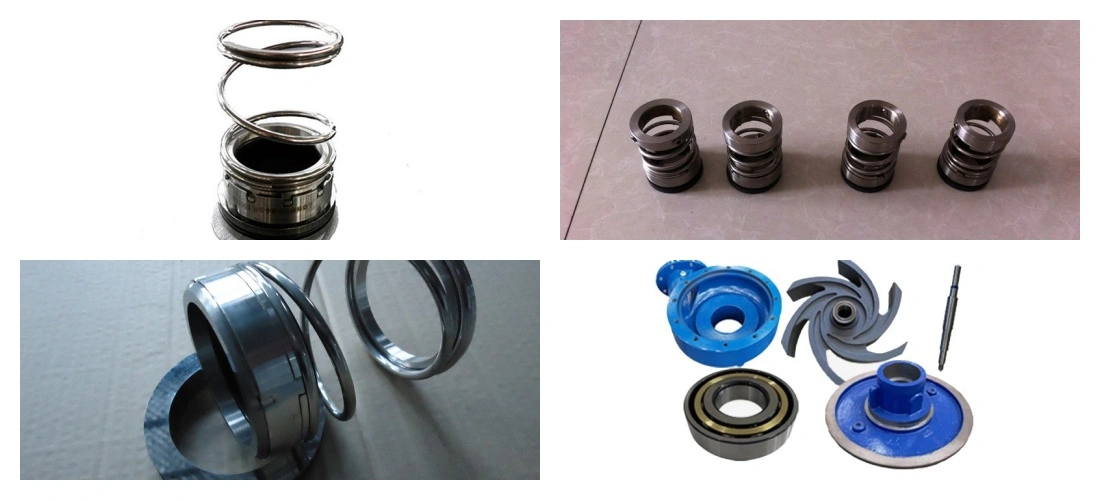
The Sand Pump Mechanical Seal Assembly from Zhongcheng Machinery represents a breakthrough in shaft sealing technology for solid control equipment. Engineered specifically for oilfield sand pumps and mixing pumps, this assembly features Tungsten Carbide seal faces with hardness exceeding 90 HRA and pressure handling capability up to 2.5 MPa.
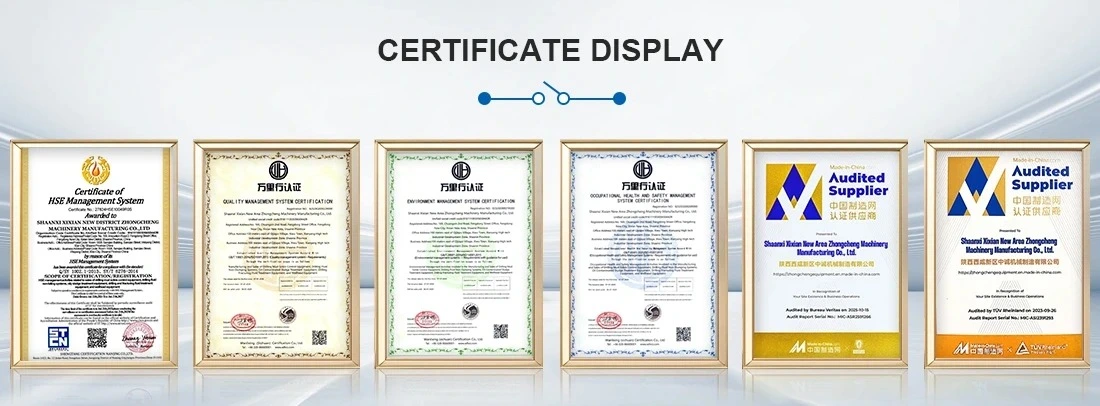
Our concept works well in temperatures between -20°C and 200°C while maintaining peripheral speeds of up to 25 m/s. Thanks to ISO 9001/14001/45001 certifications and API 682 compliance, this mechanical seal provides zero-leakage performance in demanding drilling situations with up to 60% sand concentration by weight.
We promise that every seal passes rigorous optical flatness testing with a tolerance of 0.3–0.6 microns thanks to our 6,300 square meter production facility and 30 years of manufacturing experience.
Technical Specifications
| Parameter |
Specification |
| Maximum Pressure |
2.5 MPa |
| Shaft Diameter |
Φ20 to Φ160 |
| Operating Temperature |
-20°C to 200°C |
| Peripheral Speed |
Up to 25 m/s |
| Seal Face Material |
Tungsten Carbide (TC) / Silicon Carbide (SiC) |
| Hardness Rating |
>90 HRA |
| Secondary Seal Material |
Viton / EPDM |
| Spring Configuration |
Multi-spring / Wave spring |
| Flatness Tolerance |
1-2 light bands (0.3-0.6 microns) |
| Pressure Test Standard |
1.5× rated working pressure |
| Compliance Standards |
API 682, ISO 21049, ISO 9001/14001/45001 |
| Certifications |
HSE, TÜV, BV approved |
Superior Material Engineering
Extreme weather-resistant components are essential to your drilling operations. High-performance materials chosen especially for oilfield applications are used in our seal assemblies.
The primary seal faces are constructed from premium silicon or tungsten carbide. These materials provide exceptional resistance to microchipping and erosive wear brought on by abrasive sand particles. A hardness rating higher than 90 HRA ensures a longer service life, even in high-concentration slurry scenarios.
Secondary seals are made of chemical-resistant Viton or EPDM materials. These materials maintain their flexibility over a wide temperature range while withstanding deterioration from corrosive media and drilling fluids.
Heat production while operation is reduced by our balanced seal design. This keeps components from failing too soon by lowering their heat stress. Throughout the operating cycle, the non-clogging spring configurations maintain their functionality even in viscous medium, guaranteeing constant sealing pressure.
Key Performance Advantages
High Wear & Corrosion Resistance
Materials designed to resist corrosive drilling fluids and abrasive sand slurries will be beneficial to you. When you specify nickel-bonded Tungsten Carbide variations for severe chemical exposure, our seal faces are especially resistant to binder leaching in acidic situations.
Exceptional Sealing Stability
Drilling fluid, mud, and other media leaks are avoided by the balanced mechanical design. Under both static and dynamic pressure conditions, you will have zero-leakage performance, safeguarding your equipment and preserving operational effectiveness.
Extended Service Life
Long-term dependability is produced by a small structure and careful material selection. Compared to conventional packing glands, your maintenance intervals are much longer, which lowers operating expenses and downtime.
Low Energy Consumption
The low friction coefficient translates to reduced energy consumption and minimal noise generation. Your pump systems operate more efficiently while component wear decreases substantially.
Easy Installation & Maintenance
Cartridge-style configurations come pre-assembled and pre-set. This eliminates installation errors related to seal height and axial alignment, allowing your maintenance teams to perform replacements quickly with minimal training.
Application Environments
The Sand Pump Mechanical Seal Assembly excels in demanding solid control applications across onshore and offshore drilling operations.
Oilfield Sand Pumps
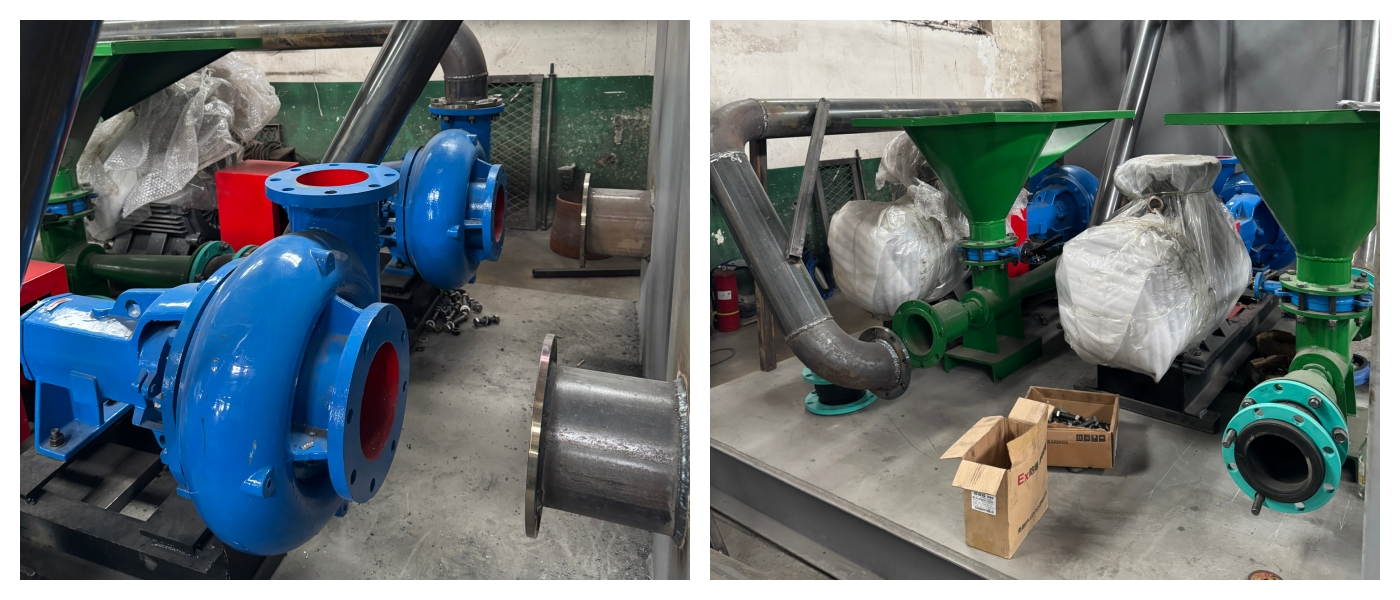
Your sand pumps handle abrasive slurries with high solid concentrations during drilling operations. Our seals maintain integrity even when processing fluids containing up to 60% sand by weight, preventing shaft sleeve wear and catastrophic failures.
Mixing Pumps & Agitators
These seals offer dependable shaft sealing for mud mixing and conditioning systems while managing viscous drilling fluids. In heavy-duty centrifugal applications, the non-clogging spring design guarantees reliable performance.
Solid Control Equipment
Excellent compatibility with mud cleaners, desanders, desilters, and shale shakers. Our seals improve overall operating stability for all drilling rig types, including the ZJ90, ZJ70, ZJ50, ZJ40, and XJ series, by integrating smoothly with your solid control systems.
Dredging & Mining Operations
Beyond oil and gas, these assemblies serve in industrial pumping applications where abrasive particle management is critical. You'll achieve extended mean time between failures (MTBF) even in harsh mining environments.
Quality Assurance Protocol
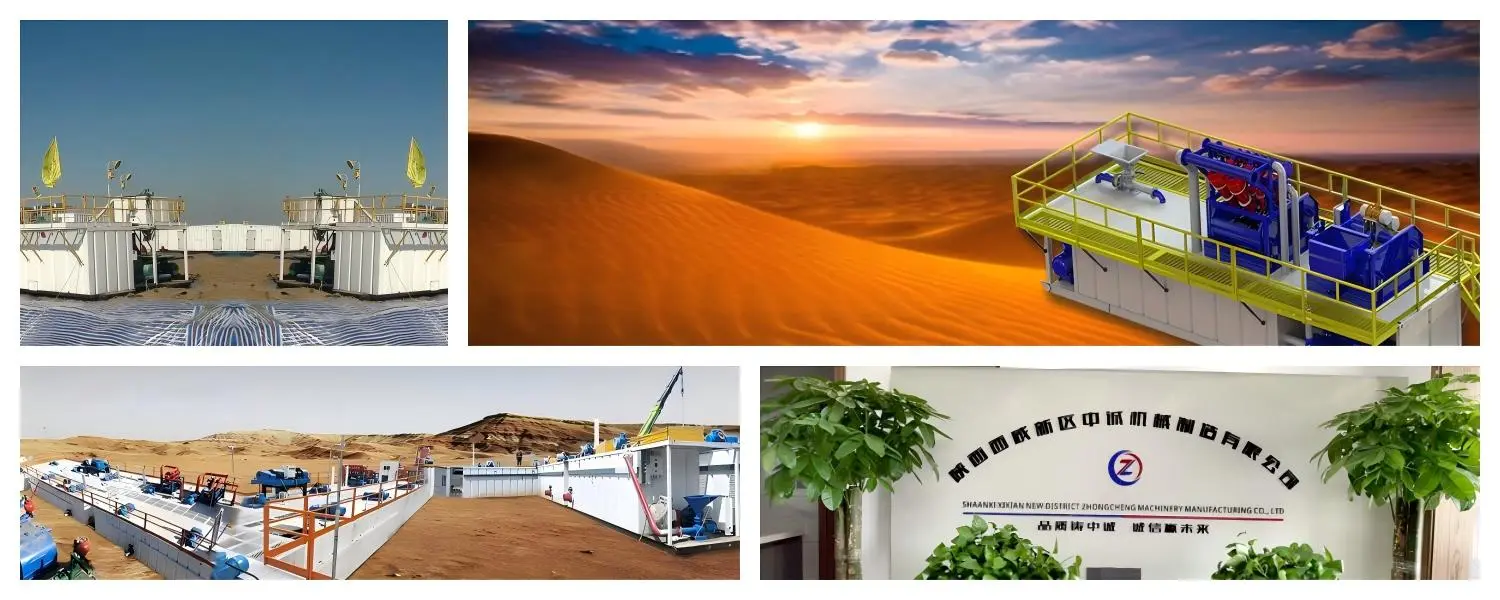
Every assembly undergoes comprehensive inspection before shipment to ensure you receive components meeting the highest quality standards.
Optical Flatness Testing
Seal faces are measured using monochromatic light to verify flatness within 1-2 light bands (0.3 to 0.6 microns). This precision ensures optimal sealing surface contact and prevents premature leakage.
Positive Material Identification
We verify the chemical composition of all stainless steel components (SS316L) and carbide faces using PMI testing. This guarantees material authenticity and performance characteristics.
Static & Dynamic Pressure Testing
Every Sand Pump Mechanical Seal Assembly is tested at 1.5 times the rated working pressure using either nitrogen or water pressure. Field dependability is guaranteed from the start with zero leakage tolerance.
Hardness Verification
Rockwell and Vickers hardness testing confirms friction pair specifications. This ensures wear resistance meets your operational requirements for extended service intervals.
Vacuum Leakage Test
We verify the integrity of secondary seals and overall assembly housing before shipping. This final quality checkpoint prevents installation issues and ensures immediate operational readiness.
Customization & Factory-Direct Advantages
Working directly with the manufacturer gives you customized solutions that meet your unique needs.
Our engineering team supports customization of dimensions, configurations, and material specifications. Whether you need special seal face materials for extreme chemical environments or unique spring configurations for specific pressure ranges, we adapt our designs to your applications.
Fast Delivery Schedule
- In-stock standard models: shipping within 3 days
- Customized configurations: delivery within 15 days
Comprehensive Technical Support
- Engineering drawings and flowcharts
- Detailed component diagrams
- Operation and maintenance manuals
- One-year warranty coverage
- Industry training and technical guidance
- Complete project solutions from experienced service teams
Factory-Direct Pricing
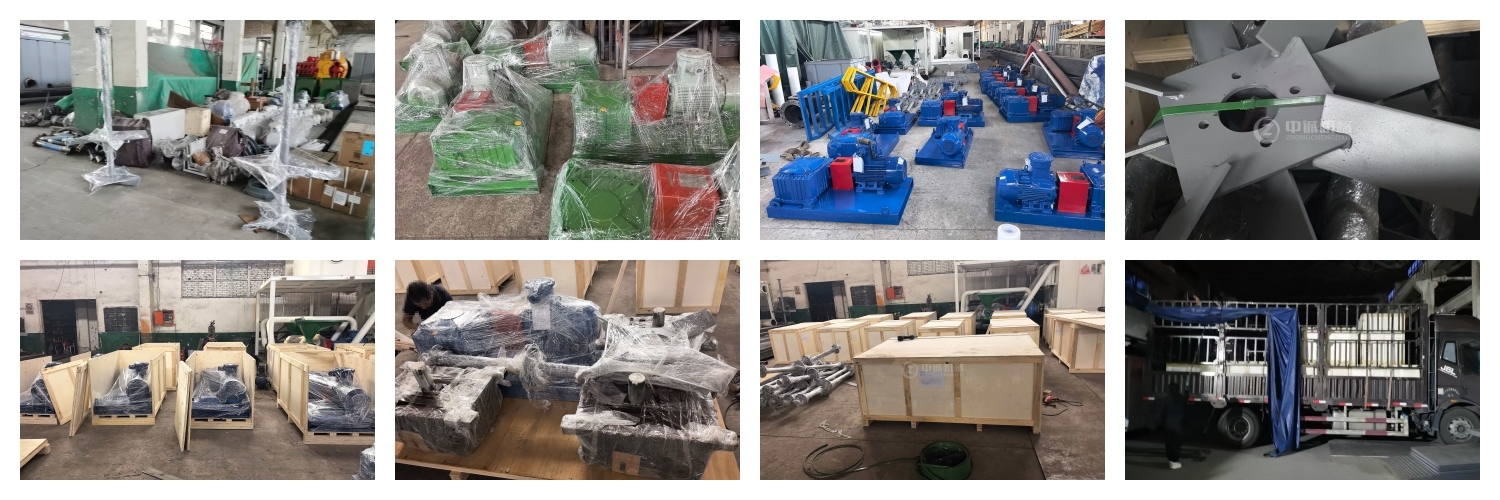
Eliminate distributor markups by purchasing directly from our 6,300 square meter production facility. Our annual capacity of 200 sets of complete systems ensures consistent supply and competitive pricing for your procurement needs.
Frequently Asked Questions
Q: Why does my Sand Pump Mechanical Seal Assembly fail prematurely in high-sand environments?
A: Premature failure typically results from heat check cracks on seal faces or abrasive particles entering the seal chamber. Ensure your flush plan (API Plan 32 or 54) maintains correct pressure. Regular monitoring of barrier fluid levels prevents dry running conditions that accelerate wear.
Q: Can Tungsten Carbide faces handle acidic sand slurries?
A: Material selection is crucial. Select tungsten carbide that is linked to nickel rather than cobalt. In acidic environments, cobalt versions undergo binder leaching, leading to early failure. Our Knowledgeable staff helps you select appropriate materials based on your fluid's composition.
Q: How often should seals be inspected?
A: While MTBF varies by application, we recommend quarterly visual inspections for leakage and barrier fluid monitoring. Check seal chamber pressure regularly and maintain proper flush flow rates. Your operating conditions determine optimal inspection intervals.
Q: What advantages do cartridge-style assemblies offer?
A: Cartridge designs arrive pre-assembled and pre-set, eliminating installation errors. Your maintenance teams avoid complications related to seal height adjustment and axial alignment. This reduces installation time and ensures consistent performance across multiple units.
Q: Do seals require constant water flush?
A: Most heavy-duty designs require flush systems to cool seal faces and expel solid particles. However, specific applications may use dry-running or slurry-specific seals designed for dead-end chambers. Your application determines the optimal flush configuration.
Q: How do I prevent shaft sleeve wear?
A: Appropriate seal installation and selection shield shaft sleeves from contact with abrasive particles. Make that the rotor runout at the bushing does not surpass 0.06 mm and that the shaft deflection remains below 0.05 mm. Seals and shafts are protected by routine alignment inspections and appropriate connection adjustment.
Q: What maintenance practices extend seal life?
A: Fill the sealing cavity with liquid before starting. When handling solidified media, use steam heating to melt materials before rotation. Avoid cavitation during operation as it causes dry friction and seal damage. Monitor pressure stability, keeping fluctuations below 1 kg/cm².
Contact Us for Expert Consultation
Ready to upgrade your solid control equipment with reliable sealing solution – Sand Pump Mechanical Seal Assembly? Contact Us at oliver@zcgukong.com for customized recommendations and competitive quotations today.