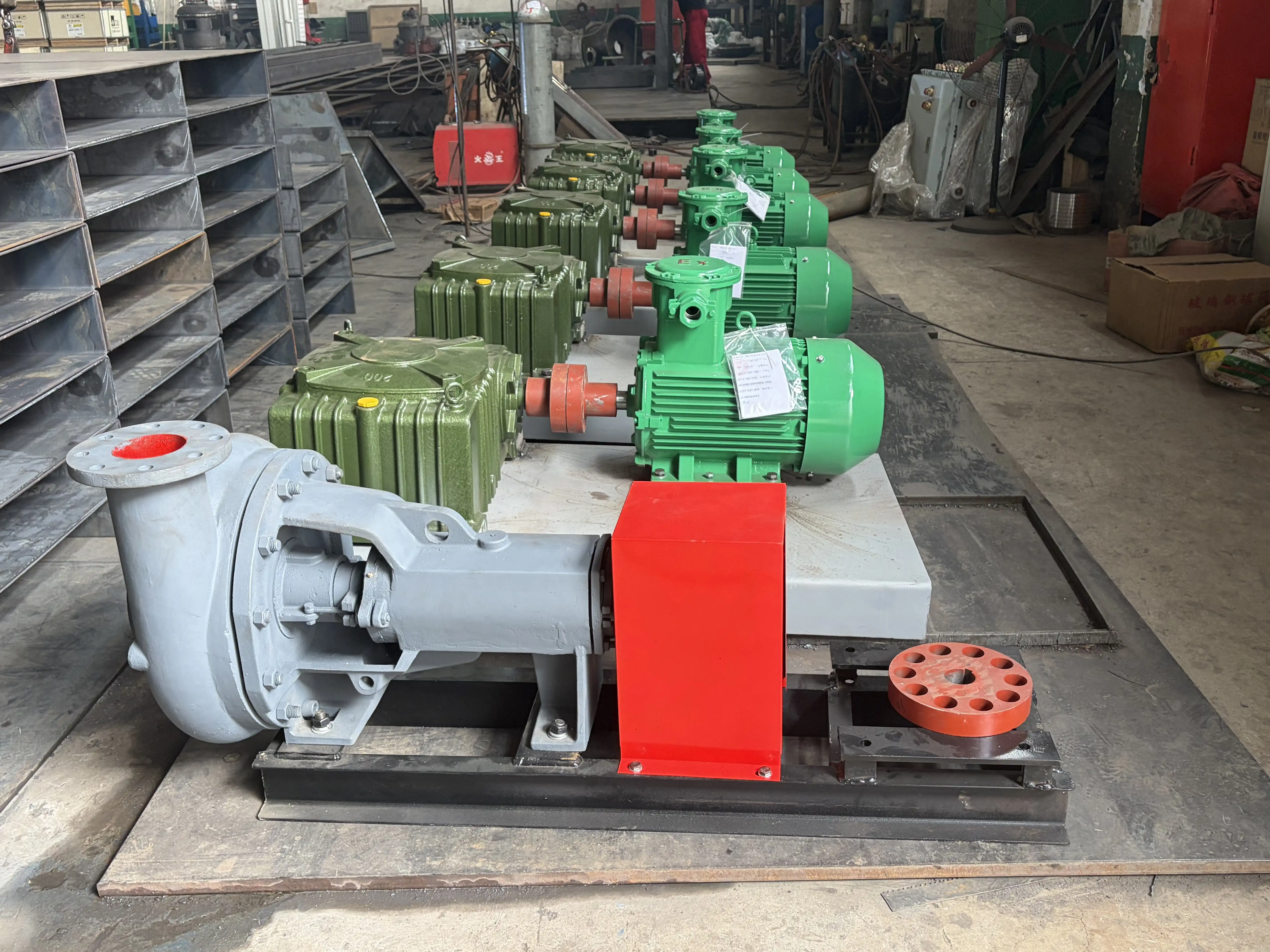
Continuous fluid transfer is the lifeblood of any drilling operation, whether onshore or offshore. A centrifugal pump serves as the essential workhorse that moves drilling mud, cuttings-laden fluids, and chemicals throughout Solids Control Systems and circulation networks. Without reliable pumping performance, drilling efficiency plummets, downtime increases, and operational costs skyrocket. Our centrifugal mud pump stands out as an ideal matching power equipment for the entire oilfield solids control system, designed specifically to meet the rigorous demands of mud mixing, solids control equipment feeding, and mineral processing applications in harsh drilling environments.
Understanding Centrifugal Pumps in Drilling Operations
The Working Principle Behind Fluid Movement
Every centrifugal mud pump has a rotor that spins and changes mechanical energy into fluid energy. While the rotor is spinning very quickly, it speeds up the drilling fluid and creates both speed and pressure. This change in kinetic energy is what lets these pumps handle steady flows of a lot of fluid. This compressed fluid is sent into outlet lines by the casing. This keeps the flow rates steady, which is important for mud drainage systems.
When drilling, knowing this theory helps workers understand why choosing the right pump is important. How well the pump moves fluids that contain sand, cuttings, and other solids is directly related to the design of the impeller, the clearance limits, and the shape of the casing. Our units are built with hydraulics that are designed to keep the flow steady and save energy, so they use as little power as possible while still getting the job done.
Horizontal Versus Vertical Configurations
Installing things in drilling sites can be hard because of the limited space available. Due to their ease of upkeep and simple installation on skid-mounted solids control systems, horizontal Centrifugal Pumps predominate in most oilfield uses. Technicians can quickly check mechanical seals, repair worn parts, and do regular maintenance in these setups without affecting equipment nearby.
Vertical configurations are better when space is limited or when pumping from sumps and tanks that are hard to get to. Because the vertical shafts take up less floor room, they can be used on offshore bases where every square meter is valuable. Maintenance, on the other hand, usually needs more specific steps. When deciding between these approaches, procurement managers should look at how the site is laid out, how easy it is to maintain, and what the most important tasks are for the business.
Material Selection for Corrosion and Abrasion Resistance
Drilling chemicals are known for being very harsh. They have acids that break down metals, sand particles that are rough, and pH levels that change all the time, all of which can quickly damage weak pump parts. Our Centrifugal Pumps have ductile iron housing and wetted parts, which provide excellent impact and abrasion protection. This choice of material has a much longer useful life than standard cast iron options.
While keeping hydraulic efficiency, the impeller and volute must be able to handle solids hitting them all the time. When it comes to durability, ductile iron is hard enough to fight wear and flexible enough to handle shock loads from sudden pressure spikes or slug flow conditions. This durability means that drilling companies who manage multiple rigs will have to repair parts less often and pay less overall.
Ensuring Continuous Fluid Transfer: Operational Challenges and Solutions
Combating Cavitation in High-Demand Environments
Cavitation is one of the most damaging things that can happen to Centrifugal Pumps during digging activities. Vapor bubbles appear in the low-pressure areas close to the impeller eye when the Net Positive Suction Head Available (NPSHa) goes below the Net Positive Suction Head Required (NPSHr). As these bubbles move into areas with higher pressure, they violently collapse, wearing down the impeller surfaces and making the usual noise and vibrations.
Cavitation is more likely to happen at drilling sites where mud weights change, suction lines are long, and flow needs change quickly. To stop cavitation, you need to pay close attention to the conditions of the suction, like cutting suction lift, eliminating pipe friction losses, and making sure the tank levels are right. Our pumps are made with low NPSHr values so they can work as extra mud priming pumps to help keep the right suction conditions even in tough installations.
Vibration Analysis and Predictive Maintenance
Too much vibration can mean that there are problems with the mechanics that, if not fixed, will cause catastrophic breakdowns and unexpected downtime. Misalignment of the pump and driver, uneven impellers, old bearings, or broken mechanical seals are all common reasons. By regularly checking for vibrations, repair teams can spot problems as they start to grow before they get worse.
We suggest setting up standard vibration signatures during setup and taking measures at the pump feet and bearing housings on a regular basis. When vibration amplitude or frequency patterns change quickly, it means that there is a fault. High-frequency vibrations are a common sign of worn bearings, while axial and radial patterns show up when the bearings are out of alignment. Taking care of these problems quickly by realigning, replacing bearings, or repairing seals can keep the pump running continuously and save a lot of money.
Interpreting Performance Curves for Optimal Operation
There is a specific performance graph for each Centrifugal Pump that shows how flow rate, head, and economy are related. The Best Efficiency Point (BEP) is the point where the pump works best in terms of hydraulic efficiency and mechanical stress. Running a lot of miles away from BEP uses more power, speeds up wear, and shortens the life of parts.
When mud properties change, or new solids control equipment comes online, drilling operations often have to change the amount of flow they need. With a head range of 21 to 40 meters and a capacity range of 28 to 320 cubic meters per hour, our Centrifugal Pumps provide flexible performance across a wide operational range. This adaptability lets workers change flow rates while keeping efficiency levels high, so they can adapt to changing drilling conditions without lowering reliability.
Selecting the Right Centrifugal Pump for Drilling Applications
Analyzing Flow Rate and Pressure Requirements
Figuring out exactly what the pump needs to do is the first step in choosing the right one. The flow rate is based on the size of the rig, the number of solids control devices that are active, and the flow rate that is wanted. On a ZJ50 drilling rig, the solids control system might need 150 to 200 cubic meters per hour to feed the shale shakers, desanders, and desilters and keep the mud's properties right.
Head needs are caused by system resistance, which includes vertical lift, friction losses in pipes, and pressure drops across equipment. The Total Dynamic Head (TDH) that the pump has to beat is found by adding up all of these resistances. Our units come with motor power choices ranging from 5.5 to 75 kilowatts, so they can meet the needs of a wide range of drilling rig classes, from ZJ20 to ZJ90.
Comparing Centrifugal Technology with Alternatives
Positive displacement pumps are better for moving fluids that are very thick or for keeping the flow steady when the output pressure changes. But they cause pulsating flow, need more upkeep, and aren't as simple or reliable as centrifugal systems. While submersible pumps don't need to be primed, they can be hard to maintain in drilling situations where they need to be inspected and serviced often.
Because they shine at constant, high-volume transfer with little upkeep, Centrifugal Pumps are the most common type of solids control pump. Because they are simple, have fewer moving parts, and can handle solid slugs every once in a while, they are perfect for the hard work that happens 24 hours a day, seven days a week on drilling sites. The small size of the structure makes sure that the pump runs smoothly and steadily with little shaking, which lowers both downtime and repair costs over the life of the pump.
Key Features That Enhance Drilling Performance
Industrial-grade drilling pumps are different from general-purpose units in more ways than just how well they work hydraulically. Strong pulling power and high displacement efficiency make sure that sand and other solid particles stuck in drilling fluid are moved around efficiently. We put these features at the top of our designs because we know that keeping the drilling fluid clean has a direct effect on drilling speed, bit life, and the overall cost of the project.
Better resistance to corrosion and wear makes service intervals longer in harsh oilfield environments where equipment works nonstop in tough conditions. Being able to work as an extra pump gives the unit more operating freedom, letting it play different roles in the solids control system. This makes keeping track of inventory easier and cuts down on the number of spare pumps contractors need to keep in their fleet.
Procurement Guide for B2B Clients: Buying Centrifugal Pumps for Drilling
Evaluating Suppliers and Certifications
When buying important drilling tools, you need to look at more than just prices when deciding which supplier to buy from. Certification to standards that are known all over the world guarantees the quality of the products, care for the environment, and safety at work. Look for providers that have ISO 9001 certifications for quality management, ISO 14001 certifications for environmental management, and ISO 45001 certifications for health and safety at work. They should also have third-party validation from groups like BV, TÜV, and HSE officials.
The ability to make things is just as important. When it comes to customization, technical support, and long-term parts availability, direct manufacturers with their own patents and full production facilities are better. Facilities with enough production capacity ensure a steady supply, even when market demand goes up and down. This protects your project plans from equipment shortages that happen when you depend on trading companies or small workshops.
Understanding Lead Times and Logistics
On drilling projects, equipment delays directly lead to lost income because of the tight plans. Setting clear, attainable delivery dates during buying stops unpleasant shocks that cost a lot of money. Standard units that are in stock should be shipped within days. Custom setups that need specific sizes, motor brands, or materials will, of course, take longer to make.
Transport-safe packaging keeps expensive tools safe on the way to remote digging sites. Good providers offer full cover, such as plastic film, tarps that don't get wet, and secure strapping. Moving and damaging equipment is avoided by using pallets or wooden crates that are custom-made to fit the items. Making sure the packaging meets standards before sending protects your investment, especially for international deliveries that have to go through a lot of different handling points and transportation methods.
Warranty Terms and After-Sales Support
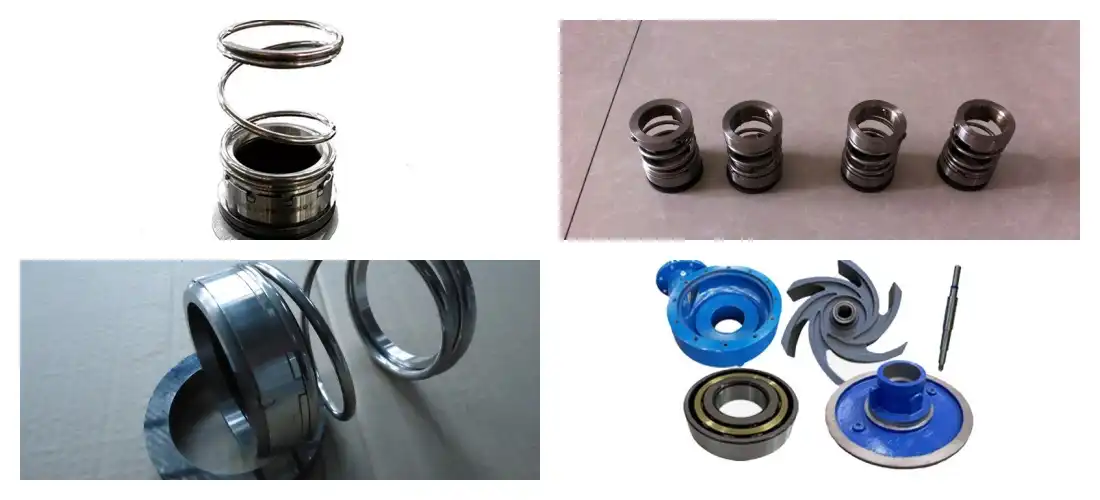
A full guarantee shows that the company that made the product is confident in its quality and protects buyers from bad materials or work. All important parts, like casings, impellers, shafts, bearings, and mechanical seals, should be covered by a guarantee that lasts at least one year. Make it clear what situations don't qualify for coverage and how claims are handled, especially for equipment that is used in remote areas.
Having support after the sale is often more useful than saving money on the purchase price. Installation instructions, help with setup, and full expert support make sure that equipment quickly works at its best. Having access to technical staff who are informed and understand drilling applications makes it easier to fix problems from afar, reducing the need for expensive site trips. Reliable spare parts availability and reasonable delivery times keep equipment going when worn-out parts need to be replaced as part of regular upkeep.
Future Trends and Innovations in Centrifugal Pumps for Drilling Industries
Smart Monitoring and Predictive Analytics
Digital technologies that make tools more reliable and operations more efficient are being used more and more in the drilling business. IoT-enabled sensors built into pump systems keep an eye on important factors like temperature, shaking, pressure, and flow rate in real time. This stream of data is processed by cloud-based analytics platforms that look for strange patterns that show mechanical problems before they break down.
Predictive maintenance plans based on machine learning algorithms look at past performance data to guess when parts will wear out and when they should be serviced next. With this method, maintenance is no longer done after something breaks; instead, it is done ahead of time, during planned downtime. By fixing problems as soon as they happen, drilling companies can cut down on unplanned downtime, make better use of their parts inventory, and get longer use out of parts.
Advanced Materials and Coatings
New discoveries in materials science keep making pumps last longer in harsh and harmful settings. Engineers now ask for special metals and hybrid materials that were made to work with drilling fluids. Putting ceramic coats on the sides of impellers makes them much more resistant to wear and tear, so they don't need to be replaced as often, even when working with fluids that are full of cuttings. Corrosion-resistant plastics and elastomers keep seal systems from leaking even when they are exposed to harsh chemicals.
The main goal of procurement managers is to lower the total cost of ownership, and these material innovations directly help them do that. Even though the initial cost of the product may go up a little, the long service life and lower maintenance needs make it a very good investment. Suppliers who offer these high-tech materials show that they care about customer value and technical leadership in ways that go beyond simple price competition.
Energy Efficiency and Environmental Compliance
Global efforts to be more environmentally friendly and stricter rules on the environment affect how the drilling industry chooses what tools to use. Energy-efficient pump designs use less power, which lowers prices and lowers the impact on the environment. Variable frequency drives (VFDs) let you precisely control flow by matching pump output to instantaneous demand instead of wasting energy by slowing down or bypassing the pump.
More and more, drilling contractors are being pushed to reduce their impact on the environment by recycling fluids and properly managing waste. Efficient Centrifugal Pumps allow closed-loop mud systems and drilling waste treatment solutions that recover valuable drilling fluids while properly handling cuttings and contaminated materials. Operators who prioritize responsible resource development give preference to equipment providers that support these environmental goals through careful engineering.
Conclusion
Reliable fluid movement is the key to running effective drilling operations, so choosing the right pump is a very important purchase decision. With their simplicity, durability, and affordability, Centrifugal Pumps provide the continuous, high-volume performance that solids control systems require. By judging suppliers on their technical know-how, the quality of their products, their ability to follow certification rules, and their ability to provide full support, you can be sure that your equipment will work reliably during tough field service. As digitalization and new materials make drilling technology better, working with makers who are committed to constant improvement will set your business up for long-term success in an industry that is becoming more competitive and concerned about the environment.
FAQ
How do I calculate the required flow rate for my drilling operation?
Flow rate is based on the size of the rig and the capacity of the solids control equipment. To account for recycling needs, multiply the amount of shale that your shaker can process by 1.2. A rig with three shakers that each move 50 cubic meters of fluid per hour needs a pump that can move 180 cubic meters of fluid per hour. Think about the highest demand times during tripping and connections, when mud circulation is at its strongest.
What causes cavitation and how can I prevent it?
Cavitation happens when the pressure of the suction goes below the pressure of the fluid's vapor, making vapor bubbles that are harmful. To make sure there is enough suction head, keep the tank levels right, keep pipe restrictions to a minimum, and choose pumps with the right NPSHr numbers. In hot places where fluid temperatures rise and vapor pressure rises, it is important to insulate suction lines.
Should I choose a horizontal or vertical pump configuration?
Horizontal pumps are the most common type of land-based drilling equipment and make maintenance easier. Choose vertical configurations when you have a very small footprint or when you need to pump from deep sumps and can't use horizontal installations. When making this choice, think about what your support team can do and how much room they have for repairs.
How often should I inspect and service my centrifugal pump?
Visual checks should be done every day to look for leaks, strange noises, and vibrations. Every 500 hours of operation, you should do a thorough checkup that includes lubricating the bearings, checking the state of the seals, and making sure the couplings are lined up correctly. Replace wear parts based on performance monitoring instead of random plans. Depending on the conditions of use, this should be done every 2,000 to 4,000 hours.
Partner with Zhongcheng Machinery for Reliable Centrifugal Pump Solutions
Shaanxi Xixian New Area Zhongcheng Machinery Manufacturing Co., Ltd. has been making oilfield tools for over 30 years and can help you with your digging. We are a certified Centrifugal Pump maker with ISO 9001, ISO 14001, ISO 45001, and BV and TÜV approvals. Our products are reliable and come with full warranties and expert support. Our centrifugal mud pumps are made of ductile iron, can move between 28 and 320 cubic meters of mud per hour, and come with motors that range from 5.5 to 75 kilowatts to meet the needs of your rig.
Stock units are sent out within three days, and configurations that are made to fit your drilling rig's needs are sent out within fifteen days. Our engineering team offers full technical paperwork, installation instructions, commissioning support, and user training to make sure that the system works well with your solids control system. When you work with a direct manufacturer that offers competitive prices, exclusive patents, and a professional service team dedicated to your operational success, you can feel confident.
To talk about your Centrifugal Pump needs, email us at oliver@zcgukong.com or visit zcsolidscontrol.com right now. We offer unique solutions as your reliable Centrifugal Pump provider, dedicated to meeting all of your drilling fluid management needs, whether you use ZJ90 rigs or smaller ZJ30 units.
References
1. American Petroleum Institute. (2010). Centrifugal Pumps for Petroleum, Petrochemical and Natural Gas Industries. API Standard 610, 11th Edition.
2. Hydraulic Institute. (2014). Rotodynamic Pumps for Pump Intake Design. ANSI/HI 9.8-2014 Standards.
3. Karassik, I.J., Messina, J.P., Cooper, P., & Heald, C.C. (2008). Pump Handbook. 4th Edition. McGraw-Hill Professional.
4. Lobanoff, V.S. & Ross, R.R. (2013). Centrifugal Pumps: Design and Application. 2nd Edition. Gulf Professional Publishing.
5. McNally Institute. (2019). Mechanical Seals and Pump Systems Handbook for the Oil and Gas Industry. Technical Publication Series.
6. Society of Petroleum Engineers. (2017). Drilling Fluids Processing Handbook: Solids Control Equipment and Mud Systems. SPE Technical Monograph Series.