When planning a new industrial project, one of the first questions that comes up is: how large should the water storage system be? For operations in oilfields, mines, construction sites, or chemical plants, selecting the right capacity for industrial water tanks directly affects operational continuity, safety margins, and long-term cost control. Most industrial projects require between 20m³ and 100m³ of storage capacity, depending on daily water consumption, emergency reserve requirements, and site logistics. Getting this decision right from the start prevents costly retrofits and operational disruptions down the line.
Understanding Industrial Water Tank Capacity: Key Considerations
Capacity is not simply a number; it shows how much water your building needs for everyday tasks to having extra water you need on hand in case of an emergency. Learning about the things that affect capacity needs is the first thing that you should do before making a good procurement decision.
Industry-Specific Consumption Patterns
Different areas use water at very different rates. A mud circulation system in an oilfield drilling operation might need a steady flow of water all the time, but a building piling project might only need short bursts of high-volume water every so often. When tank capacity is matched to real usage patterns instead of estimates, both underperformance and wasteful oversizing are avoided.
Peak Demand and Emergency Reserves
NFPA 22 (Standard for Water Tanks for Private Fire Protection) says that tanks must hold enough water to meet the highest expected demand for a certain amount of time. In addition to daily needs, procurement teams should plan for emergency reserves, which are usually 20–30% more than normal consumption to cover times when supplies are interrupted.
Material and Engineering Constraints
It is physically impossible for a water holding tank to hold more water than it can hold because of the material it is made of. Carbon steel tanks with epoxy coatings are good for holding a lot of stuff, while GRP (Glass Reinforced Plastic) tanks don't rust in harsh chemical environments. Good construction standards, like AWWA D103-09 for bolted steel and EN 13280 for GRP, tell builders how to make tanks that are safe for large-scale use.
How to Determine the Appropriate Industrial Water Tank Capacity for New Projects?
It takes more than a rough guess to choose the right amount. A structured evaluation process keeps your project from spending too much on capital and not having enough space for storage.
Water Demand Forecasting
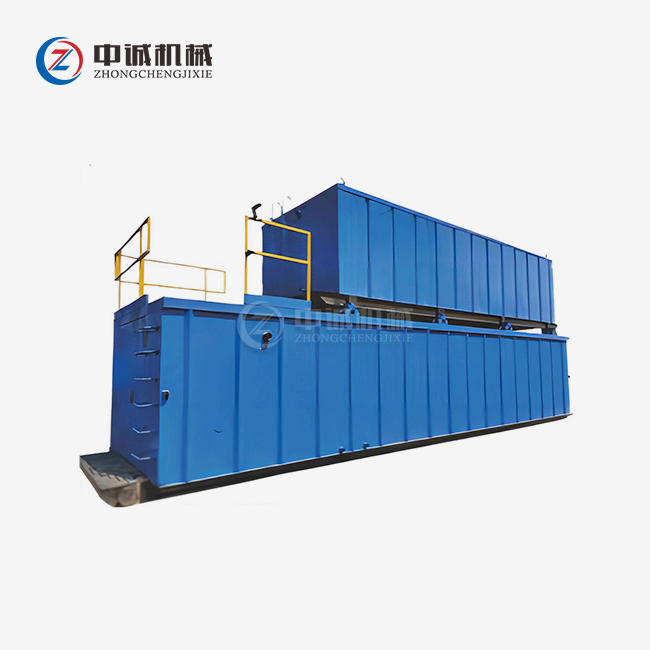
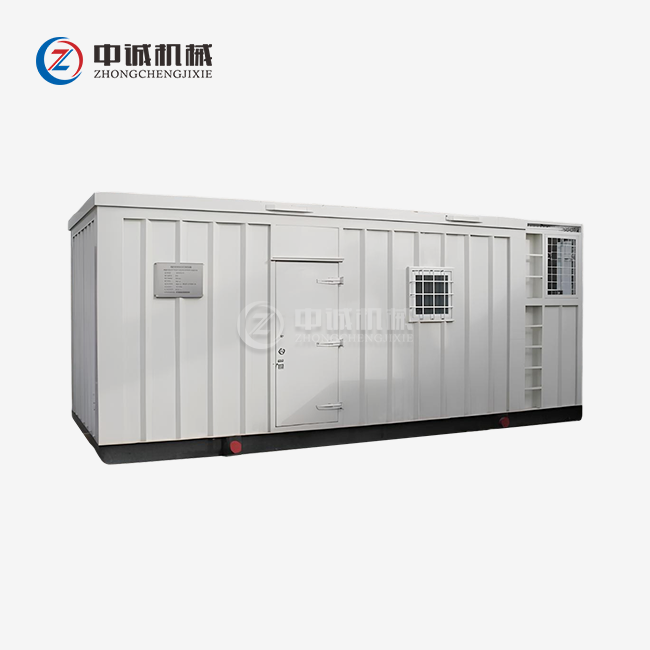
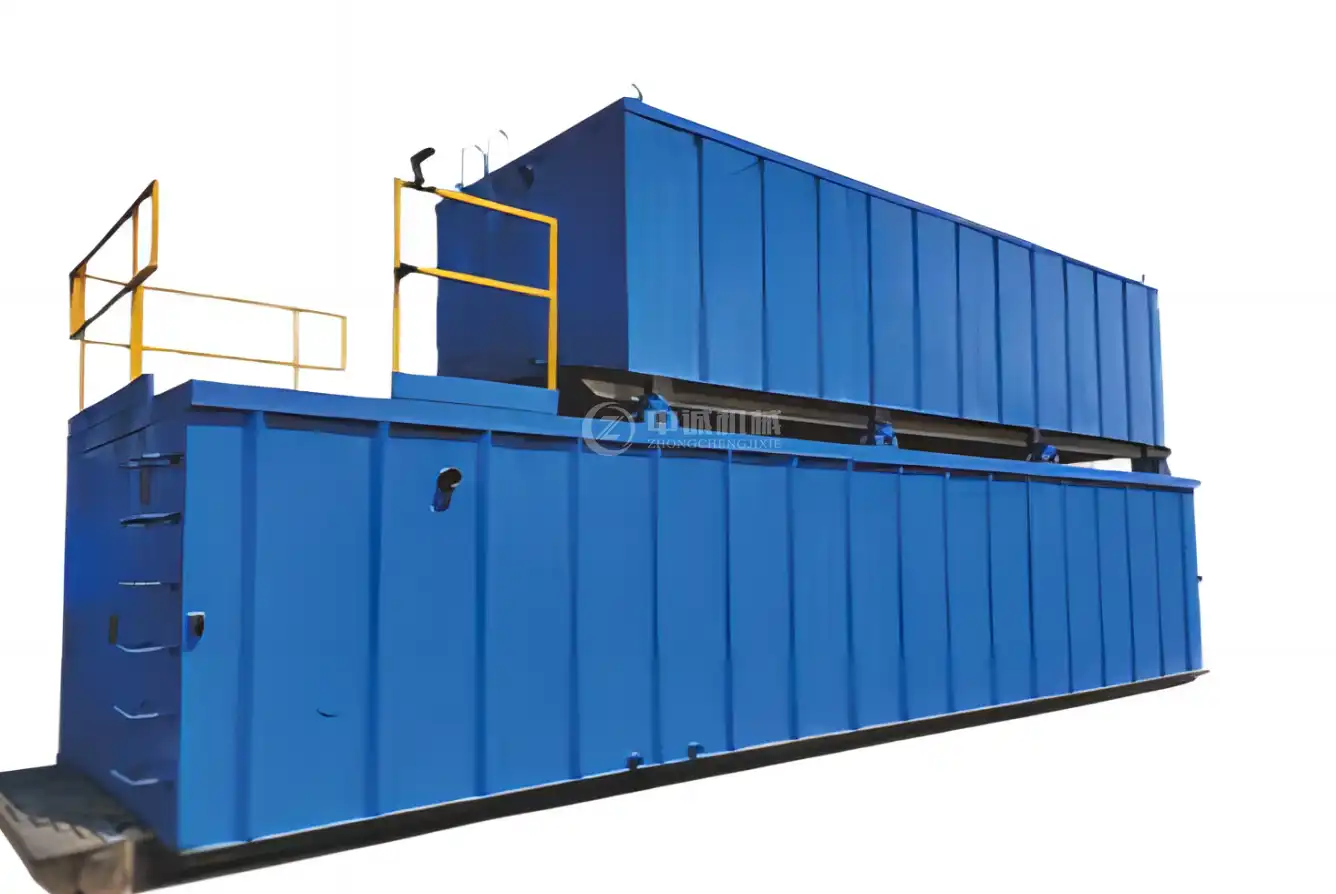
Start by figuring out how much water is used every day for all operating tasks, such as cleaning, preparing the drilling fluid, keeping tools cool, and preventing dust from building up. Depending on the type of rig, oil and gas industrial projects use anywhere from 50 to 200 cubic meters of water every day. When it comes to bigger projects, the ZC Industrial Water Tank from ZHONGCHENGJIXIE can be set up with multiple units connected in a line, giving you the freedom to choose the right size for your needs.
Site Constraints and Scalability
A lot of drilling sites have tight area limits, especially those that are far away or underwater. This is directly addressed by the ZC Industrial Water Tanks' small and moveable design—it can be moved as projects move through different stages. To choose a design that can grow without major infrastructure changes, procurement engineers should look at both the current size of the site and how big it will need to get in the future.
Budget Alignment and Total Ownership Cost
Bigger tanks cost more up front, but systems that are too small need to be refilled more often, stop working, and cost more in the long run. An article from the Oil & Gas Journal in 2022 said that drilling sites can lose up to $10,000 per hour in output when their water supplies go out without warning. One of the most important parts of buying is balancing initial investment against ongoing risk.
Comparing Capacity Options: Steel vs. Plastic Tanks and Other Key Variables
Not every water storage vessel works the same way in different industrial settings. The choice of material has a direct effect on the capacity, durability, and maintenance needs.
Heavy-duty industrial uses usually call for steel tanks, especially carbon steel ones with coatings that protect them. They're good at handling large amounts of data and working reliably when put under mechanical stress. The ZC Industrial Water Tank is made of high-quality materials that don't rust or corrode, so it works well in tough oilfield conditions with lots of dust, shaking, and chemical exposure.
Plastic or polyethylene tanks are good for low-stress, low-capacity uses, but they aren't usually good for large-scale industrial use above 10m³. Composite or GRP tanks are better at resisting corrosion, but they cost more per unit.
Here are the main things that make the ZC tank stand out in the field in terms of performance:
• Rational structure and stable water storage: The tank's engineering design ensures consistent capacity performance, keeping a steady water supply for solid control systems in the field and other related equipment without pressure changes.
• Tight sealing and environmental safety: The structure is hermetically sealed, so water doesn't leak out or get contaminated. This is especially important on places that have to go through environmental compliance checks.
• Thermal insulation option: An alternative anti-freezing insulation layer protects stored water in cold climate operations, keeping it from freezing and causing damage without the need for extra heating systems.
• Easy maintenance and system compatibility: The tank works directly with oilfield mud drainage systems, which cuts down on installation time and regular maintenance needs.
Because of these performance traits, the ZC tank is a good choice for procurement teams that want to balance long-term operational reliability with total lifecycle cost.
Ensuring Compliance and Safety While Choosing Tank Capacity
Following the rules is required by law and is the job of project risk management. Your team, the site, and your working license are all safe when you choose a tank that meets the standards.
International Standards and Safety Margins
The ZC Industrial Water Tanks Industrial Water Tank has been approved by HSE, TÜV, and BV, as well as ISO 9001, ISO 14001, and ISO 45001. These certifications show that the product meets strict standards for quality, safety at work, and the environment. When buyers define tank capacity, they should add a safety margin of at least 15–20% above the estimated peak demand to account for differences in measurements and practical spikes.
Maintenance Practices and Inspection Schedules
As a general rule, visual checks should be done once a year, and structure audits should be done every three to five years. This process goes faster and costs less when tanks are made to be easy to get to, like the ZC unit. If you don't check your oversized tanks on a regular basis, corrosion or seam fatigue could happen that you don't notice, putting people and the environment at risk.
Environmental Compliance and Spill Prevention
In the US, oilfield sites must follow EPA rules about secondary containment and spill prevention under 40 CFR Part 112. Tanks with hermetic sealing, like the ZC type, lower the chance of ground contamination and make it easier to fill out paperwork for environmental checks.
Purchasing and Procurement Strategies for Industrial Water Tanks by Capacity
Choosing the right amount is only one part of smart buying. How you find, check, and contract your tank supply has a direct effect on how long the project takes and how much it costs.
Choosing Between Custom and Stock Options
When drilling schedules are tight, stock tanks are a good way to get supplies quickly. Standard units are sent out by ZHONGCHENGJIXIE within 3 days. Customized production usually takes 15 days for projects that need specific sizes or capacities. This is a reasonable amount of time that doesn't interfere with most project planning processes.
Evaluating Suppliers and Manufacturer Credentials
In the oil and gas industry, procurement managers always put source dependability and approval openness at the top of their list of priorities. Instead of a trading middleman, a direct manufacturer with engineering skills cuts down on communication mistakes and speeds up the technical review process. ZHONGCHENGJIXIE has been in business for more than 30 years and has more than a dozen patents to its name. He can back up technical evaluations with full documentation like drawings, flow diagrams, and maintenance manuals.
Logistics and Installation Support
Installation coordination and export logistics are very important for large orders or orders with more than one unit. ZHONGCHENGJIXIE offers standard export packaging and works with trusted transportation partners that are linked to the ports of Tianjin and Shanghai. This ensures that products are delivered safely to project sites around the world.
Conclusion
To choose the right Industrial Water Tanks Industrial Water Tank size for a new industrial project, you need to be honest about operating needs, site conditions, government rules, and your budget. Most industrial and oilfield projects are between 20 and 100 m³, but the exact configuration should be based on actual usage data, the need for an emergency reserve, and the ability to grow in the future. A tank that passes approval requirements, can work in harsh conditions, and connects to other systems is much more valuable than one that is chosen based only on price. It is always better to do this research before buying something than after installing it.
FAQ
How long do industrial water tanks typically last?
With the right coatings and regular upkeep, steel tanks can last 25 to 40 years. Corrosion-resistant materials and a sealed structure in the ZC Industrial Water Tank make it last longer in harsh environments. Sticking to a regular checkup schedule—visual checks once a year and structural audits every three to five years—ensures that the tank works well for as long as it is used.
Can industrial water tanks be relocated after installation?
Yes. The ZC Industrial Water Tank is intended to be small and easy to move, which makes it perfect for drilling and building projects that have to move their sites around a lot. Its flexible design lets teams take it apart and move it to a different place without having to do a lot of work on the ground there.
What capacity range is suitable for oilfield operations?
Most oilfield drilling rigs, from the ZJ30 class to the ZJ90 class, only need 20 to 100 m³ of operational water storage. To handle higher processing needs, multiple units can run at the same time. ZHONGCHENGJIXIE allows for unique setups to meet the needs of each rig.
Does the ZC tank support cold-weather operations?
Yes. The ZC Industrial Water Tank has an extra layer of thermal protection that keeps the water from freezing in cold places. This means that it can be used on digging sites in the northern U.S. and at high elevations without the need for extra heating equipment.
Partner with ZHONGCHENGJIXIE for Your Next Industrial Water Tank Project
ZHONGCHENGJIXIE makes water holding tanks that are built to work in the real world, not just to meet catalog requirements. We are a direct manufacturer and supplier of Industrial Water Tanks. The ZC Industrial Water Tank comes in volumes that can be customized from 20 to 100 m³ and is certified by ISO, HSE, TÜV, and BV. Our engineering team gives you full technical paperwork, helps with installation, and a guarantee that lasts for one year. Items that are in stock will be sent out in 3 days. To get a quote right away, email your project details to oliver@zcgukong.com or go to zcsolidscontrol.com.
References
1. National Fire Protection Association. NFPA 22: Standard for Water Tanks for Private Fire Protection. NFPA, 2018.
2. American Water Works Association. AWWA D103-09: Factory-Coated Bolted Carbon Steel Tanks for Water Storage. AWWA, 2009.
3. Oil & Gas Journal. Drilling Downtime Cost Analysis and Operational Risk Management. PennWell Corporation, 2022.
4. International Organization for Standardization. ISO 9001:2015 Quality Management Systems — Requirements. ISO, 2015.
5. U.S. Environmental Protection Agency. SPCC Guidance for Regional Inspectors: 40 CFR Part 112. EPA, 2013.
6. British Standards Institution. EN 13280: Specification for Glass-Reinforced Plastics (GRP) Tanks for the Above-Ground Storage of Water. BSI, 2001.