It is important to know what Multi-unit Shale Shaker systems can do and how they can help with operations when looking at advanced solids control equipment for tough drilling environments. These combined systems, which have two, three, or even four separate vibrating units on a single master skid, give modern oil and gas operations the huge throughput capacity and operational support they need. Unlike single-deck configurations, Multi-unit Shale Shaker systems can handle very high flow rates while still maintaining important backup functions. This keeps expensive downtime during maintenance cycles to a minimum. These five key insights will help procurement managers and drilling engineers make better decisions about equipment and improve operational resilience across both onshore and offshore drilling projects. They will help them get the most out of their equipment in terms of uptime, fluid recovery, and cost-effectiveness.
What Is a Multi-unit Shale Shaker and How Does It Work?
Understanding the Core Architecture
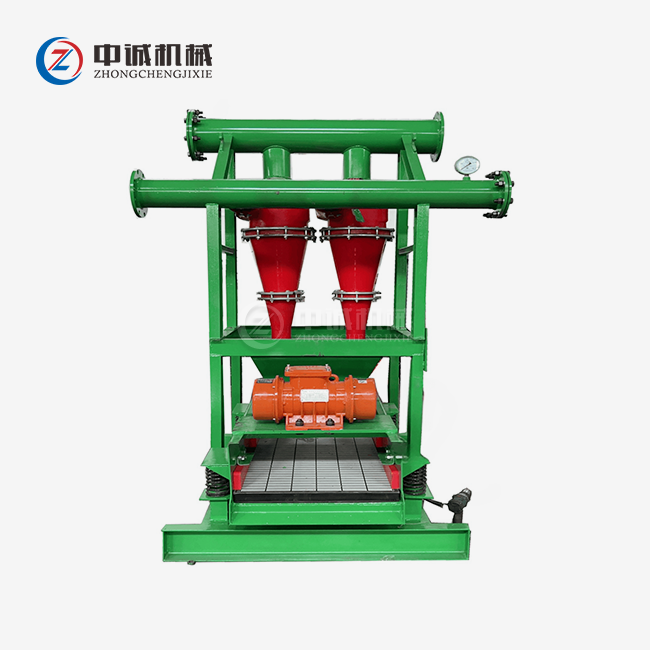
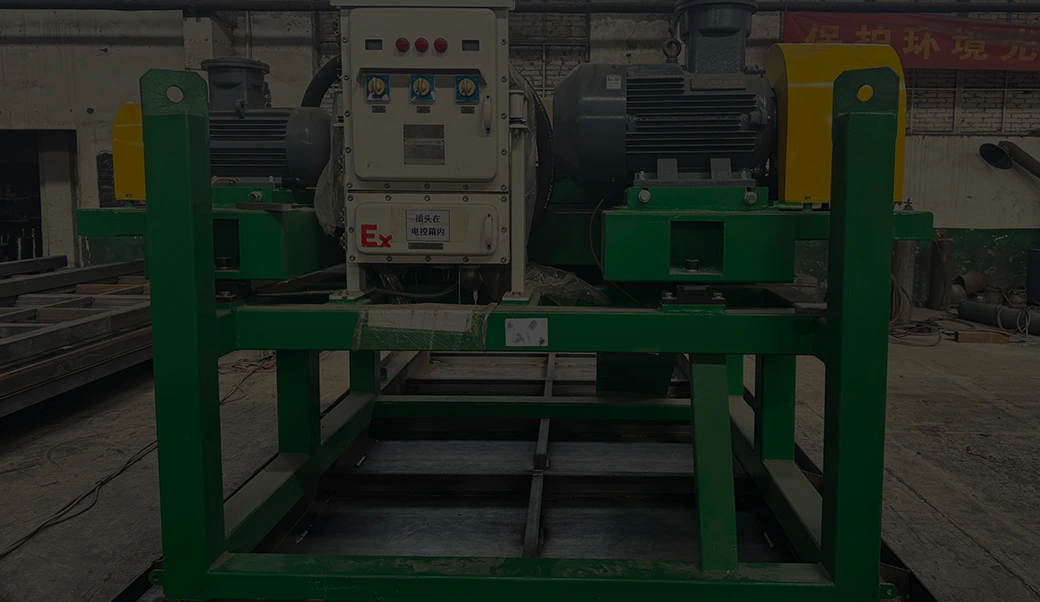
An integrated solids control solution called a Multi-unit Shale Shaker has several separate vibrating baskets that work at the same time on a single structural platform. This design gets around the limited space that offshore platforms usually have while still meeting the needs of fast-drilling programs for processing large amounts of fluid. The system has a central distribution manifold that makes the flow of entering water equal across all working units. This stops any areas from being overloaded, which could lead to mud loss or screen damage.
This method of modular parallel operation is shown by the ZC Multi-unit Shale Shaker from Shaanxi Xixian New Area Zhongcheng Machinery Manufacturing Co., Ltd. Each unit has vibration motors that create straight or elliptical motion paths with levels up to 8G. This makes it possible to move drill cuttings quickly while also letting the most liquid pass through API-standard screens. The synchronised action makes sure that the load is spread out evenly and that the separation is as good as it can be across the whole screening area.
Operating Principles and Separation Mechanics
High-frequency vibration screening is at the heart of how it works. When drilling fluid with cuttings comes into the distribution box, the flow is evenly split between the active shaking units by the pipeline system. Each basket has a vibration motor that makes controlled oscillations that move the solids toward the discharge end. Meanwhile, liquid flows through the screen mesh and back into the mud circulation system. The tiered deck design makes this process better: the coarser screens at the top remove larger cuttings, and the finer screens at the bottom clean very precisely, which means that the fine-mesh elements wear out much less quickly.
This multi-stage separation method keeps the properties of the drilling fluid better than single-unit methods. By spreading out the processing work, each unit works at its best, which keeps the screen from going blank and the fluid's conductivity constant. This leads to better drilling mud, less need for additives, and faster entry rates, which directly reduces running costs and speeds up project timelines.
Key Performance Indicators
Critical specs describe what a machine can do. The level of vibration is usually between 7.0G and 8.5G, which gives the solids the speed they need to move without damaging the screen. When speed is very important, linear motion paths work best. Elliptical patterns, on the other hand, help objects dry out and make screens last longer. If the protection class is IP55 or higher, it means that the device will work reliably in tough industrial conditions like high temperatures, high humidity, and dust. High-strength manganese steel is used for the baskets, and stainless steel 304 or 316 is used for areas that come into contact with fluids. This prevents corrosion from the harsh drilling additives that are often used in offshore synthetic-based mud systems.
Comparing Multi-unit Shale Shakers: Features, Efficiency, and Costs
Evaluating Configuration Options and Performance Differences
Depending on the expected flow rates and operating needs, you can choose between two, three, or four shaker setups. Most dual-unit systems can handle flow rates of up to 2,000 gallons per minute, which is enough for mid-sized land rigs and workovers. Triple setups increase the capacity to 3,000 GPM, which works for fast-drilling projects in shale formations where high penetration rates create large amounts of cuttings. Quad systems are used on offshore platforms and large-diameter horizontal directional drilling projects that need to run nonstop and have circulation rates higher than 3,500 GPM.
Patterns of energy use are very different between configurations. When compared to single-unit designs that are too big, Multi-unit Shale Shaker designs that spread out the motor load often use less energy per barrel handled. The modular method lets workers turn on only the units that are needed for the current drilling conditions. This cuts down on power use that isn't needed during shallow drilling phases or circulation breaks. This operational flexibility has a direct effect on the total cost of ownership, especially during long drilling campaigns where fuel costs are a big part of the operational costs.
Market Landscape and Procurement Considerations
In 2024, the market for solids control equipment will have both well-known manufacturers and specialised original equipment manufacturers (OEMs). Big service companies often ask for their own systems, but smaller operators are becoming more and more interested in direct-manufacturer relationships that let them make changes and offer competitive prices. Motor bearings, structural welds, and sound separation systems are usually covered by warranties that last for 12 months after the product is put into service. Top-tier providers are different from transactional sellers because they have full support networks with things like remote diagnostics, spare parts stockpiles, and field service techs.
Timelines for procurement have a big effect on planning a project. Standard configurations with parts that are in stock can be shipped within three days, which is very important for replacing parts quickly or in an emergency. Customised systems with special screen frames, explosion-proof motors that meet ATEX standards, or custom skid measurements usually need 15 days to be made. Knowing these wait times and working with logistics providers will make sure that equipment comes on time to match rig mobilisation plans. This will help you avoid demobilisation fines or standby costs that hurt the project's profitability.
Cost Structures and Financial Considerations
Price changes depend on how complicated the configuration is, what certifications are needed, and how much customisation is required. Dual-unit systems designed for beginners are typically more cost-effective, while fully approved quad versions with premium options require a higher investment. However, judging tools only by how much they cost to buy ignores the total costs of owning them. Systems with quick screen switching features cut down on the time needed to change screens. Wear parts that can be easily swapped out between units make inventory management easier and lower the cost of having extra parts. With operational support built into multi-unit designs, unplanned downtime doesn't mean lost income. In fact, initial cost premiums are often recovered within the first year of operation through better drilling efficiency and less time spent not working.
Maintenance and Troubleshooting: Maximizing Uptime and Longevity
Implementing Preventive Maintenance Protocols
Structured maintenance routines that focus on critical wear components are needed to keep performance at its best. Screen inspection times depend on how rough the formation is and how the drilling fluid is, but visual checks every 12 hours can find tears or mesh degradation before they become too big to fix. Quality Multi-unit Shale Shaker designs have quick-release screen tensioning systems that allow replacement in less than 10 minutes per unit. This means that movement isn't interrupted as much when screens are changed.
Vibration motor maintenance includes lubrication schedules set by the manufacturer, which are usually every 500 hours of operation. Monitoring the temperature of the bearings finds problems before they become motor failures, which keeps the machine from stopping unexpectedly during important drilling stages. The separate control architecture lets one unit be turned off for motor maintenance while the other units keep some solids control functionality. This is very helpful during continuous drilling operations, where stopping the whole system would require expensive breaks in circulation.
Diagnosing Common Operational Issues
A lot of the time, strange shaking patterns mean that the motors aren't working together right or that the screen isn't loaded evenly. Modern multi-unit systems have vibration isolator mounts that are more than 95% effective at stopping harmonic reverberation between baskets that are next to each other. When strange vibrations show up, the first step in a systematic diagnosis is to check the motor phases to make sure all the motors are rotating in the right directions and reaching their rated RPM. Inequal flow distribution between units could mean that the connection is blocked or that a valve isn't working properly. The internals of the distribution box and each unit's inlet valves need to be inspected.
Strategic Spare Parts Management
If there are problems with screening, like too many fines going to downstream equipment or a lot of solids in the mud that comes back, it's usually because the mesh was broken or the wrong screen was chosen. The API numbering system makes screen specs more consistent, but it takes experience to match mesh size to formation properties and drilling fluid viscosity. Suppliers who offer full technical support help operators choose the best screens for each job, so they don't have to try different things and waste screens and fluids in the process.
Businesses that do well keep important spare parts on hand, such as extra screens in commonly used mesh sizes, extra vibration motors, and wear parts like screen gaskets and mounting hardware. Professional multi-unit systems have a standard design that makes sure the screen sizes are the same across all baskets. This makes inventory management easier than with mixed-manufacturer setups that need different screen sizes. It is important to build ties with suppliers that ensure fast delivery of parts, especially to remote foreign places. Shaanxi Xixian New Area Zhongcheng Machinery Manufacturing Co., Ltd. keeps up-to-date spare parts plans and gives maintenance teams full component diagrams and manuals. This makes it easy for maintenance teams to find the parts they need and confidently place orders.
Selecting the Right Multi-unit Shaker Configuration for Your Project
Assessing Project-Specific Requirements
Before choosing a configuration, it's important to make accurate flow rate predictions based on the mud pump's capabilities and the flow rates that are expected. When equipment is too big, it loses money and energy, and when it's too small, it causes processing problems that slow down penetration rates. Drilling engineers should figure out the highest flow rates that can be expected during peak drilling periods. They should then add a 20% capacity margin to account for flow surges during connections or sudden changes in the formation. This method makes sure that the equipment can handle operating peaks without losing its performance.
Limits on footprint have a big effect on configuration choices, especially on offshore sites where deck room is very valuable. Multi-unit Shale Shaker systems combine processing power into small spaces, often taking up less space than single-unit setups with the same amount of capacity that are spread out. The integrated skid design makes installation easier because it needs fewer holes to be made in the structure and makes it easier to connect the pipes. This way of designing cuts down on installation work and speeds up the mobilisation of rigs, which are both very useful in markets where day rates are higher than $50,000, and delays are punished by contract fines.
Evaluating Customization Options
OEM makers with a lot of experience can make a lot of changes to meet specific business needs. You can choose from standard industrial motors or explosion-proof motors that meet ATEX or IECEx standards for installations in dangerous areas. Power choices can be set up for 380V, 440V, or 480V three-phase supplies to work with the electrical grid of the spot. Adjusting the deck angle is possible with hydraulic systems for larger units and manual systems for smaller ones. This lets the machine work best with the different types of mud and cuttings that are encountered during drilling intervals.
The ZC Multi-unit Shale Shaker has the customisation options that have been shown to work in a variety of settings. As part of managing high-temperature geothermal drilling, better cooling systems and seals that don't break when heated up can make parts last longer. Offshore sites need marine-grade rust protection with epoxy coating systems that meet C5-M durability standards. This keeps the structure strong in salty environments. Customised solutions work better than one-size-fits-all tools at solving specific operational problems. They explain small price increases by lasting longer and needing less upkeep.
Validating Supplier Capabilities
When choosing a supplier, it's not just about the equipment specs; it's also about the engineering support and service capabilities. Full project documentation from manufacturers, such as engineering drawings, flow diagrams, and electrical schematics, makes it easier to integrate into existing mud systems and meets regulatory documentation needs. Comprehensive training programs for operators cut down on the time needed to set up equipment and cut down on mistakes that hurt it or make separation less effective. Field service support, like remote technical help or commissioning on-site, makes sure that systems meet the performance requirements set by the designers from the very first start-up.
Certification portfolios show how committed a manufacturer is to safety and quality standards. Getting ISO 9001 quality management approval shows that you have a method for controlling production and keeping track of it. ISO 14001 certifications for environmental management and ISO 45001 certifications for health and safety at work show that a company's duty is in line with today's ESG standards. Third-party validations from TÜV and Bureau Veritas provide independent confirmation that the design meets international standards. This is important proof for multinational operators that need the same equipment specifications all over the world.
Future Trends and Innovations in Shale Shaker Technology
Emerging Automation and Monitoring Technologies
Smart sensor integration for real-time performance tracking is becoming more common in the solids control field. Advanced Multi-unit Shale Shaker systems have accelerometers on each box that measure shaking factors all the time. This finds mechanical problems before they become functionally useless. Flow meters on the inlets of each unit make sure that the flow is evenly distributed and let operators know when a manifold is blocked and needs to be fixed. This proactive approach to predictive maintenance moves operations from reactive repair strategies to proactive interventions that avoid unexpected downtime. This is especially helpful on remote offshore sites where accessing equipment requires a helicopter and weather windows.
Digital connectivity lets operations centers keep an eye on the performance of tools at various drilling sites at the same time through remote tracking. Cloud-based platforms collect operational data and look for performance trends. They also find the best times to do maintenance. When parameters go outside of normal ranges, these systems send out automatic alerts. This lets technicians respond quickly, no matter where the site is located. As drilling operations focus more on making decisions based on data, equipment with these connectivity features gives operators more information and less time spent on non-productive tasks, giving them a competitive edge.
Sustainability and Environmental Compliance
Environmental laws are having a bigger effect on how equipment is designed. Better sealing systems cut down on fugitive emissions during mud processing, which helps areas with lots of people or sensitive ecosystems that are worried about air quality. Better screen efficiency cuts down on the amount of drilling waste that needs to be thrown away, which is better for the environment and saves money on waste management costs. Some owners specify noise reduction features that keep sound pressure levels below 85 decibels to protect workers' ears and follow strict rules about noise on offshore platforms.
Supply Chain Digitalization
Improvements in energy economy are in line with companies' promises to cut carbon emissions, which are becoming more important in the oil industry. Variable frequency drives on vibration motors make the best use of power based on how much work is going on, rather than always running at full capacity. Even though these gains in efficiency are small per unit, they add up to a lot when you look at fleets of multiple rigs and long drilling campaigns. When operators look at supply chains against environmental performance metrics that are being looked at more closely by investors and regulatory agencies, equipment suppliers that show measurable improvements in sustainability will be in a good position.
Digital procurement platforms streamline the process of buying equipment, making transactions smoother and decision-making faster. Online configurators let buyers choose system settings, get preliminary quotes, and access technical data, all without having to send a lot of emails. Integration with corporate resource planning tools makes it easy to create purchase orders and keep track of their delivery. These digital tools are especially helpful for international procurement teams that have to deal with different time zones and languages. They cut down on communication problems that used to make procurement times take longer.
Strategic transport agreements make it more likely that tools serving global markets will arrive on time. Manufacturing sites close to major commercial ports, like Shaanxi Xixian New Area Zhongcheng Machinery, make it easier to ship goods and cut down on the time it takes to move goods within China. Having connections with foreign goods forwarders who know how to handle oilfield equipment ensures that the right packaging is used for transport and that all regulations are followed in the target countries. This unified supply chain method gets equipment to its destination on time, even if it's not easy to get to. This helps operators meet their project deadlines and contractual obligations.
Conclusion
Multi-unit Shale Shaker systems are long-term investments that pay off in the form of operational redundancy, increased processing power, and a variety of configuration options. Procurement experts can make smart choices that meet the needs of the project and the organization's goals when they know about the basic operating principles, differences in performance, upkeep needs, selection criteria, and new technology trends. As drilling activities keep pushing the limits of technology by going deeper, faster, and into harsher conditions, solids control equipment needs to change, too. Working with skilled makers who offer tried-and-true designs, full support, and constant innovation sets businesses up for long-term success in tough energy markets.
FAQ
What is the expected service life of a multi-unit shale shaker in typical drilling conditions?
If you follow the care instructions for industrial-grade Multi-unit Shale Shaker crushers, they should last between 8 and 12 years in normal drilling situations. Lifespan changes depending on how often it is used, how well it is maintained, and the weather. Units that work in highly abrasive rocks or corrosive marine settings may need to change parts more often, but the structure stays strong for longer. Regular inspections and timely replacement of worn parts like screens and motor bearings make the whole system last a lot longer.
How do multi-unit systems compare to single-unit shakers for drilling fluid management?
When compared to single-unit options, multi-unit configurations offer more operational flexibility and dependability. The spread processing capacity lets workers turn on only the units they need based on the current circulation rates. This makes the best use of energy. Operational redundancy lets you do repairs on individual units without shutting down the whole system. This keeps the flow going during important digging stages. The centralised control and smaller footprint make the pipes less complicated and make operation easier. The parallel architecture improves separation efficiency by spreading the load evenly across multiple screening surfaces.
Are financing options or rental agreements available for multi-unit shale shaker systems?
A lot of companies that sell or lease equipment offer a range of flexible buying options to fit different budgets and project schedules. Operating leases let you use equipment without having to buy it outright. This is helpful for short-term projects or for owners who want to save money for digging operations. Rent-to-own programs let you try out the car in real-world situations before you decide to buy it. Direct financing from the manufacturer can sometimes offer better terms for long-term customers or large equipment packages. Early on in the review process, procurement teams should talk to sellers about the different financial structures that are offered in order to find the best arrangements for the company.
Partner with Zhongcheng Machinery for Reliable Multi-unit Shale Shaker Solutions
When drilling, you need equipment that has been tested to work well in the worst conditions and comes with quick technical support and full service. Every Multi-unit Shale Shaker system that Shaanxi Xixian New Area Zhongcheng Machinery Manufacturing Co., Ltd. makes is backed by 30 years of experience in solids control. Our TÜV and Bureau Veritas-verified ISO 9001, ISO 14001, and ISO 45001 standards show that we are dedicated to quality, safety at work, and being good to the environment. We offer reasonable prices without adding markups for middlemen, flexible customisation to meet specific operating needs, and quick delivery through strategic port access as a manufacturer.
Our engineering team is ready to help you choose the right system, give you thorough quotes, and give you all the technical information you need for a smooth installation and start-up. Whether we're setting up equipment for harsh offshore conditions or making systems work better for large-scale horizontal drilling projects, we offer custom solutions backed by the availability of genuine OEM parts and reliability that has been proven in the field. Contact oliver@zcgukong.com right away to talk about your specific solids control needs and find out how our Multi-unit Shale Shaker systems can help you drill more efficiently while cutting down on running costs across all of your drilling projects.
References
1. American Petroleum Institute (2019). Recommended Practice for Drilling Fluid Processing Systems Evaluation, API RP 13C, Eighth Edition, Washington, DC.
2. Mitchell, R.F. and Miska, S.Z. (2021). Fundamentals of Drilling Engineering, Society of Petroleum Engineers Textbook Series, Richardson, Texas.
3. Bourgoyne, A.T., Millheim, K.K., Chenevert, M.E., and Young, F.S. (2020). Applied Drilling Engineering, SPE Textbook Series Volume 2, Third Edition, Society of Petroleum Engineers.
4. Drilling Engineering Association (2022). Solids Control Equipment Selection and Performance Evaluation Guidelines, Technical Bulletin DEA-SC-2022, Houston, Texas.
5. International Association of Drilling Contractors (2023). Health, Safety, and Environment Guidelines for Drilling Operations, IADC HSE Reference Guide Volume 3, Houston, Texas.
6. Lloyd, G.M. and Reddy, B.S. (2020). Modern Petroleum Technology: Upstream, Sixth Edition, Institute of Petroleum Engineering, Heriot-Watt University, Edinburgh.