When selecting solids control equipment, many customers ask: what is the difference between a desander and a desilter?
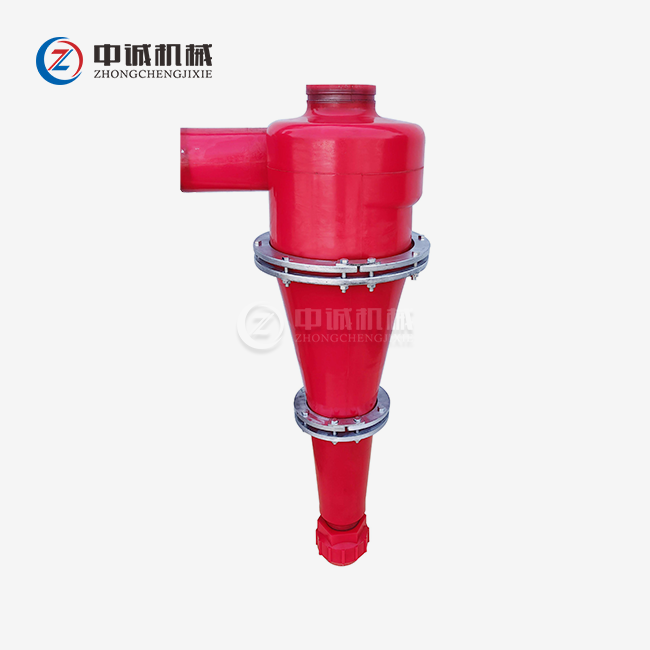
Although both are hydrocyclone-based separation devices, they serve different purposes in the drilling process.
A desander is typically the second stage of solids control equipment. It removes relatively larger particles, usually in the range of 44 to 74 microns. It helps reduce the load on downstream equipment and protects the system.
A desilter, on the other hand, is the third stage. It removes finer particles, generally between 15 and 44 microns, which cannot be separated by the desander.
Key differences include:
- Cyclone size: Desanders use larger cones (8”–12”), while desilters use smaller cones (4”–5”)
- Separation precision: Desilters provide finer separation
- Position in system: Desander comes before desilter
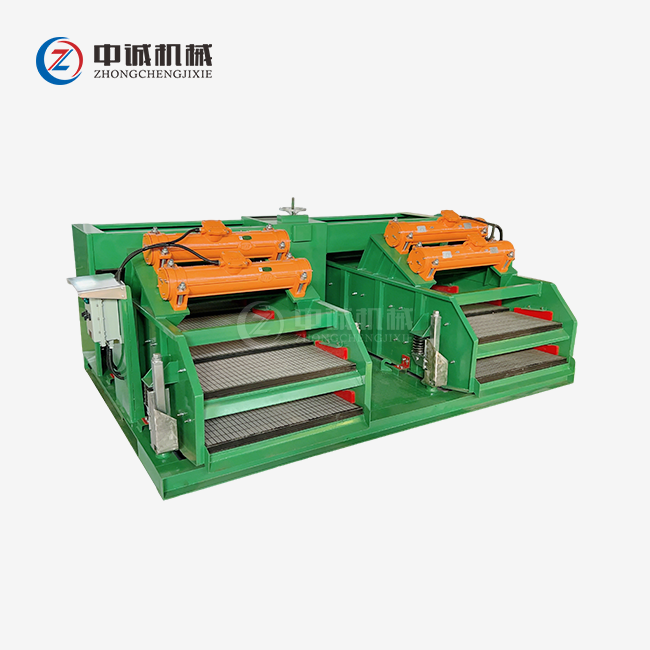
In many modern systems, both units are combined into a single machine called a mud cleaner, which integrates desander, desilter, and a bottom shaker.
Choosing the right equipment depends on your drilling conditions, mud properties, and required processing capacity.
Working with an experienced manufacturer can help you design the most efficient configuration.