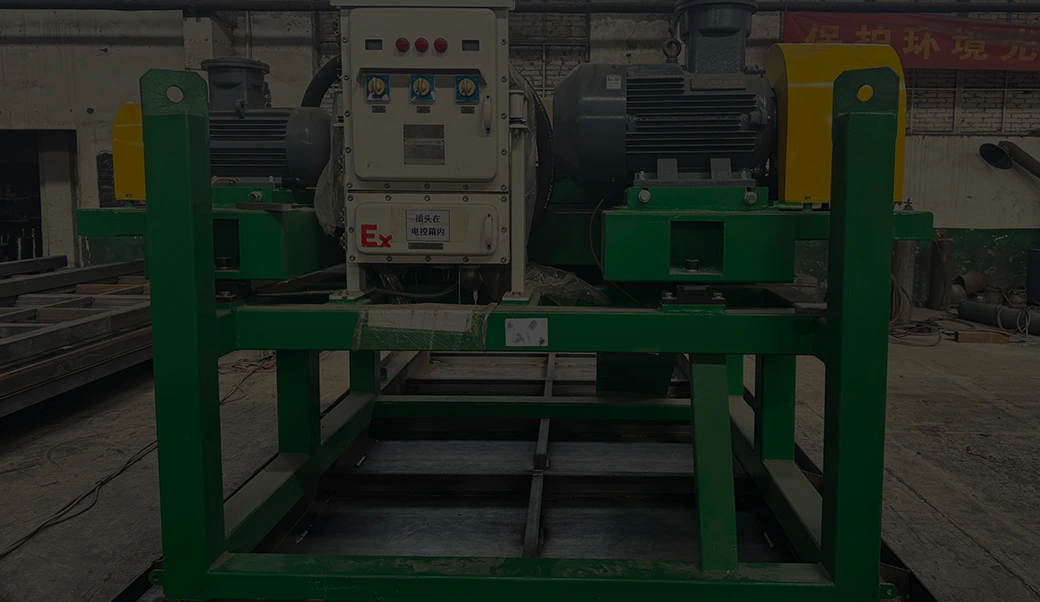
The drilling fluid that comes back to the surface after going through thousands of feet of rock contains more than just cuts. It also contains sand particles that can damage expensive equipment if they are not cleared quickly. A Desander is the second most important part of Solids Control Systems. It uses hydrocyclone technology to sort drilling mud from rough bits between 44 and 74 microns. This equipment keeps downstream pumps safe, keeps the mud's properties at their best, and stops expensive downtime that can destroy project budgets and schedules in geothermal research, horizontal directional drilling, and oil and gas drilling.
Understanding Desanders: Definition and Core Functions
What Makes a Desander Essential in Drilling Operations
Placed ideally after the shale shaker in mud drainage systems, the Desander works as a specialised solids control device. Primary screening equipment deals with big pieces of material. This unit, on the other hand, goes after medium-sized sand particles that get past the first steps of the filter. The tech uses centrifugal force that is created inside cone-shaped hydrocyclones that are usually 8 to 12 inches in diameter. When drilling fluid under pressure comes in from the side of the cyclone, it makes a vortex that pushes denser sand particles outward toward the cone walls. At the same time, lighter, cleaner fluid flows upward through the overflow exit.
Primary Functions That Address Critical Industry Challenges
There are three problems that drilling companies keep having that affect how well they do their jobs and how long their tools last. Abrasive solids make high-pressure mud pumps wear out faster, and if they are not managed, they can shorten the life of parts by up to 60%. When sand builds up in drilling fluid, it makes the mud heavier than usual. This can cause missed circulation events, which can cost up to $50,000 to fix each time. The Desander fixes these problems by keeping the quality of the drilling fluid within acceptable API limits and getting rid of particles that would hurt drill bit nozzles and slow down the penetration rate otherwise. Environmental compliance is another important task, as removing sand effectively allows better fluid recycling and lowers the amount of waste that needs to be thrown away, which is becoming a bigger problem as rules get stricter in most drilling areas.
Construction and Types of Desander Equipment
Core Components and Material Engineering
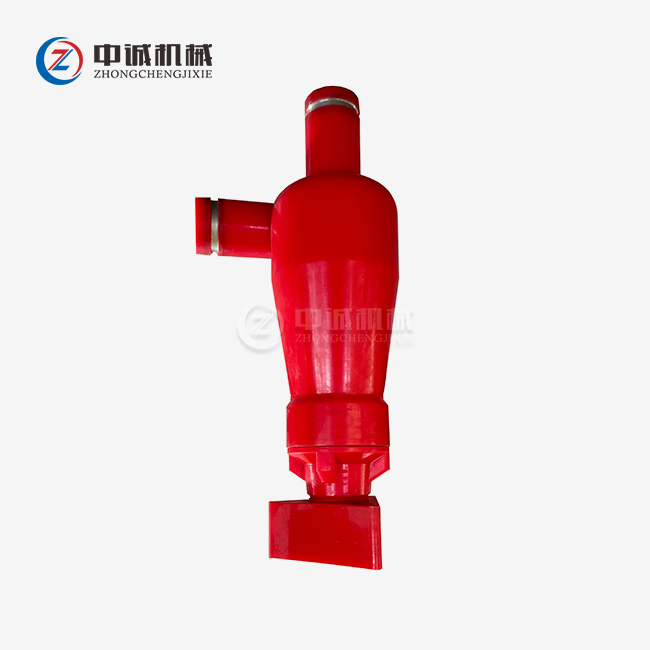
When it comes to building, the ZC series Desander shows how careful engineering can be. The hydrocyclone cones are the most important part of the system. They are made of high-wear-resistant polyurethane, which can handle the constant wear and tear that comes with separating sand. This choice of material is more durable than standard metal alloys, so it will last longer while still separating things effectively. With the clamp connection method, installation and removal can be done quickly, which cuts down on repair windows that could otherwise get in the way of drilling plans. A centrifugal feed pump provides the 30 to 45 PSI pressure needed for the cyclone to work at its best, and underflow and overflow valves direct the divided materials in the right direction.
There are three important parts to every cone: the feed chamber, where drilling fluid comes in under controlled pressure; the conical separation section, where centrifugal forces sort particles by size and density; and the apex discharge point, where the concentrated sand leaves the system. The overflow sends the treated fluid back to the active mud system, making the loop complete. During production, extra care is taken to make sure that the material is thick enough in areas that will be worn down quickly. For example, there are reinforced parts at the apex and vortex finder points where speed-related erosion is most common.
Equipment Configurations for Different Applications
Desander systems come in a number of different designs that are made to fit the needs of different operations. Standalone units can be attached to mud tank dividers that are already there. This gives drilling companies who already have the right feed pumps and downstream equipment more options. Integrated Desander cleaners have hydrocyclones and bottom-mounted shale shakers that work together to process both the overflow and underflow streams at the same time. This unified method lowers fluid loss compared to traditional setups, collecting drilling mud that would normally be flushed out with solids.
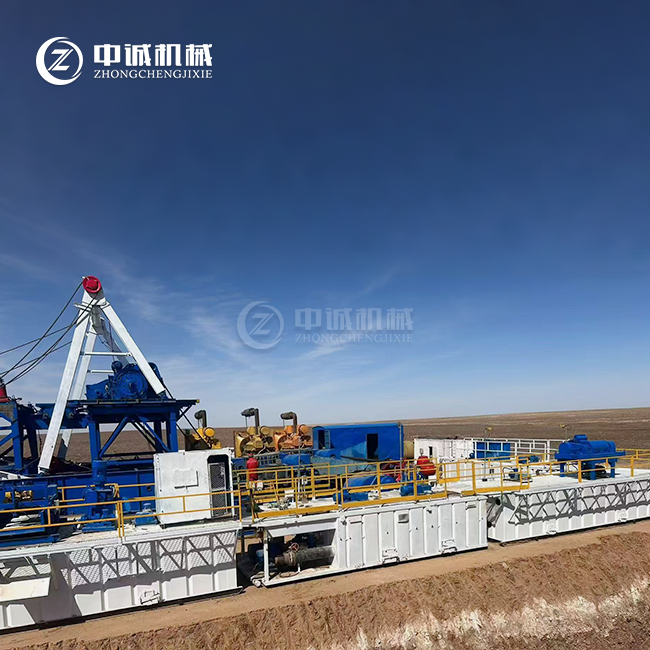
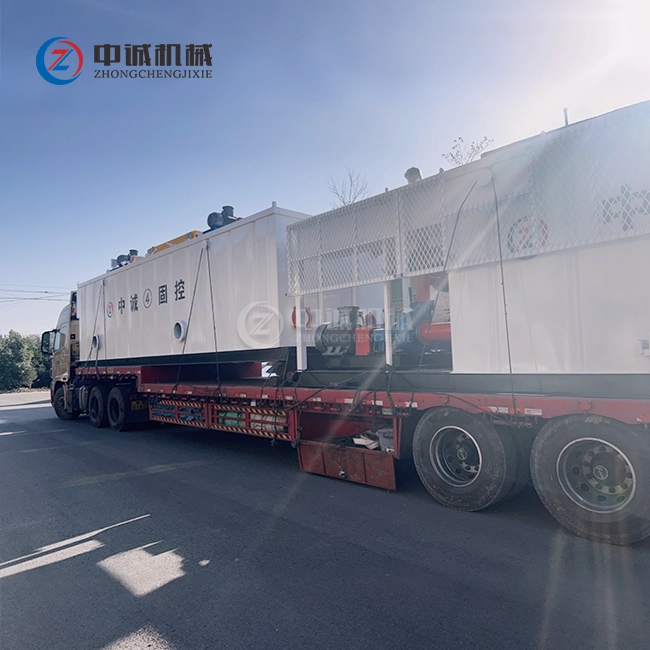
Mobile skid-mounted systems are useful for drilling operations that move around a lot because they combine pumps, cyclones, control panels, and support structures into one easy-to-transport unit. The ZC series has different capacities, from 60 to 240 cubic meters per hour, so it can work with rigs of all sizes, from the smaller ZJ30 units to the larger, more powerful ZJ90 ones. This scalability makes sure that buying managers can perfectly match the specs of the equipment to the needs of the project, without spending too much on capacity that isn't needed or not getting enough work done.
Distinguishing Desanders from Related Equipment
The solids control industry uses a lot of technical terms that can be hard for people who are new to managing drilling fluids. Desilters use 4-inch hydrocyclones that are smaller than Desanders' and target particles between 15 and 45 microns. Mud cleaners have both Desander and Desilter cones mounted on top of the same shaker deck. This allows for two stages of cyclone separation to be achieved in a single, small machine. Although technical specs should always be checked before assuming nomenclature similarity, sand separators are sometimes referred to as Desanders in some regional markets. Knowing these differences helps drilling engineers choose the right order of equipment for the formation and mud system they are working with.
Choosing the Right Desander for Your Drilling Needs (Procurement Insights)
Critical Evaluation Criteria That Impact Performance
When looking at Desander options, separation efficiency is the most important thing to think about. Quality units should always be able to get rid of at least 85% of the sand particles above their designated cut point. They should be able to keep doing this even when the mud density and solids loading conditions change. Processing capacity needs to match the rig's circulation rate. Equipment that is too small causes bottlenecks that hurt the performance of the whole mud system, and equipment that is too big costs money and working space. The 44–74 micron separation standard for the ZC model works well for the medium-sized particles that cause problems in most drilling uses.
Pay close attention to how well it works with the chemistry of drilling fluids. Oil-based muds need polyurethane mixtures that don't swell when hydrocarbons are added, while synthetic fluids may need special materials that don't break down. The installation footprint is important, especially on offshore sites where deck room is very valuable. Moving equipment from one pad drilling location to another on land is very important, so skid-mounted designs with built-in lifting points and transport-rated structural design are preferred.
Sourcing Strategies and Manufacturer Selection
There are well-known makers in North America, Europe, and Asia that make Desanders. Chinese original equipment manufacturers (OEMs) are getting a lot of market share by offering lower prices and higher quality standards. Direct manufacturers have some benefits over multi-tier distribution channels, such as the ability to customise products, faster technical support, and usually better prices. This direct manufacturer model is shown by Shaanxi Xixian New Area Zhongcheng Machinery Manufacturing Co., Ltd., which has more than a dozen patents of its own and is certified by ISO 9001, ISO 14001, ISO 45001, and TÜV and BV to prove its quality management systems.
Managers in charge of buying things should check that the certificates are valid in the places where they do business. For example, in Europe, they should check that the certificates are valid for ATEX ratings for explosive atmospheres, IEC compliance for international electricity standards, and HSE paperwork, which big operators are asking for more and more. Service support infrastructure is very important because equipment needs to be maintained. Manufacturers that offer thorough technical documentation, training programs, and quick access to spare parts can help keep downtime costs to a minimum, which can be much higher than the initial purchase price. Customising motor sizes, shapes, and configurations lets them work best with current systems, so you don't have to make expensive changes or sacrifice performance.
Investment Considerations and Total Cost Analysis
The price of a Desander depends on its capacity, setup, and the quality of its parts. On average, a basic stand-alone unit costs $15,000, while a fully integrated high-capacity system costs $80,000. Rental of equipment is useful for short-term projects or for operators to see how well it works before deciding to buy it, but the economics of rental rarely favour deployments longer than six months. When you figure out the total cost of ownership, you should include the money you save on drilling fluid because of better recycling, lower pump repair costs, and the time you don't have to spend working because of problems with drilling fluid. A Desander that works properly during a drilling operation can cut the need for fresh mud by 20 to 30 percent, which can save a lot of money over the course of a multi-well program.
Maintenance Best Practices to Maximize Desander Performance
Routine Inspection and Preventive Service
Visual checks should be done every day to see how each Desander hydrocyclone is discharging. A "spray" or "fan" pattern shows that the machine is working correctly, while a "rope" or "sausage" pattern shows that the apex is wearing out and needs immediate attention. Regular checks of the feed pump's shaking levels, bearing temperatures, and seal quality are needed to find problems early on and stop them from becoming catastrophic. On a weekly basis, the apex opening should be measured, the clamp connections should be checked to make sure they are tight, and the accuracy of the pressure gauge should be confirmed. As part of the monthly maintenance plan, the insides of the cones are carefully checked for excessive wear grooves, the pipe is checked for erosion when the direction of flow changes, and all moving parts are oiled according to the manufacturer's instructions.
The ZC series design makes servicing easier by placing parts in places that are easy to reach and using tool-free clamp connections to cut down on service time. Drilling companies should keep important spare parts like replacement cones, apex assemblies, feed pump seals, and pressure sensors on hand so that repairs can be made quickly without having to wait for fast shipping. Recording maintenance tasks, performance indicators, and part replacements creates useful information for figuring out the best service intervals and finding patterns that could point to systemic problems that need engineering attention.
Troubleshooting Common Operational Issues
Deterioration in performance usually shows up as three clear signs. The separation efficiency is going down because the amount of sand in the overflow discharge is higher than what is allowed by API. This is usually because the apex openings are worn out or there isn't enough feed pressure. When fibrous materials or poorly sized cuts stop cones and go around upstream shakers, capacity goes down. If there is too much fluid loss through underflow or outflow, it means that the tip is too big or the feed pressure is wrong.
Addressing these issues requires systematic diagnosis rather than assumption-based intervention. Pressure readings at the cyclone's entrances show that the feed pump is working properly. During operation, a visual check shows if all cones get the same amount of flow or if some units are under- or over-loaded. Testing the qualities of the mud helps tell the difference between broken equipment and changes in the chemistry of the fluid that could affect how it separates. When problems with the Desander are linked to certain rocks being dug, changing the sizes of the upstream shaker screens or the way they are diluted may work better than changing the equipment itself.
Long-Term Performance Optimization
As drilling plans change, planned changes to equipment make it last longer and work better. In very rough situations, using modern composite materials instead of normal polyurethane cones can double their wear life. When you add automatic tracking systems, you get real-time performance data that lets you plan maintenance ahead of time and proves that you're following the rules. Investing in operator training is one of the best ways to improve the performance of a Desander. Most operating problems can be avoided before they affect drilling operations by having staff who understand separation principles, can spot performance indicators, and follow the right maintenance processes. Manufacturers like Zhongcheng Machinery offer comprehensive installation guidance, commissioning support, and training programs that provide measurable value that lasts a long time after the equipment is delivered.
Case Studies and Practical Applications of Desanders in Oilfield Drilling
Shale Drilling Operation: Efficiency Gains Through Proper Solids Control
During a multi-well shale gas project in the Marcellus formation, the mud pump liner broke down an average of every 180 hours, costing over $120,000 a year to replace and causing lost work time. An investigation showed that the amount of sand in the active system was always between 8 and 12 percent by volume, which is much higher than the 4 percent maximum level recommended to protect the pump. When the right-sized Desander system was put in place, the amount of sand dropped to 2 to 3 percent. The life of the pump parts was increased to 450 hours, and the rate of entry went up by 15 percent due to better bit hydraulics. During the next drilling season, the company saved a total of $340,000, paying for the tools in less than four months and reducing the amount of waste that needed to be thrown away.
Geothermal Drilling: High-Temperature Performance Validation
The construction of geothermal wells is difficult because the return fluid can be as hot as 180°F, and the minerals in it make the conditions very rough. Desander equipment was used in a geothermal project in Nevada to protect downhole pumps and heat exchangers from formation sand that caused early wells to fail before they should have. The high-wear-resistant polyurethane construction kept the separation working well even when temperatures were high enough to break down other materials. Over the course of 18 months, the equipment handled more than 2.5 million barrels of drilling fluid and only needed regular repair on the seals and apexes. Because the performance was solid, the project was able to finish the wells on time and on budget, without the costly delays that happened during earlier digging phases.
HDD Pipeline Installation: Adapting Oilfield Technology to Construction Applications
A 36-inch natural gas pipeline horizontal directional drilling job had to deal with dirt that had a lot of sand in it, which messed up the bentonite drilling fluid. Traditional settling pits weren't able to handle the fine sand particles that stayed in the air, which led to too much bit wear and less accurate turning. Using a mobile Desander device made for oilfield work allowed for constant mud cleaning that kept the fluid's properties in the best possible ranges. Getting rid of the sand successfully extended the life of the drill bit from 800 feet to 2,200 feet of hole length. This cut down on reaming time and the cost of replacing tools by a huge amount. This case shows how tried-and-true technology for controlling solids in the oilfield can be used effectively in nearby industries that have similar particle separation problems.
Conclusion
A key part of successful drilling operations is managing the drilling fluid well. Using the right solids control equipment can have a direct effect on how well the operation works with the environment, how much it costs, and how long the equipment lasts. Desanders are very important as second-stage separation systems because they keep the drilling mud within the right parameters to protect expensive pumps and downhole tools. They work between primary shakers and final polishing equipment. By understanding how equipment is built, matching capacity to operational needs, and following disciplined maintenance practices, Desanders can be turned from simple mechanical devices into strategic assets that deliver measurable returns through lower costs for consumables, longer component life, and less time spent not working. The technology keeps getting better with new materials, better monitoring tools, and integrated designs that make it more efficient while leaving less of a footprint. These are all trends that help drilling contractors, service companies, and equipment distributors who are trying to stay ahead in tough markets.
FAQ
What distinguishes a desander from a desilter in practical terms?
In real life, what's the difference between a Desander and a Desilter? The main difference is the range of target particles and the size of the cone. Desanders use 8- to 12-inch hydrocyclones to get rid of particles between 44 and 104 microns in size, and Desilters use 4-inch cones to get rid of solids between 15 and 45 microns in size. In sequential mud systems, drilling fluid passes through Desanders before Desilters, with each stage handling progressively finer particles. Some combined units use both technologies together, but this arrangement isn't always needed based on the type of formation and drilling fluid being used.
How frequently should desander cones require replacement?
How long a cone lasts depends a lot on how much sand it is loaded with, how rough it is, how much pressure it is under, and the quality of the material. When drilling through very rough sandstone formations, cones may need to be replaced every 500 to 800 hours. In less demanding situations, they can last for 2,000 hours or more. Regular eye checks that show internal wear lines deeper than 2 mm or changes in the discharge pattern from spray to rope mean that the part needs to be replaced. Keeping thorough service records helps set up replacement schedules that are specific to the site. This way, unexpected failures are avoided, and working parts aren't thrown away too soon.
Can desanders integrate with existing mud systems, or do they require a complete system redesign?
Good Desander equipment easily connects to existing drilling fluid systems as long as there is enough feed pressure and the tank design fits the unit measurements. The ZC series uses standard clamp connections that work with most mud tank designs. The flexible piping arrangements can be used in a variety of spaces. Tank volume estimates should show that there is enough space for the extra section that Desanders will bring. Manufacturers with a lot of experience offer engineering support that checks for compatibility and suggests changes when they're needed. These changes are usually small structural additions rather than complete system reconstruction.
Partner with a Trusted Desander Manufacturer for Your Next Project
It's not enough to just compare specification sheets when looking for solids control equipment. You need to work with a maker that can show they have proven engineering skills, high production standards, and a dedication to customer success. Our company, Shaanxi Xixian New Area Zhongcheng Machinery Manufacturing Co., Ltd., has been in the Desander system business for over 30 years and has ISO 9001, ISO 14001, and ISO 45001 certifications to back up our quality management systems. Our ZC line Desander equipment is used for drilling in geothermal, oil and gas, and HDD projects all over the world. It gives your projects the separation efficiency, longevity, and dependability they need. We keep basic setups in stock so they can be shipped quickly in three days. If you need something different, our engineering team can change the size, capacity, and parts used within 15-day production cycles. Full technical support includes help with installation, training for operators, and a warranty that protects your investment for one year. If you're a drilling contractor looking for a reliable Desander supplier, an oilfield service company building up your inventory of equipment, or an EPC contractor needing integrated solutions, please email our team at oliver@zcgukong.com to talk about how our tried-and-true solid control technology can help you run your business more efficiently and protect your bottom line.
References
1. Anderson, M.P. (2018). Drilling Fluids: Solids Control and Waste Management. Houston: Petroleum Engineering Publications.
2. Campbell, J.R. & Stevens, D.L. (2020). Hydrocyclone Technology in Oil and Gas Applications: Design, Operation, and Maintenance. London: Industrial Press Technical Series.
3. International Association of Drilling Contractors (2019). Solid Control Equipment Standards and Best Practices Manual. Houston: IADC Technical Publications.
4. Liu, H. & Zhang, W. (2021). Advanced Materials for Hydrocyclone Construction in Abrasive Applications. Journal of Petroleum Technology, 73(4), 45-62.
5. McKenzie, R.T. (2017). Economic Analysis of Drilling Fluid Management Systems. Society of Petroleum Engineers Monograph Series, Volume 28.
6. World Oil Editorial Staff (2022). Drilling Fluid Systems: Equipment Selection and Performance Optimization. Houston: Gulf Publishing Company.
.webp)