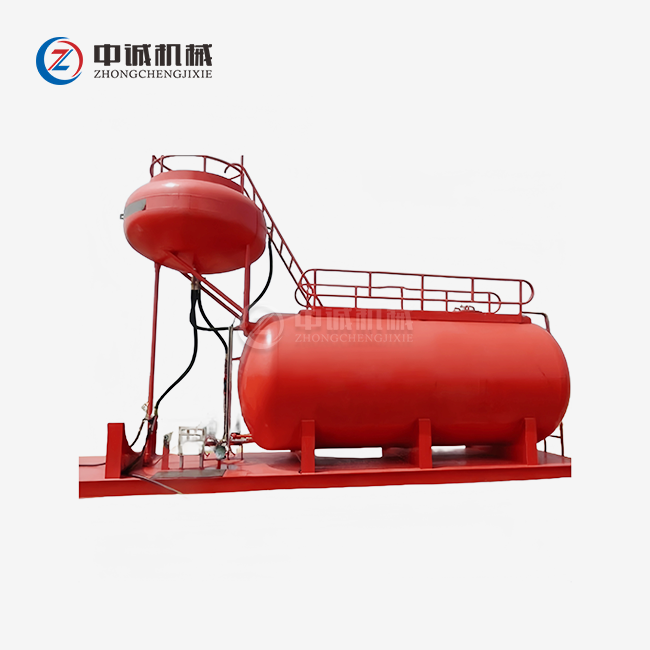
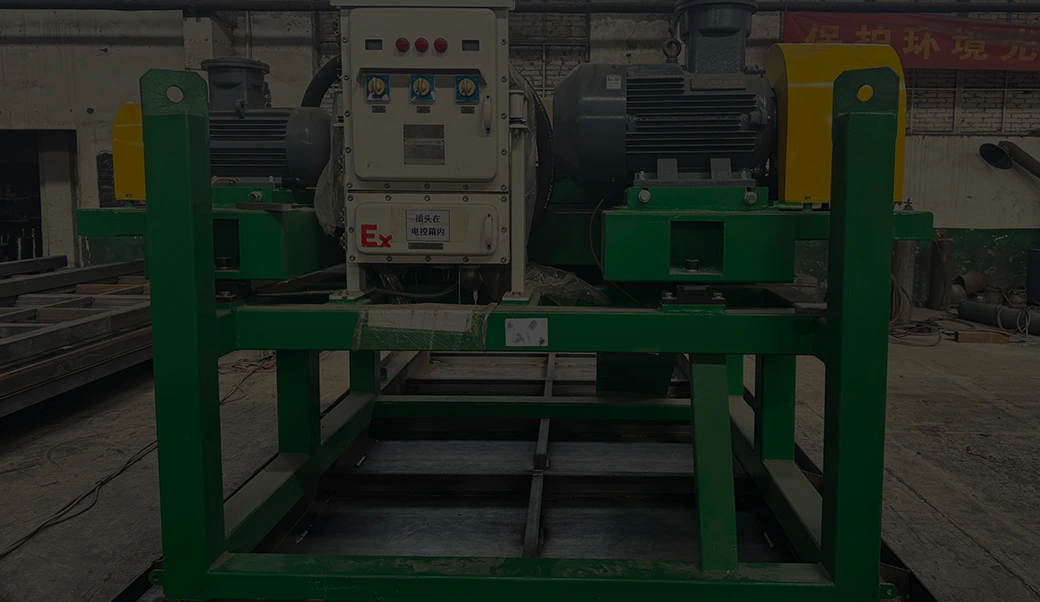
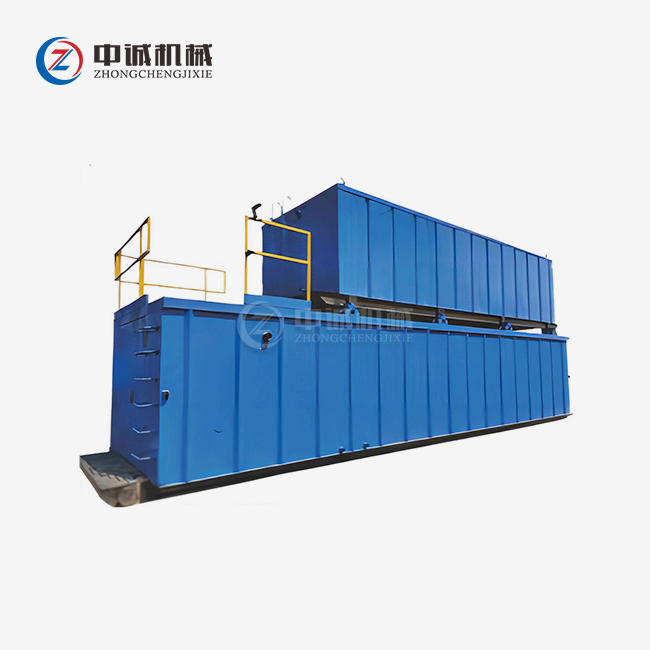
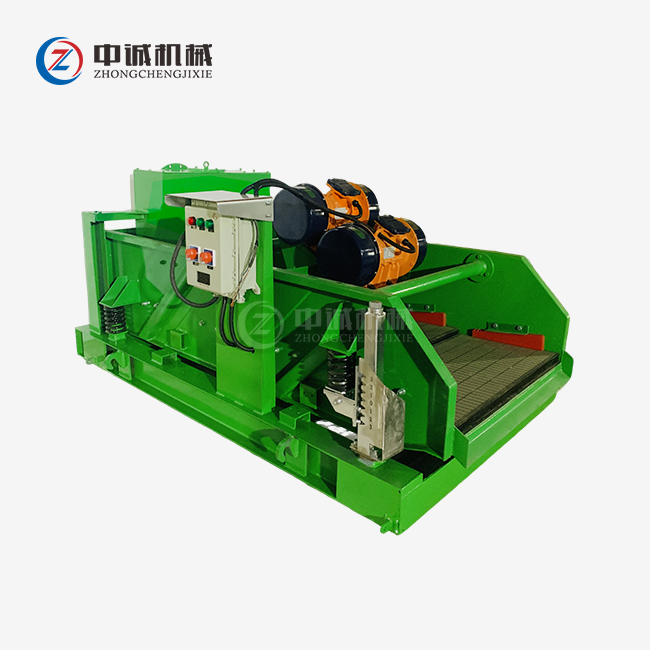
A Multi-unit Shale Shaker is the most important tool for controlling solids when drilling operations need to get the job done quickly and with no downtime. This combined system has two, three, or four vibrating screening units on a single master skid. It has a huge capacity and doesn't take up much room on the rig floor. Single-deck designs have trouble with surge loads, but Multi-unit Shale Shaker designs spread the flow evenly through a central duct. This keeps the fluid's properties even during peak drilling phases and stops mud loss. This creates a main separation hub that can change to meet the needs of your business while also giving you the backup you need for cost-effective, ongoing drilling.
Understanding Multi-Unit Shale Shakers and Their Role in Drilling Fluid Separation
The Core Function in Solids Control Systems
The Multi-unit Shale Shaker is the first and most important line of defence when it comes to managing drilling fluid. These systems separate drill cuttings from valuable mud before it goes back downhole. They do this by using high-frequency vibration motors that create controlled G-forces. The ZC Multi-unit Shale Shakers from Shaanxi Xixian New Area Zhongcheng Machinery Manufacturing Co., Ltd. are designed to handle very high flow rates in large-scale oil and gas pumping. They work in a modular parallel manner. Each unit can vibrate up to 8G and can move in either a straight line or an irregular path. This lets operators fit the motion of the screen to the fluid properties and cutting types found in rocks ranging from soft shale to rough sandstone.
How Multi-Unit Configuration Multiplies Capacity
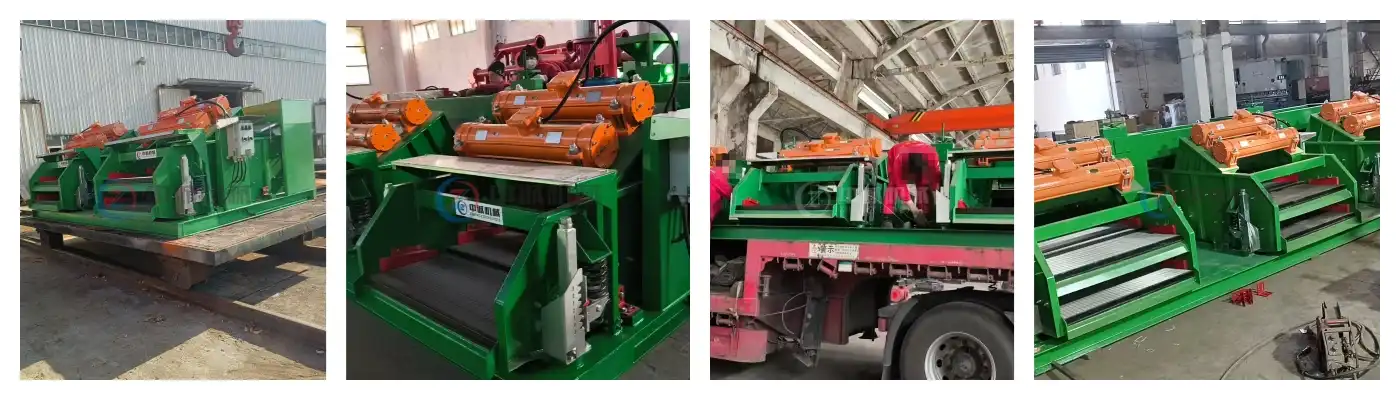
The great thing about Multi-unit Shale Shaker design is that it can handle volumes that would be too much for a single-shaker setup. The method stops localised overflow that leads to mud bypass and screen blindness by distributing flow precisely through an integrated manifold box. This balanced approach maximises the recovery of drilling fluid, which directly lowers the costs of consumables and the amount of waste that needs to be disposed of. Having worked with onshore and offshore drilling contractors for 30 years, we have seen that operations that use properly configured Multi-unit Shale Shaker systems keep up to 40% more fluid than those that use single-unit systems that are too small. This saves money on mud additives and disposal fees.
Working Principles That Deliver Consistent Performance
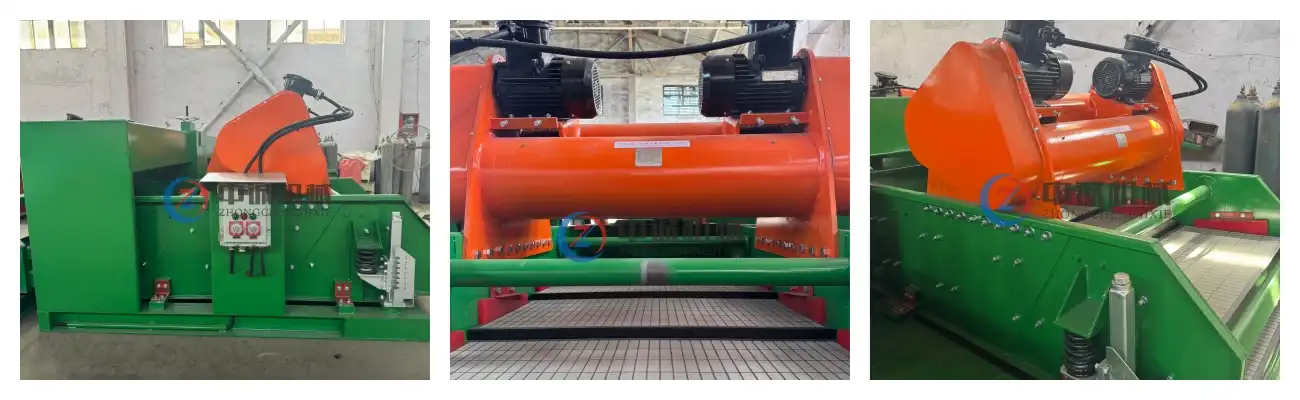
All of the screening decks move at the same time thanks to vibration motors that are mounted at the best angles. The drilling returns run onto the screen surface, moving solids along the mesh while the liquid phase goes to the clean mud tank. The tiered deck design makes this process better: the coarser top screens quickly remove big cuttings, which makes the finer bottom screens, which do precise sorting, less stressed. This staged method greatly increases the screen's useful life, sometimes doubling the time between replacements in high-solids situations like coalbed methane drilling, where clay pollution is very high.
Comparing Multi-Unit Shale Shakers: Choosing the Right Solution for Your Drilling Needs
Evaluating Capacity Requirements and System Integration
Understanding the flow characteristics of your drilling program is the first step in choosing the right Multi-unit Shale Shaker configuration. Deepwater exploration or large-diameter horizontal directional drilling are two examples of high-volume tasks that need three- or four-unit systems that can handle at least 3,000 gallons per minute. Because ZC systems are flexible, you can increase their capacity by adding units to the master box instead of changing the way the mud flows through the system as a whole. This adaptability is very helpful when drilling plans change or when rigs are moved to harder rocks.
Ratings for protection classes are also very important. Our IP55-rated enclosures protect electrical parts from dust and water jets, which is very important for harsh offshore environments where sandstorms and saltwater spray can damage equipment. Explosive-atmosphere zones should be checked for ATEX or IECEx compliance by operators. We offer these choices as customisations.
Cost-Effectiveness Beyond the Purchase Price
The total cost of ownership is much higher than the initial cost of buying the equipment. Some ZC models have a single-deck design that makes upkeep a lot easier. There are fewer wear spots and fast screen replacement mechanisms that field teams can use in less than ten minutes. Standardised interchangeable wear parts across unit sizes simplify spare parts inventories, which is very important for drilling sites that are far away where shipping costs rise. When purchasing from suppliers, purchasing managers should look at how well the screens work with API standards, the motor brand choices (we offer both domestic and foreign manufacturers), and how easy it is to get OEM parts through established distribution networks.
Customization Capabilities That Match Project Demands
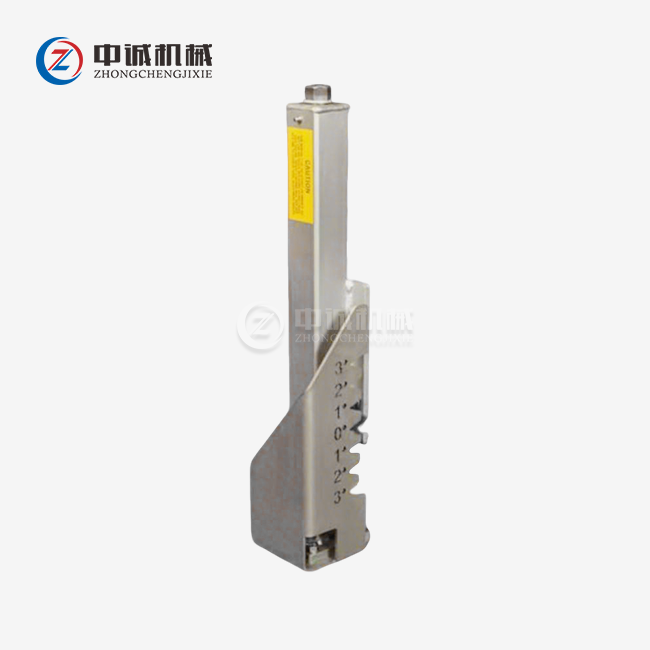
Different digging rigs have different power and space limits. ZC Multi-unit Shale Shakers can handle these differences because the deck angles can be changed from -1° to +5° and the motor configurations can be matched to the voltage supplies that are available. Your operation may use 50Hz or 60Hz power, need explosion-proof certification, or need specific skid sizes to fit current mud tank setups. Our engineering team creates solutions that work smoothly with your solids control train. This customised method gets rid of the problems that come up with general equipment deployments, like giving in on features or making changes in the field.

Maintenance and Troubleshooting: Ensuring Optimal Performance and Longevity
Preventive Maintenance Strategies
Regular inspections are the key to making sure that shakers work well. Every day, operators should look at the screen tension, motor mounting bolts, and discharge areas for solids that could mean the screen wasn't chosen correctly or the G-force settings were too high. Motor bearings don't break down early if they are oiled once a week with manufacturer-recommended greases. This is especially true in high-temperature geothermal drilling applications where thermal expansion puts stress on parts. We give you detailed operation and maintenance manuals with pictures to help field technicians learn how to do things. This cuts down on the learning curve that usually comes with setting up new equipment.
Addressing Common Operational Challenges
Unusual vibrations are usually a sign of a damaged screen or an uneven motor. One of the best things about independent control systems in a Multi-unit Shale Shaker is that they can quickly separate the damaged unit. This keeps the nearby shakers from getting damaged and lets the system keep running at a lower capacity. Screen blindness happens when fluid conductance drops even though the mesh is the right size. This can happen because the mud chemicals don't mix or the motion path is off. This can be fixed by changing the patterns of particle transport from linear to elliptical motion. Our remote technical support team helps with these diagnostics, using their decades of experience in the field to fix problems before they become too big and waste time that could be used for other things.
Spare Parts Management and Warranty Support
Using original OEM screens and wear parts ends up being cheaper in the long run than aftermarket options. Poor screens break down too soon, and the metal stress they cause can damage shaker baskets, making a small repair bill into a big one. Our one-year warranty covers both manufacturing flaws and structural integrity. It is backed by our ISO 9001/14001/45001 certifications, which show that we manage quality consistently. Strategic partnerships with logistics providers and being close to the ports of Tianjin and Shanghai make it possible to quickly deliver spare parts. Items that are in stock can be shipped within three days, and custom parts can be made in fifteen days.
Procurement Insights: Navigating the Market for Multi-Unit Shale Shakers
Direct Manufacturer Advantages in B2B Sourcing
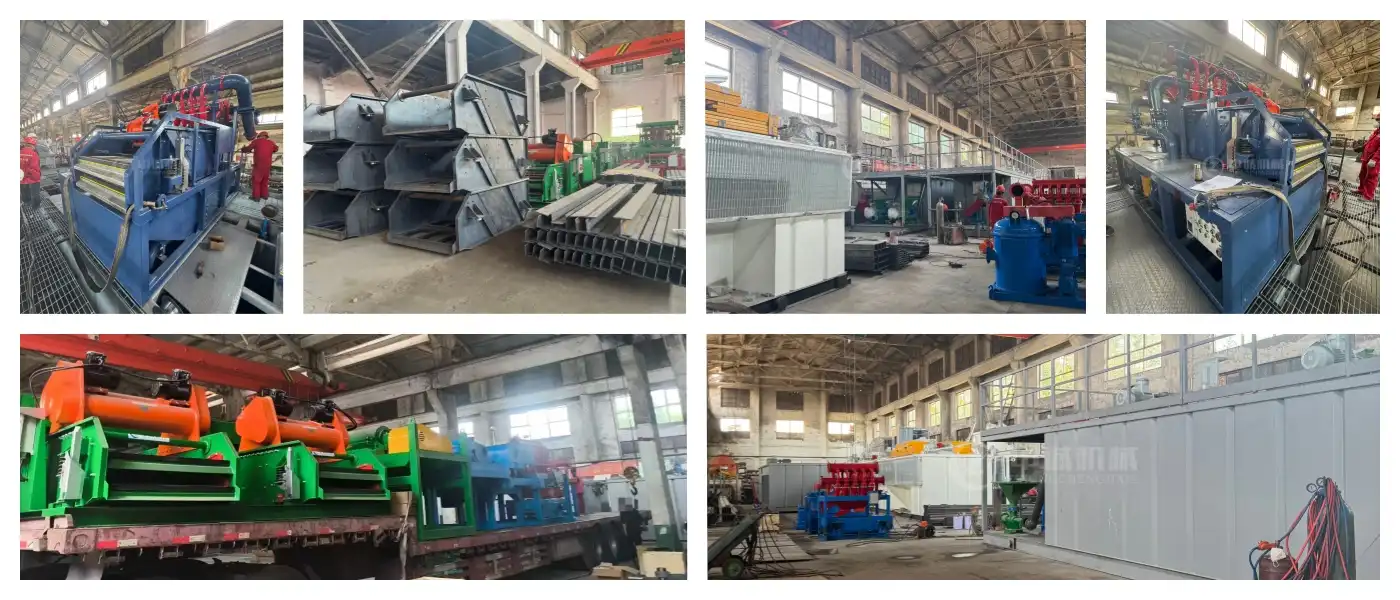
When you buy directly from manufacturers like Shaanxi Xixian New Area Zhongcheng Machinery Manufacturing Co., Ltd., you skip the markups that distributors add on and get access to technical Knowledge that you can't get from retail outlets. Our 6,300-square-meter factory in Xingping City can make 200 full mud drainage systems every year, so we'll always have what the market needs when demand goes up. We have a dozen unique patents that show how we are always improving vibration technology and screen retention mechanisms. This gives us performance benefits that generic sellers who copy old designs can't offer.
Evaluating Supplier Capabilities and Certifications
International buyers should use audits by a recognised third party to check the qualifications of suppliers. Our BV and TÜV approvals show that we follow European quality standards. Our HSE certification shows that we are dedicated to managing health, safety, and the environment, which is very important for oilfield operations. These credentials shorten the time it takes for major drilling contractors and EPC firms to qualify suppliers, which cuts down on the time it takes to buy something. When making contracts, make sure to be clear about guarantee terms, how much spare parts cost, and how long it takes for technical support to respond. This will help avoid confusion once the equipment gets to the job site.
Logistics Considerations for Global Projects
Heavy oilfield equipment transport-safe packaging has grown into its own field of study. When you order a ZC system, it comes with protective plastic film, rainproof tarps, and strong strapping. You can also choose to add wooden crates for shipping goods by sea or air to remote locations. Figuring out the Incoterms—like FOB, CIF, or DDP—has a big effect on the total landing costs. Our logistics partners offer reasonable freight rates and help with clearing customs, which is especially helpful for buyers in new markets who are trying to figure out how to import goods. When you combine Multi-unit Shale Shakers with other products in our line, like desanders or mud cleaners, you can save money on shipping costs by using container consolidation choices.
Future Outlook and Innovation in Multi-Unit Shale Shaker Technology
Emerging Digital Integration Trends
Automation and connection are becoming more popular in the solids control business. Next-generation systems use IoT sensors to keep an eye on G-force, screen conductance, and discharge solids content in real time and send the information to centralised drilling control systems. This integration lets you set up automatic adjustments to deck angles or vibration levels based on measured fluid properties. This means that you don't have to rely on operator judgement when switching between shifts. Full automation won't happen for years, but the work that is being done now will change how drilling crews use separation equipment in the future.
Advanced Materials and Environmental Compliance
Composite materials that are resistant to abrasive wear while still being flexible enough for good energy transfer are helping screen technology move forward. Newer mesh designs make the best use of aperture forms to separate particles more effectively at smaller cut points without lowering output. These improvements back up stricter environmental rules around the world that require lower solids content in discharge and higher fluid recovery rates. Multi-unit Shale Shaker setups easily meet these needs because they give you the screening area you need to use finer meshes without reducing the capacity.
Preparing for Evolving Operational Demands
It is even more important for Multi-unit Shale Shakers to be reliable and redundant as drilling projects move into more difficult settings, such as ultra-deepwater, extended-reach horizontals, and high-pressure geothermal. This technology is the best for complex drilling programs because it can keep working during maintenance periods, switch individual units for different screen configurations while the system is still running, and increase capacity by adding modules. By keeping up with these changes, you can make sure that your investment in solids control stays competitive as industry standards change.
Conclusion
Multi-unit Shale Shakers are an advanced technology that is still getting better. They solve the main problems that modern drilling operations face, such as limited room, high flow needs, and not being able to afford unplanned downtime. The flexible parallel design, precise flow distribution, and operating redundancy make it possible to collect more fluid, extend the life of the screen, and drill more efficiently overall. These systems are reliable and the basis for successful drilling programs when they come from makers with a lot of experience, full expert support, and tried-and-true quality control systems.
FAQ
What is a Multi-unit Shale Shaker?
A Multi-unit Shale Shaker has several separate vibrating screening units, usually between two and four, mounted on a single master skid that controls the flow of fluid. This setup increases processing power and provides operational redundancy, so one unit can be serviced while others keep separating drilling fluids.
How does a multi-unit system differ from single shakers?
Single shakers can only handle the amount of material that fits on their own screen area, which can cause problems during high-flow drilling phases. Multi-unit Shale Shaker designs spread the flow evenly across several decks through a manifold box. This keeps the rig from being overloaded and takes up less floor space than having separate shakers.
What maintenance intervals should operators expect?
How often screens need to be replaced depends on how rough the formation is and how fine the mesh is. Usually, screens need to be replaced every 24 to 120 operating hours. Motor bearings should be oiled once a week, and every 500 hours, the whole motor should be inspected mechanically. When compared to reactive methods, preventive repair greatly increases the life of equipment.
Can existing mud systems accommodate multi-unit shakers?
With the right changes to the tank size and manifold size, most systems can work with Multi-unit Shale Shaker configurations. Our engineering team helps with installation by showing you how to use pipe diagrams and doing load calculations on the structure to make sure it works with your rig's plan and tank's design.
Partner with a Proven Multi-unit Shale Shaker Manufacturer
Shaanxi Xixian New Area Zhongcheng Machinery Manufacturing Co., Ltd. has been in the solids control business for more than 30 years and can help you with your drilling projects. Our ZC Multi-unit Shale Shaker systems use tried-and-true engineering and up-to-date manufacturing techniques to make equipment that works reliably in the harshest onshore and marine conditions. We have cheap manufacturer-direct pricing, quick technical support, and a full one-year guarantee, as well as ISO, TÜV, and BV certifications that back up our quality standards. This is everything that foreign drilling contractors are looking for. Email our team at oliver@zcgukong.com to talk about your specific operational needs and find out how our customised Multi-unit Shale Shaker solutions can help you get the most out of your drilling fluid management system.
References
1. American Petroleum Institute. "API Recommended Practice 13C: Drilling Fluid Processing Systems Evaluation." API Publishing Services, 2021.
2. Bourgoyne, Adam T., et al. "Applied Drilling Engineering." Society of Petroleum Engineers, 2nd Edition, 2019.
3. Chilingarian, George V., and Vorabutr P. "Drilling and Drilling Fluids." Elsevier Scientific Publishing, Updated Edition, 2020.
4. International Association of Drilling Contractors. "Solids Control Equipment Standards and Best Practices." IADC Technical Publications, 2022.
5. Lyons, William C., and Gary J. Plisga. "Standard Handbook of Petroleum and Natural Gas Engineering." Gulf Professional Publishing, 3rd Edition, 2023.
6. Society of Petroleum Engineers. "Drilling Fluids Technology: Performance Properties and Environmental Aspects." SPE Monograph Series, Volume 28, 2021.
.webp)