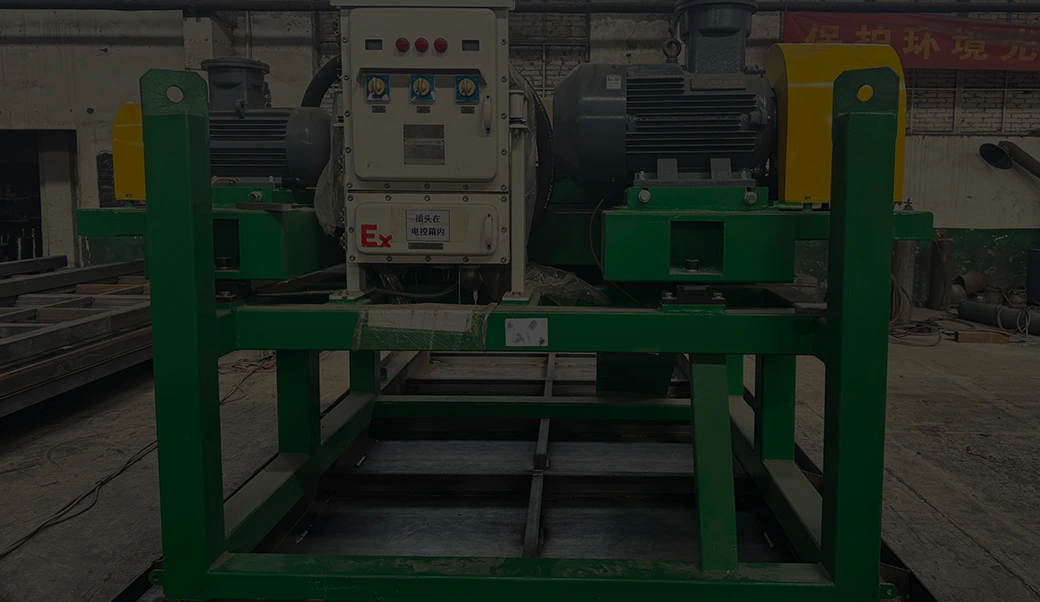
When it comes to large-scale drilling operations, the question isn't just whether a Multi-unit Shale Shaker is suitable—it's often whether your project can afford not to have one. These integrated Solids Control Systems combine multiple vibrating units on a single skid, delivering the high-throughput capacity and operational redundancy that modern oil and gas drilling contractors demand. With their ability to handle ultra-high flow rates while maintaining uninterrupted operation during maintenance cycles, multi-unit configurations have become the preferred solution for deepwater platforms, high-volume onshore drilling programs, and horizontal directional drilling projects where downtime translates directly to substantial financial losses.
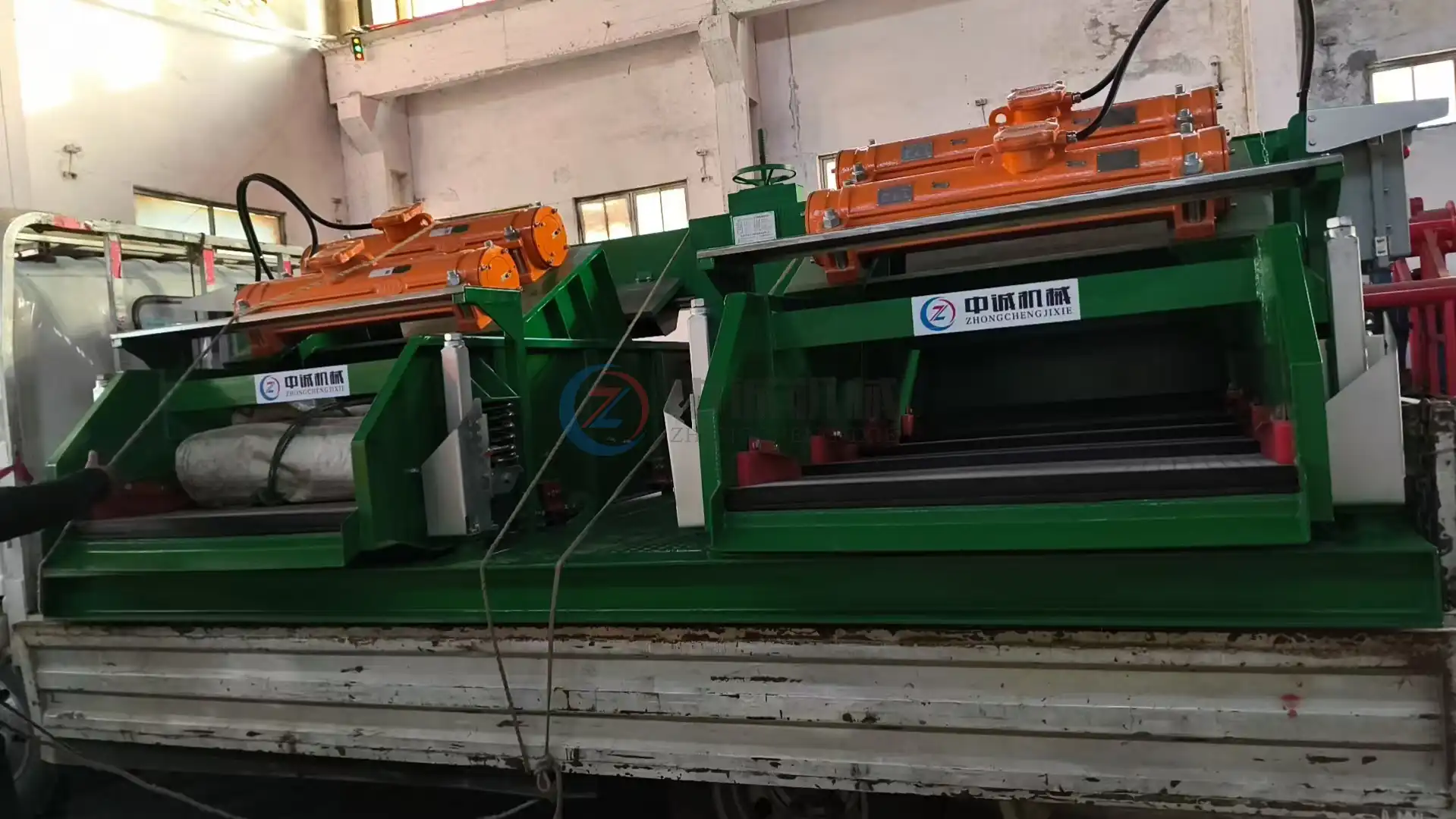
Understanding Multi-Unit Shale Shakers and Their Role in Large-Scale Drilling
In the last twenty years, the drilling business has changed a lot, and so have the needs for solids control tools. A Multi-unit Shale Shaker is a unique way to separate the primary particles. It has two, three, or even four separate vibrating screens that are all mounted on the same structural platform. This flexible design solves a basic problem: how to increase screening capacity without taking up too much space on the rig floor or making complicated pipe networks that make upkeep more difficult.
What Defines a Multi-Unit Configuration?
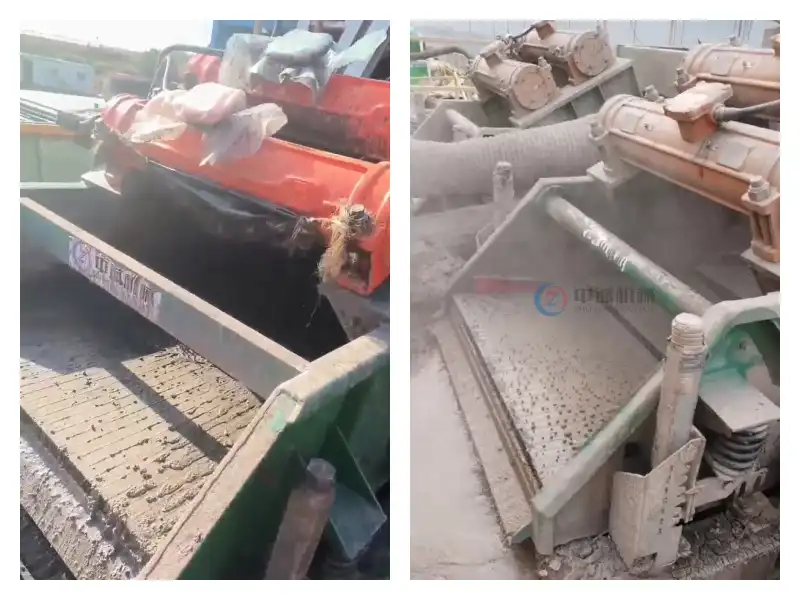
Multi-unit systems combine several screening units that share a central feed distribution system. This is different from separate single-deck or double-deck mixers that work on their own. Each unit has its own vibration motors that make motion paths that are either straight or curved to move solids and liquids more efficiently. Our company makes ZC Multi-unit Shale Shakers that are a great example of this design theory. They have modular parallel operation that can handle very high flow rates and are the central hub for large-scale solids control systems used in oil and gas drilling.
Working Principles and Capacity Benefits
Using high-frequency shaking to separate drill bits from drilling mud is how it works. Vibration motors usually produce forces between 7.0G and 8.5G, which make the drilling fluid move quickly across several screen surfaces at the same time. The screens keep the solids in place and move them off, while the liquid that has been cleared flows through and back to the active mud system. This method of parallel processing greatly improves the total system capacity, often by more than 3000 gallons per minute. This is very important for fast-drilling programs that make a lot of cuts because of the high penetration rates.
The flexible form also adds a backup plan for operations. If you lose primary separation ability during important digging phases, you may have to shut down completely. This risk is eliminated by multi-unit configurations, which let one or more units do screen changes or maintenance while the remaining units keep the flow going. This keeps expensive time from being wasted on non-productive tasks.
Applications Across Drilling Environments
When room is limited and working volume is high, multi-unit Shale Shakers perform admirably. Offshore deepwater exploration is the hardest because deck space is very expensive and synthetic-based mud systems need as much screening area as possible to keep fluid losses to a minimum. Multi-unit systems can do this while taking up little space. In the same way, large-diameter horizontal directional drilling projects used for building infrastructure, like putting in pipelines under rivers, create huge amounts of slurry that would be too much for single-unit systems to handle. In high-pressure, high-temperature geothermal drilling, where big, hot cuttings come back quickly from deep formations, these designs are also useful for strong, constant solids removal.
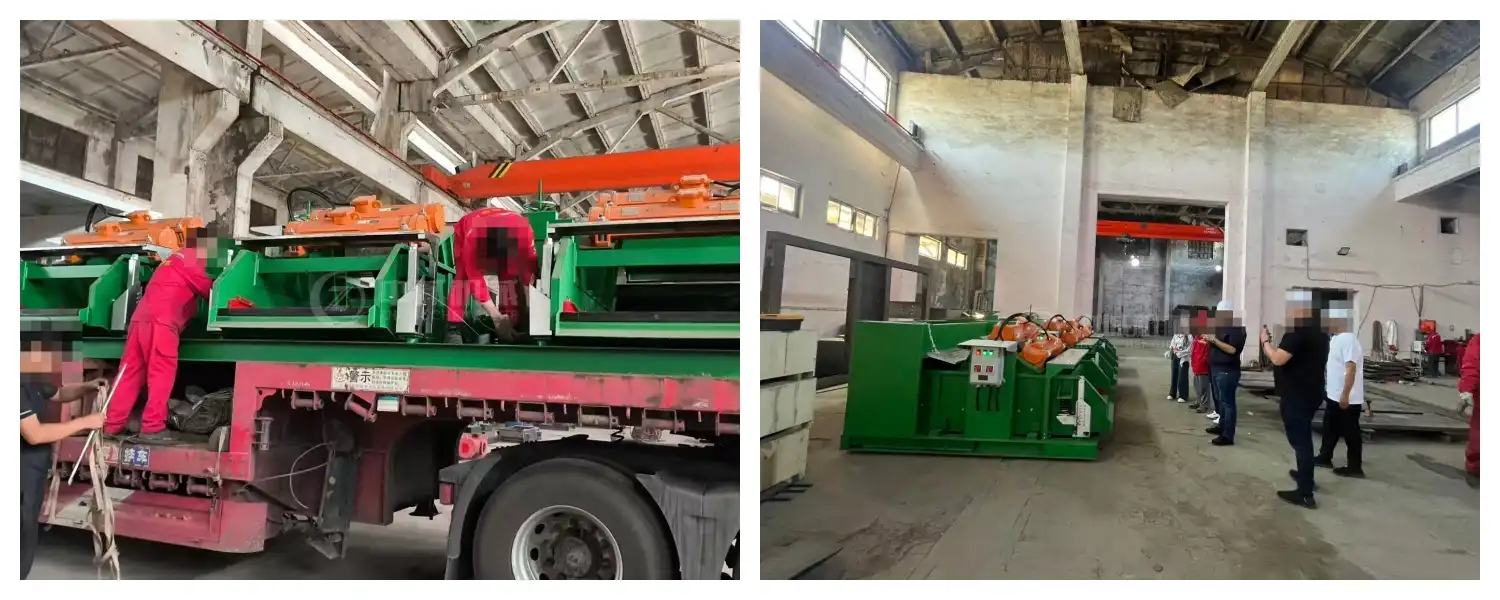
Comparing Multi-Unit vs Single-Unit Shale Shakers: Which Fits Your Project?
This is a choice that procurement managers often have to make early on in the planning process for a project. The choice depends on a number of performance, reliability, and cost factors that have a direct effect on how well the drilling works and how much the whole project costs.
Capacity and Handling Capabilities
Depending on the size of the screen and the properties of the mud, single-unit shakers can handle flow rates of 500 to 1200 gallons per minute. This amount of space is good for normal land-based drilling with average penetration rates. Single units, on the other hand, become clogged when drilling needs higher flow rates, which happens a lot in offshore platforms, extended-reach horizontal wells, and projects that use high-performance drill bits. This is taken care of by multi-unit systems, which use a special manifold or distribution box to spread flow over several screening surfaces. This makes sure that the load is spread out evenly, stops localized overloading that leads to "mud loss," and increases the rate at which drilling fluid is recovered.
Total Cost of Ownership Considerations
Multi-unit systems require more money up front than single-unit shakers because they are more complicated and have more parts. But drilling contractors are becoming more and more aware that the purchase price is only one part of the total cost of ownership. There are several ways that multi-unit configurations lower operational costs. Because one unit can be maintained without stopping drilling, there are no revenue losses from time that isn't being used for work. The tiered deck design makes screens last longer because it lets coarse screens remove big cuts before finer screens do the final cleaning. This keeps expensive fine-mesh screens from wearing out as quickly. Also, upkeep that is centered on a single skid cuts down on the number of hours needed to service many single-unit shakers that are spread out.
Distinguishing from Mud Cleaners and System Integration
Some drilling companies mix up Multi-unit Shale Shakers with mud cleaners, which combine shale shakers with desander and desilter hydrocyclones to get rid of finer solids more effectively. While they both do useful things, multi-unit shakers are only used for main scalping, which means they get rid of the biggest cuts as quickly and efficiently as possible. Mud cleaners add fine division further down the line. The decision depends on the drilling conditions: formations that produce mostly coarse cuttings gain from multi-unit shaker capacity, while formations that produce a lot of fine solids need the combined method. A lot of complete solids control systems use both. Multi-unit shakers do the primary separation, and mud cleaners do the secondary treatment.
Logistics and the ties with suppliers also play a role in this choice. For multi-unit systems to work, providers must be able to provide fully integrated skids with accurate vibration synchronization, good structural engineering, and dependable component sources. It's especially important to have access to OEM parts because downtime while waiting for new screens or motors takes away from the system's redundancy benefits.
Operational Insights: How to Optimize Multi-Unit Shale Shaker Performance
To get the most out of your Multi-unit Shale Shakers in terms of return on investment, you need to follow strict operational procedures and proactive maintenance plans that our engineering team has developed over decades of field experience.
Key Operational Procedures
The right startup sequences keep equipment from wearing out too quickly and make sure that separation works at its best. Before turning on the vibration motors, operators should make sure that all of the screen panels are properly tightened and secured using the clamping methods recommended by the manufacturer. When there isn't enough stress, the screen goes blank and fails before it should. Once this is proven, the motors should be turned on one after the other instead of all at once to avoid problems with electricity surges. Then, the valves on the distribution manifold should be changed so that there is uniform flow through all units. This can be seen by making sure that the fluid level on each screen surface is the same.
During operation, changes to the shaking strength are made to get the best results for different types of mud. Thinner muds with lower viscosity need less violent shaking, while heavier fluids with higher viscosity need higher G-forces. The ZC Multi-unit Shale Shakers keep the shaking level at or below 8G and can move in either a straight line or an elliptical path. They also have an IP55 protection class rating, which means they can work reliably even in dusty and wet digging settings.
The steps for shutting down are just as important. When screens are left to run until the mud flow stops, material doesn't build up and make it harder to start up again. After the machine is turned off, the screens should be checked for damage, and any solids that have built up should be cleaned out of the output areas.
Preventive Maintenance and Troubleshooting
Routine reviews should happen on set times, usually once a day for an eye check and once a week for a more in-depth look. Every day, the screens, the discharge chute, and any strange noises or vibrations are checked to make sure they are in good shape. Checking the tightness of the motor mounting bolts, the wear on the vibration isolators, and the security of the electrical lines are all part of weekly maintenance.
Unusual vibration patterns are a common problem that is usually caused by screens that aren't balanced or vibration mounts that are worn out. If you take care of these right away, you can avoid structural wear and expensive frame fixes. Screen blinding is usually the cause of lower capacity, which can be fixed by choosing the right screens and cleaning them properly. It means that the sealing around the edges of the screen isn't good enough or that the gaskets are worn out and need to be replaced.
Real-World Performance Case Study
A drilling company in the Gulf of Mexico used ZC Multi-unit Shale Shakers on a deepwater rig to drill long-reach wells through rough sandstone rocks. In the past, single-unit systems needed screen changes all the time, which stopped drills for 45 minutes each time, which happened about three times a day. The multi-unit setup allowed continuous operation while the screen was being serviced, which cut down on daily downtime by 135 minutes. Over the course of a 60-day drilling operation, this added 135 hours of drilling time, which allowed two more wells to be completed within the platform's scheduled period and brought in extra money that far outweighed the difference in equipment cost.
Procurement Guide: Choosing the Right Multi-Unit Shale Shaker Supplier
To choose the right provider, you need to look at their technical skills, service infrastructure, and the terms of their contracts to make sure they meet your project's needs and your long-term operating goals.
Evaluating Technical Specifications and Customization
The main factor that determines volume is the size of the screen. Larger screen areas—usually between 6 and 10 square meters per unit in multi-unit setups—enable more work to be done and last longer on the screen. The ability to separate things relies on both the size of the screen and how it moves. When dealing with large amounts of material, linear motion works better, but in some mud systems, elliptical motion is better at moving fine solids. Power economy has an effect on running costs, especially on platforms that are far from land where energy is expensive to make.
Different drilling environments can be accommodated by customization options. Our business provides custom sizes to fit different rig floor plans, different vibration intensity settings to match the properties of drilling fluids, and motor choices from well-known American and European brands. For work to be allowed in dangerous areas with flammable gases, explosion-proof standards must be met. This includes getting ATEX and IECEx licenses.
Logistics, Delivery, and Installation Support
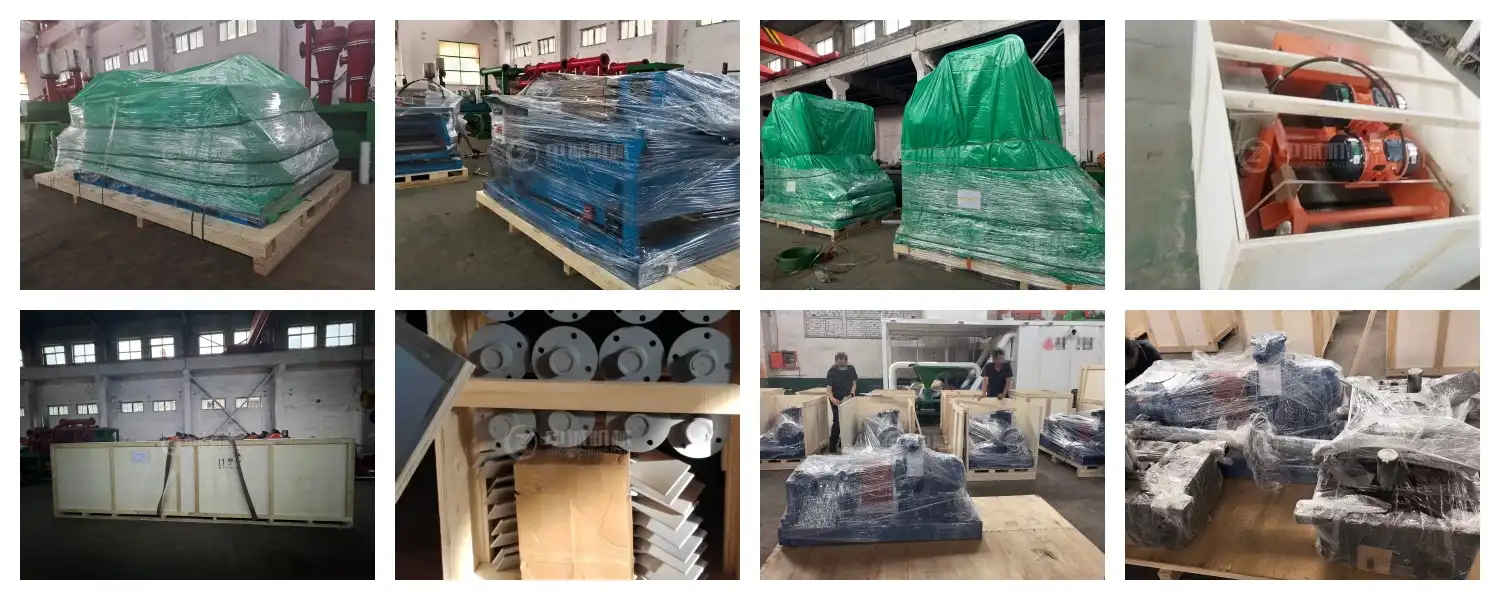
Project plans are directly affected by how reliable the supply chain is. Standard layouts can be shipped within days by manufacturers who keep their stock on hand, but unique designs take longer to make. Shaanxi Xixian New Area Zhongcheng Machinery Manufacturing Co., Ltd. has good connections with transportation companies and easy access to major shipping ports, which makes world delivery quick and easy. Products that are in stock usually get shipped within three days, and custom orders get delivered within fifteen days. Drilling contractors like how quickly they can get products when equipment breaks down, and project deadlines are threatened.
Support for installation is also very important. Multi-unit systems need accurate leveling and vibration separation to keep the structure from resonating and make sure that all the units work together in sync. Suppliers who offer full commissioning services, such as technical advice on-site, operator training, and performance verification testing, lower the risks of startup and speed up the time it takes to reach full operational capacity. Our technical team gives full support packages that include thorough engineering drawings, process flowcharts, diagrams of parts, and operation and maintenance manuals. These help drilling crews get the most out of their tools.
After-Sales Service and Warranty Considerations
Reliability of equipment in tough drilling settings depends on both how well it was made and how quickly problems are fixed by service staff. Fully covered warranties—we offer a one-year fully covered guarantee on all ZC Multi-unit Shale Shakers—protect against early component failures and manufacturing flaws. After the guarantee time is over, it's very important that parts are always available. Screen screens wear out over time and need to be replaced regularly. The practical benefits of having multiple units redundant are lost when it takes too long to get replacements.
As drilling activities move into areas with few local service facilities, the ability to provide technical help remotely has become more and more valuable. Suppliers that offer technical help over the phone or video help drilling teams fix common problems without having to send out field service workers. This cuts down on both downtime and service costs. Total cost of ownership is affected by reaction time promises and the location of regional service centers when on-site help is needed. Our business keeps a stock of spare parts and technical staff that can be quickly sent to the field to meet urgent needs.
Industry Certifications and Compliance
Quality badges are objective proof of good manufacturing practices and reliable products. Getting ISO 9001 certification for quality management shows that you have structured process controls. Getting ISO 14001 certification for environmental management and ISO 45001 certification for workplace health and safety shows that you are committed to running a sustainable and responsible business. Independent checks of compliance with international standards are done by third-party inspections by groups like TÜV and BV. These approvals show that all ZC Multi-unit Shale Shakers meet the standards that big oil and gas companies set for approved equipment lists.
Health, safety, and environmental security are becoming more and more important in the drilling business, and HSE standards compliance helps with that. HSE-compliant equipment has features like guarding for moving parts, noise reduction measures, and containment systems that stop fluid spillage. This helps drilling contractors meet their legal obligations and their companies' sustainability goals.
Future Outlook: Trends and Innovations in Multi-Unit Shale Shaker Technology
The solids control equipment market is always changing because of new technologies and shifting industry needs, which affect how forward-thinking drilling companies buy equipment.
Automation and Smart Control Integration
Modern multi-unit shale shakers increasingly have automation features that make them easier to use and improve performance on the fly. Smart control systems keep an eye on things like screen loading, vibration patterns, and fluid flow in real time. They then change motor speeds and deck angles automatically to keep the separation working at its best. Before they break, these systems let workers know about problems that are starting to happen, like a screen that isn't working as well or a motor that is getting too hot. This allows for proactive maintenance that avoids unplanned downtime.
When the solids control system is connected to larger rig automation platforms, it can be controlled as a whole. When drilling conditions change, like when penetration rates go up and cuttings volumes go up, the control system can add more shaker units or change the settings on the ones that are already working to handle the new load without the user having to do anything.
Environmental Compliance and Noise Reduction
More and more, regulations are calling for drilling activities to be quieter and safer. Noise transmission is kept to suitable levels by advanced vibration isolation systems. Our systems keep performance below 85 decibels, which meets health and safety standards and makes the rig floor a better place to work. Enclosed screen designs with built-in misting systems cut down on dust production, which helps with air quality issues both onshore and offshore.
Drilling waste management rules are getting stricter all the time, especially in areas that are sensitive to the environment and offshore operations where limits on discharge apply. High-efficiency multi-unit shakers that collect as much drilling fluid as possible and make cuttings that are drier help workers meet these needs while also lowering the cost of removal and the damage they do to the environment.
Market Growth Drivers and Demand Trends
The need for energy around the world keeps driving development and production, especially in tough places like deepwater offshore areas and unconventional land resources. Multi-unit Shale Shakers are the only way to get the solids control and high volume that these uses need. At the same time, the mining and geothermal industries are using technologies that have been used successfully in the oilfield. This means that there is a bigger market for advanced solids control equipment.
More and more, people who make decisions about purchases look at tools from a "total value" point of view, which includes efficiency, reliability, service support, and environmental compliance, along with the price. In competitive tender processes, suppliers who show they have full capabilities across these dimensions and back them up with certifications, track records in the field, and quick technical support are given priority. Companies like Shaanxi Xixian New Area Zhongcheng Machinery Manufacturing Co., Ltd. are ready to meet these changing customer needs because they have over 30 years of experience in the field, their own patents, and the ability to make everything.
Conclusion
Multi-unit Shale Shakers are clearly better for large-scale drilling projects that need to ensure high output, operating redundancy, and space economy. Their flexible design can handle very high flow rates while still allowing continuous operation during repair. This means that less time is spent not working and the project is more cost-effective. Even though it costs more up front than single-unit options, the benefits over the life of the screen, less downtime, and lower running costs make it a great choice for drilling companies working on large projects. To choose the right provider, you need to look at their technical skills, customization options, transportation support, and customer service after the sale to make sure the equipment fits the needs of the project and works well for a long time.
FAQ
Can individual units undergo maintenance while others continue operating?
Each unit's separation controls and inlet valves are separate in professional Multi-unit Shale Shaker designs. This means that drilling crews can take one unit offline to replace a screen or service a motor while the other units keep processing mud. This keeps production from stopping as it does with single-unit systems.
How do manufacturers prevent vibration interference between adjacent units?
To stop harmonic resonance between the different vibrating baskets, engineers use special vibration-damping mounts that are more than 95% effective at isolating them. When you design the structure correctly and choose the right parts, each unit can work on its own without sending unstable vibrations to other units or the structure that supports them.
What advantages does a common header tank provide?
Centralized feed systems make it easier to set up the pipes and keep the flow rate steady before the mud gets to the screens. This lowers turbulence, helps make sure that all units are evenly distributed, and cuts down on screen wear from high-velocity impact zones that are close together.
Do multi-unit systems require multiple operators?
Modern designs have centralized control panels or human-machine interfaces that let one person handle all units' deck angles, motor starts, and working parameters. This practical efficiency cuts down on the amount of work that needs to be done compared to handling several single-unit shakers that are spread out.
Partner with Shaanxi Xixian New Area Zhongcheng Machinery Manufacturing Co., Ltd. for Reliable Multi-unit Shale Shaker Solutions
Shaanxi Xixian New Area Zhongcheng Machinery Manufacturing Co., Ltd. has everything drilling companies looking for in a reliable Multi-unit Shale Shaker provider. We have been in this business for more than 30 years and make complete solids control systems that are backed by patents and international approvals from ISO 9001, 14001, 45001, TÜV, and BV. Our ZC Multi-unit Shale Shakers can work in parallel modules, have a shaking strength of up to 8G, an IP55 protection class rating, and can be set up in any way that meets the needs of the drilling rig. We ship in-stock items within three days and custom orders within fifteen days. Our smart logistics partnerships help us send goods safely around the world. There is detailed technical documentation, installation instructions, operator training, and a one-year warranty with every system. Contact our team at oliver@zcgukong.com or go to zcsolidscontrol.com to talk to our engineering experts about your project needs and find out how our Multi-unit Shale Shaker manufacturer services can help you get the most out of your drilling operations.
References
1. API Recommended Practice 13C: "Drilling Fluid Processing Systems Evaluation," American Petroleum Institute, 2018.
2. Bourgoyne, A.T., et al., "Applied Drilling Engineering," Society of Petroleum Engineers Textbook Series, Vol. 2, 2015.
3. Kenny, P. and Sunde, E., "Solids Control and Waste Management for Drilling Operations," Journal of Petroleum Technology, Vol. 65, No. 4, 2013, pp. 78-86.
4. Mitchell, R.F. and Miska, S.Z., "Fundamentals of Drilling Engineering," Society of Petroleum Engineers Textbook Series, Vol. 12, 2016.
5. Skalle, P., "Drilling Fluid Engineering," Ventus Publishing, 2014.
6. Zhao, X. and Zhang, H., "Performance Optimization of Multi-deck Shale Shakers in High-Volume Drilling Operations," International Journal of Oil, Gas and Coal Technology, Vol. 18, No. 3, 2018, pp. 234-251.
.webp)