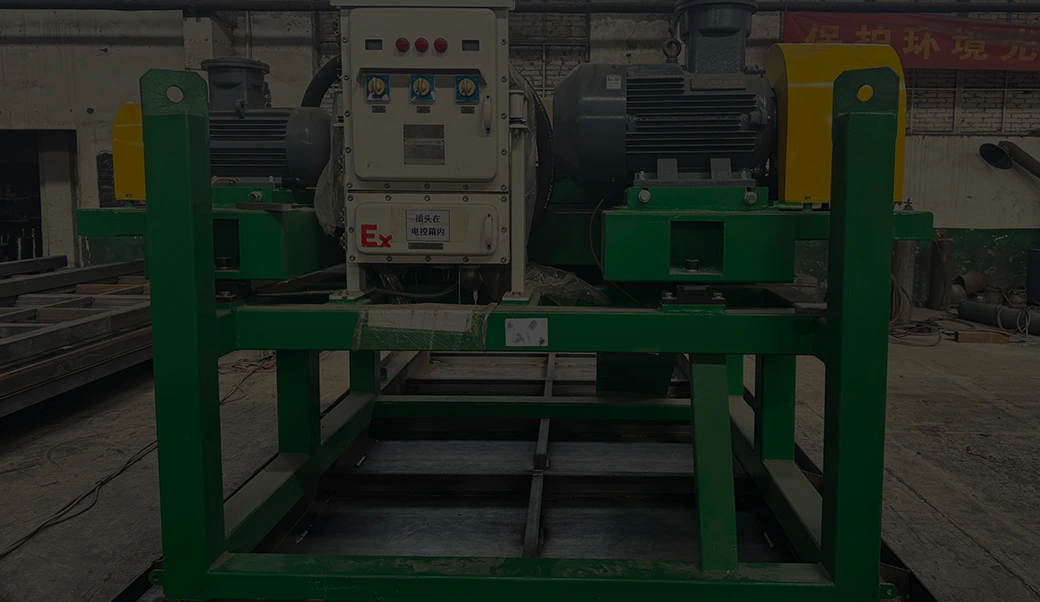
When drilling projects run late or cost more than expected, it's often because of one important piece of equipment: the Shale Shaker. This equipment has a direct effect on the quality of the drilling fluid, the speed of your operations, and your bottom line because it is the first line of defense in Solids Control Systems. Over the years, I've worked with procurement managers and drilling companies all over the United States, and I've seen how understanding performance factors can turn everyday tasks into competitive benefits. Shale Shaker performance affects more than just productivity on the rig floor. It also affects choices about what to buy, how much to spend on maintenance, and the total cost of drilling. Whether you're in charge of drilling projects on land in Texas or platforms in the Gulf of Mexico, knowing what makes a Shale Shaker work lets you buy equipment that will save you time and money and make fluids last longer. This guide talks about the technology, operational, and mechanical factors that affect how well your solids control equipment works in tough field situations.
Understanding Shale Shaker Performance Fundamentals
Through high-frequency shaking screening, a Shale Shaker's main job is to separate drill cuttings and solid pieces from drilling mud. As the drilling fluid with rock pieces comes back from the wellbore, vibration motors move the screens in a straight line or an oval pattern. The solids stay on the screen and are sent to waste management systems. The cleaned liquid, on the other hand, flows through and goes back to the active mud system to be used again downhole.
Core Operational Principles
Vibration processes are at the heart of how well the division works. These days, systems use one or two vibration motors to make controlled motion patterns that let drilling fluid move quickly across screening surfaces. Based on the needs of the application, the vibrational strength, which is recorded in G-force units, is usually between 4G and 8G. Linear motion paths are best for getting rid of large amounts of solids quickly, while elliptical motion patterns make screens last longer by lowering the impact of particles at discharge points.
Essential Performance Metrics
There are three main factors that determine the success of an operation: throughput capacity, separation efficiency, and screen longevity. Throughput capacity is the amount of drilling fluid that is processed per unit of time, separation efficiency is the percentage of target-sized solids that are removed, and screen longevity is the number of operational hours before replacement is needed. Processing capacity depends on the size of the screen. Under normal conditions, a single-deck unit can handle 400 to 800 gallons per minute. The choice of API mesh affects how well the particles are separated; finer screens catch smaller particles but may slow down flow rates.
Equipment Classifications
Shale Shakers are divided into different groups based on how they are designed and what they are meant to do. For workovers or building projects, fixed sites can be moved around, while portable units can be permanently attached to mud tank systems on land rigs. For manual systems, the operator has to change the deck angles and vibration settings. Automatic systems, on the other hand, have sensors and control systems that allow them to automatically find the best settings. High-frequency types that run above 3600 RPM are better for getting rid of fine solids, while standard-frequency equipment is better for making rough cuts.
Key Factors Affecting Shale Shaker Performance
How well solids control equipment works in the field depends on a number of factors that are all connected to each other. Mechanical design elements, working factors, and repair procedures all play a big role in how well and reliably a system works as a whole.
Mechanical Design Elements
Separation rates and screen filling capacity are directly affected by the magnitude of the vibration. Higher G-force equipment speeds up the movement of particles across screens, which improves solids discharge but may also speed up the wear on both the screening media and the structural parts. The ZC Single Shale Shaker has a linear motion that is precisely built to produce vibrations of up to 8G. This removes solids quickly and effectively while keeping structural integrity with heavy-duty anti-corrosion coatings and reinforced baskets made for harsh oilfield settings.
The way the screen is set up is just as important, and the choice of mesh size is what balances the flow of fluids with the need to keep particles in the screen. It is possible for larger particles to pass through coarser screens, but not for smaller ones. On the other hand, finer meshes catch more solids but have less capacity and a higher blinding potential. Screen layering systems that use finer and finer meshes from the feed point to the discharge point achieve both goals at the same time.
Operational Variables Impacting Results
Feed rate management has a big effect on how well separation works. Too much flow through screens causes fluid bypassing and premature blinding, while not using the equipment to its full potential loses space and adds unnecessary time to the working process. Properties of drilling fluids, such as their viscosity, mass, and chemical makeup, affect how well they move through screen holes. High-viscosity muds don't easily flow through mesh holes, which could lead to fluid loss and a smaller effective screening area.
Operator skill is still an important factor that is often overlooked. People with a lot of experience can spot small changes in performance that mean problems are starting to form. They can then adjust the settings of the equipment to match the changing drilling conditions and take corrective action before small problems turn into expensive failures. Training programs that teach people how to improve deck angles, track vibration patterns, and figure out how loaded a screen is can make equipment last longer and separate materials more efficiently.
Maintenance Considerations
Changing the screens on a regular basis is the most important maintenance task that affects long-term performance. Using tools with screens that are broken or worn out makes separation less effective and speeds up the wear on the supporting structures. Modern equipment has fast-change screens that make replacement much faster, which cuts down on unplanned downtime. Setting replacement schedules based on operating hours instead of just eye inspection makes sure that performance standards are always met.
Screen blinding, strange vibrations, and not enough processing power are all common operating problems that are usually caused by choosing the wrong screen, setting the shaking parameters incorrectly, or putting off maintenance. Screen blinding happens when particles that are close to the screen get stuck in the holes in the mesh, gradually reducing the area that can be screened. This problem is usually fixed by changing the API mesh grade or the deck angle. Unusual vibration patterns can be a sign of a motor imbalance, loose mounting hardware, or structural fatigue that needs to be fixed right away to avoid a catastrophic failure. Most of the time, not enough capacity is caused by overfeeding, choosing the wrong screen, or too much screen wear that reduces the useful hole size.
Technology and Innovation Driving Performance Improvement
Recent advances in technology have turned solids control equipment from simple mechanical devices into complex systems with smart features and better materials. These innovations make operations more efficient, tools last longer, and they are better for the environment.
Advanced Screen Materials and Construction
The frames of modern viewing media are made of composite materials, which are stronger and lighter than standard steel frames. Composite screens don't rust when exposed to harsh cutting chemicals, keep their shape when they're vibrated at high frequencies, and are easier to handle when they need to be replaced. Pretensioned mesh production methods make sure that the opening sizes are the same across the whole surface of the screen. This gets rid of the weak spots that usually cause screens to break early. Polyurethane gluing systems that hold mesh to frames are better at withstanding changes in temperature and chemical exposure than regular glue. This means that screens can be used for longer in harsh field conditions.
Smart Automation and Monitoring Systems
When sensors and control systems work together in a Shale Shaker, they can improve performance in real time, which wasn't possible when everything was done by hand. By continuously monitoring G-force levels and motion patterns, vibration sensors can automatically adjust the motor speed to accommodate changing load conditions or worn parts. Flow rate tracking identifies cases of overfeeding and triggers alarms before the screen becomes blocked. When the viscosity of the fluid changes, the automated deck angle adjustment maintains optimal screening conditions even though the properties of the mud vary during drilling operations. These features reduce the need for manual intervention, lower the risk of human error, and enable less experienced workers to achieve performance levels that previously required extensive field experience.
Environmental and Safety Enhancements
Noise reduction technologies help operators meet the stricter rules set by regulators while also improving safety in the workplace. Vibration-dampening mounting systems keep equipment away from structures that hold it up. This cuts down on noise transmission and increases the service life of tank systems. Enclosed screen areas keep drilling fluid spray from polluting the environment and make it safer for people to be around working equipment. Protection class scores of IP55 or higher make sure that the device will work reliably in dirty, wet places like digging sites. These environmental concerns are in line with the oil industry's growing focus on environmentally friendly drilling methods and social responsibility programs.
Comparative Analysis: Choosing the Right Equipment for Your Application
To choose the right material control tools, you need to know how the different technologies work together in integrated mud systems. Shale Shakers are the main machines used to get rid of rocks. Desanders, desilters, and centrifuges work on smaller and smaller particles that can pass through screening screens.
Equipment Role Differentiation
Shale Shakers are great at getting rid of bits bigger than 74 microns, and they can handle most of the solids from drilling for a low cost. Hydrocyclone-based desanders and desilters remove particles that are between 15 and 74 microns in size. They are used as a second step before expensive centrifuge processing. Centrifuges can get rid of very small solids (less than 15 microns) and control the properties of fluids by recovering barite, but they need a lot of power and need to be operated by people who know what they're doing. Knowing these different roles keeps equipment from being used in the wrong way and ensures that the system is designed in a way that saves money.
Evaluation Criteria for Equipment Selection
Technical specs tested in a perfect lab environment are less important than performance reliability in the field. Extremes in temperature, constant vibration, chemical exposure, and rare hits from drilling debris are all things that equipment has to deal with in order to keep separating things efficiently. After-sales support, such as the availability of spare parts, technical help, and warranty coverage, has a direct effect on the continuity of operations. These worries are taken care of by Shaanxi Xixian New Area Zhongcheng Machinery Manufacturing Co., Ltd., which offers full one-year warranties, quick technical support, and replacement screens that can be shipped within three days.
The total cost of ownership includes more than just the price of the item itself. It also includes the costs of installation, running the item (including power and supplies), repairs, and the amount of time it is expected to last. Modern equipment has a small, integrated single-deck frame that makes installation easier and lowers the amount of room needed on drilling platforms. Simple designs with fewer service points and smart component patterns reduce the amount of work that needs to be done on upkeep, and long-lasting buildings with wear-resistant materials and protection coatings make things last longer in harsh conditions.
Practical Sourcing Considerations
Original equipment makers and aftermarket providers have to make choices about what to buy by weighing the benefits of saving money on costs against the need for performance assurance and support available. OEM equipment is guaranteed to work with other products, comes with full technical documentation, and comes with manufacturer support. Aftermarket alternatives may be cheaper, but they may not be worth it if they don't work well or aren't compatible. When looking at suppliers, make sure they have certifications like ISO 9001, ISO 14001, ISO 45001, and industry-specific standards like HSE, TÜV, and BV approvals that show they care about quality management and the environment.
The reputation of the supplier and their experience in the field are good signs of a long-term partnership. Manufacturers with decades of experience in the field know how to deal with operating problems that rivals with shorter track records might miss when designing equipment such as a Shale Shaker. Shaanxi Xixian New Area Zhongcheng Machinery Manufacturing Co., Ltd. has been in business for more than 30 years, has more than a dozen patents, and has production sites that can make 200 full mud drainage systems every year. This mix of new technology and large-scale production helps both small drilling companies and big EPC projects that need a variety of reliable equipment solutions.
Best Practices to Maximize Equipment Effectiveness
It's not enough to just choose high-quality tools to get the best performance. Good operational practices and maintenance habits decide whether academic skills show up in real life. Structured methods for operating and maintaining equipment lead to measurable changes in how well it works and how reliably it works.
Operational Optimization Guidelines
Taking care of feed conditions is the most important operating practice right now. By placing flow distribution boxes or mud guns so that drilling returns are spread out evenly across the screen width, you can avoid localized overloading that leads to premature blinding and fluid bypass. Keeping an eye on flow rates while drilling and adjusting pump outputs to match equipment capacity keeps screens from getting too full during times of high penetration rates. By choosing screening media that are compatible with the properties of the drilling fluid and the rock, you can find the best mix between how well solids are removed and how much can be processed. This is because there isn't usually a single best mesh size that works for all well programs.
Drilling crews and mud engineers need to be able to talk to each other well so that equipment adjustments can keep up with changing conditions downhole. When going from soft formations that make fine cuttings to harder rocks that make coarse fragments, the screen and parameters need to be changed to match. Planning for these changes in advance through drilling plans instead of responding after problems happen saves time and keeps fluid quality stable.
Structured Maintenance Programs
Every day, you should check the screen for damage, make sure the fixing hardware is tight, look for strange sound patterns, and make sure the motor bearings are properly oiled. Every week, you have to check the deck angle settings, look closely at the screens for wear patterns that could mean problems are starting, and check the links for the waste management system and release conveyors. Maintenance that is done once a month includes checking the vibration motor, looking for fatigue cracks in structural parts, and going over performance records to find patterns of wear and tear that need to be fixed before they break.
Keeping detailed maintenance logs that record when screens need to be replaced, what repairs need to be done, and any performance observations makes it possible to make decisions based on historical data. Patterns in screen life, failure modes, and performance differences can help engineers figure out which working practices need to be changed and which equipment weaknesses need to be fixed. These records are also very helpful for figuring out whether the performance of the equipment is good enough to keep using it or whether it needs to be replaced with newer technology.
Leveraging Manufacturer Support Resources
Suppliers of equipment offer professional support that goes beyond the original setup and start-up. In-depth operation and maintenance manuals include troubleshooting tips, lists of replacement parts, and suggested service intervals based on years of experience in a wide range of applications. Training programs led by officials from the maker make sure that workers and repair staff know what the equipment can do and how to use it correctly. Many suppliers have technical support hotlines staffed by experienced engineers who can help quickly when field workers run into problems they don't know how to solve or need advice that is specific to their application.
Forming ties with suppliers who put customer satisfaction at the center of their business creates long-term value that goes beyond short-term deals. Instead of just trying to sell you products, suppliers who care about customer service take the time to understand your practical problems and suggest solutions that will help you reach your business goals. This way of working together is especially helpful when planning to expand a facility, looking at new digging programs, or fixing long-lasting operating problems that need specialized Knowledge.
Conclusion
To get the most out of a Shale Shaker, you need to understand how its mechanical design, operating procedures, and technological powers all work together. Vibration intensity, screen setup, feed management, and servicing habits all play a big role in how well separation works and how reliable the equipment is. Modern improvements like better materials, automation features, and better environmental conditions have turned these basic solids control devices into complex systems that can adapt to changing conditions while making operations simpler. Instead of just looking at the initial purchase price, choosing the right equipment means looking at how well it works, how reliable it is, how much it costs to own, and how much it costs to support after the sale. Using structured operational practices and maintenance programs makes equipment work better, last longer, and waste less time that could be used for other things, which directly affects the economics of drilling.
FAQ
How often should screens be replaced to maintain peak performance?
Instead of being set at a certain time, how often screens need to be replaced depends on the conditions of the drilling, the properties of the formation, and the properties of the fluid. If the formations are rough, the screen may need to be replaced every 40 to 60 hours of use. If the formations are smooth, the screen may last longer than 100 hours. Replacement indicators that are based on separation efficiency and discharge quality are more accurate than plans that are made up on the spot. If you see damage to the mesh, more fluid loss in the solids that come out of the discharge, or a loss of working ability, you need to change it right away, no matter what time it is. Having extra screens on hand keeps production from being held up when replacements are needed at the last minute.
What efficiency differences exist between high-frequency and standard equipment?
When high-frequency units work above 3600 RPM, they create more vibrating acceleration, which makes it easier to remove fine solids and get liquid back from cuts than with standard-frequency equipment. This improved performance helps businesses that use pricey synthetic-based fluids, where higher equipment costs are necessary to get the most out of the fluids. Standard-frequency shakers are more cost-effective for water-based mud applications that only need a moderate amount of separation. When doing a total cost study, you need to take into account the fact that high-frequency equipment usually uses more power and parts wear out faster. Frequency selection decisions should be based on application-specific needs, not on which frequency is best in every situation.
How does automation reduce downtime and maintenance costs?
Automated systems constantly adjust operating parameters to match changing drilling conditions without any help from a person. This keeps equipment from losing performance over time when it is used in less-than-ideal conditions. Real-time monitoring finds problems as they start to happen early, so planned maintenance can be done during planned downtime instead of having to be done quickly during drilling operations. Automated deck angle change and shaking control make the job of operators easier, so they can focus on more important tasks while still getting the job done consistently. These abilities directly lead to less time spent on non-productive tasks, longer component life through better working conditions, and less work needed for regular changes.
Unlock Superior Solids Control Performance with Proven Equipment Solutions
Shaanxi Xixian New Area Zhongcheng Machinery Manufacturing Co., Ltd. makes high-performance Shale Shaker solutions that are designed to handle tough drilling jobs. Our ZC Single Shale Shaker is both small and strong, and it can produce vibrations of up to 8G while still meeting IP55 safety standards for use in tough oilfield conditions. As a Shale Shaker maker with more than 30 years of experience and multiple patents, we can make setups that are exactly what your rig needs, from choosing the motor to making sure the dimensions are right. Our full support includes installation instructions, help with commissioning, full technical documents, a one-year guarantee, and quick service. Email our engineering team at oliver@zcgukong.com to talk about how our tried-and-true tools and knowledge with different applications can help you improve solids control and lower your costs.
References
1. American Petroleum Institute (2019). "Recommended Practice for Drilling Fluid Processing Systems Evaluation - API RP 13C," Eighth Edition, Washington, D.C.
2. Bourgoyne, A.T., Millheim, K.K., Chenevert, M.E., and Young, F.S. (2020). "Applied Drilling Engineering," Society of Petroleum Engineers Textbook Series, Richardson, Texas.
3. International Association of Drilling Contractors (2021). "Drilling Manual: Solids Control and Waste Management," Twelfth Edition, Houston, Texas.
4. Mitchell, R.F. and Miska, S.Z. (2018). "Fundamentals of Drilling Engineering," Society of Petroleum Engineers Textbook Series, Richardson, Texas.
5. National Oilwell Varco (2022). "Solids Control Equipment: Design Principles and Field Applications," Technical Manual Series, Houston, Texas.
6. World Oil Magazine (2023). "Advances in Drilling Fluid Solids Control Technology," Annual Equipment and Services Catalog, Gulf Publishing Company, Houston, Texas.