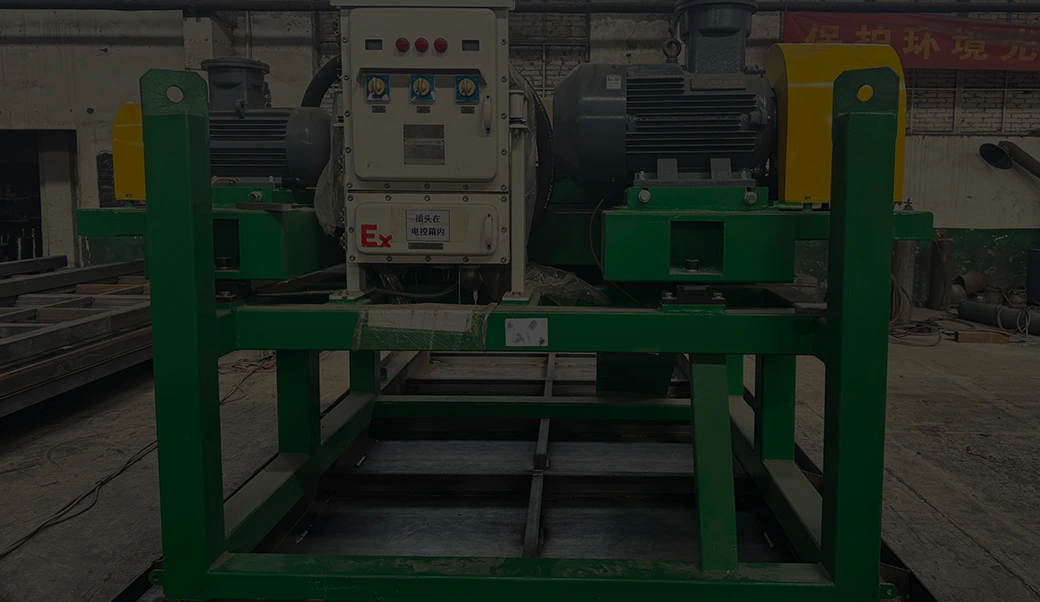
A mud cleaner genuinely improves drilling fluid recovery and cuts waste costs — and the evidence from field operations supports this clearly. By combining desanding, desilting, and underflow screening into one integrated unit, it removes fine solids between 15 and 74 microns that primary shale shakers miss entirely. This targeted removal prevents the gradual degradation of expensive drilling fluids, reduces the volume of waste requiring disposal, and lowers compliance-related expenditures. For any drilling operation managing tight budgets and environmental obligations, this equipment delivers measurable returns.
Understanding Mud Cleaners and Their Role in Drilling Fluid Recovery
When it comes to rigs, drilling fluid is one of the most important and expensive consumables. When fine solids build up in the system that moves fluids around without being properly removed, the fluid gets thicker, its rheological qualities change, and the cost of keeping the mud useful goes up very quickly. In the second and third steps of the filtering chain, a solids control unit that is set up correctly takes care of this exact issue.
How the Three-Stage Separation Process Works
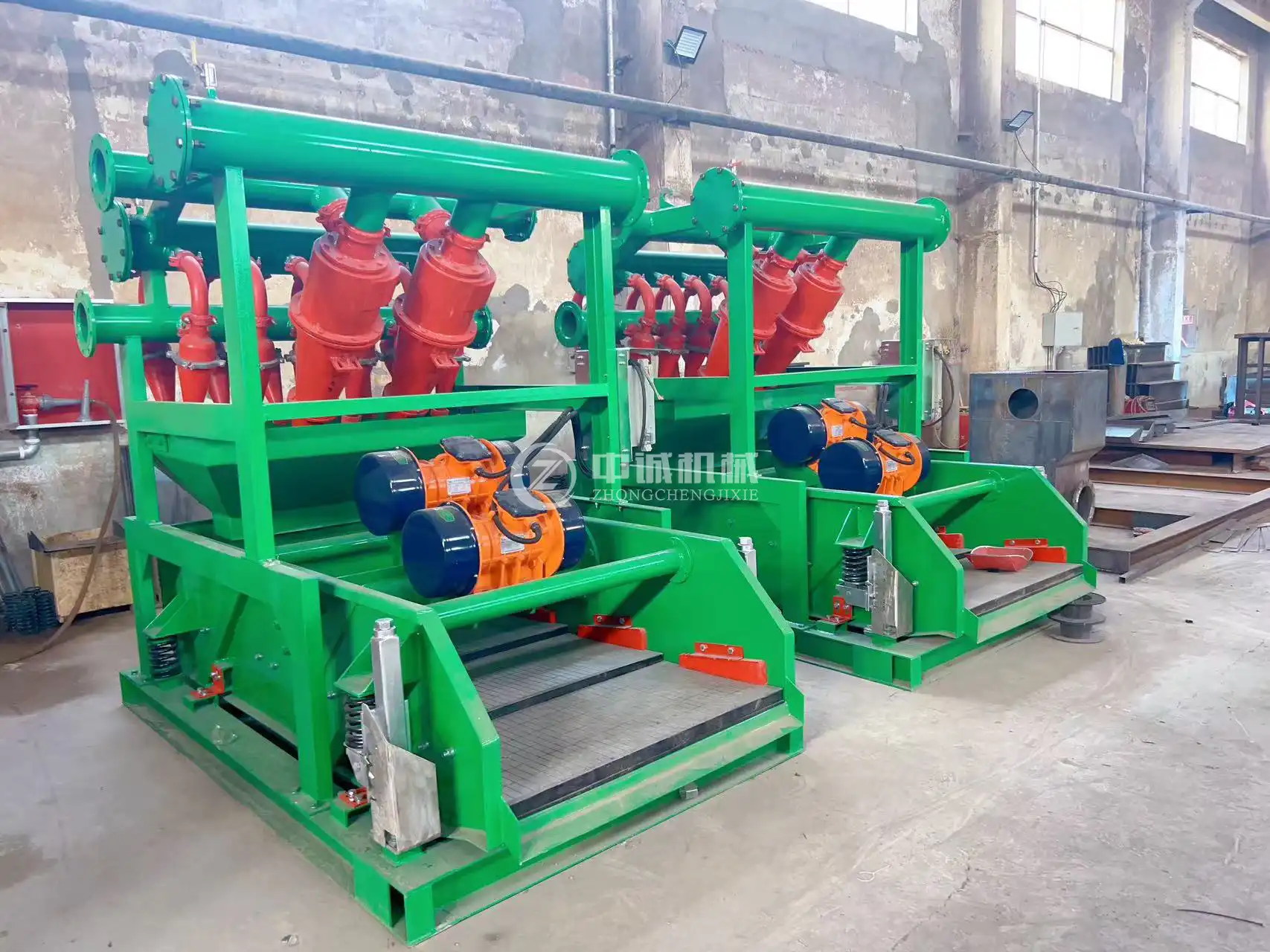
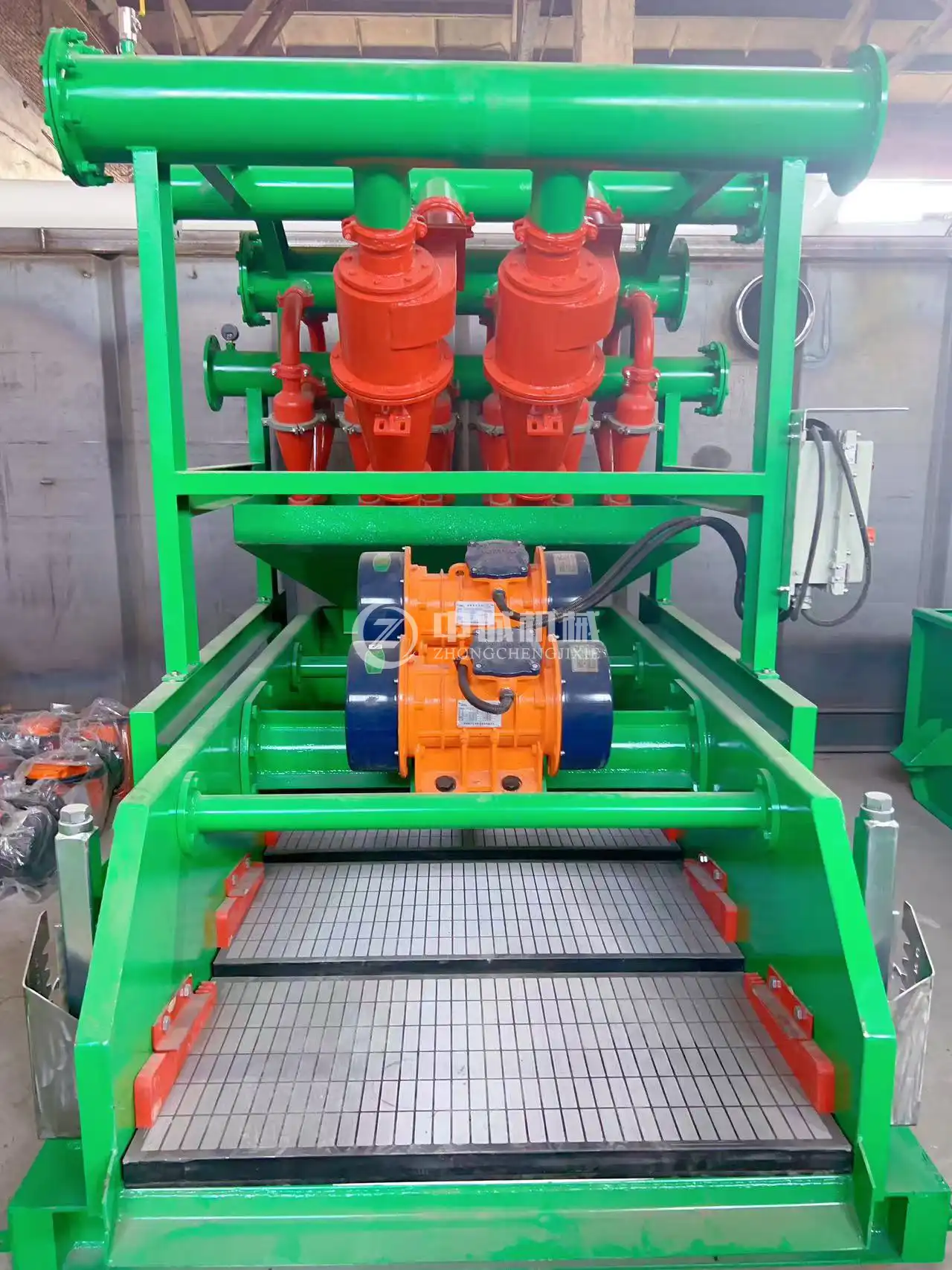
The ZC Series integrated unit is a small machine that has an underflow shale shaker, two desanders with 10" cones each, and a desilter with 12" cones each. First, the fluid goes through the desander cones, which remove medium-sized solids. Next, it goes through the desilter cones, which remove particles smaller than 15 microns. The underflow shaker under both cone arrays collects the liquid phase that comes out of the cyclones instead of throwing it away. This is a key difference from solo cyclone units. This process works well with medium- to deep-well rigs because it can handle 120 to 320 m³/h, which is about 1,000 to 1,200 GPM. This leads to cleaner fluid being returned, dry cuttings being sent out, and a significantly lower rate of fluid loss per hour of drilling.
How Mud Cleaners Reduce Waste Costs and Environmental Impact
Managing waste from oilfield operations is not only an environmental concern; it also creates high costs. Transporting, treating, and completing regulatory documentation for liquid drilling waste can substantially increase overall operating expenses. If solids are allowed to accumulate in the mud system without effective removal, operators may need to add costly new fluid or dispose of the contaminated mud entirely, both of which increase costs and create additional environmental burdens. A properly selected mud cleaner helps remove unwanted solids before they build up, reducing fluid waste and improving the efficiency of the drilling fluid system. By using a reliable mud cleaner as part of an effective solids control process, operators can lower waste-handling costs, reduce the need for replacement drilling fluid, and support more environmentally responsible oilfield operations.
Quantifiable Savings Through Fluid Recycling
Integrated solids control equipment consistently lowers the amount of drilling fluid needed by keeping the liquid phase that separate desanders and desilters release with their underflow. When oil- or synthetic-based fluids are used in weighted mud systems, the value of the recovered liquid every day can be thousands of dollars. In addition to saving fluid, less waste means less hauling, lower disposal site fees, and more compliance with stricter environmental rules in U.S. oilfield jurisdictions, such as EPA guidelines for reserve pit management and zero-discharge initiatives.
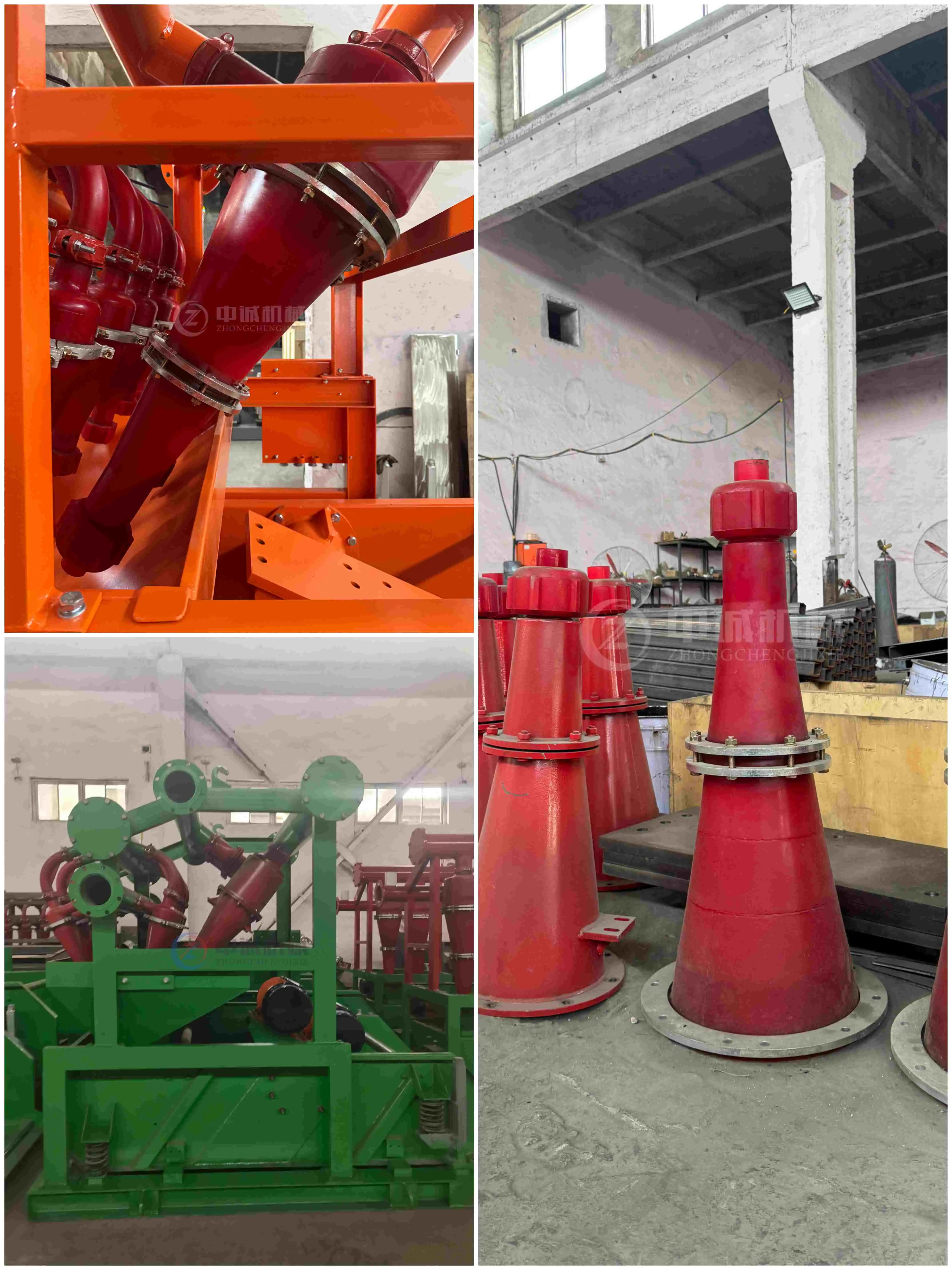
The ZC Series unit can handle these stresses in real life. Its 100% polyurethane hydrocyclones don't break down chemically when exposed to strong mud additives, so they can keep separating things for long campaigns without having to be replaced often. The slope of the underflow shaker deck can be changed by hand or with hydraulics. This lets you react instantly to changes in the viscosity of the mud, which would otherwise make the cuts wetter and cause more fluid to be lost.
Here is a summary of the core operational benefits this equipment delivers on-site:
- Fluid Recovery Maximization: The underflow shaker collects liquid that comes out of cyclone cones. This cuts down on expensive mud loss and keeps the active fluid volume steady during the drilling program.
- Drier Cuttings Discharge: Adjusting the deck angle by hand or hydraulically lets workers fine-tune the dryness of the cuttings in real time, lowering the amount of liquid that moves with the solids and the amount of waste that needs to be thrown away.
- Compact, Space-Efficient Design: The combined structure takes up a lot less tank-top room than three separate units. This is helpful on crowded rig decks and urban building sites where platform space is limited.
- Durable PU Cyclone Construction: Polyurethane cones don't wear down or corrode in chemically active mud environments, so they last longer between service calls and make it easier for rig teams to do maintenance while operations are going on all the time.
The total cost of fluid control goes down because of these benefits, both when the equipment is bought and during its full useful life.
How to Choose the Best Mud Cleaner for Your Drilling Needs
To choose the right unit, you need to make sure that the equipment's specs match the conditions in the field, instead of just using a standard configuration. The most obvious factor is processing capacity. For example, a unit rated at 120 m³/h will not be big enough for a deep well rig that needs to circulate at high flow rates, while an oversized unit on a shallow formation project will add extra cost to the project.
Matching Configuration to Formation and Fluid Type
The particle-size range of the formation should be considered when selecting the appropriate hydrocyclone configuration for a mud cleaner. Coarser formations with larger cut sizes generally require greater desander cone capacity, while fine, silt-heavy formations, such as those encountered in shale gas and geothermal drilling, typically require a higher number of desilter cones. For many medium- to deep-well applications, the ZC Series 2-12 configuration, with two desander cones and twelve desilter cones, provides a practical balance between processing capacity and separation performance. The API rating of the screen used with the mud cleaner must also match the expected particle-size range. Improperly matched screens can become blinded prematurely or fail to remove solids effectively, both of which can reduce recovery efficiency. Selecting the correct cone configuration and screen rating allows the mud cleaner to maintain more consistent solids control performance under different formation conditions.
It's also important that the new solids control train works well with the old one. The extra unit should be able to connect easily to the degasser upstream and the centrifuge downstream, without causing any problems with flow or pressure. The ZC Series allows for easy changes to the number of cyclones and small structural changes to fit tank-top shapes that aren't very big or small. This makes it easier to integrate on upgrade projects and older rigs.
Optimizing Performance for Maximum Fluid Recovery
When feed pressure is out of the recommended range, even well-specified equipment doesn't work as well as it should. Standard working pressure for hydrocyclone dividers is between 25 and 40 psi, which is about 75 to 90 feet of head. It's not recommended to work below this range because it leads to partial separation. Working above it speeds up apex wear and can change the cone discharge pattern from a spray pattern to a rope pattern, which is a clear sign of wear or plugging. The easiest and most reliable diagnostic check that rig crews can do is look at the discharge pattern every day.
One of the most common performance problems affecting a mud cleaner is screen blinding. Operators should select the appropriate screen mesh based on the current mud weight and solids concentration, while also monitoring the differential pressure across the shaker deck. Screens should be replaced before the blinding level becomes severe enough to cause fluid bypass and reduce separation efficiency. By performing regular pressure checks, tracking screen conditions, and reviewing cyclone apex performance, operators can establish a preventive maintenance schedule for the mud cleaner that keeps fluid recovery running smoothly without creating unnecessary downtime. Proper maintenance of the mud cleaner therefore helps maintain consistent solids control performance and reduces the risk of unexpected operational interruptions.
Future Trends and Innovations in Mud Cleaner Technology
The design of material control systems is changing because of automation and digital integration. Operations teams can find separation efficiency losses before they become fluid loss events with the help of real-time flow tracking, vibration sensors on shaker decks, and remote troubleshooting. Smart mud management tools can connect solids control data to mud weight and rheology logs. This gives engineers a fuller picture of the well's fluid state.
Environmental pressure from project owners and regulators is speeding up the use of closed-loop drilling systems, which have integrated separation equipment as a key part. As zero-discharge rules spread to more U.S. areas and foreign markets, owners who have already bought good secondary and tertiary solids control equipment will be ahead of the curve when it comes to future projects.
Conclusion
Properly selected and maintained solids control equipment at the secondary and tertiary stages can improve drilling fluid recovery, reduce the volume of waste requiring disposal, and lower the overall cost of the mud system. The ZC Series mud cleaner meets these requirements through its 3-in-1 architecture, durable polyurethane hydrocyclones, and adjustable underflow shaker. By combining multiple separation functions in a single unit, the mud cleaner can help operators maintain more efficient solids control while reducing fluid losses and waste-handling requirements. For drilling contractors, oilfield service companies, and geotechnical project managers facing high cost and regulatory pressures, a reliable mud cleaner can provide long-term operational and economic benefits that continue well beyond the initial equipment purchase.
FAQ
How often should a mud cleaner be maintained to ensure optimal performance?
Visual checks of cyclone discharge patterns should be done every day. Every shift, operators should check the state of the apex. If the discharge changes from a spray to a rope form, the apex probably needs to be cleaned or replaced. Every 8–12 hours when heavy solids are being loaded, the condition of the screen should be checked. When the machine is running all the time, the rotating motor, deck angle mechanism, and cone clamp links should all be checked more thoroughly once a week.
Can a mud cleaner be integrated with existing solids control equipment on-site?
Yes. The ZC Series allows for customized structural configurations, such as small designs for tank tops with limited space. This makes it possible to integrate with existing shale shakers, degassers, and centrifuges in both new constructions and retrofits. The number of cyclones and the size of the cone can be changed to match the flow rates of the current system without making big changes.
What factors most influence the price of a mud cleaner?
The main things that affect the cost are the processing capacity (m³/h or GPM rating), the number of hydrocyclones and the material of the cones (polyurethane vs. ceramic), the underflow shaker motor specification, and the need for structural customization. Prices are also affected by certifications like ATEX for use in dangerous areas and custom motor setups for harsh conditions. The total cost of ownership, which includes the availability of spare parts and the length of time the product will be useful, is usually a better way to buy something than just looking at the unit purchase price.
Partner with ZHONGCHENGJIXIE for Reliable Mud Cleaner Solutions
ZHONGCHENGJIXIE offers the ZC Series as a proven Mud Cleaner manufacturer with over 30 years of industry expertise, ISO 9001/14001/45001 certification, and TÜV & BV approval. Our team delivers customized configurations, competitive pricing, and complete technical support from engineering drawings through commissioning. Contact Us at oliver@zcgukong.com or visit zcsolidscontrol.com to request specifications and a project-specific quotation.
References
1. American Petroleum Institute. API RP 13C: Recommended Practice on Drilling Fluids Processing Systems Evaluation. API Publishing Services, 2010.
2. Bourgoyne, A.T., Millheim, K.K., Chenevert, M.E., & Young, F.S. Applied Drilling Engineering. Society of Petroleum Engineers, 1986.
3. Caenn, R., Darley, H.C.H., & Gray, G.R. Composition and Properties of Drilling and Completion Fluids. 6th ed., Gulf Professional Publishing, 2011.
4. Drilling Contractor Magazine. Solids Control: Managing the Mud System for Performance and Compliance. IADC, 2018.
5. Growcock, F., & Harvey, T. Drilling Fluid Management: Best Practices for Solids Control and Waste Minimization. SPE Paper 168950, Society of Petroleum Engineers, 2014.
6. U.S. Environmental Protection Agency. Environmental Regulations for Exploration and Production Waste Management in the Oil and Gas Industry. EPA Office of Solid Waste, 2019.