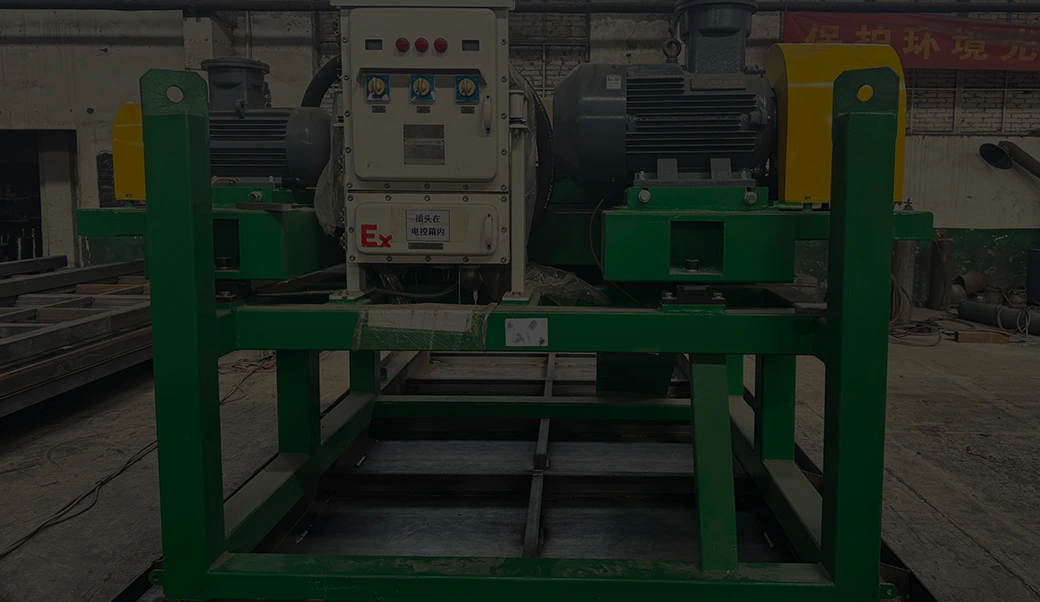
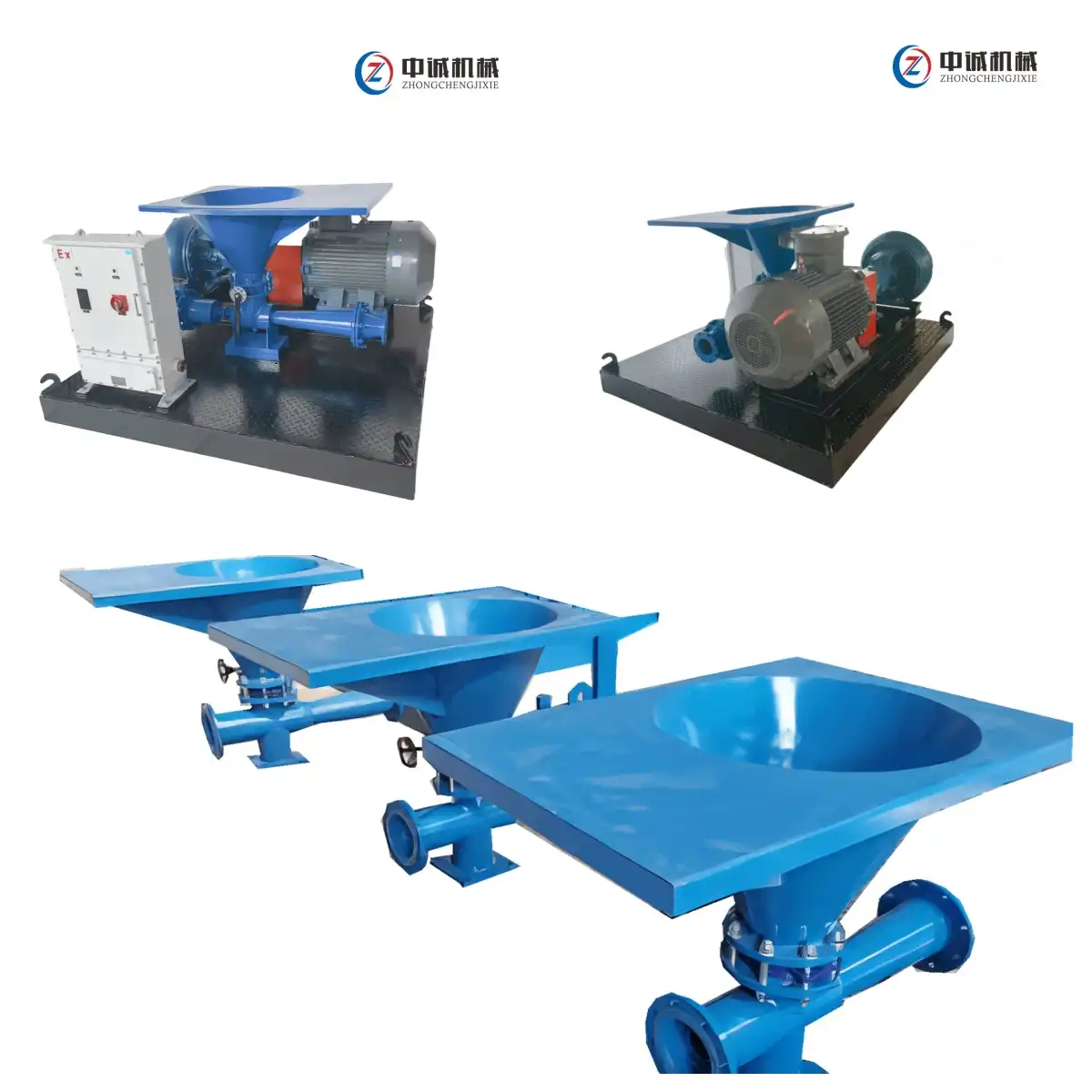
A jet mud mixer is the primary equipment for drilling fluid preparation and weighting on active drilling sites. It works by driving a high-velocity fluid stream through a Venturi nozzle, creating a vacuum that pulls dry additives — barite, bentonite, polymers — directly into the base fluid for rapid, uniform blending. For oilfield contractors managing operations from 1,000 m to 9,000 m depth, this device keeps mud weight and rheological properties on target, cuts batch preparation time, and reduces the risk of wellbore instability caused by inconsistent fluid density.
Understanding Jet Mud Mixer Technology
The Venturi Principle in Practice
In every jet mixing unit, the Venturi hopper structure is what makes it work. At the intake, a centrifugal pump usually puts out 0.25 to 0.4 MPa of pressure, which forces fluid through a tube that is coming together. The sudden rise in speed lowers the pressure in the area below atmospheric, which creates suction at the throat of the hopper. Dry solids move into this area with no air flow and enter the high-shear jet, where they quickly break apart and spread out. With this physical process, the clumping (often called "fish-eyes") that happens with paddle-type agitators when working with plastics or fine weighting materials is eliminated.
Single-Jet vs. Dual-Jet Configurations
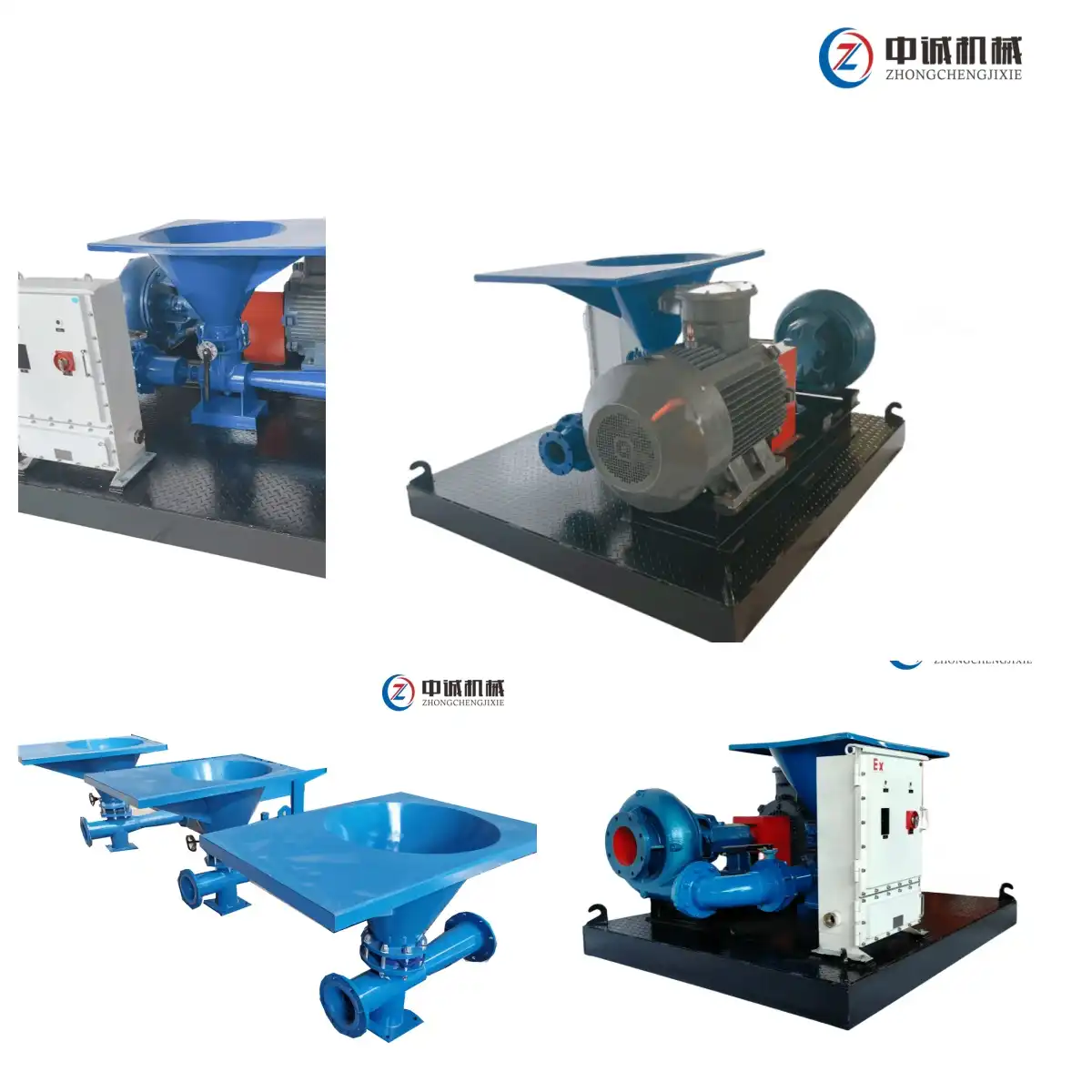
ZHONGCHENGJIXIE has two basic sets that can be used with a range of rig sizes and processing needs. With a motor rating of 37 kW, the single-jet unit has one hopper and one pump. It can dispense 60–80 kg/min. The dual-jet machine has two hoppers and two pumps, and it can move 80–100 kg/min at 55 kW. Skid-mounted or pipe-separated installation is possible with both configurations, giving rig crews real flexibility when space on the tank top is limited. A drilling engineer can choose the right output without giving too much information about the cost of capital.
Material and Protection Standards
Nozzles in areas with a lot of sand are made from wear-resistant chromium alloy that can operate for 1,500 to 2,500 hours before noticeable performance loss. For a jet mud mixer, the hopper, manifold, and butterfly valves can be manufactured from full stainless steel (SS316) for offshore or high-salinity environments. The electrical protection rating of a jet mud mixer should be at least IP55, while motors should have appropriate explosion-proof certification for Zone 1 and Zone 2 hazardous locations where required. All jet mud mixer units should be manufactured under applicable quality and safety management requirements, such as ISO 9001, ISO 14001, ISO 45001, and HSE procedures, with TÜV or BV approval where specified by the project. These certifications and compliance documents are commonly reviewed during international procurement audits for jet mud mixer equipment.
Benefits of Jet Mud Mixers in Reliable Fluid Preparation
There are two main ways that oilfield workers lose money: drilling fluid that is lost and downtime that wasn't planned. A jet mixing device of the right size takes care of both at the same time.
Here are the most important ways that this equipment improves daily operations:
- Uniform mud concentration in a single pass. The high-shear Venturi jet completely disperses additives without secondary mixing. This eliminates weight variation across the active pit and reduces the volume of chemical additive needed per batch, directly cutting material cost.
- No clogging under continuous operation. The optimized ejector flow passage maintains a clear material path even when handling heavy barite slurries. Crews report far fewer stops for line clearing compared to centrifugal-style units, which is critical during rapid-weighting events on high-pressure formations.
- Adaptability to special formation fluids. When drilling through salt domes or reactive shale, chemical drilling fluids demand precise polymer hydration. The controlled vacuum suction rate allows the operator to feed polymers at a steady pace into the Venturi throat, achieving full hydration without gel-ball formation.
These benefits directly lead to fewer hours of non-productive work, less mud use per well, and better control over the stability of the wellbore. These are three metrics that managers of drilling operations keep an eye on in every daily cost report.
Selecting the Right Jet Mud Mixer for Your Operations
Matching Capacity to Rig Class
Different types of rigs need different amounts of mud. Running shallow wells at 1,000–2,000 m on a ZJ30 rig with a single-jet unit at 37 kW is fine. For a ZJ70 or ZJ90 rig that wants to drill to depths of 6,000 to 9,000 m, the dual-jet configuration is needed to handle the bigger pit volumes and faster weighting cycles. If you get this match right, you can avoid both poor performance and wasteful capital spending.
Power Source and Site Constraints
When there is reliable power from the grid or a generator, electric motors are a practical choice for a jet mud mixer because they provide consistent torque across the operating range. For remote locations with unstable power supplies, buyers can discuss selecting a motor from a reputable domestic or international brand that can accommodate a wide range of voltages for the jet mud mixer. As part of each order, ZHONGCHENGJIXIE allows motor customization, enabling procurement teams to configure the jet mud mixer according to local electrical standards without sourcing a separate drive package. This flexibility can simplify purchasing, installation, and commissioning of the jet mud mixer in different operating environments.
Procurement Evaluation Criteria
Before placing an order, engineering teams usually check three technical factors: the availability of inlet pressure at the pump outlet; the hopper diameter in relation to the expected rate of additive feed; and the nozzle material grade in relation to the expected abrasivity of the mud. The buyer is protected from early failures in the field by asking for hydraulic pressure test certificates (1.5× working pressure) and pump impeller dynamic balance reports during the approval stage. Every piece of equipment that ZHONGCHENGJIXIE sells comes with full technical paperwork, such as engineering drawings, flowcharts, and operation instructions.
Maintenance and Troubleshooting Best Practices
Scheduled Inspection Points
The wear on the nozzle, the condition of the butterfly valve seating, and the condition of the pump suction strainer should all be checked once a week. The first thing to check if the hopper suction gets weaker is the inlet pressure at the pump discharge. A strainer partially blocked by fine solids is the most common cause. One of the best ways to keep mixing working is to keep the rated input pressure at 0.3 MPa.
Nozzle and Wear Part Replacement
Depending on how rough the mud is, chromium metal injectors last between 1,500 and 2,500 hours. Having a set of OEM nozzle plugs on hand cuts down on extended downtime when wear is found. If you use non-OEM parts instead, there is a chance that the dimensions won't match up at the Venturi throat. This makes vacuum sucking and mixing less effective. ZHONGCHENGJIXIE backs up all of its units with a full one-year guarantee and keeps extra parts on hand to ensure a steady supply over the long term.
Common Field Issues and Quick Fixes
Polymer "fish-eyes" that show up after mixing are almost always caused by an uneven feed rate at the mouth of the hopper. Most of the time, this can be fixed by slowing down the additive feed and placing it in the middle of the Venturi vacuum zone. If the operating medium is corrosive salt-saturated mud, make sure that the unit was ordered with SS316 wetted parts. Carbon steel manifolds break down quickly in chloride-rich environments, which leads to leaks that cause unplanned shutdowns.
Procurement Guidance for Global B2B Clients
Acquisition Options and Lead Times
Within three days of receiving an order, ZHONGCHENGJIXIE ships basic jet mud mixer versions that are already in stock. Customized jet mud mixer units with modified dimensions, non-standard motor ratings, or full stainless steel construction have a production lead time of 15 days. EPC contractors responsible for keeping projects on schedule can reduce procurement-related delays by confirming jet mud mixer specifications during the engineering phase. By locking in the required configuration early, buyers can ensure that the jet mud mixer is manufactured according to the project's technical and installation requirements.
Packaging, Logistics, and Port Access
When it leaves the plant, each unit is secured during shipping by being wrapped in plastic film, covered with waterproof tarpaulins, and strapped. Depending on how the goods are shipped, pallets or wooden boxes can be used. The plant in Xingping City, Shaanxi Province, is easily accessible from both Tianjin and Shanghai ports. It can handle both full and less-than-full container loads of goods going to North America, the Middle East, and Southeast Asia. International distributors who are in charge of regional inventory can talk to the sales team directly about bulk order pricing.
After-Sales and Technical Support
With every order, you'll get help with installation and testing. The one-year guarantee covers problems with the way the product was made for both wet and dry parts. For oilfield service companies that are working on multiple projects at the same time, ZHONGCHENGJIXIE's engineering team can help with troubleshooting remotely and send technical staff to the site to set up equipment if the project requires it.
Conclusion
Jet mud mixer technology lets oilfield workers directly control the density of the fluid, the speed at which each batch is prepared, and the distribution of additives. These three factors can affect both well safety and daily operating costs. Fluid-related downtime is much less likely when operators choose a properly rated jet mud mixer, keep wear parts in good condition, and work with an approved manufacturer. With factory-direct pricing and verifiable licenses, ZHONGCHENGJIXIE's product line provides procurement teams with a technically sound and commercially viable way to source a jet mud mixer for projects ranging from shallow geothermal wells to deep oil and gas drilling programs. Selecting the right jet mud mixer configuration in advance can also help ensure stable mixing performance and efficient material preparation throughout the project.
FAQ
How is a jet mud mixer different from a centrifugal mixer?
A centrifugal mixer mixes fluids by using the energy of a spinning propeller. This works well for low-viscosity tasks but not so well for quickly weighting materials. The Venturi-driven high-shear injection in a jet mud mixer spreads out all the additives in one pass and can handle heavy materials like barite without them sticking together.
How often should the nozzle be replaced?
A chrome metal nozzle can be used for 1,500 to 2,500 hours under standard abrasive circumstances. Sites that use high-barite-density muds all the time should check the tip every 1,200 hours to find early signs of wear that could affect the consistency of the mixed.
Can the unit handle corrosive salt-saturated drilling fluids?
Yes. If you choose the full stainless steel version with an SS316 hopper and chemical-resistant butterfly valves, the unit can be used in muds that are filled with salt and in salt spray conditions offshore.
Is customization available for specific drilling rig configurations?
ZHONGCHENGJIXIE lets you fully customize the nozzle's size, motor rate, design (single or dual jet), and material grade to fit different rig classes from ZJ30 to ZJ90.
What certifications should I verify before purchasing?
Check that the product meets the requirements of ISO 9001, 14001, 45001, HSE, TÜV, and BV, and that it has an IP55 rating for electrical safety and explosion-proof motor certification for use in dangerous areas.
Connect with ZHONGCHENGJIXIE for Your Jet Mud Mixer Supply
This company, ZHONGCHENGJIXIE, has been making direct jet mud mixers for more than 30 years and has full ISO/TÜV/BV certification. They also have their own patents. Our engineering team can set up, document, and deliver on time whether you need a single unit for a ZJ50 rig or a large order for a multi-well EPC project. To get a detailed advice and quote, email us at oliver@zcgukong.com or go to zcsolidscontrol.com.
References
1. Bourgoyne, A. T., Millheim, K. K., Chenevert, M. E., & Young, F. S. — Applied Drilling Engineering, SPE Textbook Series, 1986.
2. American Petroleum Institute — API RP 13C: Recommended Practice on Drilling Fluids Processing Systems Evaluation, 2010.
3. Darley, H. C. H., & Gray, G. R. — Composition and Properties of Drilling and Completion Fluids, Gulf Professional Publishing, 1988.
4. Society of Petroleum Engineers — SPE Journal: Drilling Fluid Management and Solids Control in High-Pressure Wells, 2019.
5. International Association of Drilling Contractors (IADC) — Drilling Manual, 12th Edition, 2015.
6. Mitchell, R. F., & Miska, S. Z. — Fundamentals of Drilling Engineering, SPE Textbook Series Vol. 12, 2011.