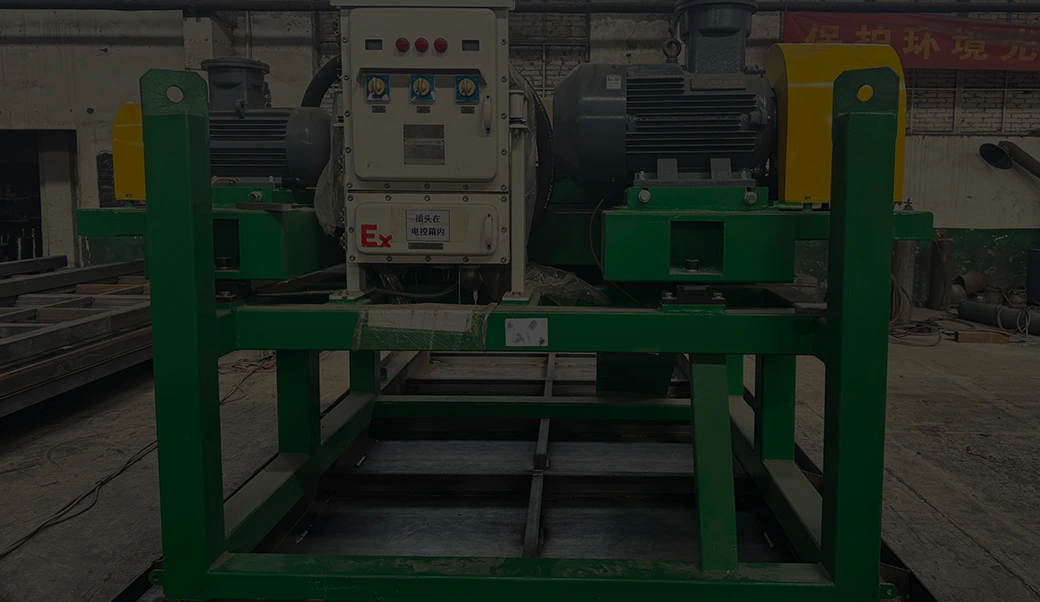
Maintaining drilling fluid purity in high-solid oilfield applications is essential to prevent equipment damage, reduce operational costs, and meet environmental regulations. A mud cleaner serves as the critical second- and third-stage solids control equipment, removing fine particles between 15 and 74 microns that primary shale shakers cannot capture. By integrating desander, desilter, and underflow shaker functions, this equipment maximizes liquid recovery while effectively eliminating harmful solids, ensuring optimal mud properties throughout the drilling process.
Understanding Mud Cleaner Technology in Oilfield Drilling
A lot of cuttings and small solids are made during drilling activities, which affect the drilling fluids. If these pieces are not removed, they make the mud thicker, speed up pump wear, and make the wellbore less stable. These problems can be solved by our ZC series Mud Cleaner, which uses advanced multi-stage separation technology that mixes hydrocyclones with high-frequency vibration screens.
How Mud Cleaners Differ from Other Solids Control Equipment
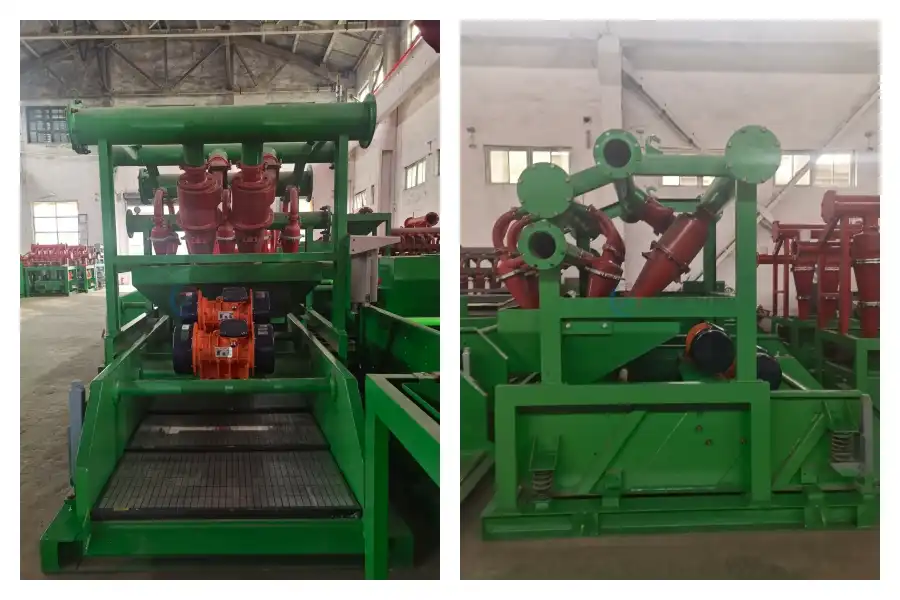
While shale shakers handle coarse solids larger than 74 microns, Mud Cleaners focus on the medium-sized particle size range that causes the most operational issues. The machine has a 3-in-1 design: desander cones (usually 2 × 10 inches) remove particles between 45 and 74 microns; desilter cones (12 × 4 inches) catch solids that are smaller, down to 15 microns; and an underflow shaker returns valuable liquid phase from the material that is released. This integration works better than desanders or desilters that work on their own, which waste expensive drilling fluids along with the solids they separate.
Operational Principles Behind Effective Separation
The method works by separating things by rotational force. Under controlled pressure (usually 25–40 psi), drilling fluid flows into the hydrocyclones. This makes a vortex that pushes heavier solids outward and downward toward the apex discharge. The lighter fluid goes up through the vortex finder and back into the active system. The material that came from below, which has both fine solids and liquid that was left over, then moves across the moving screen deck. High-performance vibratory motors make 6.5G to 8.0G of force, which moves dry solids to the discharge end while letting liquids drain through the screen.
Particle Size Range and Processing Capacity Specifications
Our ZC series machines can separate particles from 15 microns to 74 microns, and they can handle processing speeds from 120 to 320 m³/h, which is 530 to 1,410 GPM. The 2-12 cone configuration makes the best use of flow distribution and keeps individual cyclones from getting too full when solids are high. This range of capacities exactly matches the circulation rates of medium- to deep-well drilling rigs, such as the ZJ70, ZJ50, and ZJ40 models that are widely used in oilfields in North America.
Key Benefits of Using Mud Cleaners in High-Solid Oilfield Applications
When drilling in places with a lot of solids, workers are always under pressure to keep fluid quality good while keeping costs low. Choosing the right solids control equipment is more of a strategic choice than a simple purchase deal because it has a direct effect on both operating efficiency and project costs.
Extending Drilling Fluid Lifecycle and Reducing Replacement Costs
Fine solids buildup slowly weakens the qualities of drilling fluids, forcing operators to either reduce the system or replace it, which is pricey when using synthetic or oil-based muds that can cost up to $150 per barrel. Our Mud Cleaner system lowers the concentration of low-gravity solids (LGS), which keeps the mud's weight and viscosity at their best for longer periods of time. Drilling operations in the Permian Basin have seen mud replacement costs drop by 30 to 40 percent after proper secondary and tertiary solids control was put in place.
Protecting Downhole Tools and Surface Equipment
Fine solids that are abrasive wear down pump pistons, drill bit bearings, and mud motor parts like sandpaper. Wear rates speed up by an exponential amount for every percentage point increase in LGS concentration. Mud Cleaners greatly increase the usefulness of costly downhole tools by getting rid of particles before they do any harm. They also lower the need for unplanned repair on surface pumps and shakers. Drilling companies say that following the right solids control methods makes pump pistons last 25 to 35 percent longer.
Environmental Compliance and Waste Volume Reduction
Regulatory pressure on how to handle drilling waste keeps growing. By getting the most liquid out of the underflow stream, our system drastically cuts the amount of trash that needs to be thrown away. The high-frequency shaker successfully removes water from released cuttings, leaving behind drier solids that take up less space and are cheaper to move and get rid of. This feature comes in handy for activities that take place at sea or in areas that are sensitive to the environment and require zero-discharge or closed-loop systems.
Mud Cleaner vs Other Solids Control Equipment: Making the Right Choice
To know when to use certain solids control equipment, you need to look at both operational priorities and particle size targets. Each technology has its own place in the solids control system as a whole.
Complementary Roles Within the Solids Control Chain
Shale shakers are the first line of defense because they use rotating screens to get rid of bits bigger than 74 microns. For particles between 15 and 74 microns, Mud Cleaners handle intermediate and tertiary cleaning. Centrifuges are the last step in the cleaning process. They get rid of solids that are less than 10 microns in size and recover barite from weighted mud systems. When you try to use one technology instead of another, you either end up handling things less efficiently or losing too much fluid.
Advantages Over Separate Desander and Desilter Units
In traditional systems, the desanders and desilters are mounted individually, and the waste water and underflow go straight into waste pits. This results in a lot of liquid loss. The underflow is caught by our built-in Mud Cleaner on the vibrating screen, and 70–85% of the liquid phase is recovered. When compared to separate units, this design cuts the amount of drilling fluid used by 15–25%, giving a quick return on investment. The small size also saves valuable deck room on drilling platforms, which is very important for offshore rigs where every square meter costs money.
Recent Innovations Enhancing Performance
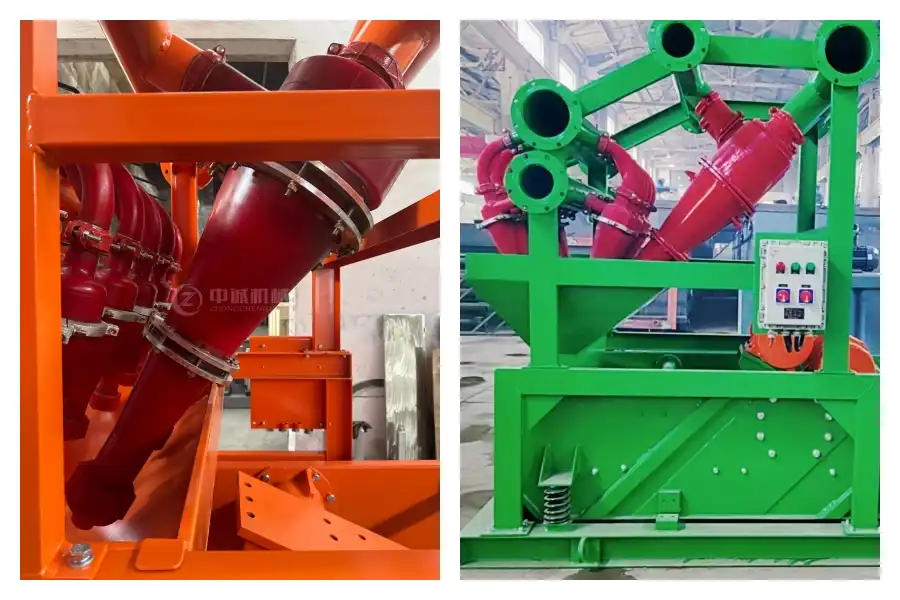
For real-time improvement based on changing mud properties, modern Mud Cleaner designs include changeable deck angles (manual or hydraulic). Our polyurethane cyclones have a partial clamp design that lets worn parts be replaced quickly and without special tools. This cuts down on maintenance downtime. Explosion-proof motors meet the certification requirements for ATEX and IECEx Zone 1, which means they can be used safely in dangerous places like oil and gas drilling sites.
How to Select and Procure the Best Mud Cleaner for Your Operations
To buy tools successfully, you need to find a balance between technical ability, working compatibility, and the total cost of ownership. Before deciding to spend, drilling engineers and buying managers have to look at a lot of different factors.
Matching Capacity to Drilling Rig Flow Rates
The most important criterion is processing power. The Mud Cleaner needs to be able to handle the drilling rig's movement rate without slowing it down. A Mud Cleaner with a minimum capacity of 1,000 GPM is needed for a ZJ70 rig, which usually cycles 800-1,200 GPM. When equipment is too small, operators have to skip solids control during times of high flow, which wastes the investment. Our engineering team makes specific flow estimates for you based on the way your rig is set up, the properties of the mud, and the way the formation is formed.
Evaluating Manufacturer Credentials and Industry Experience
We have worked in the oil and gas drilling industry for more than 30 years, so we know the practical problems that buying managers face. Our ISO 9001, ISO 14001, and ISO 45001 standards show that we care about quality, the environment, and safety at work. Our goods meet foreign standards because they have extra certifications from BV, TÜV, and HSE compliance. We own more than a dozen patents that cover important design improvements that make separation more efficient and improve the reliability of operations.
Importance of After-Sales Support and Spare Parts Availability
The performance of equipment depends a lot on how well it is installed, commissioned, and maintained over time. We give full instructions on how to install, professional training for operations staff, and all the paperwork, like engineering drawings, flowcharts, and upkeep schedules. Our one-year warranty covers problems with the way the product was made and how it works, and our global network of spare parts makes sure that replacement parts get to you quickly. Items that are in stock usually ship within three days, but special parts usually take fifteen days to make and send.
Procurement Considerations and Logistics
Procurement managers who are careful with their budgets like our affordable price system, which shows that we are the direct manufacturer and don't add any markups for being a distributor. We can make both purchase and rental agreements, depending on the length of the project and the amount of money available. Global transport is made easy by strategic relationships with international logistics providers and easy access to the ports of Tianjin and Shanghai. Transport-safe packaging includes plastic film, tarps that don't get wet, strapping, and, based on the size of the equipment and the needs of the location, pallets or wooden crates.
Practical Operation and Maintenance Guide for Mud Cleaners
Without proper operation and preventative upkeep, even the best tools won't do what they're supposed to do. Best practices that increase machine uptime and sorting efficiency are useful for drilling operations managers to know.
Start-Up Procedures and Performance Monitoring
Make sure that all of the hydrocyclone apex holes are clear and the right size before you turn on the Mud Cleaner. When apexes are blocked or too big, they make separation much less effective. Before opening the feed valve to the cyclones, turn on the underflow shaker and let it reach full speed. Keep an eye on the cone discharge pattern; it should look like a "umbrella" or fine spray. If there is no discharge, it means that the apex is plugged and needs quick attention, while a discharge that looks like a rope means that the apex is worn or there is not enough feed pressure.
Routine Maintenance Schedules to Prevent Downtime
As part of daily checks, the rotating motor, screen tension, and cyclone discharge patterns should all be checked. As part of weekly maintenance, the screen conductance is checked for blinding, the polyurethane cyclone wear is looked at, and the correct feed pump pressure is confirmed. Our high-grade PU cyclones last between 3,000 and 5,000 hours before they need to be replaced because they are much more resistant to wear and rust than metal ones. The sectional clamp design lets people in the field replace old parts in 15 to 20 minutes without taking the whole cyclone system apart.
Troubleshooting Common Operational Issues
Most of the time, bad separation efficiency is caused by using the wrong feed pressure, having worn apex holes, or choosing the wrong screen size. If the screen gets blocked, it means that there are too many fine solids on it or that clay particles are blocking it. This problem is usually fixed by changing the deck angle or the strength of the spray wash. If there is too much fluid loss through the discharge, it means that the screen is broken or the mesh is not the right size for the mud. Our technical support team can help you fix problems remotely and send out field service workers if needed.
Conclusion
In high-solids oilfield uses, good solids control has a direct effect on how well drilling works, how long equipment lasts, and how much it costs to run. Our ZC series Mud Cleaner has been tested and shown to work well. Its design includes an integrated desander, desilter, and underflow shaker that removes particles from 15 to 74 microns and maximizes the recovery of valuable drilling fluid. This equipment is perfect for oil and gas drilling contractors, oilfield service companies, and EPC contractors because it can process 120 to 320 m³/h, has wear-resistant polyurethane cyclones, and takes up very little space. We offer the dependability and performance that drilling operations need with full technical support, a one-year warranty, and 30 years of manufacturing experience.
FAQ
What particle size range do mud cleaners effectively remove?
Particles between 15 and 74 microns are the goal of Mud Cleaners. Desander cones remove solids that are 45 to 74 microns in size, and desilter cones get rid of solids that are 15 microns or smaller. This range includes the most troublesome particles that main shale shakers can't get rid of but that make the mud too thick, wear out pumps, and make digging less effective. Particles smaller than 10 microns usually need to be removed using a centrifuge.
How do mud cleaners reduce drilling fluid costs compared to shale shakers alone?
The underflow shaker under the hydrocyclones gets back 70–85% of the liquid that is released along with the solids that have been separated. Without this method, both the trash cuttings and the valuable drilling fluid would be lost. This recovery saves a lot of money over the course of 30 days of drilling, especially when expensive synthetic- or oil-based muds costing $80 to $150 per barrel are used.
Can mud cleaners integrate with existing solids control systems?
Our equipment works perfectly with normal solids control setups that are API-compliant. We offer unique system design services to make sure that the right flow rates, tank placement, and pump specs are used with the system you already have. The small size makes it possible to place in tight spaces on both land rigs and offshore platforms.
Partner with Zhongcheng Machinery for Superior Solids Control Solutions
The Zhongcheng Machinery Manufacturing Co., Ltd. in Shaanxi Xixian New Area is ready to help you improve your drilling operations with their tried-and-true Mud Cleaner technology, which is made for use in high-solid oilfields. As a top company that makes Mud Cleaners and has ISO 9001/14001/45001 certification as well as TÜV and BV approvals, drilling workers know they can count on us. Our engineering team brings more than 30 years of experience to every unique solution, making sure that the right equipment is set up for your individual needs. Get in touch with our technical experts at oliver@zcgukong.com to talk about your solids control problems and find out how our ZC series equipment can help you save money on mud, make equipment last longer, and drill more efficiently. You can look at all of our products and get full technical specs by going to zcsolidscontrol.com. We offer fast shipping—stocked units are sent out within three days—as well as full installation help, training for operators, and a guarantee that covers your investment for one year.
References
1. American Petroleum Institute. RP 13C: Recommended Practice for Drilling Fluid Processing Systems Evaluation. Washington, DC: API Publishing Services, 2018.
2. Bourgoyne, A.T., Millheim, K.K., Chenevert, M.E., and Young, F.S. Applied Drilling Engineering. Society of Petroleum Engineers, Richardson, TX, 2nd Edition, 2021.
3. Darley, H.C.H. and Gray, G.R. Composition and Properties of Drilling and Completion Fluids. Gulf Professional Publishing, Houston, TX, 6th Edition, 2019.
4. International Association of Drilling Contractors. Drilling Manual: Solids Control and Waste Management. Houston, TX: IADC Technical Publications, 2020.
5. Lyons, W.C., Plisga, G.J., and Lorenz, M.D. Standard Handbook of Petroleum and Natural Gas Engineering. Gulf Professional Publishing, Boston, MA, 3rd Edition, 2016.
6. Society of Petroleum Engineers. Solids Control Equipment Design and Performance Analysis for Drilling Operations. SPE Technical Paper Series, Richardson, TX, 2022.