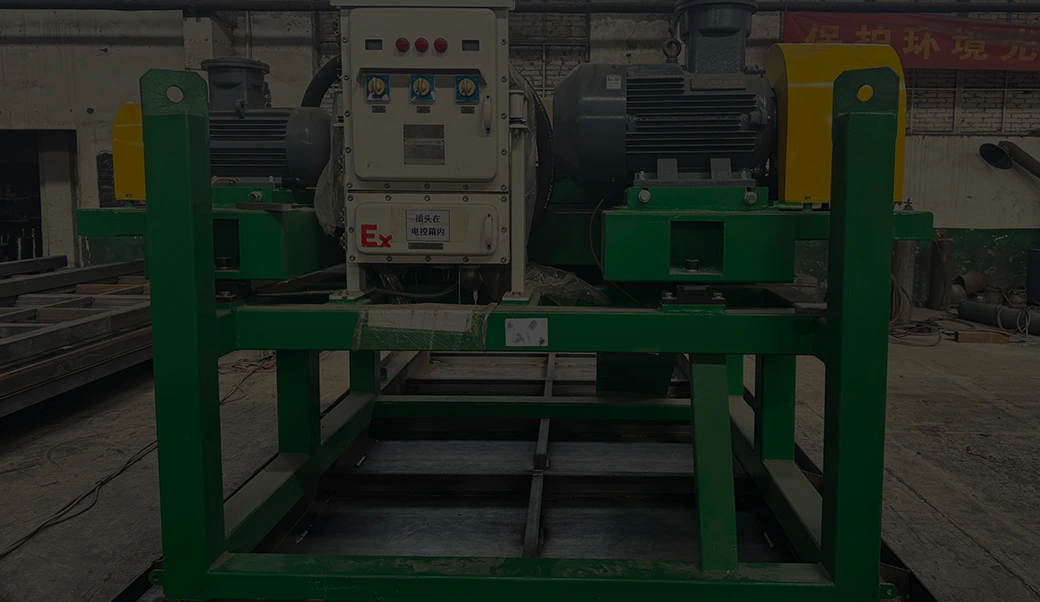
Yes, a chamber filter press can significantly improve sludge handling efficiency in wastewater treatment facilities. By applying mechanical pressure between 6 and 20 bar across a series of recessed filter chambers, this equipment forces liquid through filter media while retaining solids as a dry, stackable cake. The result is a sludge volume reduction of up to 80%, lower disposal costs, and cleaner recovered water. For oilfield operators, drilling contractors, and industrial wastewater managers, this technology addresses the core challenge of managing high volumes of wet waste under continuous operating conditions.
Understanding Chamber Filter Press Technology
How the Filtration Cycle Works
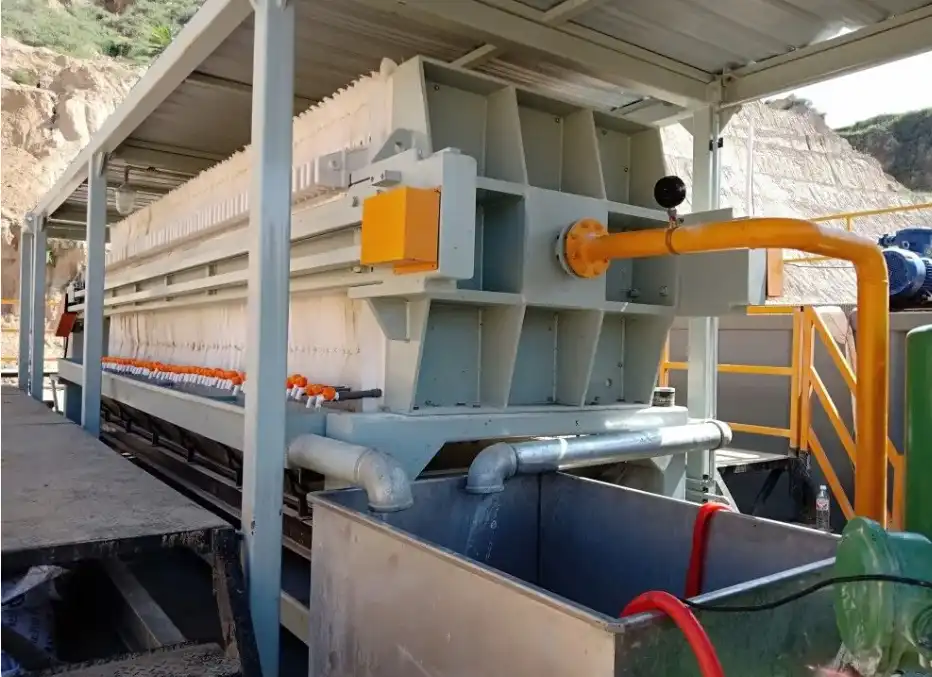
There are stages that a chamber filter press goes through. Sludge is put into chambers that are sealed off and made between filter plates that are set back. When the feed pressure goes up, liquid moves through the filter cloth while solids build up into a cake. When the room is full and the cake is the right width, which is usually between 25 mm and 40 mm, the press opens itself, and the cake falls out. This batch method can remove a lot of water, which is something that ongoing systems often can't do.
What Sets It Apart from Plate-and-Frame Types
A recessed chamber filter press is different from traditional plate-and-frame designs because the filtration space is built into the plate itself. This gets rid of the need for a separate frame, cuts down on leak points, and lets the closing pressure be higher. This makes the cake drier and lowers the amount of water that is left over after each turn, which is a real benefit when dealing with drilling waste or industrial waste.
Key Performance Advantages
The main technical strengths of this press type make it a good choice for tough B2B jobs:
- Filtration area: Can be anywhere from 1 m² to over 1,000 m², so it can fit everything from small test systems to large industrial setups.
- Filter plate material: High-intensity reinforced polypropylene (PP) is used, which is resistant to acids and bases, stable at temperatures up to 90°C, and doesn't bend under a lot of hydraulic load.
- Closed-loop design: Stops slurry leaks, which is very helpful when dealing with chemically active or environmentally controlled waste streams.
Because of these features, chamber filter presses are a good choice for places that need consistent output, low maintenance, and to meet discharge standards.
Comparing Chamber Filter Press with Alternative Technologies
Chamber vs. Membrane Filter Press
After the first filter cycle, an inflatable diaphragm in a membrane press applies secondary squeeze pressure, which pushes any remaining wetness out of the cake. The end moisture level is lower with this design than with a normal chamber design. But membrane units cost more to buy and need to have their diaphragms serviced more often. For tasks that don't need to be very dry and where cost is important, like cleaning up oilfield drilling waste, the chamber filter press type is better value for money.
Chamber vs. Centrifuge and Screw Press
Centrifuges can handle continuous feed and work best with sludge that has a high volume and a low viscosity. They use more energy per unit volume and have trouble with objects that are rough and wear out quickly. Screw presses can work nonstop and use little energy, but they make cakes that are thicker and might not be safe for landfills or other places where trash is thrown away. The chamber filter press works well with slurries that are thick, rough, and chemically complex, which are common in oilfield mud pits and mine dumps.
Suitability by Sludge Type
Picking the right dewatering method depends on the feed properties. Chamber filter presses work best when the sludge has a lot of solids, the chemistry changes, or the process needs to be controlled batch by batch. This level of control helps with both efficiency and following the rules when it comes to drilling waste, construction slurry, and mining tailings.
Enhancing Sludge Handling Efficiency Using Chamber Filter Press
Common Operational Bottlenecks
There are three problems that keep happening in the field: uneven cake drying across the press, unplanned downtime from cloth blinding, and not enough capacity during peak production. Each of these can be linked to either the way the feed is treated, the cloth that is chosen, or the settings for the operating pressure. Taking care of them in a planned way cuts down on cycle time and boosts production without having to buy new tools.
Maintenance Practices That Protect Performance
Maintenance work has a direct effect on how well filtering works. Important maintenance tasks include:
- Filter cloth inspection: Regularly check the airflow. The grain sizes in the feed slurry must match the density of the cloth weave. When the cloth is stuck, the cycle time and feed pump pressure go up.
- Hydraulic system check: During a long hold, the closing system shouldn't let the pressure drop more than 5% and should stay between 20 and 25 MPa. Pressure loss is a sign of worn seals or dirty hydraulic fluid.
- Plate flatness verification: Leak paths are made when the surface deviates more than 0.5 mm. Check the plates after they've been hit or worked with a very rough slurry.
When these checks are done regularly, they keep the flow going and avoid unplanned stops that cost a lot more than the inspection itself.
Fine-Tuning Operating Parameters
The feed pump speed, cycle length, and blow-down time all have an effect on how dry the cake is. When operators record cycle data and change these factors based on real output instead of the factory settings, the residual moisture level always goes down. Automated plate-shifting systems cut down on the need for workers and shorten the time it takes to unload, which increases daily output even more.
Procurement Considerations for Chamber Filter Press in Industrial Wastewater Treatment
Capacity and Footprint Matching
Before choosing a unit, buying teams should compare the amount of sludge that builds up at its highest point to the estimated filtration area of the press. Not enough equipment leads to jams, and too much equipment raises the cost of capital. For medium-sized drilling jobs or foundation building sites, a chamber filter press with a 1250x1250mm filter plate, like the ZC Filter Press from ZHONGCHENGJIXIE, has enough space and a small footprint for installation on the rig.
Evaluating Suppliers and Certification Standards
Buyers from other businesses should make sure that any chamber filter press provider has quality certifications that are recognized. ISO 9001, ISO 14001, and ISO 45001 are all certifications that the ZHONGCHENGJIXIE ZC Filter Press has. It also has HSE, TÜV, and BV approval. These papers prove both the quality of the manufacturing process and that it doesn't harm the environment. These are two things that are important when reviewing project bids and clearing customs for international orders.
New vs. Used Equipment and Total Cost
Buying used equipment may be cheaper, but you don't know how much the plates, cloths, and hydraulic seals have been used. New equipment from a direct manufacturer is more reliable for tasks that need consistent output and maintenance records that can be tracked. ZHONGCHENGJIXIE ships stocked items within three days and provides custom orders within fifteen days. This lowers the risk of project delays for contracts that need to be completed on time.
Case Studies and Real-World Applications
Oilfield Drilling Waste Treatment
When digging on land, the ZC Filter Press has been used to clean up waste mud and drill cuttings slurry. Its 37–45 kW motor power and plate-and-frame design make stable dewatering possible even when the feed composition changes, which happens a lot when the lithology changes from one well section to the next. Recovered drilling fluid is put back into the active mud system, which lowers the cost of buying fluid and the amount that needs to be thrown away.
Mining and Tailings Dewatering
Chamber filter presses are used to get process water back from gold, copper, and coal products in material processing. The corrosion-resistant, high-strength plate material can handle rough and chemically strong feed without speeding up wear, so it can be used continuously for years.
Municipal and Construction Applications
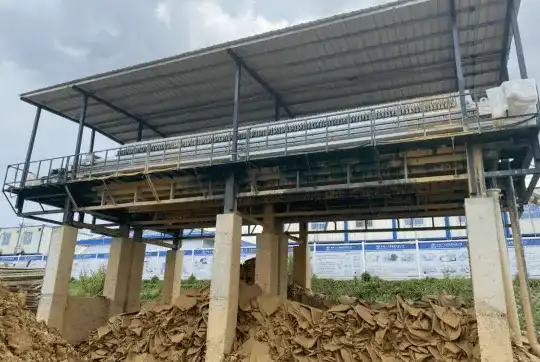
Foundation building companies that use bentonite-based piling slurry separate the solids so they can be thrown away off-site and collect the water so they can use it again. This directly lowers the number of haulages and the cost of removing waste from the site, which is a real operational saving for big city infrastructure projects.
Conclusion
A chamber filter press meets the main needs of sludge dewatering, which are to keep the cake dry, reduce the volume, and work reliably even when the feed conditions change. With this equipment, you can measure everything from drilling waste on remote rigs to mine tailings in rough conditions. ZHONGCHENGJIXIE's ZC Filter Press combines plate-and-frame strength with materials that don't rust, certified quality, and quick technical support. If procurement teams want to reliably separate solids from liquids, they should compare this technology to their present sludge amounts, disposal costs, and environmental goals.
FAQ
What maintenance does a chamber filter press require regularly?
Every 200 to 300 rounds, check filter cloths for blindness and loss of permeability. Every month, check the closing pressure retention and hydraulic seals. After any rough feed, check to see if the plate is still flat. Cleaning the cloth regularly with air blow cycles makes it last longer and keeps you from having to buy a new one too soon.
How does press capacity affect processing time?
A bigger filtration area can handle more sludge per cycle, which means that fewer cycles are needed to handle the same amount of sludge every day. If you choose the right plate count and chamber depth for your feed amount, cycle times will stay the same, and there won't be any problems during busy production times.
Can it handle different types of industrial sludge?
Yes. Biological sludge, mineral tailings, oilfield drilling waste, chemical process leftovers, and building slurry can all be put through chamber filter presses. Matching the cloth weave to the particle size and changing the feed pressure to fit the viscosity of the slurry are the most important factors. These new units with automatic plate shifting work well with all kinds of sludge.
What is the typical service life of filter plates?
Service life is usually between 5 and 8 years for strengthened polypropylene plates that are well taken care of. This depends on chemical exposure, working temperature, and feed abrasiveness.
Does the ZC Filter Press support automated discharge?
Yes. There is an automatic plate-shifting system in the ZC Filter Press that cuts down on the amount of work that needs to be done by hand and speeds up the cake discharge time, which allows for higher daily throughput.
Get a Custom Chamber Filter Press Quote from ZHONGCHENGJIXIE
The ZC Filter Press is made by ZHONGCHENGJIXIE. It is a tried-and-true chamber filter press supplier for use in the fields, mines, and building sites. We deliver equipment that is built to work in real field conditions. Our production is ISO-certified, and we have BV and TÜV approval. We also offer 3-day shipping on stocked units. Visit zcsolidscontrol.com or email our technical team at oliver@zcgukong.com to get a price or talk about a setup that fits the needs of your project.
References
1. Crittenden, J. C., et al. MWH's Water Treatment: Principles and Design. Wiley, 2012.
2. Tchobanoglous, G., et al. Wastewater Engineering: Treatment and Resource Recovery. McGraw-Hill, 2014.
3. Purchas, D. B., & Sutherland, K. Handbook of Filter Media. Elsevier, 2002.
4. Wakeman, R., & Tarleton, S. Filtration: Equipment Selection, Modelling and Process Simulation. Elsevier, 1999.
5. U.S. Environmental Protection Agency. Biosolids Technology Fact Sheet: Belt Filter Press. EPA, 2000.
6. Tarleton, S., & Wakeman, R. Solid/Liquid Separation: Equipment Selection and Process Design. Butterworth-Heinemann, 2007.