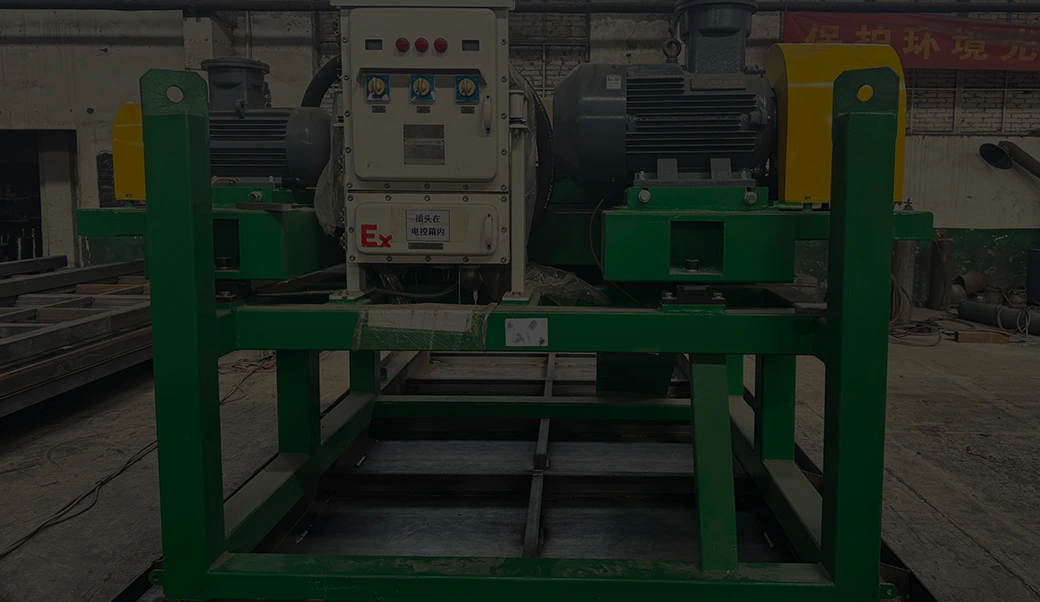
When drilling operations demand continuous mud recycling and precise solids control, the choice of slurry transfer equipment can determine whether a project stays on schedule or faces costly delays. A submersible slurry pump is a heavy-duty centrifugal pump specifically engineered to transfer highly abrasive, high-density slurries while operating fully submerged. Unlike conventional surface-mounted pumps, it integrates the motor and pump end into a single compact unit, eliminating suction lift issues and the need for complex priming systems — making it the preferred hydraulic transport solution across oilfield, mining, and foundation engineering applications.
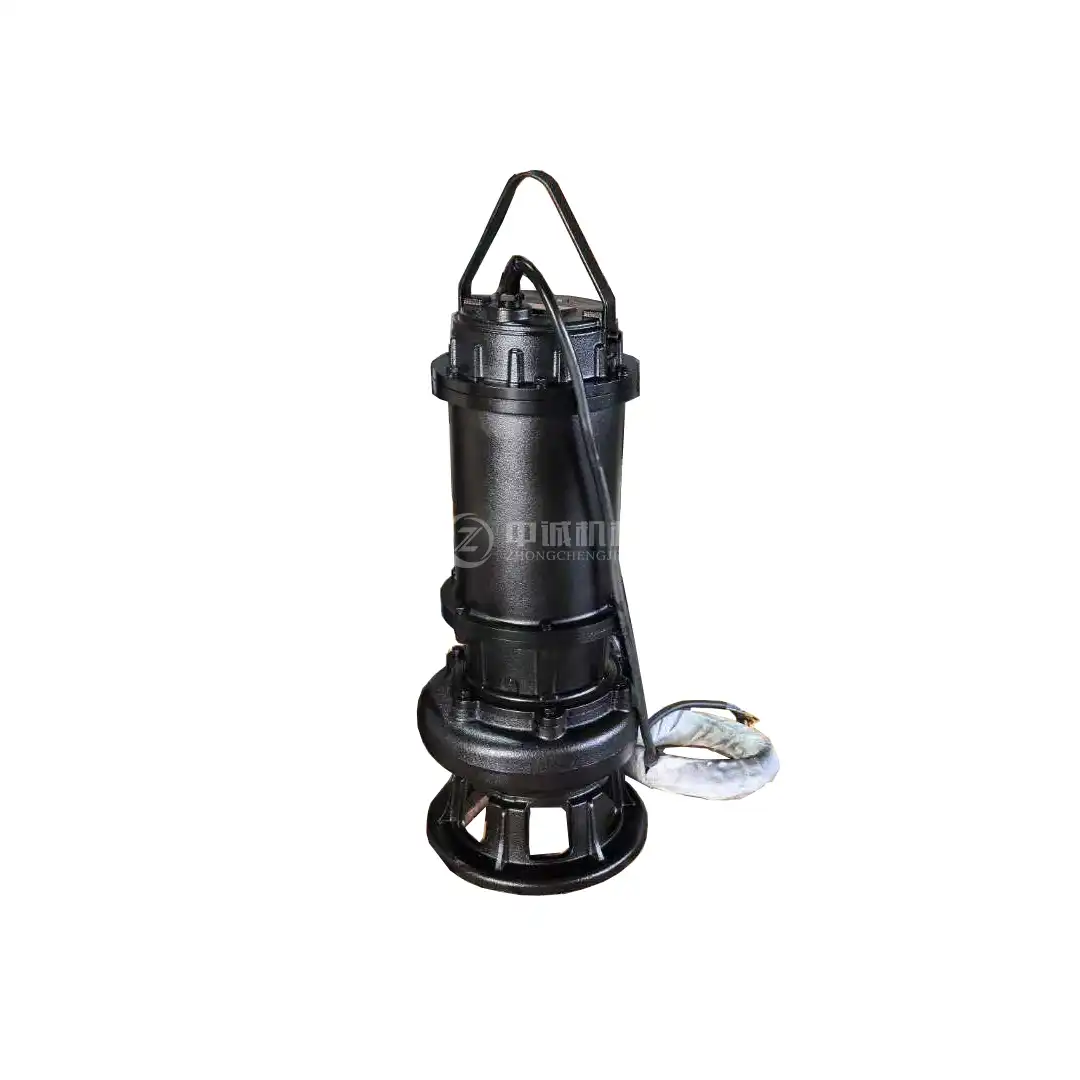
Understanding How Submersible Slurry Pumps Work
The Core Operating Principle
One of the biggest problems with moving fluids is that you need a Net Positive Suction Head (NPSH). Putting the pump unit right inside the slurry pit gets rid of this problem. Since the pump works underwater, it can pull fluid in with almost no lift, which greatly lowers the risk of cavitation. In deep sumps, where vertical cantilever pumps stop working efficiently, the fluid around the motor cools it at the same time.
What Separates This Design From Conventional Pumps
A normal centrifugal pump has a dry motor above the fluid and a long shaft or pumping pipe that connects it to the motor. That design increases the chances of seal leaks, gear misalignment, and the need for more frequent repair. The Submersible Slurry Pump design seals the motor with an IP68 rating, has two moisture sensors, thermal winding protection, and epoxy-sealed cable entries to make a triple-layer moisture barrier. This is important when the working fluid has cuttings, sand, or mineral tailings in it.
Applications Across Drilling and Industrial Sectors
The pump is useful in many B2B areas because it is strong. This is where it has the most noticeable effect:
- Oil & Gas Drilling (Solids Control): Keeping the qualities of the drilling fluid stable directly affects the rate of entry and the stability of the wellbore. Submersible Slurry Pumps move reclaimed mud from settling tanks back into the active system. This cuts down on the need for new fluids and the cost of disposal, which is important for owners who are responsible for environmental compliance on shale gas and geothermal drilling sites.
- Dredging & Desilting Engineering: A pump that can move big solid particles without getting clogged is needed for harbor desilting, river channel maintenance, and moving bentonite slurry during bridge foundation digging. Heavy-duty models have large impeller passages that can handle solids up to 60–75 mm in diameter. This keeps the flow going even when the concentration of debris changes.
- Tailing Ponds & Settling Pit Cleanout: In settling pits, dense mineral sludge is often built up by mining operations. An integrated bottom agitator stirs up solids that have been crushed into the fluid column again before the propeller pulls them out. This feature automates a process that would normally require digging by hand.
- Municipal & Construction Foundation Pits: Large piling contractors and underground engineering firms that work with sandy, clay-filled groundwater depend on Submersible Slurry Pumps to continuously drain pits and remove sludge. These pumps take a lot less time to set up than skid-mounted surface pumps.
All of these uses have one thing in common: the equipment has to work continuously even when the solids load is high, the pit depth changes, and the operating cycles are long.
Core Technical Specifications and Product Advantages
Our range of Submersible Slurry Pumps at Shaanxi Xixian New Area Zhongcheng Machinery Manufacturing Co., Ltd. includes the following types of work:
| Parameter |
Range |
| Head |
6 – 26 m |
| Capacity |
20 – 280 m³/h |
| Motor Power |
3 – 45 kW |
As long as the drill rig is between ZJ30 and ZJ90 and the workover unit is between XJ350 and XJ750, these specs cover most scenarios.
Here are the main structural benefits of this gear:
- High-Chromium Alloy Wet End (27% Cr, >60 HRC): The impeller, casing, and all parts that come into contact with fluid are made of Cr27 high-chrome metal. Independent wear testing shows that a high-chrome impeller can work for 3,000 to 5,000 hours before it needs to be replaced. This is a big difference in terms of the cost of upkeep over the life of the machine compared to cast iron options.
- Fully Sealed Waterproof Construction: The IP68-rated enclosure and Class H motor insulation protect the drive system from both being submerged in water all the time and the temperature changes that happen in oilfields outside.
- Large Impeller Passages: The passage shape is made to fit coarse materials without bridging. This gives a steady, reliable flow rate instead of the surge-and-stall behavior that speeds up wear in designs that are too small.
- Optional Integral Agitator: An agitator placed at the bottom forms a localized swirl that resuspends settled cuttings before the pump pulls them into the discharge line. This is necessary for pit cleanout jobs where solids settle overnight.
- Space-Efficient Deployment: There is no need for a support frame or an extended drive shaft. The unit goes straight into the pit or tank on a discharge hose or rigid pipe, which greatly reduces the time needed for installation on drilling pads that are already very crowded.
When put together, these benefits solve a problem that procurement managers keep bringing up: reducing unplanned downtime in remote drilling sites caused by pump blockages or seal failures.
Selecting the Right Configuration and Quality Assurance
To properly match a Submersible Slurry Pump to the required slurry flow, you must first determine the solids concentration by weight, the required discharge head, and the maximum particle size present in the fluid. When selecting a Submersible Slurry Pump, overestimating the motor power can lead to unnecessary energy consumption, while underestimating it can accelerate component wear and increase the risk of premature failure. In both cases, the total cost of ownership can rise significantly. Choosing the right Submersible Slurry Pump based on actual flow, head, solids concentration, and particle size requirements helps optimize energy efficiency, component life, and long-term operating costs.
During the manufacturing process, our quality control method checks the accuracy of the design. The high-chrome wet-end parts of each unit are spectrographically analyzed to check their chemical makeup. They are also tested for hydrostatic pressure at 1.5 times their maximum working pressure and their full-curve hydraulic performance against ISO 9906 Grade 2B standards. To keep bearings from wearing out too quickly, impellers and agitators are dynamically balanced to G2.5 tolerances. This makes service intervals much longer in continuous-duty applications.
All of the products are certified by ISO 9001, 14001, 45001, and the Health and Safety Executive. They are also approved by TÜV and BV, which means they meet the standards of most international EPC contractors and oilfield operators.
Maintenance Priorities and Troubleshooting
Most problems can be caught before they cause unscheduled stops by checking the mechanical seal chamber, the amount of lubricant in the bearing housing, and the connections on the output flanges once a week. Seal leak detectors that are wired to the control panel send an early electrical warning when water gets into the seal chamber. This lets repair work be done during a planned window instead of having to be stopped suddenly.
Some common faults and how to fix them include motor overheating, which generally means the submersion depth is too low or the cooling tubes are blocked, and low flow output, which means the impeller is wearing out or the agitator is partially clogged. Having a small stock of impellers and mechanical seal kits on hand takes away the factor of wait time in most repair situations.
Conclusion
A good Submersible Slurry Pump that is well taken care of cuts down on the loss of drilling fluid, speeds up the cleaning process, and keeps Solids Control Systems working within their intended limits. The use of high-chrome wet-end materials, built-in agitation, and sealed motor technology meets the performance and longevity needs of oilfield operators, mining workers, and foundation building firms. The best way to lower the total cost of moving mud over the life of a project is to make sure that the pump's specifications match the conditions on the site and to keep up with regular maintenance.
FAQ
Why does a submersible slurry pump need an agitator?
At the pit floor, the agitator creates a vortex that brings solids that have settled back into the fluid column. Without it, the packed sediment stays in one place while the pump pulls out only the cleaner top layer of fluid. This makes the transfer less effective and leaves behind stuff that needs to be cleared by hand.
What is the maximum solid size this type of pump can handle?
The largest objects that most heavy-duty models with a large-passage impeller shape can pass are up to 60–75 mm in diameter, but the exact limit depends on the model and impeller design.
How long do wear parts typically last?
A rotor made of Cr27 high-chrome can work for about 3,000 to 5,000 hours of normal sand pumping. The real service life varies on how rough the slurry is, the pH level, and how fast it is being used.
Can the pump operate at low submersion depth?
Many models have a cooling jacket that keeps the motor running when there isn't much water or when it's "snoring" without damaging it, as long as the cooling system stays clear.
How is the motor protected against moisture ingress?
Three systems work together to keep things safe: two moisture sensors in the seal chamber, thermal sensors built into the motor windings, and epoxy-sealed cable entries at the motor housing.
Partner With Shaanxi Xixian New Area Zhongcheng Machinery Manufacturing Co., Ltd. for Your Slurry Pump Requirements
At ZHONGCHENGJIXIE, we sell certified Submersible Slurry Pump units that come with a full one-year guarantee, full installation support, and prices that come straight from the maker. Contact Us at oliver@zcgukong.com or visit zcsolidscontrol.com to get technical advice and a reasonable price from a reputable Submersible Slurry Pump manufacturer, whether you need a single replacement unit or tools for a multi-rig project.
References
1. Gülich, J. F. Centrifugal Pumps. Springer, 2020.
2. International Organization for Standardization. ISO 9906: Rotodynamic Pumps — Hydraulic Performance Acceptance Tests. ISO, 2012.
3. Sellgren, A., & Wilson, K. C. "Solids Effect on the Performance of Centrifugal Slurry Pumps." Journal of Hydraulic Engineering, 2007.
4. Tian, J., et al. "Wear Behavior of High-Chromium Cast Iron Impellers in Slurry Pump Applications." Wear, 2018.
5. American Petroleum Institute. API RP 13C: Drilling Fluids — Solids Control Equipment Testing. API, 2010.
6. Whitlock, L. "Submersible Pump Selection for Dredging and Slurry Applications." World Dredging, Mining & Construction, 2019.