A mud gun should be used alongside a mud agitator whenever a drilling fluid system faces dead zones, solids settling, or inconsistent slurry density that mechanical stirring alone cannot resolve. While a mud agitator provides broad, continuous circulation across the tank, a mud gun delivers targeted high-velocity jetting to corners and low-flow areas where sediment accumulates. Together, they create a complete fluid conditioning solution. In high-demand environments — deepwater rigs, shale gas operations, or geothermal wells — running both devices simultaneously is not optional. It is a baseline operational requirement.
Understanding Mud Guns and Mud Agitators
How Each Device Works
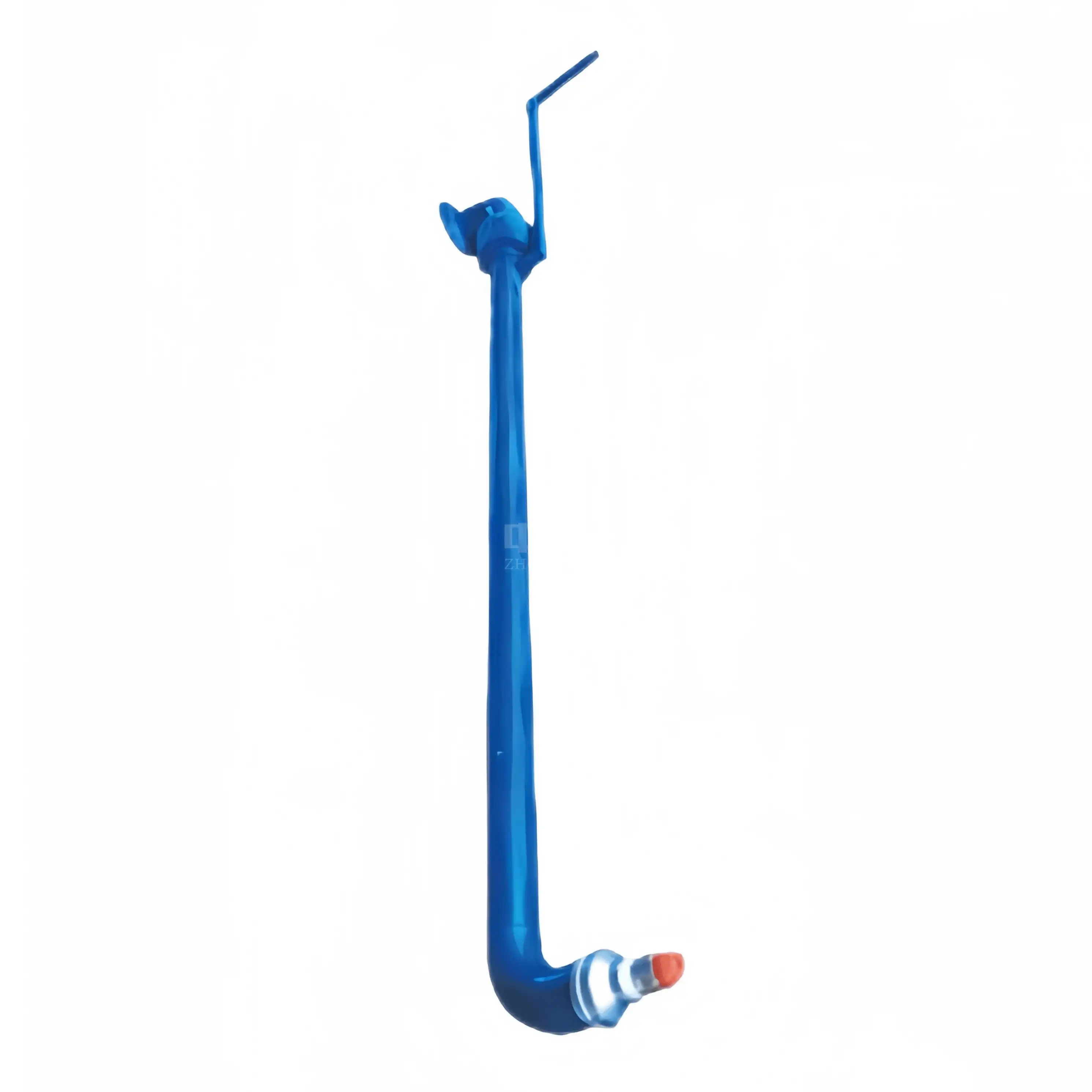
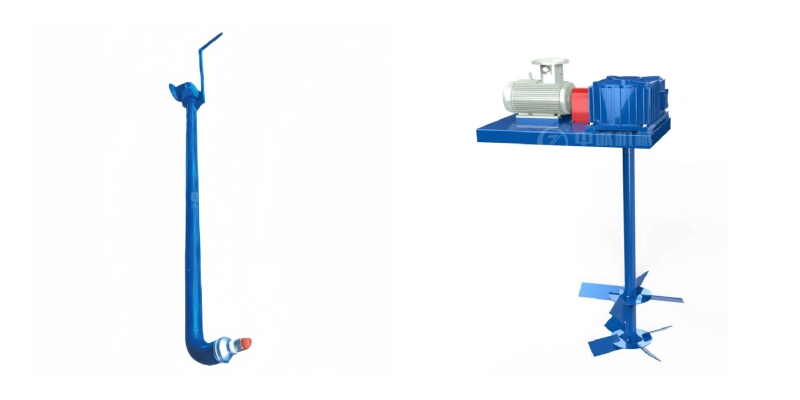
In drilling mud tanks, a Mud gun is a hydraulic device that stirs the mud. This machine takes fluid from the mud pump's discharge line and forces it through a tungsten carbide or polyurethane nozzle at high enough speeds to move solids that have settled to the bottom of the well. Most units have a special swivel joint that lets them turn 360°. This lets the user point the jet exactly where barite, calcium carbonate, or drill cuttings tend to gather. Most pressure values are between 0.1 MPa and 6.4 MPa, which covers low, medium, and high pressures.
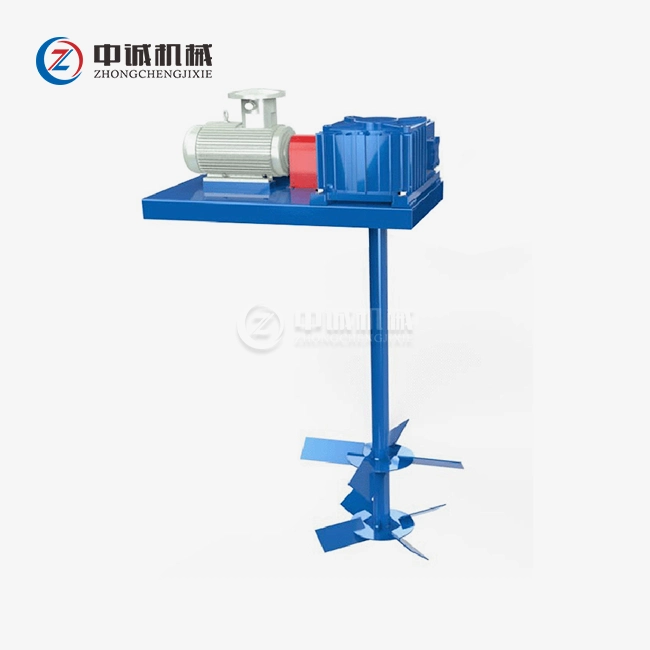
A mud stirrer does something different. An impeller that is immersed in the drilling fluid is turned by a gear-driven motor that is placed above the tank. This mechanical action keeps the suspension level the same throughout the tank, so heavy materials don't fall out of solution when the movement stops.
Why They Belong Together
Both devices work together to prepare fluids, but neither one does everything by itself. The agitator moves the main fluid, but its blade can't get to underflow areas or corners that are too tight. Although a mechanical agitator can mix the entire tank for a long time, the Mud Gun only targets those specific spots. When they are paired, they solve all of the space and flow problems in a mud tank at the same time.
When to Use a Mud Gun with a Mud Agitator — A Problem-Solving Approach
Identifying the Conditions That Demand Both
In some drilling situations, it's clear that using just one device isn't enough. In the following situations, it is essential to use integrated use:
- High-density mud formulations: When drilling fluid has barite levels above 1.5 g/cm³, it settles quickly when the pump stops. Agitators slow the process, but Mud guns speed it up by shooting solids back into suspension.
- Large-volume active tanks: Tanks bigger than 40 cubic meters form layers of stratification that propeller circulation can't get rid of evenly. These layers are broken up by hydraulic jetting.
- Horizontal Directional Drilling (HDD) and geothermal applications: Tunneling and high-temperature geothermal wells use high-viscosity fluids that pose a very high risk of blocking the flow line. Mud guns keep the suction line clear, and agitators do the bulk conditioning.
- Extended pump shutdowns: Agitators keep running while bits are being changed or pipes are being tripped, but a regular Mud gun cycle keeps corner buildup from turning into a loss that can't be recovered.
From deeper offshore projects, the industry knows that tanks that only use agitators lose regular density within 15 minutes of the pump stopping. This variation is completely eliminated by adding Mud gun cycles at 10-minute intervals.
When fluid density, viscosity, or the shape of the tank makes it so that the stirrer propeller cannot reach certain areas, a Mud Gun fills the gap.
Comparing Mud Gun Usage Scenarios: With vs. Without Mud Agitators
Performance Differences That Matter to Procurement Teams
It is possible to measure the difference between single-device and dual-device operation. When used alone, a Mud gun can successfully break up small amounts of sediment, but it can't keep the mud weight even throughout the tank. As soon as the shooting stops, the fluid goes back to stratification. Running an agitator by itself keeps the bulk of the fluid moving, but solids can build up in the corners over time, which means they need to be cleaned more often and put through more wear and tear on equipment further down the line, like centrifuges and desanders.
The result of a combined operation is clearly different. Drilling fluid density varies greatly across tank cross-sections, rheological qualities stay stable for longer periods of time, and the mechanical load on the agitator motor decreases because the Mud gun's jetting action dissolves heavy solids before the impeller has to deal with them.
When it comes to safety, combination systems also lower the chance of nozzles getting clogged and pumps cavitating because of pockets of thick slurry pulling into suction lines. That directly means fewer shutdowns that weren't planned and lower costs per hour for repair.
Procurement Considerations for Mud Guns and Mud Agitators
Selecting the Right Configuration for Your Rig
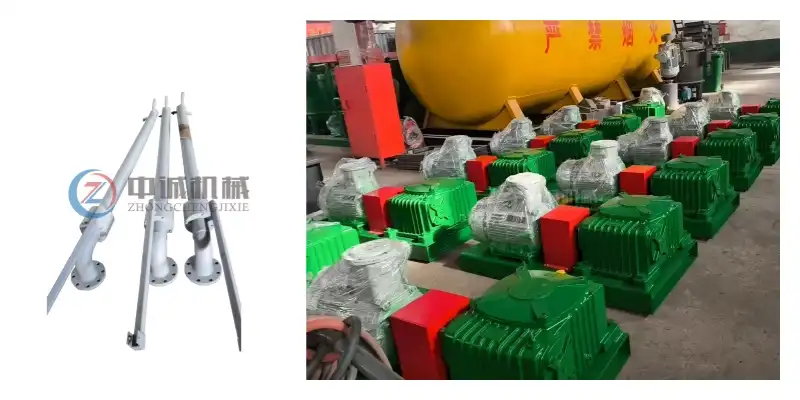
Before buying tools, purchase managers and drilling engineers should make sure that the specs of the devices match the class of the rig and the design of the mud system. Some important things to look at are the size of the tank, the range of mud weights, the pump discharge pressure that can supply the gun, and whether the installation environment is dangerous and needs ATEX or EAC-compliant motors.
Before making a purchase decision, you should think about these main selection criteria:
- Nozzle diameter and pressure compatibility: The size of the nozzle must match the amount of mud that the pump can release. Too much pressure on a nozzle that isn't big enough speeds up the wear on the tungsten carbide and makes it necessary to change it more often than the standard 500 working hours.
- Swivel joint material and seal type: Standard chemical-resistant seals are made of Viton or Nitrile. Geothermal fluids or synthetic muds that are very hot must be tested for compatibility with the seal before it is bought.
- Agitator motor options: Motors should match the power requirements of the site. When buying things for international projects, procurement teams should make sure they know whether they need motors from domestic or foreign brands and whether they need to be explosion-proof.
- Certifications: For oilfield operations, you must have ISO 9001, API Q1, and any other related hazardous-area certifications. Before signing a provider deal, make sure all the paperwork is correct.
These factors have a direct effect on the total cost of ownership. When you have a well-matched setup, you use fewer parts, have longer service intervals, and don't have to make expensive changes in the field after delivery.
Best Practices and Maintenance Tips for Combined Operations
Keeping Both Systems Running at Peak Efficiency
When properly scheduled, proactive maintenance of systems that combine a Mud gun and an agitator is simple. Every 500 hours of use, check the tips of the Mud gun for changes in flow rate that could be the result of wear and tear. When you see external leakage, you should replace the swivel joint seals right away. If you wait too long, abrasive particles can get around the seals and damage the swivel body itself.
For agitators, check the oil level in the gearbox once a week and the alignment of the impeller shaft once a month. Misalignment under constant shaking loads is the main reason why bearings fail early in the field.
Do a hydrostatic pressure test on Mud gun assemblies at 1.5 times the maximum working pressure after any repair that involves taking apart swivels or threaded connections. For high-cycle setups, swivel joint welds should be tested without damaging them once a year.
Stagger the jetting cycles of the Mud gun so that they fit the phases of stirrer movement. This synchronization keeps the flow paths of the hydraulic jets and the flow of the mechanical impellers from getting messed up by turbulent interference. This can lower the mixing efficiency if both systems create competing vortex patterns in the same tank compartment.
Conclusion
It is not a waste of time to use a Mud gun in conjunction with a mud stirrer; in fact, it is the best way to handle all of the drilling fluids. Agitators keep the bulk of the flow going, and hydraulic jetting cleans up the dead spots that agitators can't reach. Together, they keep the level of the mud stable, protect equipment used to control solids further downstream, and cut down on unexpected downtime. Integrated operation is the safest option for any drilling program that uses heavy mud, big tanks, or long pump shutdowns.
FAQ
Can a mud gun operate without a mud agitator?
Technically, yes, but it's not a good idea for long-term business. The Mud gun is great at moving around small amounts of sediment in corners and dead zones, but it can't keep the fluid level in the tank the same between pumping rounds. If you don't have an agitator going at the same time, the density of the slurry will change very quickly, especially in big tanks that are carrying weighted mud systems.
What pressure rating should I specify for oilfield use?
Medium-pressure types with ratings between 0.4 MPa and 1.6 MPa are used for normal circulation in oilfield systems. For aggressive solid-breaking tasks, high-pressure units that are close to 6.4 MPa may be needed. Never choose a mud pump based on its pressure rating alone; always compare it to the mud pump's available discharge capacity first.
How does combined operation affect project costs?
When you install both devices, the initial capital spending goes up by a small amount. But less time spent cleaning, less drilling fluid lost because recycling is more efficient, and longer centrifuge screen life usually pay for themselves in the first month of operation on active drilling projects.
What seal material works best for synthetic-based muds?
Viton seals work best with oil-based, synthetic-based, and water-based mud systems because they are chemically compatible with the most substances. Nitrile seals work fine in water-based situations, but they break down more quickly in places with a lot of hydrocarbons.
Connect with Zhongcheng Machinery for Integrated Mud Management Solutions
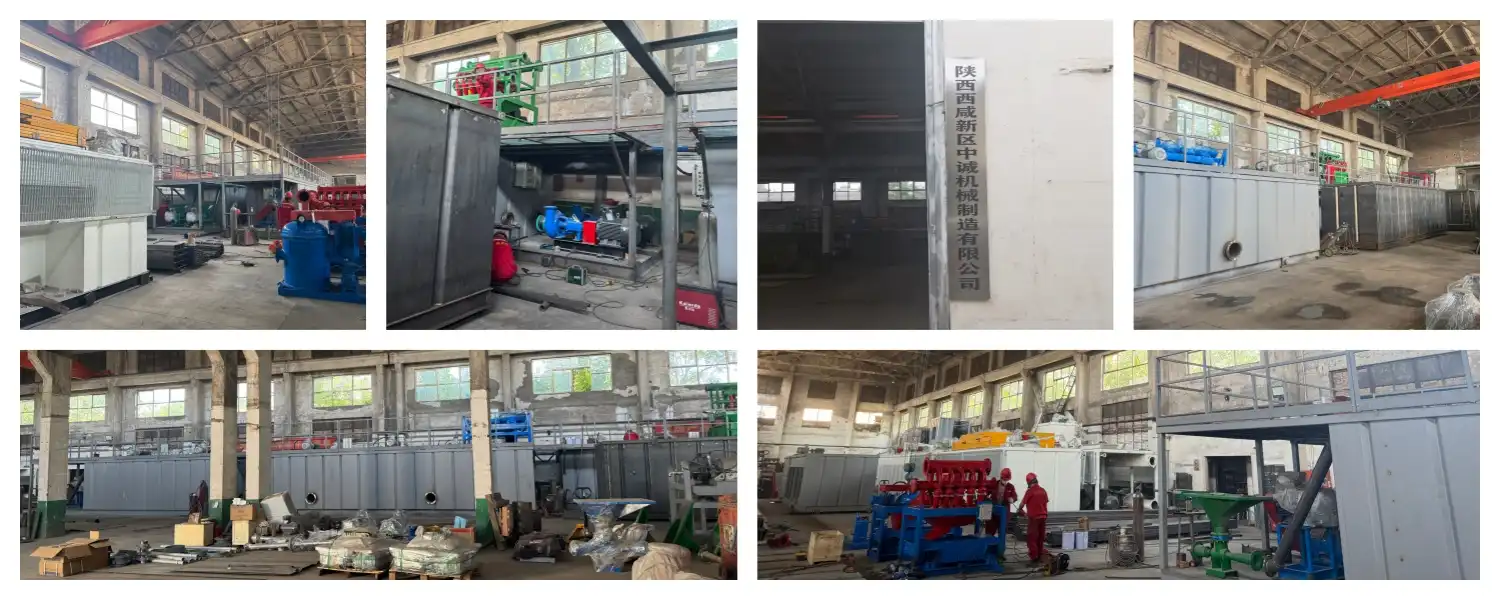
For difficult oilfield situations, Zhongcheng Machinery provides designed Mud gun and agitator devices. We are a reliable Mud gun maker with over 30 years of experience, ISO 9001 certification, and the ability to customize motor choices, nozzle setups, and tank plans right here in our own factory. This lets us make sure that the equipment we sell fits your rig class perfectly, from ZJ30 to ZJ90. It takes three days to ship in-stock items. Visit zcsolidscontrol.com or email oliver@zcgukong.com to get in touch with our tech team.
References
1. Bourgoyne, A.T. et al. — Applied Drilling Engineering, SPE Textbook Series, 1986.
2. API RP 13C — Recommended Practice on Drilling Fluids Processing Systems Evaluation, American Petroleum Institute, 2010.
3. Caenn, R., Darley, H.C.H., & Gray, G.R. — Composition and Properties of Drilling and Completion Fluids, Gulf Professional Publishing, 2011.
4. Schumacher, J.P. — Solids Control in Drilling Operations, World Oil Technical Series, 2004.
5. Mitchell, R.F. & Miska, S.Z. — Fundamentals of Drilling Engineering, SPE Textbook Series Vol. 12, 2011.
6. Drilling Engineering Association (DEA) — Drilling Fluid Management and Solids Control Best Practices, DEA Technical Report, 2017.
.webp)