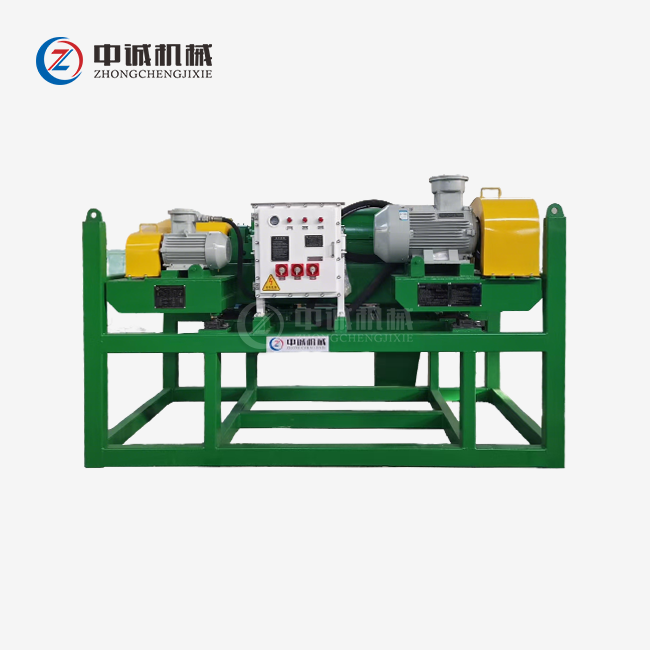
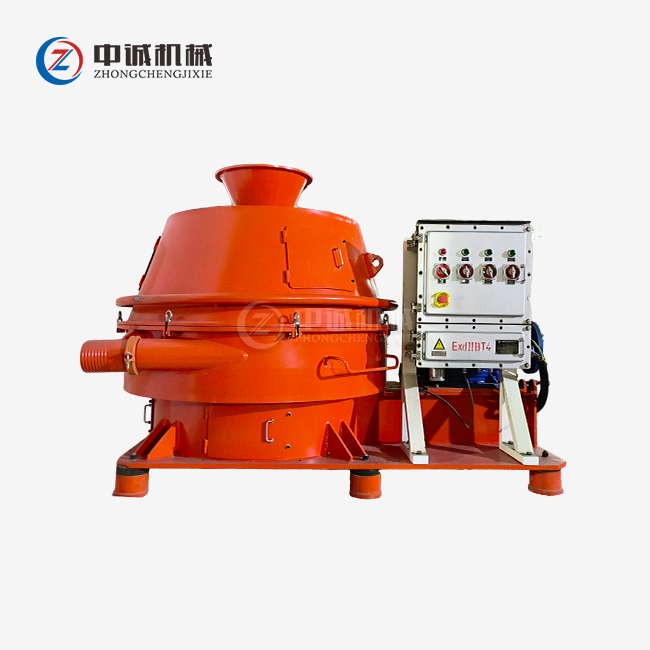
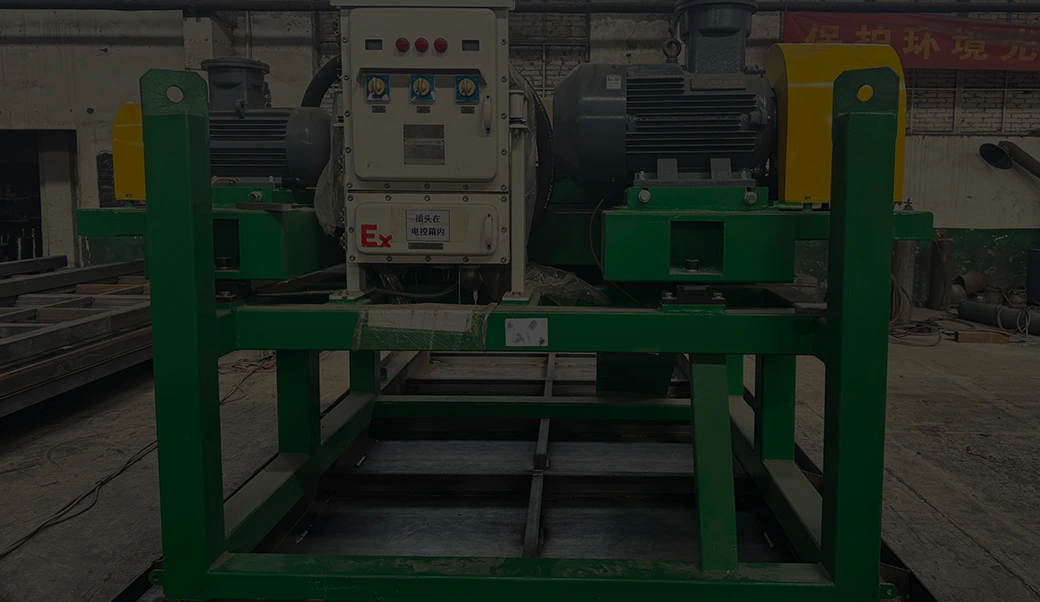
In industrial operations where fluid management matters, removing abrasive sand and solid particles from drilling mud or wastewater streams stands as a critical operational challenge. A desander serves as the second-stage solid control equipment designed specifically to extract particles sized between 44 and 74 microns from fluid systems. By leveraging hydrocyclone technology and centrifugal force, this equipment protects downstream machinery, maintains fluid quality, and ensures regulatory compliance across oil and gas drilling, geothermal exploration, and wastewater treatment facilities. Understanding how this separation technology functions—and why it matters—can transform operational efficiency and project economics.
What is a Desander and How Does It Work?
A Desander is a specialized piece of solids control equipment that is used as the second step in a full mud purification process. This device works in drilling operations and wastewater treatment plants to deal with a certain range of particle sizes that get past shale shakers but wear out pumps, valves, and equipment further downstream.
Core Function and Operating Principle
The desander works with hydrocyclone separation technology. Under controlled pressure—usually between 25 and 40 PSI—drilling fluid or wastewater is fed into the cyclone chamber. Heavy solid particles are pushed out toward the cyclone walls by centrifugal forces as the fluid swirls downward through the cone-shaped basin. These particles move down the cone's surface and come out through the tip as concentrated underflow. At the same time, clear fluid rises through the center vortex finder and comes out as overflow.
The difference in density between the solid bits and the carrier stream is what makes this separation work. The tangential inlet design makes a circular flow pattern with high speed, which causes gravitational forces that are many times stronger than normal gravity. This speeding up makes it possible to separate particles that would otherwise stay in the fluid stream more easily.
Key Design Elements
The way solids removal equipment works depends a lot on certain technical factors. The width of the cone has a direct effect on the working capacity and the cut point, which is the particle size at which half of the particles are removed. Larger diameter cones, like the 10 to 12 inch ones that are often used in drills, can handle more flow while still focusing on bigger bits.
The shape of the vortex finder determines how the cleared fluid leaves the device and how the fluid flows inside it. The underflow discharge features are determined by the apex diameter. If it is too small, there is too much pressure drop and premature wear, while if it is too big, fine particles can leave with the underflow. To keep the spray discharge pattern that shows proper separation, the feed pressure must stay in the right range. A rope-like release means there isn't enough pressure, which means the separation isn't working well.
The choice of material is also very important. The ZC series is made of high-wear-resistant polyurethane that was engineered to handle the constant wear and tear from sand particles. This choice of material is much more durable than standard cast iron, and it keeps the exact internal shape that is needed for consistent performance. The clamp connection method makes it easy to put in and take out the cones quickly, which cuts down on repair downtime.

Benefits and Advantages of Using Desanders in Wastewater Treatment and Drilling
Adding sand separation technology to systems that handle fluids has clear benefits for business, the environment, and the economy. These benefits last for the whole life of the tools and have an effect on many parts of completing a project and managing a construction site. Desanders provide measurable advantages across the equipment lifecycle.
Operational Performance Enhancement
Getting rid of gritty solids effectively directly extends the life of expensive equipment further downstream. Protecting mud pumps from sand-filled fluid during digging operations slows down liner wear and cuts down on the number of expensive part repairs that need to be done. Getting rid of grit also helps wastewater treatment plants because it keeps aerators, mixers, and transfer pumps from getting damaged by erosion.
The ZC series quickly gets rid of sand bits bigger than 74 microns, which ensures that the drilling fluid keeps its best qualities. Clean mud speeds up the drilling process and lowers the chance of sticking or damaging the formation. Processing speeds of 60 to 240 cubic meters per hour can handle a variety of drilling rig designs, from ZJ30 to ZJ90 classes, offering adaptable solutions that can be tailored to specific operating needs.
When something is stable and doesn't break down often, it costs less to maintain every day. The strong construction can handle rough conditions in the fields, such as temperature changes, vibrations, and continuous operation cycles. Anti-corrosion materials make sure that the service life is long, even when they are working with fluids that have harsh chemicals or a lot of salt in them. This dependability is especially important in remote drilling sites where broken equipment means expensive repairs and more time spent not working.
Environmental Compliance and Sustainability
Regulatory pressures are getting stronger around the quality of release water and how to handle drilling waste. Operators can meet strict limits on the amount of particles in effluent streams with sand separation equipment, which helps them avoid fines and operational restrictions. By successfully retrieving drilling fluids, these systems reduce the amount of contaminated material that needs to be thrown away. This lowers the impact on the environment and the costs of treating it.
Using sand removal technology in mud non-landing systems keeps drilling sites from getting dirty soil. Recovered fluids can be used again instead of being thrown away. This saves resources and supports environmentally friendly drilling methods that owners and governmental agencies are asking for more and more.
Economic Value Creation
When solids control works well, cost efficiency comes from a number of different places. Cutting down on the amount of drilling fluid that needs to be diluted lowers the cost of replacing barite, bentonite, and plastics. Chemical additive use goes down when fluid qualities stay the same instead of getting worse because of solids pollution. More drilling mud that is recovered instead of being hauled away means less waste to get rid of and lower shipping costs.
A study of the total cost of ownership shows that better sorting equipment pays for itself by having parts last longer and using fewer consumables. The full technical support and 1-year warranty that come with certified equipment protect the initial investment and make sure that operational teams get the right training and paperwork.

Comparison of Desanders with Similar Equipment: Making the Right Choice
To choose the right solids control technology, you need to know how the different types of tools work with different particle sizes and situations. Sand disposal Desanders have their own place in the structure of the solids control system as a whole.
Equipment Differentiation
Shale shakers are the main stage for controlling solids. They use rotating screens to get rid of big pieces and bits that are usually bigger than 100 microns. These mechanical separators can handle large amounts of material, but they can't catch smaller solids that get through the holes in the screens. Desilters are the third stage of equipment. They use smaller 4-inch hydrocyclones to target particles between 15 and 45 microns, which is the size range of silt that secondary cyclones can't handle.
Centrifuges are the last step in the polishing process. They can get rid of solids as small as 2 microns by spinning very quickly. Centrifuges, on the other hand, have higher startup and running costs, which means they can't be used as the main defense against sand contamination. Sand filters use media beds to catch particles, but they need to be backwashed often and have trouble with the high solids loading that is common in drilling uses.
The desander works in the important middle position, getting rid of the 44- to 74-micron sand that damages equipment the most and needs more advanced separation than shale shakers can offer. Because of where it is placed, it becomes an important part instead of an extra piece of equipment.
Configuration Options
Single-cone units work well for smaller drilling rigs or water wells that don't need a lot of flow. Multi-cone pipelines send feed to multiple hydrocyclones that are working at the same time. This increases the total processing capacity while keeping the right pressure and speed through each cone. The ZC series has configurations that work perfectly with solid control systems, so it can be used in a variety of drilling environments, both on and offshore.
The desander cyclones and the bottom shale shaker work together in integrated mud cleaners to handle the cyclone underflow and recover useful drilling fluid that would have been thrown away otherwise. This integration lowers fluid loss compared to separate units while keeping a small footprint, which is useful on treatment plant floors that are tight on space or on rig floors that are crowded.
Procurement Considerations: How to Choose and Source the Best Desander
To make smart choices about buying tools, you need to look at a lot of technical, financial, and practical factors. It's helpful for procurement teams to know about key selection factors and sourcing methods when acquiring a Desander.
Technical Evaluation Metrics
Separation rate shows how well the equipment gets rid of particles of a certain size. Data from tests and performance guarantees from makers can be used to make fair comparisons. The flow rate of the drilling rig or treatment system must be matched or surpassed by the flow capacity, with enough room for high demand times. Material compatibility makes sure that the cyclone liners can handle the chemicals that are in the fluids being handled. For example, oil-based mud needs polyurethane grades that don't react with oil, and highly acidic geothermal fluids may need cones lined with ceramic.
The required feed pressure affects the choice of pump and the amount of energy used. Equipment that works well at lower pressures lowers operating costs and makes system hydraulics easier to understand. Installation size and weight affect how much floor room is used on a rig and how much structural support is needed. This is especially important for offshore platforms that can only carry a certain amount of weight.
Commercial and Logistical Factors
The initial investment in cash is only one part of the total cost of owning. Over the lifetime of an item, operating costs like power use, replacement parts, and upkeep work add up. Suppliers with complete spare parts programs make sure that parts like cyclone cones and shaker screens will always be available.
Delivery times affect when projects get done. Manufacturers who keep standard configurations in stock can ship within three days. Customized systems that are made to fit a specific drilling rig's dimensions or motor voltage needs usually arrive within fifteen days. During foreign shipping, equipment is kept safe with transport-safe packaging like plastic film, rainproof tarps, and strapping. Pallets or wooden crates can be added as extra protection, depending on the needs of the location.
More and more, certification and compliance paperwork are important in foreign buying. Certifications like ISO 9001, ISO 14001, and ISO 45001 show that a company cares about quality management, the environment, and workers' health. Approvals from TÜV and BV make sure that a product meets well-known technical standards. Documentation for HSE compliance makes the process of getting regulatory approval at drilling sites easier.
Sourcing Strategy
When you deal directly with makers instead of distributors, you can often get better prices and expert help. Companies that have been in the business for more than 30 years bring a wealth of information to unique engineering problems. Proprietary patents show real innovation, not just copies of other goods. Leading brands offer flexible customization services that let you match the exact dimensions, configurations, and motor options to your application needs.
Installation and testing go more smoothly with the help of professional service teams that provide technical drawings, flowcharts, diagrams of parts, and operation instructions. Industry training makes sure that operators know how to use and maintain equipment correctly. Installation advice and commissioning help lower the risk of a failed startup. This is especially important in distant areas where it may be hard to get help with troubleshooting.

Applications of Desanders in Wastewater Treatment: Case Studies and Best Practices
Using sand separation technology in the real world shows how Desanders can solve operational problems in a wide range of industries. Knowing about these applications can help you find similar opportunities in your own business.
Municipal Wastewater Treatment
Storm drainage systems and industrial wastewater often pollute municipal treatment plants with grit and sand. Putting in hydrocyclone-based removal systems before the biological treatment steps saves the aeration equipment and keeps inert material from building up in the clarifiers. Less abrasive wear on pumps and blowers lowers the cost of maintenance and makes treatment more effective.
Sand loads are especially bad for plants that serve towns in dry areas with a lot of soil loss. Fine particles that get past the first hurdles are caught by secondary sorting equipment that works after primary screening. This keeps them from building up and reducing the basin's capacity over time. Modern cyclone systems are easy to add to existing buildings without making major construction changes because they are small and don't take up much space.
Industrial Wastewater Applications
When oil and gas operations create water, it contains formation sand and drill solids that need to be removed before the water is disposed of or re-injected. Changing flow rates and particle size distributions can be handled by special equipment made for oilfield conditions. The construction doesn't rust, so it can handle hydrocarbons, brine, and production chemicals for long periods of time.
For stabilizing the bore in horizontal directional drilling (HDD) and trenchless construction projects, bentonite slurry is used. Slurry purification plants with sand removal systems can reuse costly drilling fluid by taking out small pieces of soil that were dug up. This recovery ability cuts the cost of materials for big projects like installing pipelines or utilities by a large amount. The equipment works just as well for drilling geothermal wells as it does for normal water well development, where keeping the fluid's properties stable is key to digging success.
Performance Validation
An offshore drilling company that works in the Gulf of Mexico improved its fleet's ability to remove sand and used more advanced solids control. During a 12-month operational period, the contractor saw a 22% drop in the use of mud pump spare parts and a 31% drop in the amount of drilling fluid that had to be thrown away. These improvements happened because gritty fines that used to speed up part wear and dirty fluids so much that they couldn't be cleaned up were removed more effectively.
Monitoring for environmental compliance showed that the discharge limits for total suspended solids were consistently met. This got rid of the occasional violations that required reporting to the government and taking corrective action. Within 14 months, the operating cost cuts were greater than the cost of the new tools. This proved that updating Solids Control Systems was a good business decision.
Maintenance Best Practices
Paying attention to practical details is necessary for getting the best performance and life. By looking at discharge trends every day, problems can be found before they become fails. A spray or fan-shaped underflow means the separation is correct, while a rope or sausage-shaped discharge means the apex is worn out and needs to be replaced. Monitoring the feed pressure makes sure that the operation stays in the best 30 to 35 PSI range, which is where separation works best.
Inspections inside the cone on a regular basis show weathering patterns that let replacements be planned before the cone breaks. The separation process works as planned as long as the fluid's qualities, especially its density and viscosity, are kept in good shape. Having extra cyclone cones, apex assemblies, and feed manifold gaskets on hand lets fixes be done quickly without having to wait for items to be shipped.
During operator training, the link between adjusting tools and success is emphasized. By understanding how feed pressure, cone selection, and shaker screen size work together, you can make the most of your drilling conditions as they change. Predictive maintenance programs that stop sudden breakdowns are made possible by keeping records of maintenance actions and performance trends.
Conclusion
Technology for separating sand is an important part of complete fluid management systems used in drilling operations and wastewater treatment plants. The hydrocyclone-based separation concept gets rid of abrasive particles that hurt expensive equipment, change the qualities of fluids, and make it harder to follow environmental rules. Procurement teams and drilling engineers can make their operations more efficient, save money, and be more reliable by knowing operational principles, seeing application possibilities, and choosing equipment that fits the needs. Wear-resistant materials, optimized geometry, and integrated configurations are some of the technical features that modern equipment designs have built in. These features give measurable performance advantages that justify investment by extending equipment life and saving money on operations. A reliable Desander remains a cornerstone of efficient solids control.
FAQ
How does a desander differ from a desilter in solids control systems?
The main difference is the range of particle sizes that are being addressed. As second-stage tools, sand removal cyclones use cones with a width of 10 to 12 inches to get rid of particles between 44 and 74 microns. As the third step in the process, desilters use smaller 4-inch cones to catch particles 15 to 45 microns in size. This difference in size determines the right order of steps to take in comprehensive mud systems, where each stage deals with finer and finer solids fractions. A Desander is essential for primary sand removal.
What feed pressure range ensures optimal separation performance?
For most operations to work well, the feed pressure needs to be between 30 and 35 PSI. When the pressure is low, there is poor separation and an underflow discharge that looks like a rope. Too much pressure speeds up cushion wear without making the system work better. Pressure monitoring is an important part of operations because it keeps pressure in the right range, which balances separation performance with equipment longevity.
Can this equipment process oil-based drilling fluids?
Standard polyurethane works well with fluids that are made of water. For use in oil-based mud, you need polyurethane types that don't swell or break down when exposed to hydrocarbons. By choosing the right material grades during purchase, you can make sure that they will work with the planned fluid systems and avoid early failures caused by bad material selection.
How do I know when cyclone cones need replacement?
Changes in the visual discharge pattern show that a replacement is needed. When it works right, it makes an underflow that looks like a spray or a fan. When the release changes to a rope or sausage shape, it means that the tip is too big because of wear and needs to be replaced. An internal check that shows grooves deeper than 2 millimeters proves wear that needs to be fixed before the separation efficiency goes down a lot.
Partner with Shaanxi Xixian New Area Zhongcheng Machinery Manufacturing Co., Ltd. for Reliable Desander Solutions
The long-term success of an operation depends on choosing the right solids control equipment manufacturer. Shaanxi Xixian New Area Zhongcheng Machinery Manufacturing Co., Ltd. has been creating and making complete drilling fluid systems for over 30 years. These systems are used for a wide range of tasks, from oil and gas research to building foundations. The ZC line of sand separation equipment is made of high-wear-resistant polyurethane and has a clamp link for easy use. Every Desander we produce has been tested and shown to work with ZJ90 to ZJ30 drilling rigs with capacities ranging from 60 to 240 cubic meters per hour.
We keep our ISO 9001, ISO 14001, and ISO 45001 certifications, as well as our TÜV and BV approvals, to make sure that we follow quality management standards and government rules. In-stock units are shipped within three days, and custom configurations made to fit your exact needs in terms of size, capacity, and motor delivery take fifteen days. Full technical support includes engineering drawings, operation manuals, help with installation, and a warranty that lasts for one year, backed by our professional service team.
You can talk to an experienced manufacturer about your drilling fluid management needs by emailing oliver@zcgukong.com. You can look at our whole line of products at zcsolidscontrol.com and learn how our tried-and-true solutions can help your business run more smoothly and save you money on fluids and equipment wear. Let us help you make solids control systems that work well and are tailored to the needs of your project.
References
1. American Petroleum Institute. (2017). Recommended Practice for Drilling Fluid Processing Systems Evaluation. API RP 13C, 7th Edition.
2. Chen, W., & Zhang, L. (2019). Hydrocyclone Performance in Drilling Fluid Solid Control: Theory and Applications. Petroleum Engineering Journal, 156(4), 892-905.
3. Environmental Protection Agency. (2018). Industrial Wastewater Treatment Technology Database: Grit Removal Systems. EPA Publication 832-F-18-003.
4. Johnson, M. R. (2020). Solids Control Equipment: Design, Selection, and Optimization for Drilling Operations. Houston: Gulf Publishing Company.
5. National Drilling Association. (2021). Best Practices Manual for Drilling Fluid Management and Environmental Compliance. 3rd Edition.
6. World Oil Magazine. (2022). Advances in Drilling Fluid Processing Technology: Improving Efficiency and Reducing Environmental Impact. Special Technical Report, March 2022 Edition.