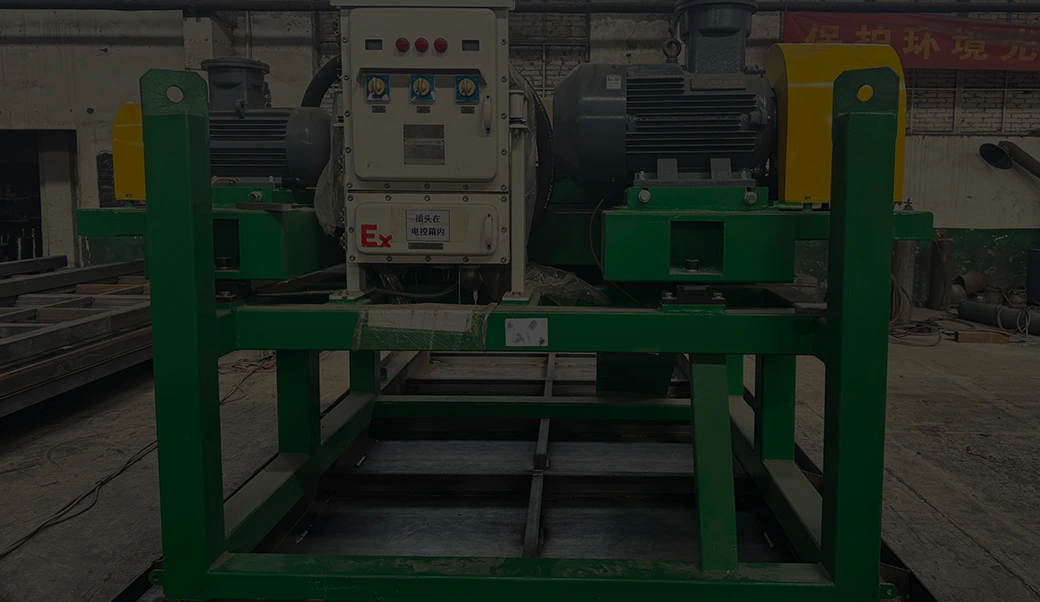
Fine solids recovery represents a persistent challenge across oil and gas drilling, wastewater treatment, and industrial processing operations. When conventional separation methods fail to capture particles smaller than 10 microns, operational efficiency drops, drilling fluid costs surge, and environmental compliance becomes difficult to maintain. Decanter centrifuges address this critical gap by leveraging high-speed centrifugal force to continuously separate ultra-fine solids from liquid phases, achieving separation efficiencies that traditional vibrating screens and hydrocyclones cannot deliver. This technology has become indispensable for drilling contractors seeking to maximize barite recovery, reduce mud disposal volumes, and maintain drilling fluid properties under demanding field conditions.
Understanding the Decanter Centrifuge and Its Principle
Controlled rotational suspension is what a decanter centrifuge does at its core. The bowl spins at speeds between 2,000 and over 4,000 rpm, creating forces of gravity that are up to 3,000 times stronger than Earth's. This strong force speeds up the natural settling process, pushing the denser solid particles quickly toward the bowl wall while the clear liquid stays in the middle. A helical scroll conveyor, which spins at a slightly different speed than the bowl, moves the solids constantly toward the output end, making sure that the machine keeps running.
The Role of Differential Speed in Separation
The difference in speed between the bowl and the scroll determines how long the cake stays in the bowl and how dry it is. A lower difference speed makes the solids stay in the bowl for longer, which makes the output cakes drier but lowers the flow capacity. On the other hand, higher differential speeds increase the amount of material that is processed, but the products that are released may contain more water. Modern units have variable frequency drive (VFD) systems that let workers change this setting in real time based on the feed features. This improves separation performance when drilling fluids and solids ratios change.
Bowl Geometry and Its Impact on Recovery
The shape of the bowl has a big effect on how well the separation works. The length-to-diameter ratio, which is usually between 2.5:1 and 4:1, affects how well the solids are clarified and how long the solids stay in the pipe. Longer bowls have bigger clarification zones that make the liquid clearer and catch smaller particles. The ZC series decanter centrifuge has bowl inside diameters of 356mm and 450mm, and effective lengths of 1,257mm and 1,000mm. These sizes have been shown to work well for managing drilling fluids where particles are usually less than 5 microns. These standards strike a mix between the need for flexibility for rig-based operations and the need for speed for ongoing mud processing.
Key Advantages of Decanter Centrifuges in Fine Solids Recovery
Separation equipment for industrial use needs to be able to handle large amounts of material all the time without losing its reliability or efficiency. Decanter Centrifuges provide quantifiable benefits that directly address the buying goals set by operations managers and drilling engineers.
Superior Fine Particle Capture
Shale shakers that use traditional methods can get rid of particles bigger than 40 microns, but hydrocyclones (also called desanders and desilters) can handle particles smaller than 15-20 microns. Between 2 and 15 microns, there are good barite weighting agents and bad colloidal solids that change the qualities of the mud. High-speed centrifuges that spin faster than 3,000 rpm can pick up particles in this important size range. They can then recover expensive additives and get rid of fines that hurt performance at the same time. This feature has been shown to lower the cost of mud by 20 to 35 percent in weighted drilling operations and make mud last longer in unweighted systems.
Continuous Operation and Process Consistency
Batch separation methods need to be shut down for cleaning and emptying reasons, which slows down the process when drilling rates are high. Centrifugal dividers keep the feed coming in and going out continuously, which is similar to how drilling activities are nonstop. This operating model doesn't stop production and keeps the quality of the output stable even when the feed rate changes. This is a huge benefit when digging through formations with different rock types and cuttings production rates.
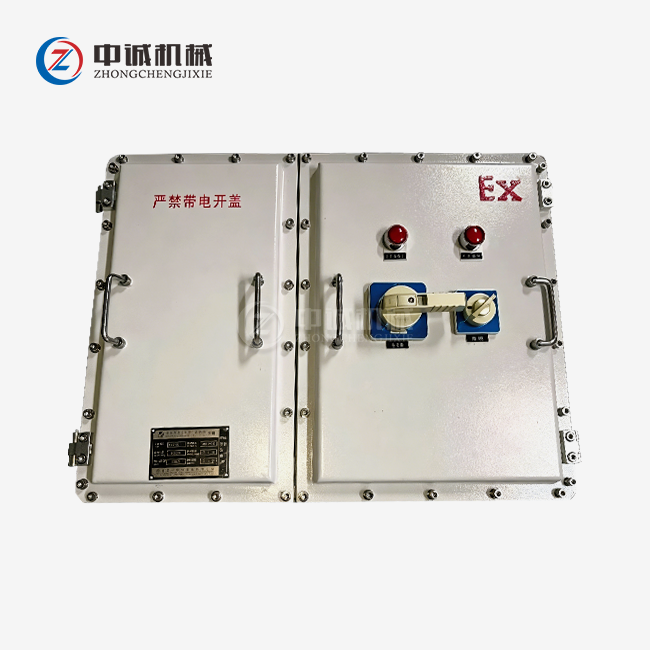
All of the moving parts in the ZC series are dynamically balanced, which makes the machines stable and reduces noise and vibration. This technical method, which has been checked by precise balancing to industry standards, makes sure that the machine can keep running safely during long drilling missions. Maintenance times are much longer than when equipment is loaded unevenly, which lowers running costs and stops unplanned downtime.
Adaptability Across Multiple Applications
Centrifugal separation technology is used for many different things in industry, but its main use is in managing drilling fluid. These machines handle bentonite slurries in trenchless and mining operations and keep the fluid properties stable during horizontal directional drilling projects. Centrifuges are used in industrial wastewater treatment plants to remove water from sludge. Depending on the feed characteristics, they can get cake solids concentrations of 18–30%. This technology is used by mining companies to clean up process water and handle waste materials, which helps them get back valuable minerals while reducing the amount of waste they send into the environment.
Compact Footprint and Mobility
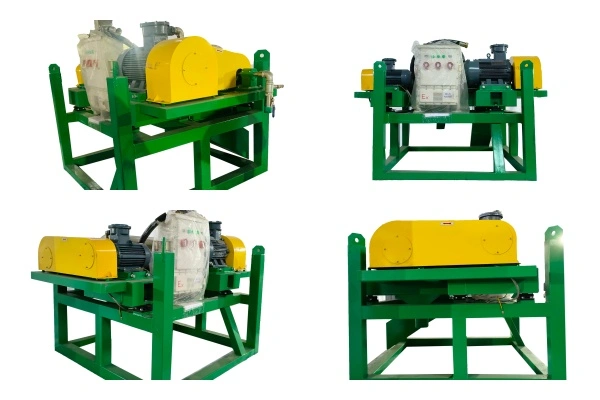
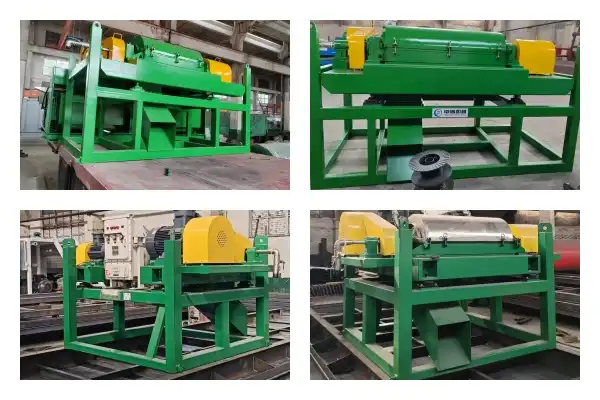
Drilling rigs, especially offshore platforms and mobile land rigs, have to work in very small spaces. Modern centrifuges combine several functions for separation into small packages that can be used in standard rig setups. Skid-mounted designs make it easy to set up and move between drilling sites quickly, which supports the fact that exploration and production drilling are both mobile. When compared to settling tanks or filter press systems of the same capacity, centrifugal separation has a smaller physical footprint. This makes it a great choice for adding to existing rigs.
Comparing Decanter Centrifuges with Alternative Technologies
When making choices about what to buy, it helps to know how the different separation methods compare in terms of performance. Depending on practical needs and process limitations, each method has its own benefits.
Centrifuges Versus Filter Presses
Filter presses get very dry cakes, and the solids that come out of them are usually between 60 and 75% solids. But batch operation needs frequent upkeep on the membrane, filter cloth, and cake discharge cycles. When dealing with the large amounts of waste that come up during active drilling, processing capacity issues become clear. Decanter Centrifuges can operate continuously without frequent filter cloth replacement, even when handling abrasive solids that would quickly wear down filter media. In drilling applications, Decanter Centrifuges provide continuous solid-liquid separation and reduce dependence on consumable filter media. Even though cake moisture is usually higher, at 40–55% solids, Decanter Centrifuges often provide a more practical solution because their continuous operation and low consumable requirements can improve overall cost-effectiveness. For demanding drilling waste treatment, properly configured Decanter Centrifuges can provide reliable processing performance while reducing maintenance interruptions.
High-Speed Versus Middle-Speed Configurations
Middle-speed centrifuges that work at 2,000 to 2,500 rpm are a cheap way to get rid of larger harmful solids during standard drilling sections or collect barite in weighted mud systems. Because they are built to last and have simple drive systems, they are efficient workhorses that don't need much upkeep. Ultra-fine particles are collected by high-speed units that go faster than 3,000 rpm. These are important parts of Drilling Waste Management Systems and low-density mud maintenance programs. The speed choice is directly related to the working goals and particle size.
Models with a VFD add clever speed control, which lets a single unit work across the whole performance range. Based on the features of the mud in real time, operators can change the bowl and difference speeds through control interfaces. This gets rid of the need for multiple separate machines. VFD systems have a feature called "soft-start," which lowers the amount of energy used and the stress on drive parts during startup sequences. This makes the parts last longer and lowers the cost of running the system.
Horizontal Versus Vertical Bowl Orientation
Horizontal configurations are most common in drilling because they are standard in the business, take up less space, and make upkeep easy. When there is floor space but not enough height, vertical bowl centrifuges can be useful in some industrial settings. The horizontal design makes it easier to connect to existing mud systems and places the feed and discharge connections at a height that makes them easy for technicians to reach while they do routine maintenance and inspection work.
Practical Considerations for Procurement and Operation
To buy equipment successfully, you need to carefully look at the specs, the supplier's skills, and the long-term help infrastructure. Procurement managers weigh the instant costs of capital against the total costs of owning the equipment over its lifetime.
Material Selection and Wear Protection
Solids in drilling fluids that are very rough include silica sand, formation cuttings, and barite particles. How long something lasts depends a lot on the materials used and how they are protected from wear. The bowls and conveyors in the ZC model are made of high-strength stainless steel, which gives them basic corrosion resistance and structural stability. Critical areas with a lot of wear get reinforced with tungsten carbide, which increases the time between service visits and lowers the number of new parts needed. This multi-layered method to wear protection strikes a balance between the cost of the equipment at first and its useful life. This addresses worries raised by buyers about the reliability of equipment in harsh field conditions.
Customization and Configuration Options
As you can see, each drilling rig has its own power source, processing needs, and space limitations. When it comes to equipment, suppliers that offer full customization options are much more valuable than those that only sell standard catalog items. Decanter Centrifuges can be customized to accommodate different international operations and rig electrical systems, with motor options covering a wide range of voltage standards and frequencies. Differential speed ranges, bowl size options, and control-system sophistication can all be adjusted to meet the requirements of each application. For example, Decanter Centrifuges can be configured for simple manual operation or integrated into fully automated process control systems. By offering flexible configurations, Decanter Centrifuges can adapt to different drilling environments, processing capacities, and installation constraints. Choosing properly configured Decanter Centrifuges allows operators to match separation performance and control functions with the specific requirements of each drilling project.
The Zhongcheng Machinery Manufacturing Co., Ltd. in Shaanxi Xixian New Area can make customized configurations for a wide range of motor brands, size requirements, and control system architectures. It is known that buyers prefer suppliers who can deliver project-specific solutions instead of making operations change to set equipment specs. This customization feature meets that need.
Installation Support and Technical Documentation
To work as designed and last as long as possible, complex spinning equipment needs to be installed correctly. Maintenance teams can understand how equipment works and do routine service tasks well with the help of detailed technical documentation such as engineering drawings, process flowcharts, component diagrams, and operation manuals. Factory-trained experts help with installation and testing to make sure the machine is set up correctly, aligned correctly, and running at its best from the start.
Quality standards like ISO 9001, ISO 14001, and ISO 45001 show that industrial quality, environmental management, and worker safety are all handled in a planned way. Third-party checks like BV, TÜV, and HSE audits give even more confidence that equipment meets international standards and rules that apply to all drilling markets around the world.
Maintenance Requirements and Spare Parts Access
Reliability of a centrifuge relies on regular lubrication, checking the state of the bearings, and replacing worn parts before they break down completely. Synthetic greases that can handle high temperatures and fast rotational speeds need to be used to grease high-speed bearings on a regular basis. Vibration analysis programs find early signs of bearing wear, misalignment, or imbalance, which lets maintenance work be done on a schedule before major problems stop operations.
Tungsten carbide tiles that cover the scroll flights and ceramic plugs at the discharge ports are examples of wear parts that need to be replaced after a certain amount of time. To keep operations going, procurement deals should include information about the supply of spare parts, when they will be delivered, and how much they cost. When new parts need to be sent out, suppliers with regional parts stocks and established logistics networks keep equipment running as smoothly as possible.
Real-World Applications and Case Studies
Examples of real-world applications show how centrifugal separation technology can be used to solve specific problems in drilling and industrial processing settings.
Drilling Waste Management Systems
Environmental rules are very strict for offshore drilling sites, so they can't just dump drilling trash overboard. Integrated drilling waste management systems use high-speed centrifuges as the last piece of processing equipment. They lower the amount of fluid in the cuttings before they are sent to landfills on land or to thermal treatment units on board. Compared to traditional shale shaker processing, this method reduced the amount of cuttings by 40–60%, which directly cut down on shipping costs and dumping fees while also making the process more environmentally friendly.
Barite Recovery in Weighted Mud Operations
For deep well digging, the mud has to have a density of more than 16 pounds per gallon, which means that a lot of barite has to be added. Without good solids control, expensive barite weighting agent leaks out with drilled cuttings, needing to be replaced all the time and making a lot of waste. Middle-speed centrifuges set up as separate barite recovery units process mud streams that have been thrown away. They separate useful barite from trash cuttings and return the recovered material to the active system. According to operations, barite saves 30 to 50 percent and pays for itself in less than six months based on current material costs and waste costs.
Geothermal Drilling Fluid Management
High temperatures, corrosive formation fluids, and long drilling times are some of the unique problems that come up when building a geothermal well. To keep the drilling fluid's properties during these tough projects, solids control must be done well so that rock fines don't build up and hurt the mud's performance. Centrifuge installations on geothermal projects improved the rate of entry, cut down on the need for mud mixing, and increased bit life by consistently removing ultra-fine particles that cause bit balling and differential sticking problems.
Conclusion
Fine solids recovery used to be an optional process, but now it's an important part of drilling and industrial work. Decanter Centrifuges are great because they can separate things continuously, capture fine particles efficiently, and give you a lot of operational options. These features directly help with controlling costs, meeting environmental standards, and improving performance, all of which are important for modern businesses. Effective solids control becomes more important from a strategic point of view as formations get harder and regulatory standards get stricter. When choosing equipment, businesses are more likely to be successful in a wide range of drilling settings and processing needs if they choose options with proven technology, full supplier support, and the ability to be customized to fit specific needs.
FAQ
How do you handle highly abrasive materials that accelerate equipment wear?
Abrasive feed materials need extra safety steps on top of what is normally used in building. When put on scroll conveyor flights, tungsten carbide tiles make them very hard and protect them from wear from silica sand and formation cuttings. These high-speed impact zones are protected by ceramic plugs placed at the discharge holes where solids leave the bowl. Regular inspections and replacing worn parts before they completely break down stop damage to the structure below, which keeps equipment lasting even when it's working with very rough slurries.
What causes discharge cake moisture higher than expected, and how can it be corrected?
Too much water in the solids that are being discharged usually means that the differential speed settings are off or that there isn't enough centrifugal force being applied. Lowering the difference speed increases the time that grains stay in the bowl, which lets more liquid drain and pack down. Units with a VFD allow for stepless tuning to match the features of the current feed without making any mechanical changes. On the other hand, raising the bowl speed increases the G-force, which makes it easier for the liquid and solid to separate. When parameters are optimized correctly, moisture goals are balanced against the need for output and power waste.
Can centrifuges handle fluctuating feed concentrations without compromising performance?
Modern units have automatic systems that track the load on the scroll drive in real time and measure torque. When the quantity of solids quickly goes up, torque goes up too. Control systems react by changing the scroll speed, which stops overloading and keeps the discharge properties constant even when the feed changes. This automated adaptation feature is very useful in drilling, where changes in the formation cause cuttings generation rates and drilling fluid properties to change quickly.
Partner with Zhongcheng Machinery for Reliable Decanter Centrifuge Solutions
Choosing the right decanter centrifuge provider affects both the short-term success of the project and the long-term performance of the business. Shaanxi Xixian New Area Zhongcheng Machinery Manufacturing Co., Ltd. has been in business for more than 30 years and has helped drilling firms, oilfield service companies, and industrial handlers all over the world with solids control. Our ZC series centrifuges have tried-and-true mechanical designs and can be configured in a variety of ways to fit different rig layouts, power systems, and processing needs. Manufacturing methods that are ISO-certified, full one-year warranties, and fast technical help from experienced engineers give procurement teams the confidence they need to choose important equipment.
Our engineering team creates custom solutions that fit your needs, whether you need a high-speed VFD centrifuge to remove ultra-fine solids or a middle-speed unit to get back barite. We can meet both urgent replacement needs and planned project plans because in-stock items can be shipped within three days and custom configurations can be provided within fifteen days. Email us at oliver@zcgukong.com to talk about your fine solids recovery problems and get expert advice on choosing a centrifuge, setting it up, and integrating it into your system. Visit zcsolidscontrol.com to see our full line of solids control equipment and learn how working with an expert decanter centrifuge maker can help you save money and time while drilling.
References
1. Amoco Production Company, "Drilling Fluids Manual," Amoco Production Company, 1994.
2. Baker Hughes, "Solids Control Handbook: Fourth Edition," Gulf Professional Publishing, 2020.
3. International Association of Drilling Contractors, "Drilling Manual: Twelfth Edition," IADC Publishing, 2015.
4. Miska, Stefan Z., "Applied Drilling Engineering," Society of Petroleum Engineers, 2011.
5. Records, L.R., "Centrifuges for Drilling Mud Solids Control," Journal of Petroleum Technology, vol. 35, 1983.
6. Schlumberger, "Oilfield Glossary: Centrifuge," Schlumberger Limited, 2022.
.webp)