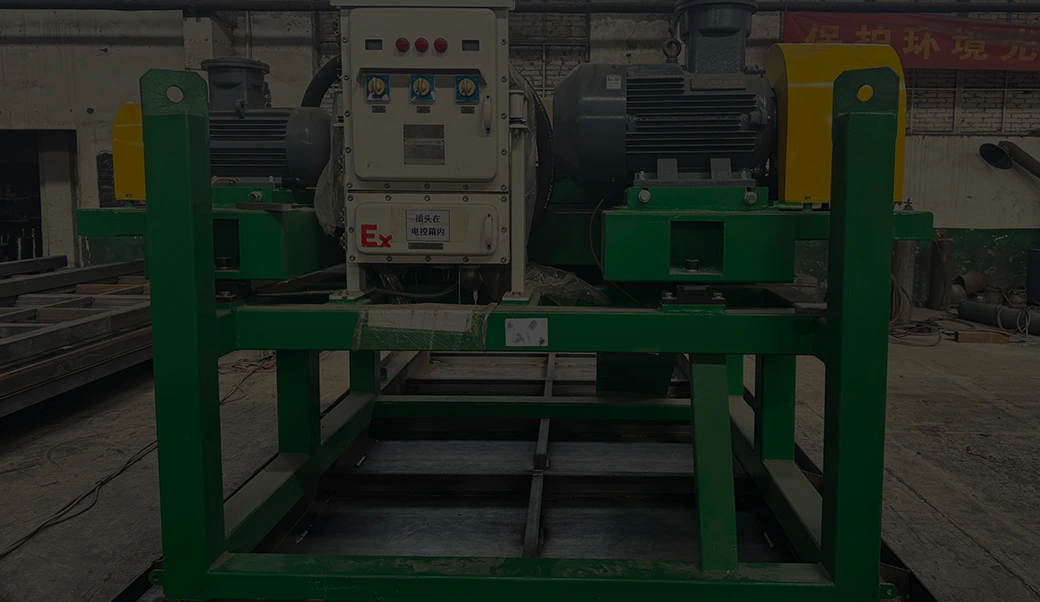
Yes — a shear pump can directly address poor mud quality caused by uneven mixing. When polymers and bentonite fail to fully hydrate, drilling fluid loses its rheological consistency, leading to costly operational setbacks. A shear pump generates intense mechanical shear forces through a high-speed impeller-stator configuration, breaking down undissolved clumps at the particle level. The result is complete additive utilization, uniform viscosity distribution, and stable mud performance. For drilling contractors managing tight schedules and strict fluid specifications, this equipment is not optional — it is foundational.

Understanding Poor Mud Quality and Its Causes
One of the most persistent problems in drilling is uneven mud quality, which has effects that go far beyond the mixing tank.
What Triggers Inconsistent Mud Performance?
Poor mud quality is usually caused by three issues that are all connected: particles that aren't spread out evenly, stickiness that isn't constant, and air getting stuck in the fluid matrix. For example, "fish-eyes" are dry clumps that form on the surface of particles when bentonite or polymer fillers are added without enough kinetic energy. These clumps don't react with chemicals, so the addition doesn't fully change the qualities of the fluid as it should. Studies on non-Newtonian fluid behavior show that high-molecular-weight polymers can lose up to 30% of their effective viscosity when they don't fully hydrate. This makes the wellbore less stable and makes transport less efficient.
Normal mixing tools, like centrifugal pumps, gear pumps, and lobe pumps, use pressure differences to create flow instead of controlled mechanical shear. This method works pretty well for homogeneous fluids with low viscosity, but it doesn't work well at all for rough, high-density drilling muds. There are dead spots in the mixing bowl; some areas of fluid don't get much movement, and it's still hard to get the batch to be uniform. Based on these limits, it's easy to see why a completely different method is needed.
How Shear Pumps Work to Improve Mixing and Mud Quality
A Shear Pump is different from other pumps because it creates high-speed shear zones in the fluid stream on purpose.
The Mechanical Principle Behind Superior Hydration
In a Shear Pump, a high-speed impeller with sawtooth or perforated edges spins close to a stator. Fluid that flows through this small opening is also subject to strong mechanical impact and turbulence. Usually, rotation speeds are between 1,450 and 2,900 RPM, which creates shear rates high enough to break up polymer agglomerates and force clay to fully hydrate. A normal centrifugal pump moves fluid faster outward. This equipment moves fluid through a controlled shear zone, which gets rid of dead spots and makes mud qualities that are the same from batch to batch.
The effect on the performance of the drilling fluid can be measured. Full polymer hydration raises the effective viscosity to the right level, improves particle suspension, and keeps the fluid density fixed throughout the circulation system. Complete additive breakdown has been found to be the most important factor in getting goal mud weight and yield point values in research into drilling fluid rheology.

Evaluating Shear Pumps for Industrial Mud Mixing: Key Considerations
Aside from basic flowability, picking the right mud shearing tools requires looking at a number of technical and operational factors.
What Procurement Teams Should Examine
When looking at different choices for conditioning mud for good performance, pay close attention to the following:
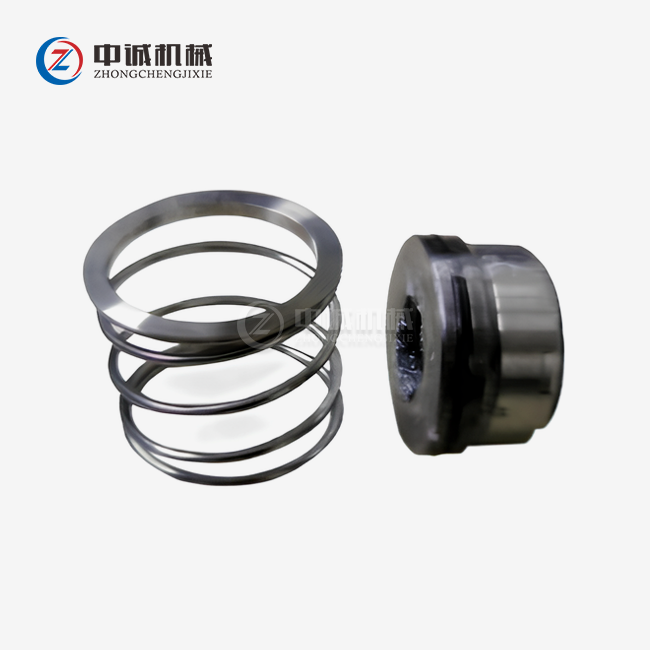
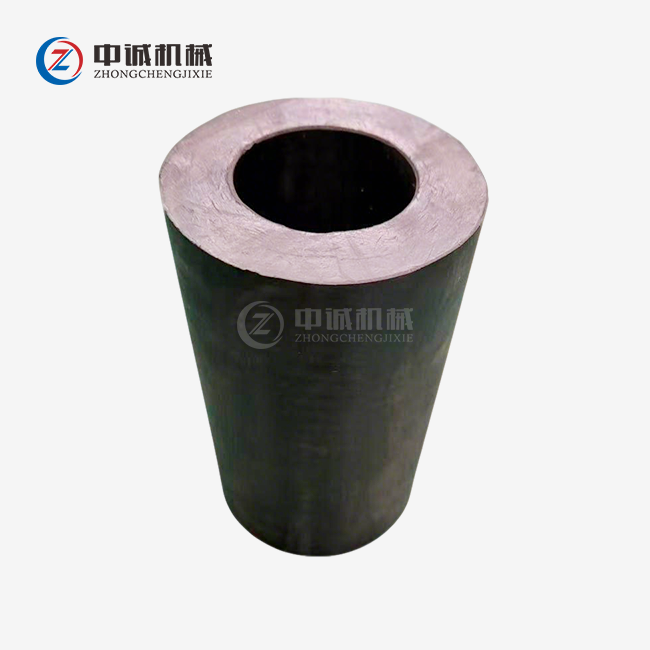
- Material construction: Parts that are wet must be able to withstand constant wear from weighted muds that contain barite and silica. The toughness needed for drilling conditions comes from high-chrome metals or nodular iron with tungsten carbide layers on the wear areas.
- Seal system integrity: Every 500 to 800 hours of operation, mechanical seals in high-solids environments need to be checked. When cooling flow is maintained, tungsten carbide-to-tungsten carbide seal faces greatly increase the time between service intervals.
- Motor sizing: The density of the fluid has a direct effect on the power draw. For muds up to 2.4 g/cm³, the right motor size keeps the machine from overheating and keeps the shear power constant even when the mud weight changes.
- System integration: The equipment must work well with solid control systems, mud tanks, and circulation lines that are already in place, without needing major changes to the pipes.
These factors help purchasing managers look at more than just prices. They also look at the total cost of ownership over the life of the tools. A properly chosen pump lowers the need for chemicals, increases the time that fluid can be used, and lowers unexpected downtime. All of these things have real-world financial benefits for ongoing drilling projects.
Real-World Applications: Shear Pumps Solving Mud Quality Challenges
High-shear mixing equipment has consistently shown performance improvements in a number of drilling environments.
Field Evidence From Drilling Operations
When oil and gas drilling is done onshore, companies that use Shear Pumps to prepare the mud say they save 15–20% on chemical additives compared to traditional hopper-and-agitator methods. Due to the fact that chemicals fully hydrate on the first pass, less material is needed to meet fluid standards. This directly lowers the cost of materials for long drilling campaigns.
In shale gas development, high-performance water-based and synthetic muds must keep precise rheological profiles at temperatures below 150°C. Incomplete polymer hydration causes viscosity instability that makes it hard to move cuttings. By ensuring that each batch is fully chemically activated before entering the active mud system, Shear Pumps placed during the mud preparation stage remove this variability.
In geothermal drilling and concrete foundation building, similar benefits apply. Uniform bentonite slurries with consistent gel strength stop fluid loss and improve the integrity of the borehole, which directly helps the project stay on schedule.
Procurement Guide: Zhongcheng Machinery Shear Pump Specifications
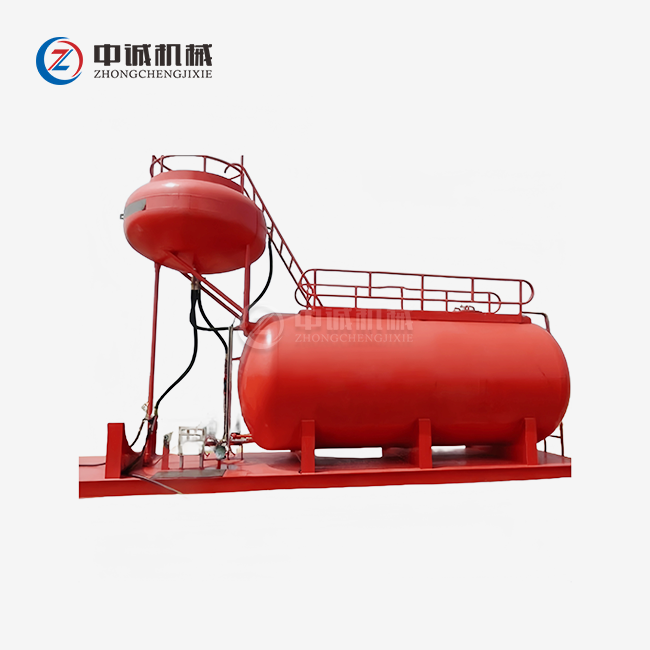
The Shear Pumps made by Shaanxi Xixian New Area Zhongcheng Machinery Manufacturing Co., Ltd. are designed to prepare drilling fluids and dissolve polymers quickly and efficiently.
Here are the core technical and operational parameters of this equipment:
- Head range: 21–40 m; works with a variety of mud system configurations
- Flow capacity: 28–320 m³/h; can be changed from small rigs to big ZJ-series systems.
- Motor power: 5.5–75 kW, and top domestic and international brands are available.
- Wet parts: Materials that are highly resistant to wear and corrosion and are made for harsh oilfield conditions
- Seal system: High-quality mechanical seal made for continuous running with high solids
- Certifications: ISO 9001/14001/45001 | HSE Standards | TÜV & BV Approved
In addition to the technical details, the practical benefits of this tool make a strong case. The high-shear fan design spreads the drilling fluid ingredients evenly, making the whole batch more stable and uniform. The construction that resists wear makes the service life longer when it is used all the time. Stable, low-noise performance makes maintenance easier, and the pump works seamlessly with solid control systems in the oilfield, so it doesn't get in the way of rig operations.
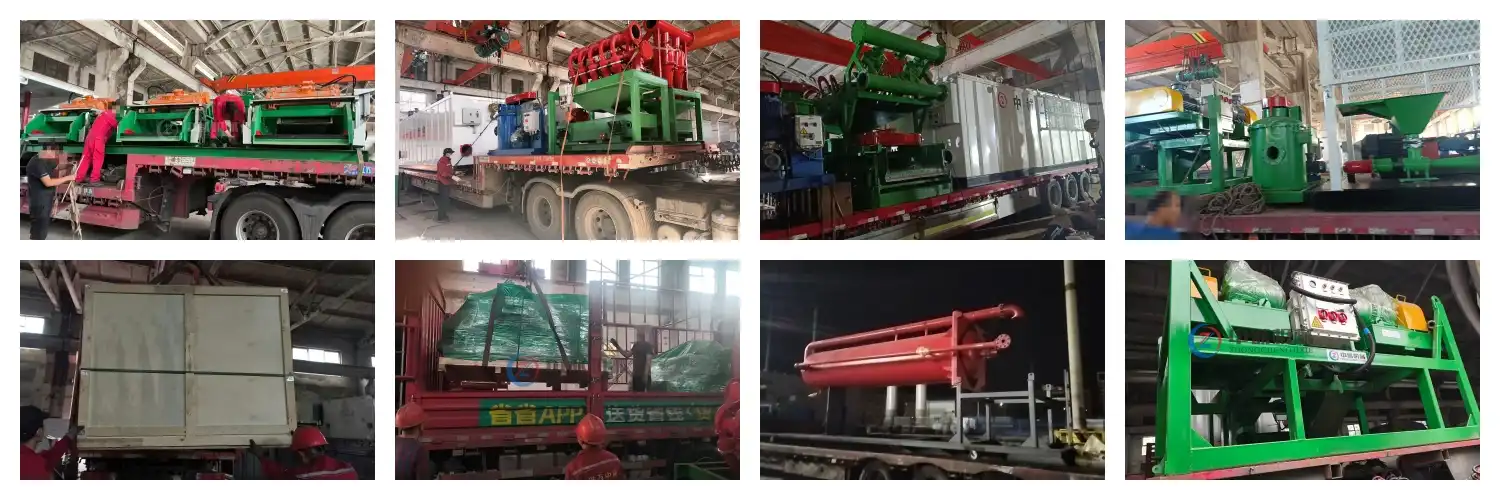
Support for logistics and testing is fully covered. The equipment is shipped in safe packaging made of plastic film, rainproof tarps, and strapping. Depending on the needs of the project, boxes or wooden crates can also be used. As standard, installation instructions, help with commissioning, and a 1-year warranty are included.
Conclusion
In conclusion, a Shear Pump is the most direct answer to the problem of poor mud quality brought on by uneven mixing. This equipment achieves full additive hydration, stable viscosity, and consistent fluid performance that regular pumps can't match. It does this by creating controlled mechanical shear at the molecular level. Adding the right type of Shear Pump to the mud preparation system can help drilling contractors, oilfield service companies, and EPC project teams keep the fluid quality high in harsh well conditions. This leads to measurable improvements in efficiency, chemical use, and operational dependability.
FAQ
Why should I choose a shear pump over a standard mixing hopper?
Solids are added to the fluid stream by a mixing hopper, but it doesn't have the mechanical energy to break down fish-eyes or fully hydrate the chemicals. The controlled impact provided by a Shear Pump fully activates additives, cutting down on chemical waste and enhancing fluid consistency.
How often should the mechanical seal be inspected?
Every 500 to 800 hours of use, seals should be checked in high-solids drilling situations. When the cooling system is well taken care of, the tungsten carbide seal faces last a lot longer.
Does this equipment affect drilling fluid viscosity?
Yes. It usually raises the effective viscosity to the right level by fully drying plastics and clays. To keep sensitive polymer formulas from being over-processed, operators should keep an eye on the shear strength.
What mud density can this equipment handle?
Professional-grade machines can handle mud levels of up to 2.4 g/cm³, as long as the motor is the right size for the specific gravity of the fluid.
Can shearing intensity be adjusted?
The amount of shearing can be changed by using a variable frequency drive (VFD) to change the speed of the impeller or by adjusting the distance between the impeller and the stator when maintenance is due.
Partner With a Trusted Shear Pump Manufacturer for Your Next Project
ZHONGCHENGJIXIE has a full line of Shear Pumps designed to break down polymers in oilfields and improve the performance of mud. We offer speed and dependability with over 30 years of experience, ISO/TÜV/BV certifications, and in-stock units that can be sent out within 3 days. You can email our team at oliver@zcgukong.com or go to zcsolidscontrol.com to get details and a quote that is tailored to your project.
References
1. Bourgoyne, A.T., Millheim, K.K., Chenevert, M.E., & Young, F.S. — Applied Drilling Engineering, Society of Petroleum Engineers, 1991.
2. API Recommended Practice 13B-1 — Recommended Practice for Field Testing Water-Based Drilling Fluids, American Petroleum Institute, 2019.
3. Darley, H.C.H. & Gray, G.R. — Composition and Properties of Drilling and Completion Fluids, Gulf Professional Publishing, 1988.
4. Caenn, R., Darley, H.C.H., & Gray, G.R. — Composition and Properties of Drilling and Completion Fluids (6th ed.), Elsevier, 2011.
5. SPE Journal — Rheological Characterization of Water-Based Drilling Fluids Under High-Pressure High-Temperature Conditions, Society of Petroleum Engineers, 2017.
6. Journal of Petroleum Science and Engineering — Effect of Polymer Hydration on Drilling Fluid Performance in Shale Gas Wells, Elsevier, 2020.