In oilfield operations, time equals money. Every hour lost to equipment failure translates to tens of thousands of dollars in missed production targets. At Shaanxi Xixian New Area Zhongcheng Machinery Manufacturing Co., Ltd., we understand how critical reliable mud circulation is to drilling efficiency. Our heavy-duty Centrifugal Pump systems are engineered specifically to minimize unplanned downtime, delivering strong suction power and high displacement efficiency that keeps drilling fluid moving even in the toughest conditions. With over three decades of industry experience, we've designed Centrifugal Pump equipment to handle abrasive slurries and viscous drilling mud without compromising performance, helping contractors across the United States maintain operational continuity and protect their bottom line. By choosing a reliable Centrifugal Pump, drilling contractors can maintain stable mud circulation and improve overall equipment performance. Our Centrifugal Pump solutions are built to support demanding drilling applications where durability, consistent flow, and dependable operation are essential.
Understanding Heavy-Duty Centrifugal Pumps in Mud Processing Systems
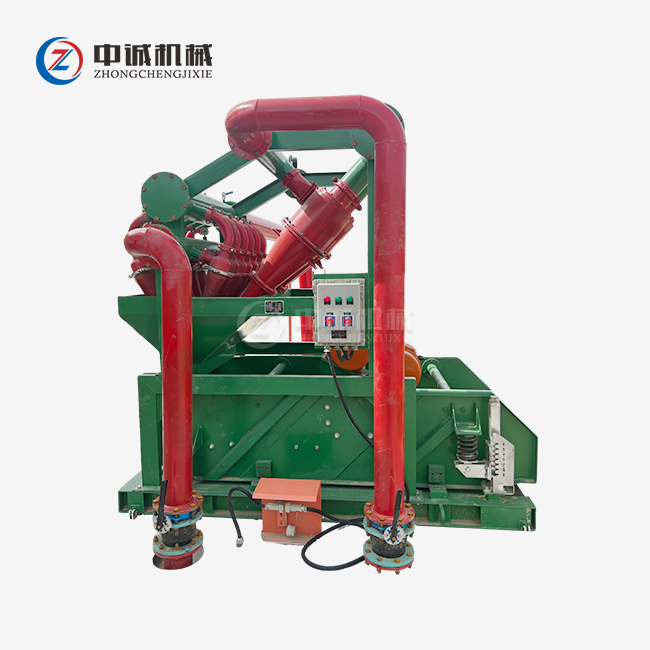
Transferring gritty drilling fluid between shale crushers, desanders, desilters, and mud tanks, Heavy-Duty Centrifugal Pumps are the backbone of contemporary solid control systems. In contrast to positive displacement pumps, these pumps use the rotational energy from an impeller to speed up fluid moving outward in a radial direction. This turns mechanical input into hydraulic pressure and flow.
Working Principle and Core Components
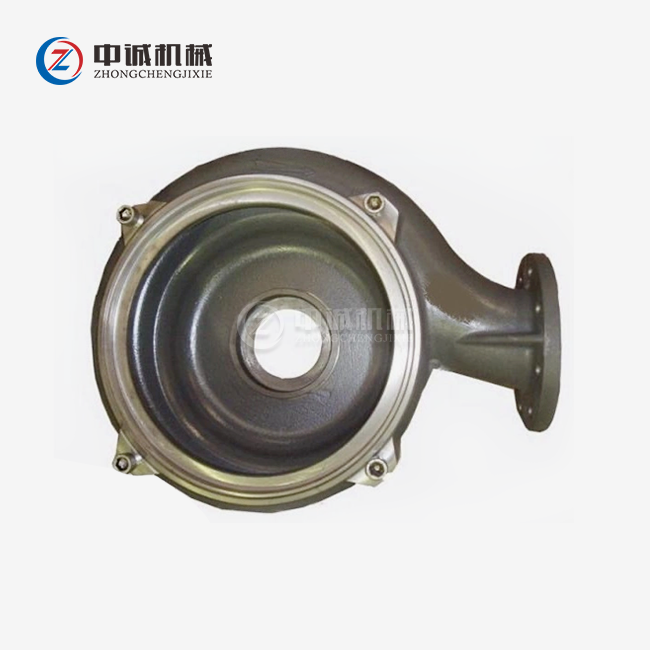
The pump's impeller spins very quickly inside a strong housing, creating centrifugal force that moves the mud from the suction inlet to the discharge outlet. Precision-machined impellers, mechanical seals that stop leaks, heavy-duty bearings that support the spinning assembly, and volute casings that easily change speed into pressure are some of the most important parts. Every part that is used in mud preparation is constantly exposed to sand particles, chemicals, and changes in temperature.
Material Selection for Abrasive Service
Standard cast iron just can't handle the abuse of drilling mud. Our units are made with ductile iron for the casings and wetted parts, which makes them very resistant to impact and wear. One of the most common ways things fail is early wear caused by sand and drill bits floating in the fluid stream. This choice of material directly addresses this problem. The hydraulic design makes sure that the flow patterns are stable, which lowers the chance of turbulence and damage inside the structure.
Configuration Options
Horizontal layouts are most common in mud processing setups because they are easy to maintain and connect to electric motors or diesel engines. The head and capacity needs of solid control systems are usually met by single-stage designs. These can handle specifications of 21 to 40 meters of head and 28 to 320 cubic meters per hour. Motor power ranges from 5.5 to 75 kilowatts, so it can be perfectly matched to the needs of any rig, from small ZJ20 units to heavy-duty ZJ90 drilling jobs.
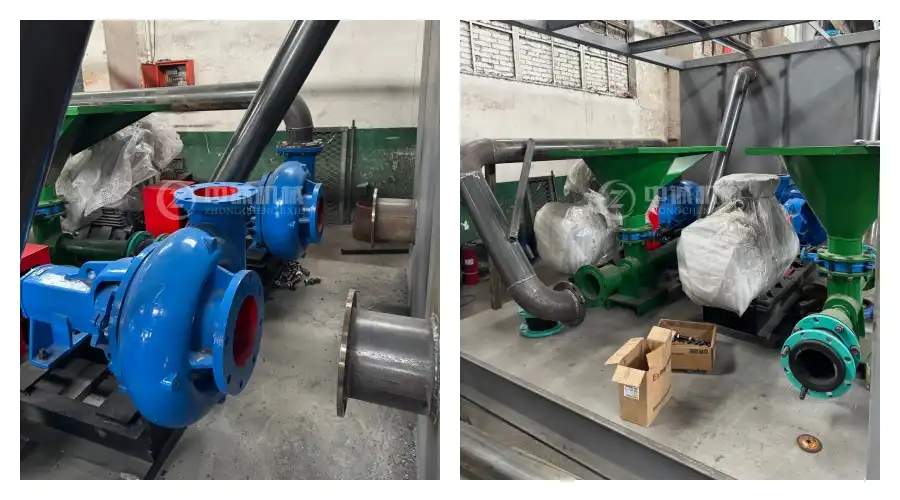
Common Downtime Issues in Mud Processing and Their Causes
Contractors who do drilling often complain that mud pumps break down without warning, stopping work and needing expensive repairs. Getting to the bottom of problems helps buying managers choose equipment that doesn't cause these problems.
Abrasive Wear and Material Breakdown
Sharp sand grains, rock pieces, and weighting materials in drilling fluid make it behave like liquid sandpaper. When a Centrifugal Pump is built with unsuitable materials, the impeller vanes, casing walls, and seal faces can wear away quickly. This wear gradually reduces the performance of the Centrifugal Pump, lowering flow rates and increasing power requirements until a serious failure occurs. A properly engineered Centrifugal Pump with abrasion-resistant components can provide more reliable performance when handling abrasive drilling fluids. Selecting a durable Centrifugal Pump helps reduce wear-related maintenance, maintain stable flow, and extend equipment service life. For demanding drilling applications, a high-quality Centrifugal Pump can provide the durability needed to handle continuous exposure to abrasive solids.
Cavitation Damage
When the Net Positive Suction Head Available goes below the needed level, vapor bubbles form at the turbine outlet. As the pressure rises, the bubbles rapidly collapse, sending shock waves that wear away metal surfaces. Cavitation causes noise, shaking, and harm called pitting that drastically shortens the life of equipment. This damaging effect happens when the suction line isn't designed correctly or when pumps are used beyond their normal job point.
Seal and Bearing Failures
In harsh settings with mud and rough bits that speed up wear, mechanical seals are used. When a seal fails, fluid and air can leak out, which lowers the efficiency of the system. Similarly, bearings that are put under too much radial load because of misaligned or unbalanced impellers wear out too quickly. These issues are made worse by bad lubrication methods, especially in remote digging sites where upkeep may not be done regularly.
Root Causes Amplifying Risk
Several operational factors make it more likely that there will be downtime. Small problems can get worse before they get fixed if you don't do enough preventative upkeep. Running pumps outside of their design range—above their rated capacity or against too much release pressure—speeds up the breakdown of their parts. If the materials used to build the pump don't work with the chemistry of the mud, corrosion or chemical attack can happen without warning.
How Heavy-Duty Centrifugal Pumps Improve System Reliability and Reduce Downtime
Buying mud pumps that are specifically made for the job increases performance and operating efficiency in a way that can be measured. Our equipment is made with design features and material technologies that were created to get around the problems that come with handling rough fluids.
Enhanced Durability Through Material Innovation
The ductile iron used to make our pump casings and wetted parts makes them more resistant to damage from impact and wear than other materials. This edge in metalworking directly leads to longer service life, even when working with drilling mud that has a lot of solids in it. The material keeps its shape even when it is heated and cooled many times, which is common in drilling operations that go on all the time.
Optimized Hydraulic Design
Engineers at our factory have improved the shape and profile of the volute and impeller to reduce internal turbulence and hydraulic losses. This improvement makes sure that the flow characteristics stay the same across the working range. This saves energy and stops vibrations caused by flow. The design also makes it easy to use as an extra priming pump when needed, which gives drilling operations more options.
Preventive Maintenance and Monitoring
Here are the main reasons why preventive maintenance is a good idea:
Accessible Design: The horizontal layout makes it easy to check the mechanical seals, bearings, and wear areas without taking the whole thing apart. At regular intervals, maintenance teams can quickly check the state of parts.
Less Vibration: The small size and precise balancing keep the vibration levels low while the machine is running. Less vibration means less stress on the mounting points and pipes that are connected to them. It also lets you know early on when something is wrong.
Availability of Components: Our large collection of spare parts makes sure that important wear items are always accessible with short wait times. Contractors who run more than one rig can keep standard parts like seals, bearings, and impellers in stock nearby.
These maintenance-friendly features allow drilling operation managers to establish effective condition-monitoring systems for Centrifugal Pump equipment. By monitoring Centrifugal Pump vibration patterns, seal leakage rates, and power consumption trends, operators can identify early signs of wear before they develop into serious problems. This condition-based approach helps maintenance teams schedule repairs during planned downtime instead of dealing with unexpected emergencies. Regular monitoring of Centrifugal Pump performance can also improve equipment reliability, reduce maintenance costs, and extend service life. For demanding drilling applications, integrating condition monitoring with a Centrifugal Pump maintenance program provides better visibility into equipment health and supports more stable operations.
Energy Efficiency and Operating Cost Reduction
The practical costs are directly affected by how well hydraulics work. Our pumps turn the power from the motor into useful hydraulic work with very little loss, so they use less fuel or electricity. Because efficient energy conversion lowers operating temperatures, seals and bearings last longer. This creates a cycle of dependability and cost savings. Over thousands of hours of operation, these improvements in speed add up to big savings that make the economics of the drilling project better.
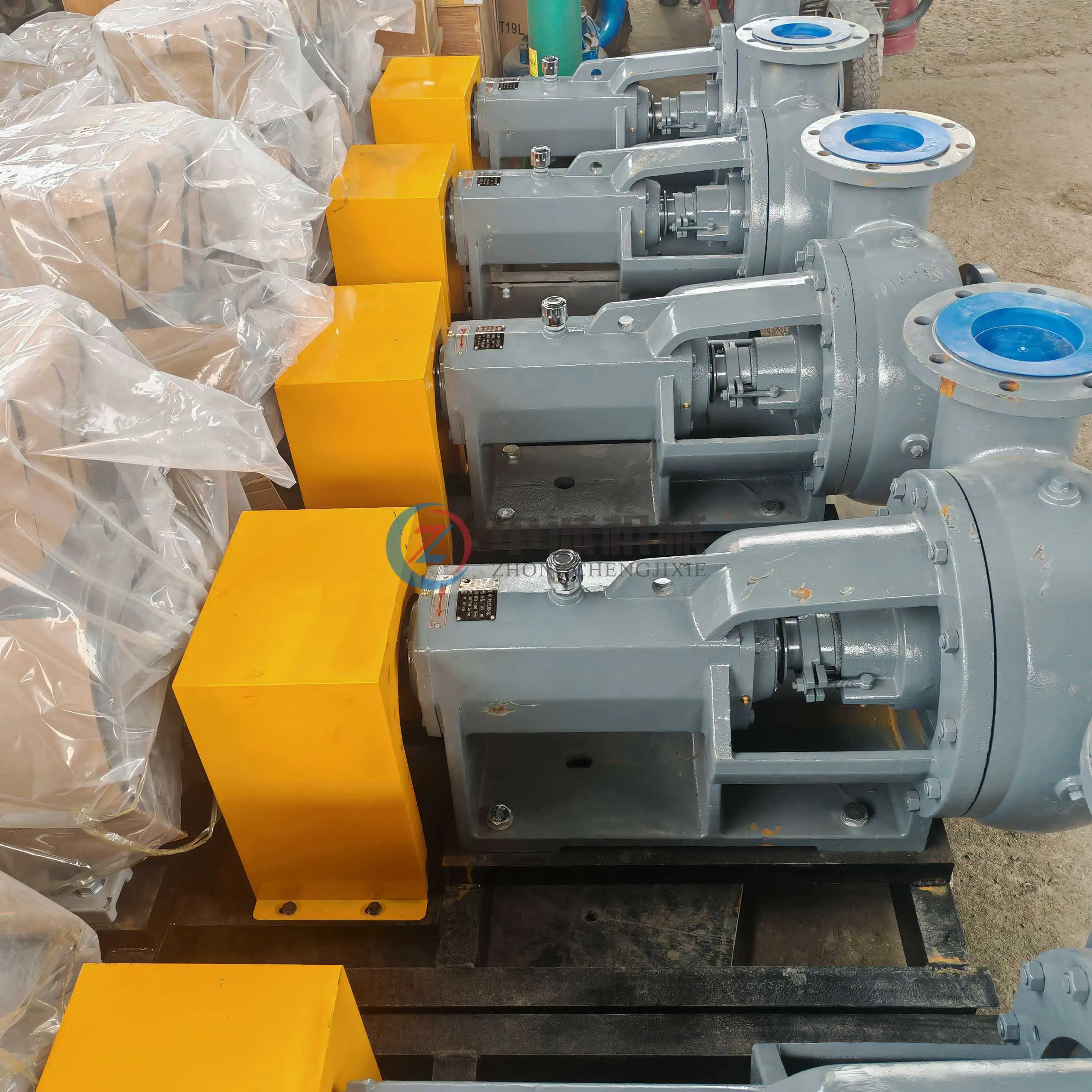
Selecting the Right Heavy-Duty Centrifugal Pump for Mud Processing Systems
Before making a purchase decision, you need to carefully look at the technical needs, the supplier's abilities, and the total cost of ownership. Making smart decisions about what to buy makes sure that the equipment works well for as long as it's supposed to.
Evaluating Performance Requirements
First, write down the system's flow rate requirements, taking into account the fastest mud flow rates that you expect to see. Find the needed release pressure by using the length of the pipes, changes in slope, and the back pressure of the equipment. Make sure that these duty points are in line with what the manufacturer says so that the pumps you choose work close to their most efficient point and not at the very ends of their performance curves. Our units can hold anywhere from 28 to 320 cubic meters per hour, and their heads can be anywhere from 21 to 40 meters, so they can fit a wide range of drilling rig designs.
Material Compatibility Assessment
Look at the solids amount, particle size distribution, pH levels, and chemical additive makeup of the drilling mud. Make sure that the materials used in the pump will not rust or wear down under these conditions. Ductile iron construction works well with most types of oilfield mud, but if the mud has unusual properties or is very rough, extra safety measures may need to be taken.
Supplier Evaluation Criteria
Check the supplier's skills that affect long-term satisfaction in addition to the product specifications. When it comes to delivery times, they matter. Our in-stock units ship within three days, and special designs usually arrive within fifteen days. The warranty protects you from danger during the important first few months of use; we offer full one-year warranty assistance. Technical support after the sale helps fix problems and improve performance; our team offers installation help, commissioning support, and training on how to use the product. Compliance with certifications shows a dedication to quality. Our ISO 9001, ISO 14001, and ISO 45001 certifications, along with TÜV and BV approvals, show that we follow foreign standards.
Configuration Considerations
Most mud processing systems work best with horizontal pumps because they are easy to maintain and connect to motors. Vertical setups are useful in certain situations where floor space is limited. The types of motors should meet the power sources that are available, such as a 50Hz or 60Hz electrical feed or diesel-powered mechanical power. Customization services that are easy to use let you change the sizes, connections, and extra features to fit the needs of your project.
Case Study: Successful Downtime Reduction in Mud Processing Using Heavy-Duty Centrifugal Pumps
A medium-sized drilling company with several ZJ50 and ZJ70 rigs working in shale formations across Texas had problems with its mud pumps that kept breaking down, disrupting drilling schedules and increasing maintenance costs. The common industrial Centrifugal Pump systems they were using were not designed for such demanding conditions, so they had to be replaced every 800 hours of operation and required frequent seal repairs in between. Replacing the existing equipment with a more durable Centrifugal Pump could help improve resistance to abrasive drilling fluids and reduce maintenance interruptions. A properly selected Centrifugal Pump can provide more consistent mud circulation under demanding operating conditions. By choosing a heavy-duty Centrifugal Pump designed for drilling applications, operators can potentially extend service intervals, reduce unplanned downtime, and improve overall drilling efficiency.
Problem Identification
High-solids drilling mud caused abrasive wear that quickly broke down cast iron impellers and casings, according to the study. Failures that couldn't have been avoided with upkeep alone happened because the wrong materials were used for the job. For the job, the worker needed equipment that was designed and built to handle mud.
Solution Implementation
The contractor worked with us to put in place heavy-duty rotating mud pumps made of malleable iron and designed to work better with hydraulics. The choice of equipment was based on the needs of each rig. For example, 45-kilowatt units were used for circulation on ZJ50 rigs, while 55-kilowatt units were used for bigger ZJ70 setups. We gave detailed instructions on how to install the equipment, did the commissioning on-site, and taught the maintenance staff the right way to operate and inspect it.
Measurable Results
Following a review time of eighteen months, the contractor noted major changes. The average amount of time that equipment worked before breaking down went up to 3,200 hours, which is four times better than before. Unplanned downtime caused by mud pump problems went down by 73%, which meant that important drilling days were recovered. Maintenance costs went down by 58 percent because parts were replaced less often and emergency repair premiums were eliminated. Managers of drilling operations said that the consistency of fluid circulation had improved, which made the solid control system work better overall.
This proof from the real world shows that equipment designed for certain uses has real operational and cost benefits. Since then, the contractor has made our pumps the same across their whole fleet and has bought more solid control equipment to go with them.
Conclusion
Heavy-Duty Centrifugal Pumps designed specifically for mud processing are an investment in operational dependability and cost control. Better materials, better hydraulic design, and a building that is easy to maintain are some of the ways that these pumps reduce unexpected downtime that hurts the profitability of drilling projects. Careful selection based on specific needs, along with responsive supplier capabilities and full technical support, makes sure that equipment works reliably for long periods of time. It has been proven in the field that switching from standard industrial pumps to specialized mud processing equipment leads to measurable improvements in uptime, maintenance costs, and operational efficiency.
FAQ
What service intervals maximize centrifugal mud pump lifespan?
Visual checks should be done every 500 hours to look for leaks in the seal, strange vibrations, and high bearing temperatures. Every 2,000 hours, do thorough upkeep like replacing the seals and greasing the bearings. Do a full teardown check and wear estimate once a year or after 8,000 hours of use, whichever comes first. Actual times may change depending on how rough the mud is and the working conditions, so keep an eye on performance trends and make changes to plans as needed.
What early warning signs indicate impending pump failure?
Listen for changes in the noise level—sounds like grinding, rattling, or cavitation can mean that problems are starting to show up. Monitor tremor levels; increases suggest bearing wear, unbalance, or misalignment. Keep an eye out for seal leaks, even if they start out small and get worse over time. Track the amount of power you use; a rise in amperage at a steady load means that internal wear is lowering efficiency. Address these signs quickly to avoid catastrophic failures.
Can pumps be customized for specific mud characteristics?
Of course. We offer customization services including material upgrades for extreme abrasion resistance, impeller geometry modifications for viscous fluids, seal design changes for high-pressure uses, and motor choices matching available power infrastructure. By giving us thorough information about the mud's density, solids content, particle size, and chemistry, you can help our engineering team come up with the best specs for your situation.
Partner With a Reliable Centrifugal Pump Manufacturer
The Shaanxi Xixian New Area Zhongcheng Machinery Manufacturing Co., Ltd. has been making solid control equipment for the oil industry for more than thirty years and brings that Knowledge to every job. We provide heavy-duty Centrifugal Pumps designed especially for the demanding needs of mud processing systems as a direct manufacturer with our own patents and extensive ISO certifications. Through better materials, tried-and-true hydraulic designs, and quick technical support, our equipment helps drilling workers all over the US cut down on downtime, lower maintenance costs, and boost operating efficiency. Our team can help you with solutions that are tailored exactly to your needs, whether you run small research rigs or large drilling sites. You can email us at oliver@zcgukong.com or go to zcsolidscontrol.com to talk about your specific needs, get detailed technical specifications, and find out how reliable mud circulation equipment can help protect your drilling investment.
References
1. Karassik, I. J., Messina, J. P., Cooper, P., & Heald, C. C. (2008). Pump Handbook (4th ed.). McGraw-Hill Professional.
2. Guo, B., & Liu, G. (2011). Applied Drilling Circulation Systems: Hydraulics, Calculations and Models. Gulf Professional Publishing.
3. American Petroleum Institute. (2010). API Standard 610: Centrifugal Pumps for Petroleum, Petrochemical and Natural Gas Industries (11th ed.). API Publishing Services.
4. Bourgoyne, A. T., Millheim, K. K., Chenevert, M. E., & Young, F. S. (1991). Applied Drilling Engineering. Society of Petroleum Engineers.
5. Hydraulic Institute. (2014). ANSI/HI 9.6.7 Centrifugal and Vertical Pumps for Abrasive Slurry Services. Hydraulic Institute Standards.
6. Nešić, S. (2007). Key issues related to modelling of internal corrosion of oil and gas pipelines – A review. Corrosion Science, 49(12), 4308-4338.
.webp)