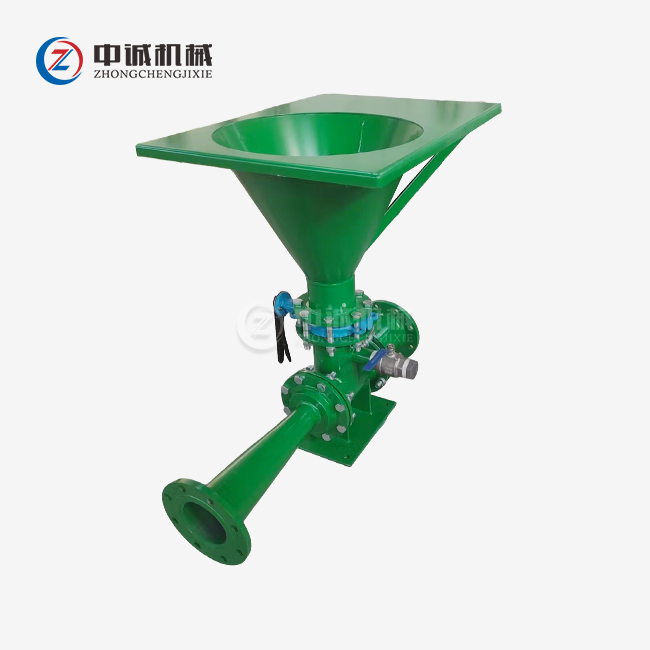
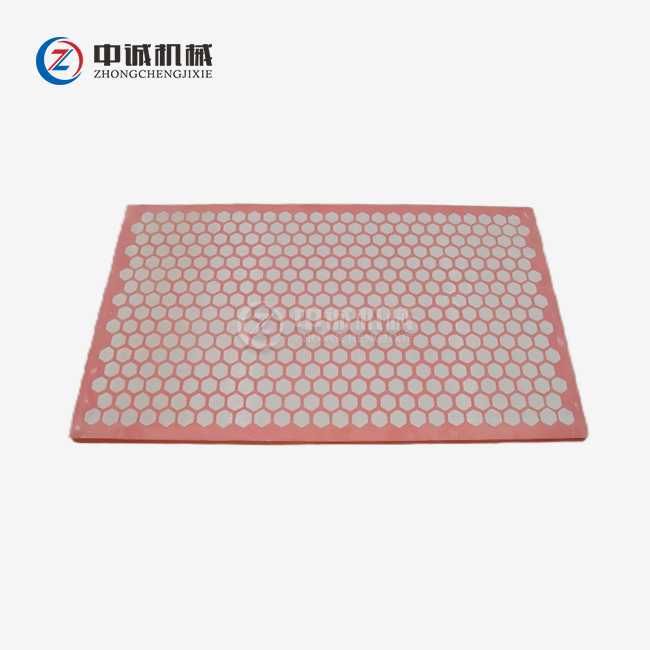
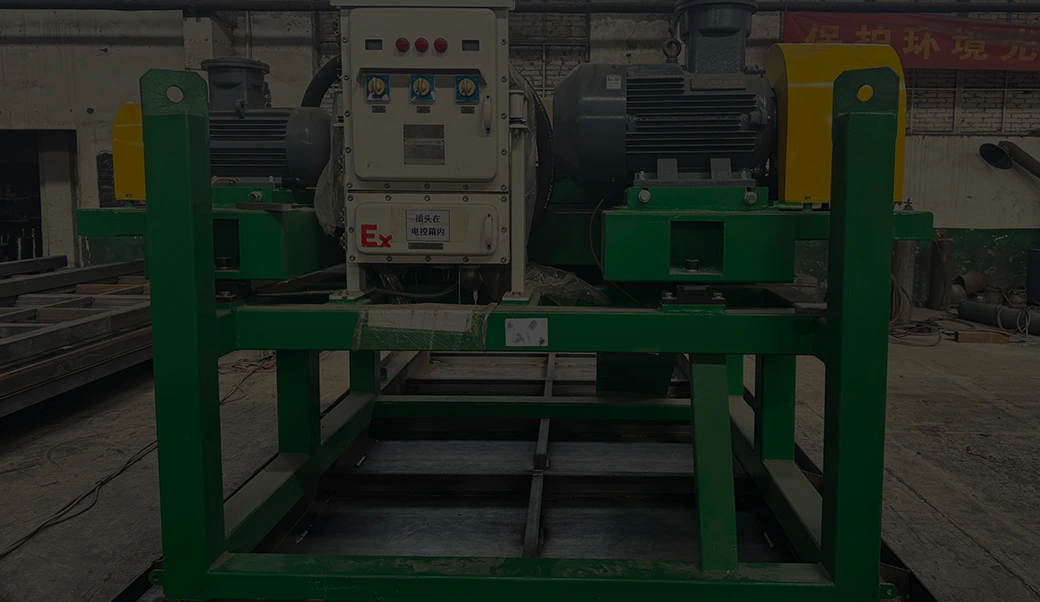
When drilling operations face challenges with high mud volumes and the constant risk of system downtime, procurement managers and rig engineers often search for more resilient solids-control solutions. A Multi-unit Shale Shaker can provide greater processing flexibility when drilling systems experience demanding flow conditions. A common frustration with single-shaker systems is becoming overwhelmed during peak flow periods, which can lead to fluid loss, screen overloading, and costly non-productive time. In such applications, Multi-unit Shale Shaker configurations can distribute drilling fluid across multiple screening units, helping maintain stable processing capacity. By adding a Multi-unit Shale Shaker system, operators can better accommodate fluctuating mud volumes and reduce the risk of overloading individual screens. This makes Multi-unit Shale Shaker technology a practical consideration for drilling operations that prioritize reliable solids control, operational continuity, and flexible handling capacity.
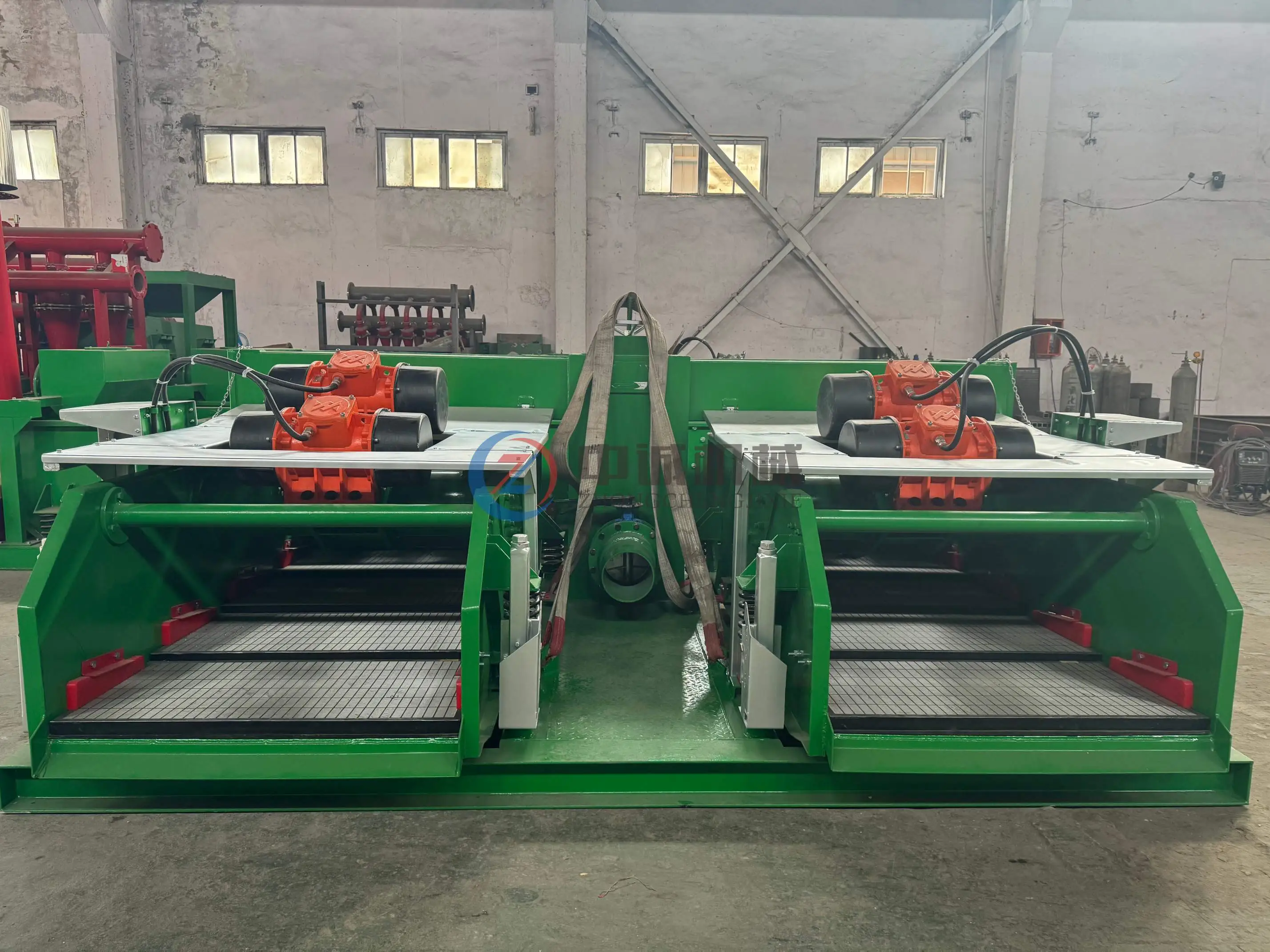
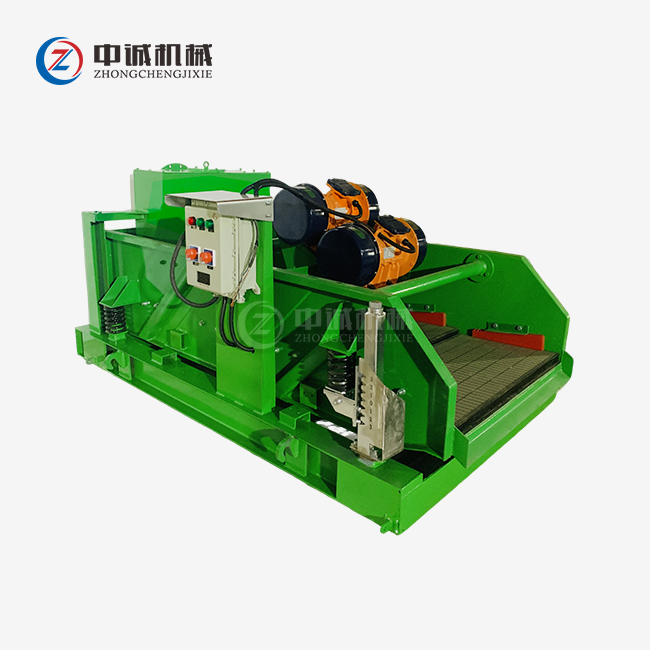
Multi-unit shale shakers are integrated Solids Control Systems featuring two, three, or even four vibrating screen units mounted on a unified skid, designed to handle ultra-high flow rates while providing operational redundancy. Unlike conventional single-deck models, these systems distribute drilling fluid evenly across multiple screening surfaces through a centralized manifold, preventing localized overloading and ensuring continuous primary separation even during maintenance intervals. The modular parallel configuration serves as the core purification hub in large-scale drilling operations, combining multiplied capacity with flexible control to meet the demanding requirements of modern onshore and offshore projects.
Understanding Multi-Unit Shale Shakers
The change from single-unit to multi-unit setups is a planned reaction to the fact that drilling settings are getting more complicated. Today's drilling programs require deeper entry rates, which bring back much larger amounts of mud that is full of cuttings. Because they only process one point at a time and have a small screen area, traditional shakers often have trouble keeping the fluid quality up in these situations.
What Defines a Multi-Unit System?
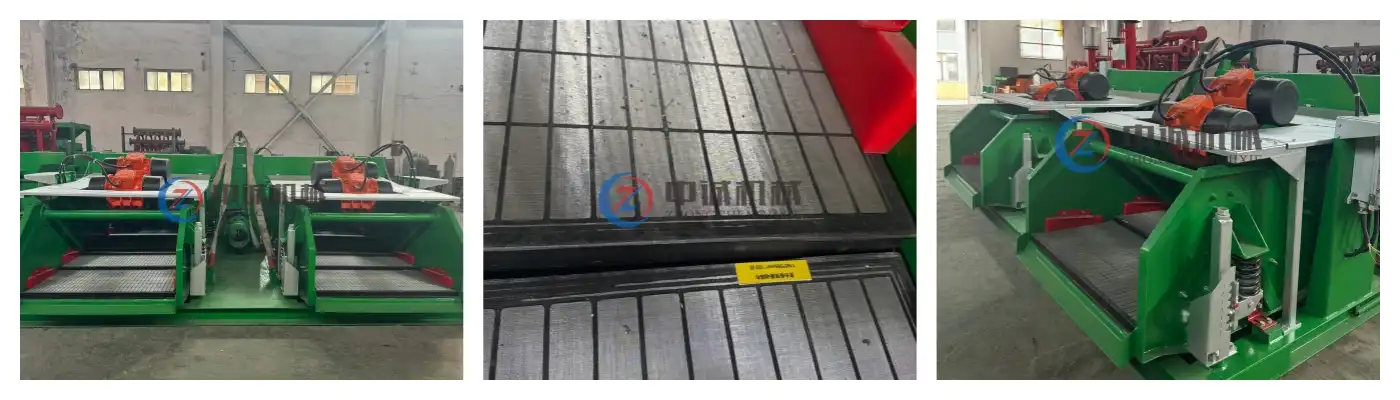
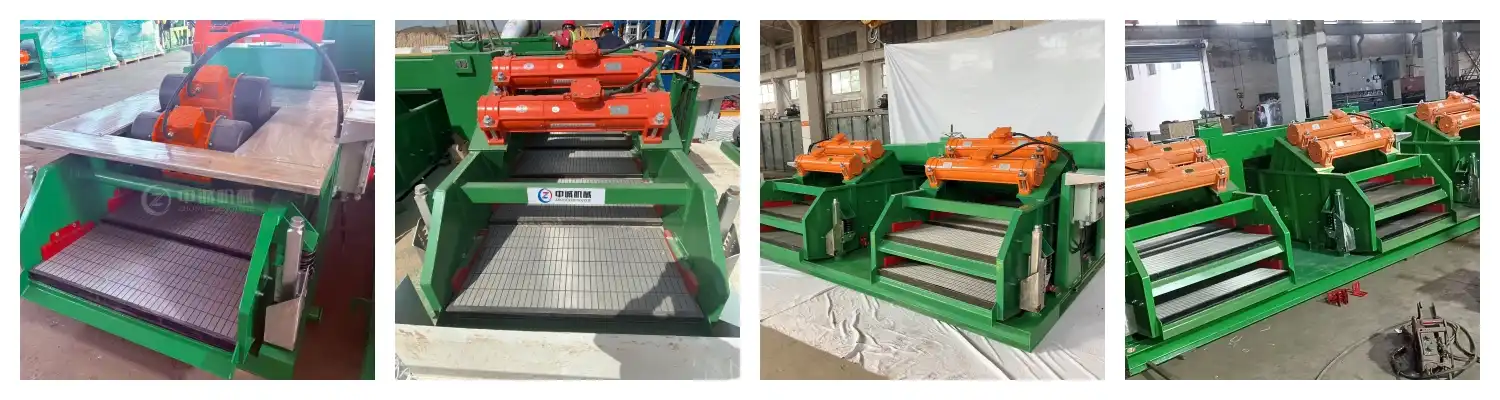
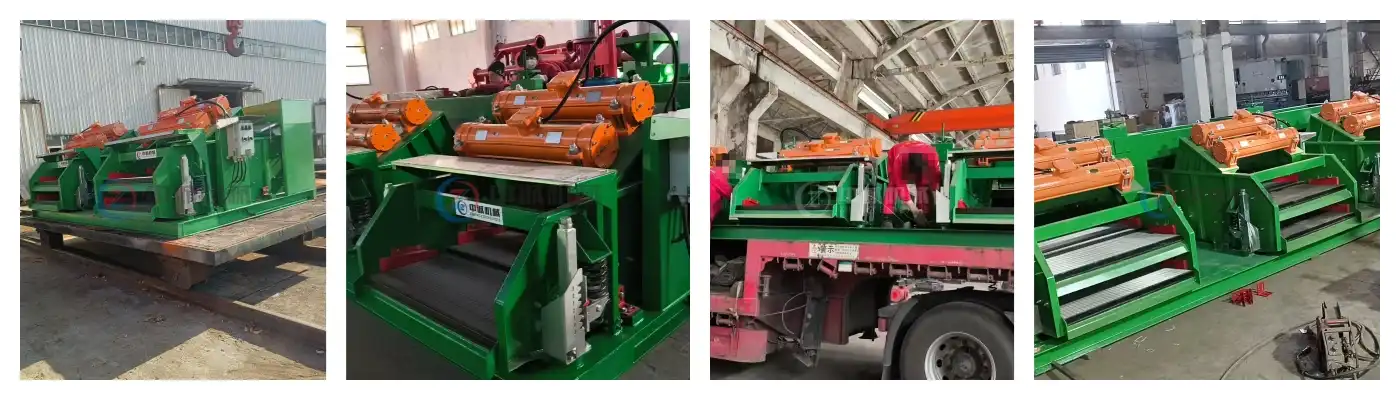
A Multi-unit Shale Shaker has several separate moving bins attached to one main frame. This lets it work at the same time while distributing fluid evenly. There are vibration motors in each unit that make it move in either a straight line or an elliptical path. The ZC series, which was made with more than 30 years of experience in the field, is a great example of this design theory because it can handle vibrations of up to 8G while still having an IP55 or higher security class. This technical design lets workers handle flow rates of more than 3000 gallons per minute, which is much more than most equipment could handle.
The modular parallel design solves a major problem: how to boost throughput without taking up more space on rig floors that are already full. The system saves a lot of space because it stacks capacity horizontally instead of using single units that are too big. Heavy-duty skids and high-strength anti-vibration structures keep the machine stable even in harsh environments with high temperatures, constant vibration, and drilling additives that are bad for the machine. Manganese steel is often used for structural parts and stainless steel grades like SS304 or SS316 are used for areas that come into contact with fluids. This makes sure that the construction lasts for a long time on land rigs, offshore platforms, and coalbed methane drilling sites.
Operational Principles and Vibration Mechanics
Controlled high-frequency vibrations are given to tensioned screen panels, which is how it works. Each basket has a vibration motor under it that moves the drilling fluid across the screen surface. Based on the mesh size, solid particles like big drill bits and fine silt are kept, while the liquid phase flows through and goes back to the active mud system. It depends on the drilling conditions whether linear or elliptical motion is best. Linear motion is best for quickly moving large masses, while balanced elliptical motion is best for fluid conductance for smaller separations.
The distribution box or manifold that takes raw drilling fluid from the flowline and properly distributes it among the fans is what makes multi-unit systems different. This precise flow balancing stops situations where one unit gets too much work while others aren't being used enough. This is a common inefficiency that leads to screen blinding too soon and poor separation performance. The hydraulic deck angle can be changed from -1° to +5°, which lets operators fine-tune the retention time and dryness of discharged solids. This way, the system can adapt to different mud weights and cuttings characteristics without stopping.
Benefits and Performance Insights of Multi-Unit Shale Shakers
There are many more benefits to using multi-unit configurations than just increasing the capacity. Drilling contractors and oilfield service companies look for equipment that works consistently and has few operating risks and upkeep requirements.
Multiplied Capacity and Throughput Management
Extremely high circulation rates are common in deepwater exploration and large-diameter horizontal directional drilling projects. The parallel arrangement easily handles these rates. When a single shaker gets close to its maximum capacity, the whole mud system can overflow and lose fluid, which can stop digging and require expensive cleanups. The system keeps the best working conditions even during flow spikes caused by tripping operations or sudden changes in the formation because the load is spread across multiple units. Having this ability directly leads to more efficient digging and less mud use, which meets the cost-cutting needs that procurement managers stress when they look at tools.
It's especially important to use capacity measures when matching equipment specs to rig needs. Depending on the configuration, the properties of the mud, and the choice of screen mesh, a typical ZC Multi-unit Shale Shaker system can handle between 2000 and 4000 GPM. This range can fit a wide range of rigs, from medium-sized land rigs with ZJ40 or ZJ50 configurations to big offshore units with ZJ90 designs. Drilling engineers can avoid making the mistake of undersizing equipment, which causes long-lasting operating problems, or oversizing equipment, which raises capital costs needlessly, by knowing these performance limits.
Operational Redundancy and Reduced Downtime
One of the best things about independent units is that they can help each other out. During important parts of the drilling process, workers can turn off one shaker to change a screen or check the motor while the other units keep the mud moving. This design gets rid of the requirement for zero interruptions, which stresses out rig managers who are under a lot of pressure to avoid downtime. The independent control architecture lets units work together or separately, giving the drilling program a lot of flexibility to adapt to changing flow conditions.
Compared to single large-format shakers, maintenance efficiency goes up by a lot. One of the most common care jobs is replacing the screens, which can be done quickly on modular units without the need for special lifting gear. The highly interchangeable wear parts make it easier to keep track of spares, which is important to people who buy oilfield equipment and manage supply lines for various rigs. This simpler upkeep profile also reduces the amount of training that operators need, which helps drilling companies who work in remote areas where there aren't many skilled workers.
Environmental Compliance and Fluid Recovery
Drilling companies today have to follow strict rules about how to handle drilling waste and fluid release. Multi-unit Shale Shakers help with compliance by recovering as much drilling fluid as possible and reducing the amount of wet cuttings that need to be thrown away. Precision multi-deck separation is used in tiered designs to make sure that large particles are removed from the upper screens. This makes the lower fine-mesh screens, which do the important purification job, less stressed. This staged processing makes the solids that come out of the screen much drier, which lowers the cost of shipping and dumping. It also extends the life of the screen by 30 to 50 percent compared to single-stage systems.
Energy saving is another aspect of how well the economy and the world are doing. Modern vibration motor technologies make the best use of power based on output, which lowers running costs over the life of the equipment. When strong construction is combined with longer maintenance intervals, the total cost of ownership becomes very competitive. This helps financial decision-makers do the calculations they need to make for return-on-investment.
Comparison and Buyer's Guide for Multi-Unit Shale Shakers
To choose the right solids control equipment, you need to carefully look at the technical specs, the supplier's skills, and the infrastructure for long-term support. Professionals in procurement make decisions in this situation by comparing performance traits, checking the credentials of vendors, and learning about the unique needs of each application.
Evaluating System Specifications
During the selection process, you should pay close attention to key technical parameters. Vibration intensity, measured in G-force, has a direct effect on how well separation works and how long the screen lasts. Systems that operate at 7 to 8G usually get the best balance between aggressive solids removal and controlled wear rates. Processing capacity is based on the size of the screen. A three-unit setup might have 18 to 24 square meters of active screening surface, which is a lot more than even the biggest single-unit options. The protection class number shows how well the system keeps out dust and water. For offshore uses and dusty desert settings where equipment efficiency can't be compromised, IP55 or higher is required for the Multi-unit Shale Shaker.
The type of motion—linear or elliptical—affects both how solids are moved and how fluids are handled. Two motors connected in parallel create linear motion, which creates a straight-line vibration path perfect for quickly releasing cuttings. This makes it the best choice for water-based mud systems and short drilling gaps. Motors placed at certain angles allow for balanced elliptical motion, which creates an oval path that improves fluid conductance through the screen mesh. This is helpful for oil- and synthetic-based mud applications that need to keep expensive fluid components.
Supplier Evaluation and Certification Requirements
When looking for a reputable manufacturer, you need to look at both their professional skills and their business history. Companies like Shaanxi Xixian New Area Zhongcheng Machinery Manufacturing Co., Ltd. stand out by having a wide range of certifications, such as ISO 9001 for quality management, ISO 14001 for environmental standards, and ISO 45001 for health and safety at work. Third-party approvals from TÜV and BV give people even more faith in the quality of the manufacturing and the consistency of the design. These certifications are very important when drilling contractors have to show operators and regulatory authorities that they are qualified suppliers.
Manufacturing experience leads to reliable products and good engineering support. Suppliers who have been in the business for decades know more than younger companies about failure modes, design optimization, and customizing products for specific uses. Customized configurations, such as different skid sizes, motor brands (domestic or international), and control system choices, let buyers match equipment perfectly to their existing rig infrastructure and preferred ways of working. This ability to be customized is very important when putting new shakers together with old mud systems or making room for them on small offshore sites.
Total Cost of Ownership Considerations
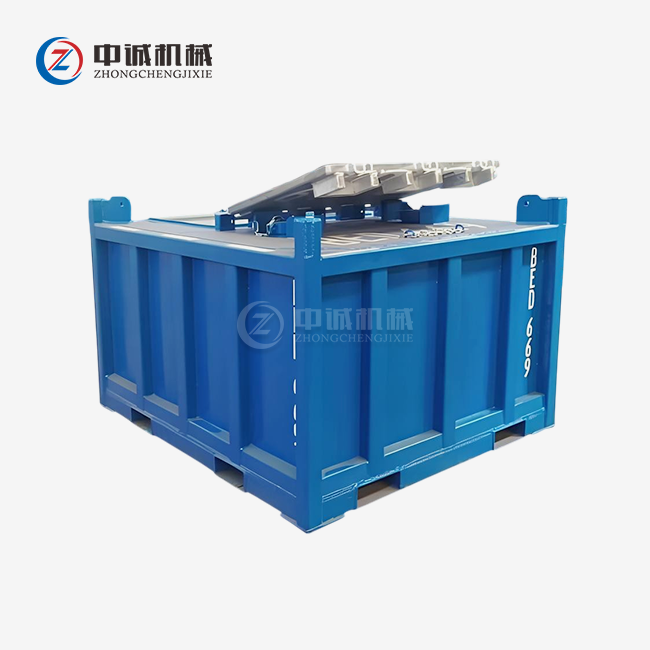
Price research looks at more than just the initial buy price. It also looks at shipping times, warranty coverage, availability of spare parts, and how quickly technical help responds. Competitive prices from direct makers get rid of markups for distributors, but this needs to be weighed against the ability to ship and provide service after the sale. Systems that can be shipped within three days for stock setups or fifteen days for special orders show how efficient the supply chain is, which keeps project delays to a minimum. Transparent packaging standards, such as moisture-proof wrapping, strapping, and optional wooden crates, protect equipment during international transport. This is especially important for buyers who have to handle complicated logistics to get to drilling sites that are far away.
The terms of the warranty show how confident the maker is in the product's longevity. A one-year guarantee that covers materials, labor, and technical support sets the standard for what to expect, but buyers should make sure that the warranty covers both structural parts and consumables like screens. How well equipment can be kept over its useful life is affected by the availability of spare parts supply networks, remote technical help, and on-site commissioning services. This, in turn, affects the return on investment that financial decision-makers look at.
Operation, Maintenance, and Troubleshooting Best Practices
Following set operational procedures and planning ahead for maintenance is necessary to get the most out of multi-unit shakers in terms of performance and lifespan. Managers of drilling operations should know about the important parameters and common problems that can affect the reliability of the system.
Operational Guidelines and Safety Considerations
Following the right steps at starting stops wear and damage from happening too soon. Before turning on the motors, operators should make sure that all of the screen panels are properly tensioned and that the deck angles are right for the current mud conditions. A short dry run of the system is recommended to make sure that all of the units are vibrating at the same time. If there is any strange noise or frame distortion, this means there are installation problems that need to be fixed right away. Once the fluid starts to flow, operators can tell if adjustments need to be made by looking at the characteristics of the discharge. Cuttings that are too wet could mean that the retention time or screen capacity isn't long enough, while solids that are dry but not well separated could mean that the wrong mesh was chosen for the Multi-unit Shale Shaker.
Safety rules stress the importance of lockout-tagout processes and being aware of moving parts during repair work. Electric systems with the IP55 protection class are safe from water and dust, but workers should still avoid spraying motor housings and control screens with water. Hearing protection is required because equipment noise levels are usually around 85 decibels while it's working, even with current vibration isolation mounts that keep frame echoes to a minimum.
Preventive Maintenance and Component Servicing
Regular inspections keep equipment running at its best and stop major problems before they happen. Every shift, the state of the screen should be checked for tears, dark spots, or localized wear patterns that show fluid is not being distributed evenly. Replacing screens on time keeps separation working well and keeps screen support panels from getting damaged. Crew members can do this job in 15 to 20 minutes per unit without any special tools thanks to the rapid replacement design found in high-quality systems. This makes maintenance windows much shorter.
Monitoring the health of a motor includes checking the temperature and analyzing vibrations on a regular basis to find worn bearings before they break. It is important to stick to the lubrication schedules and use the manufacturer-recommended greases that won't get contaminated by drilling fluid. Check structural parts for fatigue cracks, especially at weld joints and mounting points that are loaded and unloaded over and over again. The three-system management method combines quality, environmental, and health-safety standards to make sure that all maintenance tasks, documentation, and efforts to make things better all the time are fully supervised.
Troubleshooting Common Operational Issues
Systematic analysis quickly finds the reasons why separate performance is dropping. Screen blindness happens when mud solids block mesh holes. This usually happens when there is too much fine material in the drilling fluid or the wrong screen is chosen. Some solutions are changing the chemicals used in the mud system, switching to a coarser mesh to improve conductance, or lowering the deck angle to shorten the retention time. Problems with motor timing, worn isolation mounts, or uneven screen loads can all cause strange vibration patterns. To fix this, anything from adjusting the motor phase to recalibrating the flow distribution at the manifold can be done.
Fluid overflow or bypass situations show that the capacity has been exceeded or there are problems with the flow distribution. Operators should make sure that all units are working and look for any issues with the feed manifold or the inlet valves on each unit. If capacity problems keep happening, you might need to add another shaker unit or switch to screens with more space. Consulting with technical support teams, either through online tests or on-site visits, gives expert advice when changes made in the field aren't enough. This is because the seller has experience working in a wide range of drilling settings.
Procurement and Support: How to Source Reliable Multi-Unit Shale Shaker Suppliers
To find solids control tools in the global market, you need to know how to source them, how to evaluate them, and how to build partnerships that will work in the long term.
Sourcing Channels and Supplier Types
There are different ways for buyers to go about purchasing things, and each has its own benefits. When you deal directly with manufacturers like Shaanxi Xixian New Area Zhongcheng Machinery Manufacturing Co., Ltd., you can get technical help, the ability to customize, and prices that are competitive because there are no markups for middlemen. When a manufacturer has a wide range of products, they don't have to work with multiple sellers, which makes project management and system integration easier. Authorized dealers have a foothold in the region and keep stock locally, which is helpful for buyers who need spare parts quickly or who would rather pay in their own currency for a Multi-unit Shale Shaker.
Procurement managers should ask for thorough technical specs, performance test data, and examples of installations that have been done in similar drilling environments when they are looking at possible suppliers. Whether they are done in person or online, factory audits show what the company can make, how they control quality, and whether they can keep their delivery promises. Getting ISO standards, third-party inspections, or approvals specific to your business shows that you are committed to systematic quality management and ongoing improvement.
Customization and Technical Support Capabilities
When drilling, there are special problems that need to be solved by adapting the tools. Reliable providers offer technical help to create systems that work with particular rig setups, mud properties, and environmental conditions. Customization can include changing the size of the skids to fit the available deck space, choosing motors that match power needs with available energy, and making the control system interfaces work with the automation that is already on the rig. Full technical paperwork, such as assembly drawings, hydraulic schematics, electrical diagrams, and maintenance guides, makes installation go more smoothly and helps with long-term asset management.
Training classes give rig workers the practical Knowledge and troubleshooting skills they need to get the most out of their tools. Commissioning support, whether it's provided remotely or by sending a technician to the site, makes sure that systems are set up correctly when they are first turned on. It also sets performance standards and fixes any integration problems right away. This partnership method changes buying tools from a transactional relationship to a way of working together to solve problems that matches the supplier's skills with the success of the customer.
Logistics, Delivery, and After-Sales Service
When you buy something from another country, the logistics are complicated and need to be carefully coordinated. Exporting is easier when suppliers have good relationships with freight forwarders and easy access to big shipping hubs, like the ports of Tianjin and Shanghai for Chinese makers. Equipment must be protected during ocean transport and delivery by land to remote drilling sites. Moisture-proof films, reinforced strapping, and optional wooden crating offer different levels of protection based on the route and handling conditions.
Long-term happiness with equipment purchases depends on the quality of service provided after the sale. Technical support that is quick to respond and can be reached by phone or email (for example, oliver@zcgukong.com for Zhongcheng Machinery) helps field teams fix problems when they happen. When a part breaks, having spare parts on hand through pre-positioned inventory or fast shipping cuts down on downtime. It should be easy to manage warranties, with clear steps for filing claims and getting replacement parts. These aspects of service are often more important than small price differences when choosing a supplier. This is especially true for drilling contractors who work in difficult areas where the dependability of their tools directly affects the project's profitability.
Conclusion
Multi-unit Shale Shakers have been used for a long time to help drillers who need to control large amounts of solids, be flexible, and keep downtime to a minimum. The integrated parallel design solves some of the most important problems that come up in modern drilling programs, from offshore deepwater projects that use synthetic muds to large-diameter HDD jobs that need to recycle huge amounts of fluid. Drilling engineers and equipment managers can make decisions that improve rig performance and keep costs low by understanding key technical specs, operational principles, and buying issues. The modular architecture allows for expansion as drilling programs change, and the heavy-duty construction and extensive support infrastructure guarantee dependable service in a wide range of tough environments.
FAQ
How long do multi-unit shale shakers typically last in harsh drilling conditions?
How long a piece of equipment lasts relies on how often it is used, how well it is maintained, and the surroundings. Systems that are well taken care of usually last between 10 and 15 years. High-quality steel is used to make structural parts that don't rust or wear out, and vibration motors that are rated for continuous duty can handle the demanding operational cycles. Regularly replacing screens, repairing motors, and maintaining protection coatings greatly extends the useful life of equipment compared to equipment that isn't taken care of by the Multi-unit Shale Shaker operator.
Can multi-unit systems integrate with existing solids control equipment on rigs?
Compatibility with integration is an important design factor. Modern multi-unit shakers have standard inlet connections, discharge configurations, and control interfaces that work with the way mud tanks are set up and with equipment further down the line, like desanders, desilters, and centrifuges. Customization services take into account specific installation needs, making sure that new systems can be added to existing mud circulation systems without major changes or downtime during retrofit projects.
What screen mesh sizes work best for different drilling applications?
Choosing the right mesh combines how well it removes solids with how well it keeps fluids in. When drilling quickly, coarse screens (20 to 60 mesh) work best with big pieces and water-based muds. Fine screens (API 100 to 200 mesh) are useful for oil-based or synthetic mud systems that need to keep expensive fluid components. Multi-deck configurations let you use different mesh grades at the same time, which improves separation across the particle size range and keeps fine screens from wearing out too quickly from solids that are too big.
Partner with a Trusted Multi-Unit Shale Shaker Manufacturer for Your Next Project
Upgrading your solids control system will make digging more efficient, help you handle fluids better, and make sure you're following environmental rules. Shaanxi Xixian New Area Zhongcheng Machinery Manufacturing Co., Ltd. has been making machines for thirty years and has a lot of technical knowledge. They can make reliable Multi-unit Shale Shaker options that are designed to your unique needs. Our ISO-certified factory follows strict quality standards that are checked by TÜV and BV audits. Our customization services are also very flexible to fit different rig configurations and project requirements. Competitive prices from direct manufacturing, fast delivery times starting at three days for stock units, and full technical support, including help with installation and a one-year warranty, make sure that your investment will last for a long time. Get in touch with our team at oliver@zcgukong.com to talk about your solids control problems and find out how our ZC series multi-unit systems can improve your drilling operations with reliable support and proven performance.
References
1. American Petroleum Institute. (2021). API Recommended Practice 13C: Drilling Fluid Processing Systems Evaluation. API Publishing Services, Washington, DC.
2. Bourgoyne, A.T., Millheim, K.K., Chenevert, M.E., & Young, F.S. (2020). Applied Drilling Engineering (3rd ed.). Society of Petroleum Engineers, Richardson, Texas.
3. Darley, H.C.H. & Gray, G.R. (2018). Composition and Properties of Drilling and Completion Fluids (7th ed.). Gulf Professional Publishing, Houston.
4. International Association of Drilling Contractors. (2022). Solids Control Equipment: Performance Standards and Field Applications. IADC Technical Publications, Houston.
5. Lyons, W.C., Plisga, G.J., & Lorenz, M.D. (2019). Standard Handbook of Petroleum and Natural Gas Engineering (3rd ed.). Gulf Professional Publishing, Oxford.
6. Rabia, H. (2021). Well Engineering and Construction. Entrac Consulting Limited, London.
.webp)