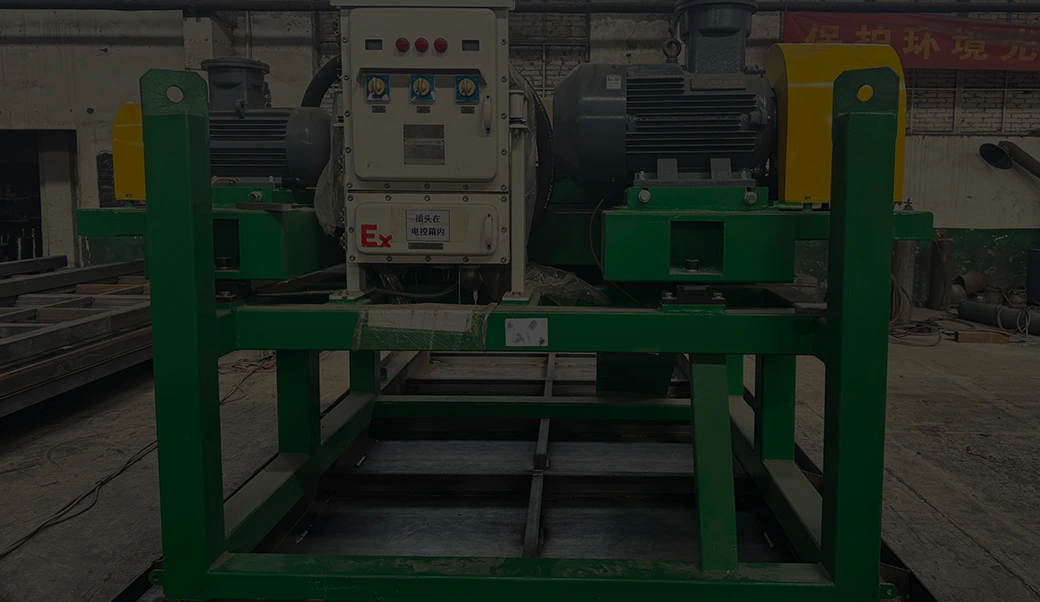
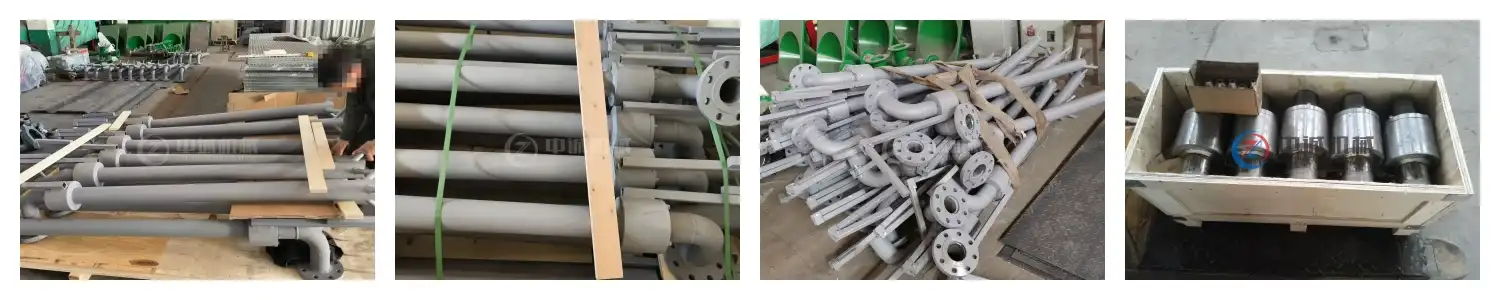
A mud gun is a high-pressure jetting device installed inside drilling mud tanks to maintain fluid homogeneity and prevent solids from settling. By directing pressurized drilling fluid through fixed or rotary nozzles, it generates targeted circulation that reaches tank corners and low-flow zones where mechanical agitators typically fall short. This continuous jetting action keeps barite and other heavy additives suspended, preserving stable mud density and rheology. The result is more consistent drilling fluid performance, reduced waste, and better wellbore control throughout the entire drilling operation.
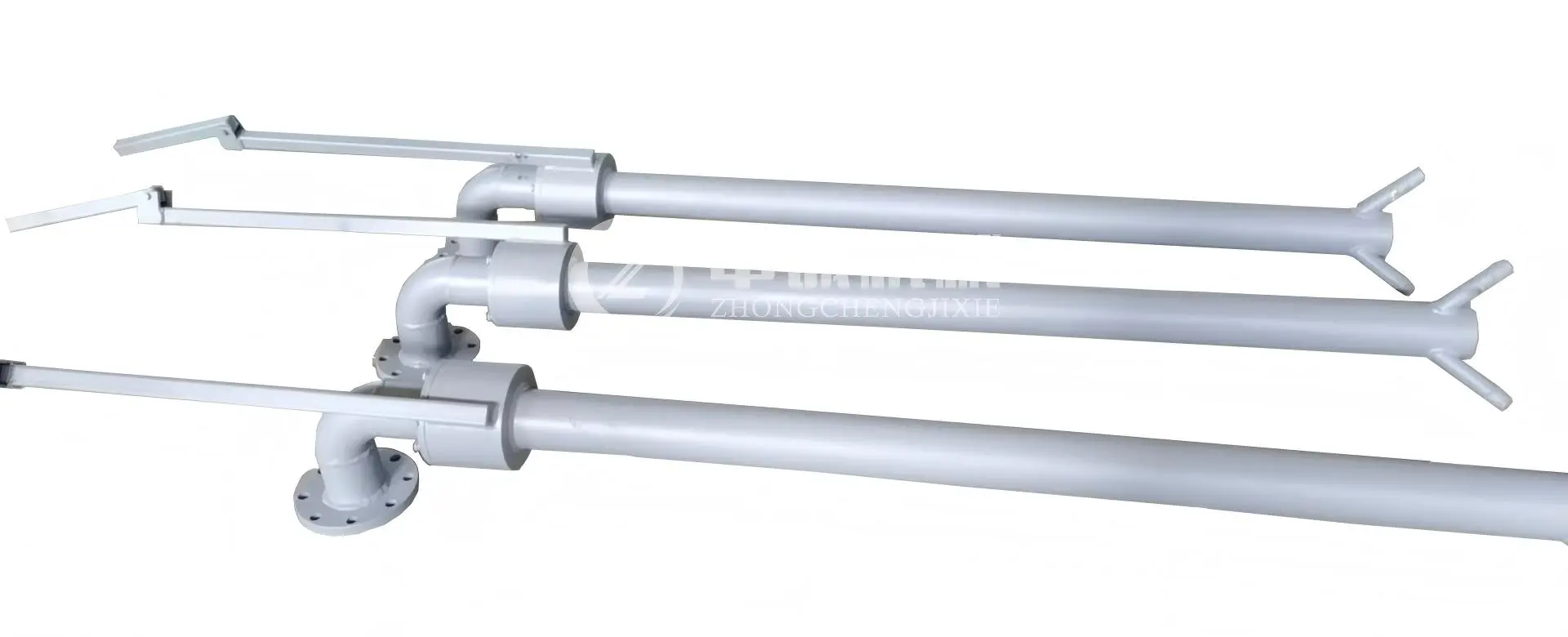
Understanding the Role of Mud Guns in Drilling Mud Tanks
What a Mud Gun Actually Does
A mud gun is an extra tool that is used to mix the mud and is part of the method for moving the mud around. Unlike a mechanical agitator with paddles that spin, this device sends fast-moving fluid straight into areas of the tank that need it. It attaches to the line that comes out of the mud pump and uses the hydraulic pressure in the system to power movement, so it doesn't need a separate motor. Because of this, it is a low-maintenance addition to any stable control system.
How It Differs from Conventional Mixing Devices
Mechanical agitators work well in open tank areas but can't get to corners or areas that are separated. When the flow slows down, static mixers don't do anything to keep the air moving. A mud gun fills in these holes by sending a focused jet into dead zones. This breaks up solids that have settled there and adds them back into the moving fluid stream. This difference is especially clear in mud tank farms with a lot of space because the shape of the tanks makes many low-circulation areas.
Its Place in the Solid Control System
As part of a full solid control system, the mud gun works with shale shakers, desanders, desilters, and centrifuges. Separation equipment gets rid of solids that aren't wanted, and the mud gun makes sure that the good balancing agents and chemical additives stay spread out evenly. This balance between mixing and separating is what keeps the qualities of the drilling fluid within the narrow ranges needed for safe and effective drilling.
Common Challenges in Mud Tank Mixing and How Mud Guns Solve Them
Dead Zones and Sedimentation
In big mud tanks, the speed of the fluid slows down a lot near the walls and corners. Within hours, heavy solids like barite settle in these places, leaving behind hard deposits that change the effective mud weight and make clean-ups more expensive. When aimed at these specific spots, amud gun re-suspends settled material before it hardens, stopping the buildup that makes tank service intervals shorter.
Uneven Fluid Density and Stratification
When heavier fluids move to the bottom of the tank and lighter fluids stay near the top, this is called stratification. This split leads to mud weight readings that aren't always accurate and downhole behavior that is hard to predict. When a nozzle is placed correctly, high-pressure jetting breaks up these layers. This forces the fluid column to mix both vertically and horizontally, which makes the density profile the same across the whole tank volume.
Operational Limitations of Agitators Alone
Field data from several onshore drilling operations show that when agitators are running without extra jetting, about 15 to 20 percent of the big tank volume is left in areas with low agitation. Adding jetting devices to those areas greatly slows down the solids buildup and increases the time between tank cleanings. This directly means less time spent not working and lower costs per well for replacing fluids.
Technical Specifications and Types of Mud Guns
Fixed vs. Rotary Nozzle Types
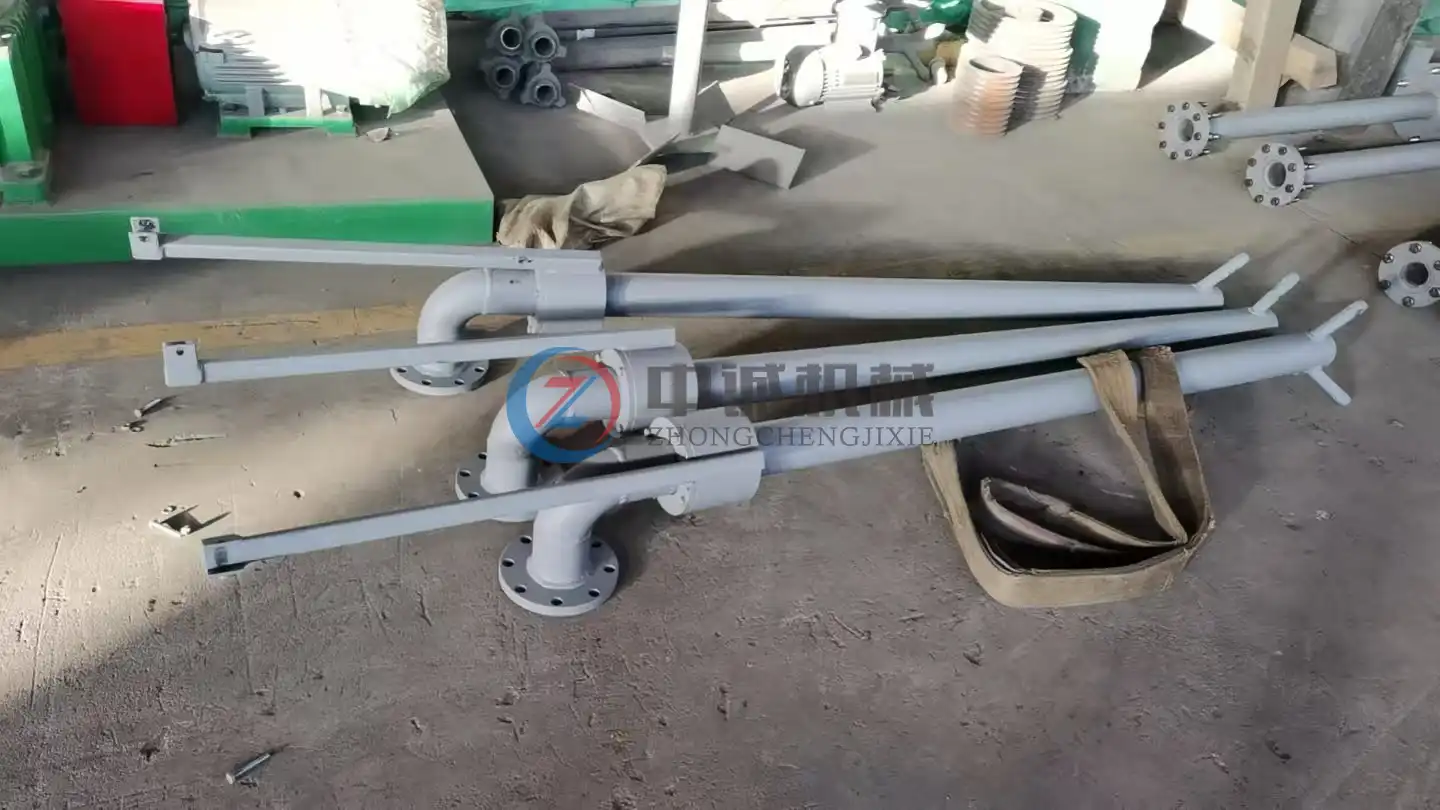
There are both fixed and rotary nozzles for mud guns made by ZHONGCHENGJIXIE. When aiming at a known dead zone, fixed nozzles send out a steady directional jet, while rotary nozzles let you change the angle by hand to cover a bigger area without moving the whole unit. Both types use nozzle materials that don't wear down easily and keep the spray shape fixed even in moving settings with a lot of abrasive materials.
Core Specifications
ZHONGCHENGJIXIE mud guns come with nozzle widths of 50 mm and 80 mm, so they can be used with a variety of tank types and flow needs. Working pressures range from 3.2 MPa to 6.4 MPa, so the choice can be made based on the rig's mud pump capability. In deepwater or large-rig applications, the 6.4 MPa rating meets the high-pressure circulation needs, and the 3.2 MPa rating works well for standard onshore rig configurations.
Materials and Durability
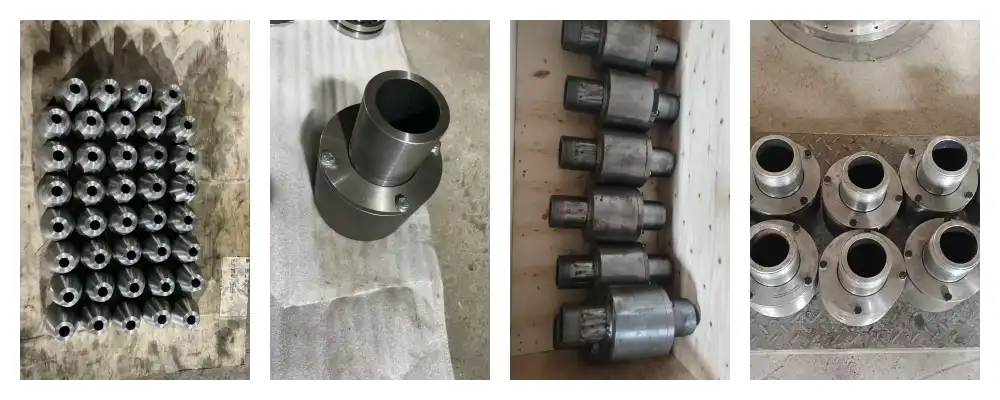
The anti-corrosion and wear-resistant alloys used to make each unit were chosen so that they can be used with rough drilling fluids. This choice of material keeps the spray flow steady over long periods of time and is resistant to chemical attack, which is common in oil- and synthetic-based mud systems. Long-term performance steadiness lowers the total cost of repair over the life of the equipment by lowering the number of times the nozzle needs to be replaced.
Matching the Device to Tank Volume and Fluid Type
To choose the right pumping device, you must first know how much drilling fluid is in the active tank and what range of specific gravities it has. For deeper entry, bigger tanks with heavier muds need nozzles with higher pressure and a larger diameter. For operators who run water-based mud in smaller tanks, the 50 mm, 3.2 MPa configuration may be all they need. Getting this match right from the start will keep it from under-agitating and using too much energy.
Before placing an order, B2B procurement teams should think about these main things:
- Tank geometry and volume: Identify the number and location of dead zones to determine nozzle count and placement angles.
- Mud density and viscosity range: Higher-density fluids require higher jetting pressure to achieve effective circulation penetration.
- Rig compatibility: Confirm that available pump discharge pressure and flow rate can supply the selected mud gun model without reducing drilling hydraulics.
- Nozzle type preference: Choose fixed nozzles for permanent installations targeting known problem areas, or rotary types for flexible coverage adjustment during operations.
These things have a direct effect on whether the chosen device mixes the tank consistently or causes circulation problems happen in other parts of the system. Taking the time to evaluate them before buying them keeps you from having to make expensive changes in the field.
Quality Verification and Supplier Assessment
When buying from a mud gun manufacturer, make sure you get proof that the gun was tested for hydrostatic pressure at 1.5 times its rated working pressure and that the nozzle's hardness was checked for resistance to wear. ZHONGCHENGJIXIE is certified by HSE, TÜV, and BV, and also has ISO 9001, ISO 14001, and ISO 45001 approvals. These approvals give purchasing managers written proof that the standards for making are met and the products are safe.
Customization and Lead Time
From ZJ30 to ZJ90, different types of rigs have different types of tanks and pump systems. ZHONGCHENGJIXIE can make the measurements, nozzle shapes, and outlet connection standards fit the needs of each rig. Models that are normally stocked ship in three days. Customized orders are usually finished in 15 days, which gives project procurement teams a solid output timeline they can use to plan their work.
Installation, Safety, and Maintenance Best Practices
Installation Guidance
The most important thing about installation is where it is put. Place nozzles so that they are angled toward corner areas and are about 30 to 45 degrees from the tank wall. This will create circulation instead of direct impingement. With every unit, ZHONGCHENGJIXIE includes installation instructions and help with commissioning. This makes sure that field teams know the right way to connect the inlet and mount the unit before the system goes live.
Safety Practices During Operation
When there is a lot of pressure, workers should never stand in the jet path. Before putting pressure on something, all of the connection plates and joints need to be torqued to the right level. If they aren't, fluids can suddenly leak out with a lot of energy. People should wear the right PPE, and the pressure should be bled down before any maintenance or nozzle adjustments are made.
Maintenance Schedule and Nozzle Inspection
It is standard practice in the industry to check the nozzle hole measurements every 500 hours of operation. Wear-induced hole expansion raises the flow rate above the design limits and lowers the jetting speed, which makes mixing less effective. Compared to standard steel nozzles, ZHONGCHENGJIXIE's wear-resistant nozzle materials allow for longer periods of time between inspections. The company backs up all of its units with a full one-year guarantee and keeps spare parts on hand for long-term help in the field.
Conclusion
A mud gun solves a specific and long-lasting problem in managing drilling fluids: it keeps the fluids evenly mixed in places where mechanical agitators can't reach. By sending high-pressure jets precisely into tank corners and areas with layered fluid, it keeps the mud's weight stable, lowers solid sedimentation, and shortens the time that can't be used for work that comes with tank cleanouts. It's a safe part of the solid control system as a whole when it's chosen and set up properly. Adding a properly designed pumping device to the mud tank is a good idea for any drilling job where the uniformity of the fluid affects the performance of the wellbore.
FAQ
What is the difference between a high-pressure and low-pressure mud gun?
High-pressure models that can reach up to 6.4 MPa are used to mix things quickly and roughly in big tanks or with heavy, dense muds. Low-pressure designs work well for general circulation tasks in smaller tanks or with fluid systems that don't hold as much fluid. ZHONGCHENGJIXIE has types with 3.2 MPa and 6.4 MPa ratings to match the pump powers of each rig.
How often should the nozzle be replaced?
As a general rule, the measurements of the nozzle hole should be checked every 500 working hours. When high-sand fluids are used, inspection intervals should be shortened because abrasive muds speed up wear. ZHONGCHENGJIXIE nozzles are made of alloys that don't break down easily and last longer than steel options.
Can a mud gun replace a mechanical agitator?
A jetting device is great at cleaning up dead spots and corners, but it can't do what a mechanical agitator does for open tank areas: it mixes the material vertically across a large area. The two things work best when used together. When both are used together, they cover the whole tank volume and make the fluid more uniform than either one could do on its own.
What causes a swivel joint to leak?
Most leaks happen because the seals break down because they are chemically incompatible with the drilling fluid or because rough solids get past the seal lips. Most leaking problems can be fixed by using Viton or Nitrile plugs that are matched to the chemistry of the fluid. Early seal wear can be caught during routine maintenance inspections, before it becomes a problem in the field.
How do I select the correct nozzle diameter?
The choice of nozzle size is based on the mud pump's discharge capacity at the tank's inlet connection and the speed of the jet needed to reach the tank's farthest corner. The expert team at ZHONGCHENGJIXIE can help you figure out the right size based on the size of your tank and the pump's specs.
Request a Quote from ZHONGCHENGJIXIE — Trusted Mud Gun Supplier
ZHONGCHENGJIXIE makes a wide range of mud guns. Each one is backed by more than 30 years of strong control engineering. We have ISO, TÜV, BV, and HSE certifications for our units, and we can make them fit any type of rig. In-stock items are sent out within three days. You can email our team at oliver@zcgukong.com or go to zcsolidscontrol.com to talk about how your tank is set up and get a price right away.
References
1. Bourgoyne, A. T., Millheim, K. K., Chenevert, M. E., & Young, F. S. — Applied Drilling Engineering, Society of Petroleum Engineers, 1986.
2. Drilling Engineering Association — Drilling Fluid Management Manual, DEA, 2004.
3. American Petroleum Institute — API RP 13C: Drilling Fluids Processing Equipment, API, 2010.
4. Skalle, P. — Drilling Fluid Engineering, Bookboon Engineering, 2011.
5. Mitchell, R. F., & Miska, S. Z. — Fundamentals of Drilling Engineering, Society of Petroleum Engineers, 2011.
6. Caenn, R., Darley, H. C. H., & Gray, G. R. — Composition and Properties of Drilling and Completion Fluids, Gulf Professional Publishing, 2011.