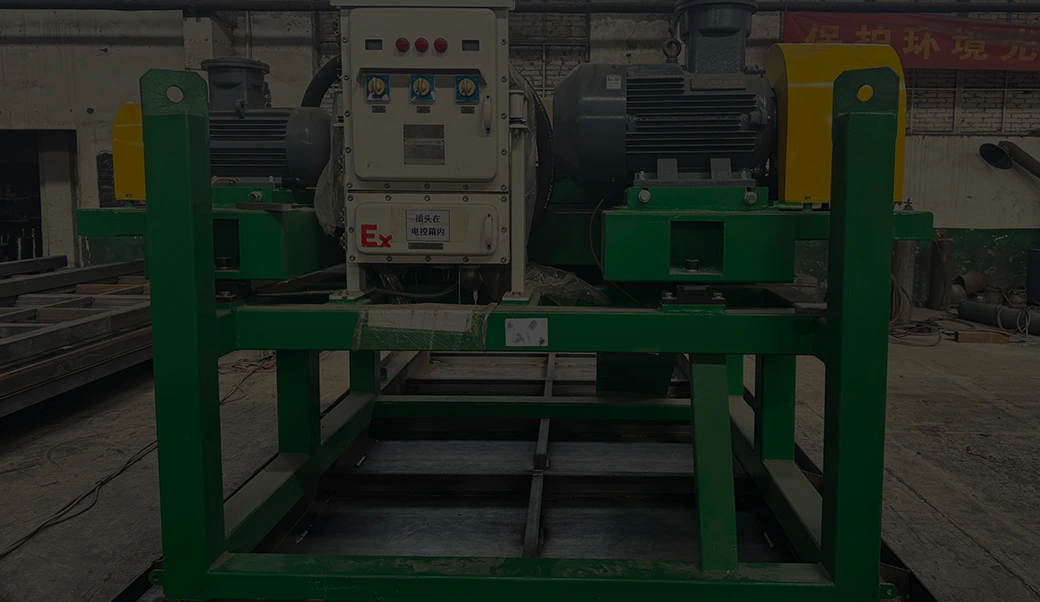
Choosing the right mud agitator for your drilling mud tanks comes down to matching equipment specs to your actual field conditions. A mud agitator is a mechanical device mounted on top of a mud tank that keeps drilling fluid in constant motion, preventing weighting agents like barite from settling and maintaining consistent fluid density. The right selection depends on your tank volume, fluid density, motor power requirements, impeller diameter, and operational environment. Getting this decision right protects drilling efficiency, reduces fluid waste, and keeps your solids control system running without interruption.
Understanding Mud Agitators and Their Role in Drilling Operations
What Is a Mud Agitator?
A mud agitator is an important part of any system for controlling solids. It has a motor that won't explode, a gear reducer, a drive shaft, and a propeller. The simple thing it has to do is keep the drilling fluid moving so that solids don't settle to the bottom of the tank. When mud isn't stirred properly, dead spots appear, the density of the mud becomes uneven, and the hydrostatic pressure during drilling is hard to predict. All of these problems create real risk underground.
How It Works
A worm or helical gear reducer, which slows down the output speed while increasing torque, sends power from the motor. The shaft then turns the turbine so that it moves through the stream. Most impellers have blades that are tilted to encourage axial flow, which moves fluid from the tank's bottom to its top. Most of the time, output speeds are between 60 and 90 RPM, which is slow enough to keep foaming from happening but fast enough to keep sedimentation from happening.
Operational Benefits of the Right Fit
It's not enough to just mix fluid when you choose the right stirrer. It cuts down on how often the tanks need to be cleaned, makes equipment further down the line like shale shakers and centrifuges last longer, and lowers the total amount of drilling fluid that is used. Industry data shows that not enough movement can cause a difference in mud weight up to 15%, which directly impacts the security of the wellbore. When you agitate your system the right way, it stays consistent, and your operation stays on schedule.
Key Criteria to Consider When Choosing a Mud Agitator
Tank Size and Fluid Properties
Start with the shape and weight of your tank and the mud. A standard 100-barrel tank section with fluid at 2.0 SG usually needs a 15 kW motor. More horsepower is needed for bigger tanks or heavy fluids. The diameter of the impeller should match the width of the tank. For most uses, the impeller should be between 600 mm and 1,100 mm in size. Too big a size wastes energy, and too small a size leaves dead spots.
Motor Power and Speed Selection
Most industrial mud agitators have motors that are between 3 kW and 22 kW. Most of the time, a 5.5 kW or 7.5 kW unit is enough for water-based muds in smaller drilling projects. For heavy oil-based muds used in drilling deep wells, a 15 kW or 22 kW unit is better. When choosing motor specs, you should always take altitude and surrounding temperature into account, as both affect thermal performance.
Gear Reducer Type and Mechanical Efficiency
Helical-bevel gear reducers can improve mechanical transfer up to 95%. This means they produce less heat and last longer when used continuously. Worm gear reducers are smaller and less expensive for light tasks, but they get hotter when they're under constant load. Helical gear units are the better long-term investment for oilfield operations that happen around the clock. You should always make sure that the gearbox can handle the required rotor force.
Matching Mud Agitator Solutions to Specific Drilling Needs
Matching to Application Type
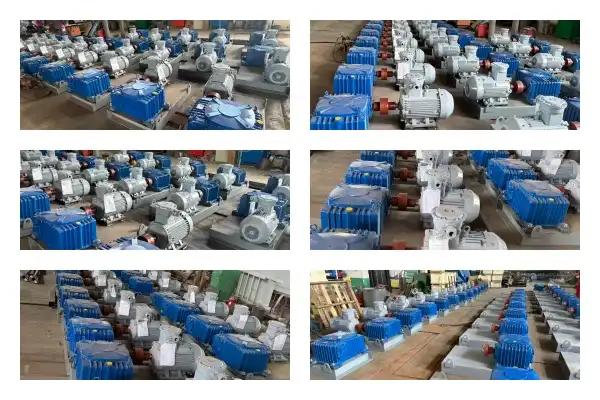
Different drilling projects need different amounts of agitation. Systems that move oil and gas that deal with heavy, dense muds need bigger impellers and stronger motors. Since bentonite can be rough over time, trenchless HDD projects that use slurries of it need moderate power but need shaft materials that won't rust. Because the ground is very hot during geothermal drilling, heat-resistant seals and longer shafts are needed. When you match the right tools to the right job, you avoid premature wear and downtime that isn't necessary.
Evaluating Suppliers and Manufacturers
When looking for a drilling fluid stirrer, don't just look at price. Quality and safety have been checked by a third party on a company that has ISO 9001, ISO 14001, ISO 45001, HSE, TÜV, and BV certifications. Make sure they offer real customization and not just standard catalog units. This way, the agitator will fit your exact tank size, power supply, and mounting setup. Before making a decision, ask for engineering drawings and load calculations. Delivery times are also important. For example, some makers can ship stock items within three days and special orders within fifteen days.
Balancing Cost and Long-Term Value
The price of drilling tools isn't usually the only thing that drives a choice to buy it. Over three years, a cheaper unit that has shorter bearing life or fewer extra parts can cost more than a more expensive unit of better quality. To figure out the total cost of ownership, you should include rates for how efficient the motor is, how often the engine oil needs to be changed (usually every 2,500 hours of use), and the supplier's ability to help you after the sale. A minimum acceptable standard is a warranty that covers everything for one year and comes with real expert help.
Troubleshooting and Maintenance Best Practices
Common Mechanical Issues
One of the most common problems that are reported in field operations is too much vibration. Most of the time, it's caused by a shaft that is bent, an impeller that isn't fully buried, or the tank top mounting parts being loose. Running the unit with dirty engine oil or running the stirrer at the wrong speeds can cause bearings to fail. When the fluid has a lot of coarse solids in it, and there isn't enough separation upstream, the blades wear out faster.
Routine Maintenance Protocols
A tank stirrer works at its best when it gets regular repair. Here are the most important maintenance tasks:
- Gearbox oil inspection and replacement every 2,500 operating hours, using the manufacturer-specified grade
- Visual inspection of shaft seals every 500 hours to catch leaks before they contaminate the fluid system
- Impeller and blade inspection at every planned maintenance window to check for wear or corrosion damage
- Mounting bolt torque verification monthly, as vibration gradually loosens fasteners during continuous operation
Following these schedules will protect your investment and let you know ahead of time if something goes wrong that could stop activities.
When to Call for Technical Support
If unusual noise from the mud agitator does not disappear after checking all mounting points and fluid levels, or if the gearbox temperature rises more than 40°C above its normal operating level under a standard load, contact the manufacturer's expert service team. Ignoring these warning signs can indicate that the internal gears or bearings of the mud agitator are experiencing accelerated wear or damage that may worsen quickly. Authorized service support can often diagnose problems with the mud agitator remotely, helping reduce troubleshooting time and speed up necessary repairs. Regular monitoring of the mud agitator can also help operators identify abnormal noise, temperature increases, and other signs of mechanical problems before they lead to unexpected downtime.
Comparative Overview of Top Mud Agitator Models and Innovations in 2024
Performance Comparison Across Common Models
Heavy-duty oilfield models usually have helical-bevel reducers, dynamically balanced impeller-shaft assemblies, and explosion-proof motors that can work in Zone 1 and Zone 2 dangerous settings. Units with impeller diameters in the upper range (900 mm to 1,100 mm) work well in ZJ70 or ZJ90 rig configurations for large active pits. Less powerful units with impellers between 600 mm and 750 mm work well in reserve pits, intermediate tanks, or HDD recycling systems.
Recent Innovations Worth Noting
Manufacturers of equipment have switched to higher-grade alloys that don't wear down easily for the impellers. This makes the blades last longer in fluids that are rough on them. Some units now have vibration monitoring ports that let you do condition-based maintenance without taking the whole thing apart. Noise reduction through better dynamic balancing (aiming for less than 80 dB at 1 meter) has also become a standard quality requirement, especially for work in populated areas.
Market Trends Shaping Procurement
Environmental rules are getting stricter in all of North America's digging areas. More and more, operators want to work with providers who can show that their equipment meets API RP 13C and ISO 9001 standards and provide full HSE paperwork. This change means that licenses of suppliers are given more weight than price alone when choosing one. This is a trend that benefits companies with quality management systems that have been checked.
Conclusion
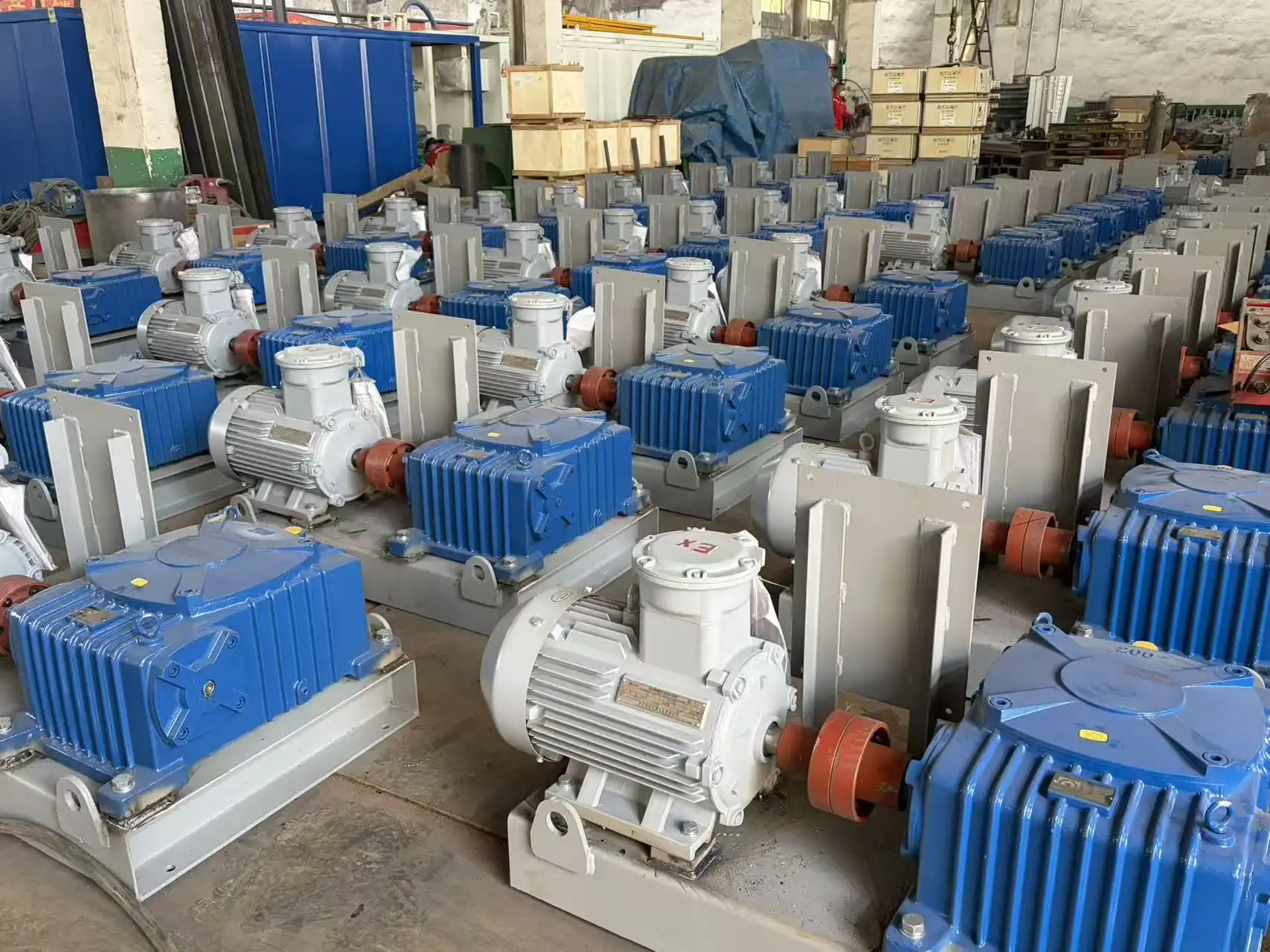
Choosing the right mud agitator for drilling mud tanks requires an understanding of tank geometry, fluid properties, operating conditions, and long-term maintenance requirements. Selecting the wrong mud agitator can result in uneven mud density, accelerated wear on downstream equipment, and additional operational risks. A systematic evaluation of motor power, gear reducer type, impeller diameter, and supplier certifications can help purchasing teams identify a mud agitator that performs reliably throughout the project lifecycle. ZHONGCHENGJIXIE's product line covers drilling applications ranging from onshore oil and gas to HDD and geothermal operations, while its engineering expertise can help ensure that the selected mud agitator is properly matched to the specific rig configuration. For demanding drilling projects, choosing the right mud agitator can support consistent fluid mixing, equipment reliability, and efficient long-term operation.
FAQ
How do I size a mud agitator for my tank?
It depends on the size of the tank, the density of the fluid, and the rate of turnover that you want. For standard-weight muds, a good rule of thumb is 1 kW per 2–3 cubic meters of tank capacity. For fluids with a density above 1.8 SG, raise the power by the same amount. To make sure full coverage, always check that the impeller's diameter matches the width of the tank.
How often should gearbox oil be changed?
Under standard conditions, gearbox oil should be changed every 2,500 hours of use. If the temperature is high or the machine is working above its rated capacity, this time should be cut down to 1,500 to 2,000 hours. As a safety measure, only use the type of oil recommended in the owner's guidebook.
Can a mud agitator be customized for special fluid types?
Yes. It is possible to change the motor rating, shaft length, impeller geometry, and seal materials for fluids with a high viscosity, oil-based muds, or high-temperature geothermal applications. Manufacturers with a good reputation will provide engineering documents to back up the custom setup.
What motor protection rating is required for oilfield use?
For use in the oilfield, explosion-proof motors that are rated for Class I, Division 1, or Zone 1 hazardous locations and meet ATEX, IECEx, or CNEX standards, depending on where they will be used.
Get a Customized Mud Agitator Quote from ZHONGCHENGJIXIE
The mud agitators that ZHONGCHENGJIXIE sells are approved and built to meet the standards of ISO 9001/14001/45001, HSE, TÜV, and BV. The motor power ranges from 3 kW to 22 kW, and the impeller sizes range from 600 mm to 1,100 mm. As a direct manufacturer of mud agitators, we can make any changes you want, ship stock units in three days, and offer a guarantee and full technical support for one year. To get a quote for your job right away, email our tech team at oliver@zcgukong.com or go to zcsolidscontrol.com.
References
1. American Petroleum Institute. API RP 13C: Recommended Practice on Drilling Fluids Processing Systems Evaluation. API Publishing Services, 2010.
2. Bourgoyne, A.T., Millheim, K.K., Chenevert, M.E., & Young, F.S. Applied Drilling Engineering. Society of Petroleum Engineers, 1986.
3. Caenn, R., Darley, H.C.H., & Gray, G.R. Composition and Properties of Drilling and Completion Fluids (7th ed.). Gulf Professional Publishing, 2017.
4. International Organization for Standardization. ISO 9001:2015 Quality Management Systems — Requirements. ISO, 2015.
5. Mitchell, R.F., & Miska, S.Z. (Eds.). Fundamentals of Drilling Engineering. Society of Petroleum Engineers, 2011.
6. Rabia, H. Well Engineering and Construction. Entrac Consulting, 2002.