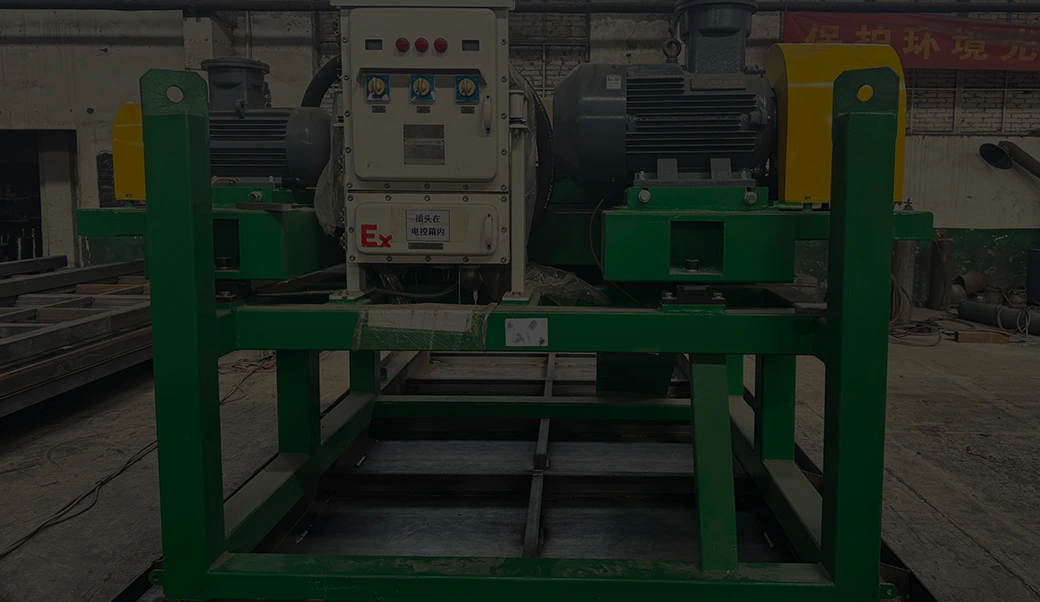
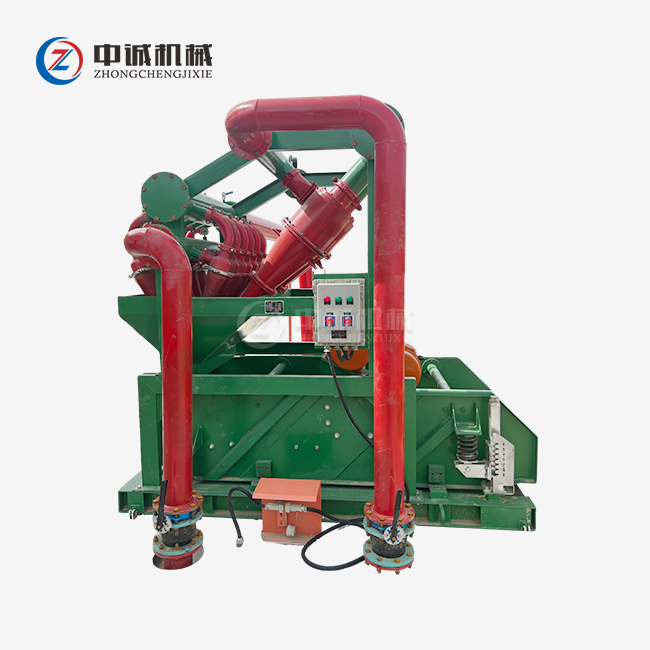
When drilling operations face the challenge of managing fine particulate contamination in drilling fluids, selecting the right third-stage solids control equipment becomes vital. A desilter operates as an indispensable component of the mud purification system, designed to remove ultra-fine particles between 15 and 44 microns from drilling mud, thereby protecting downstream equipment and maintaining optimal drilling fluid properties. This guide explores how integrating advanced hydrocyclone-based separation technology elevates operational efficiency, reduces costs, and supports environmental compliance across oil and gas, geothermal, and construction foundation projects.
What is a Desilter and How Does It Work?
Understanding the Role of Third-Stage Solids Control
In an all-encompassing solids control system, equipment works in steps to remove solids from drilling mud one at a time. The shale shakers deal with the biggest particles, the desanders with solids between 40 and 100 microns, and the Desilter, the third-stage unit, with its focus on very small particles. This step-by-step process makes sure that the viscosity, density, and chemical balance of the drilling fluids stay the same. This has a direct effect on the speed of the drilling, the life of the equipment, and the stability of the wellbore. Our factory makes the ZC line of equipment, which has this important third-stage feature that was designed for ultra-deep and deep well drilling jobs where fluid quality can't be compromised.
Hydrocyclone Technology Explained
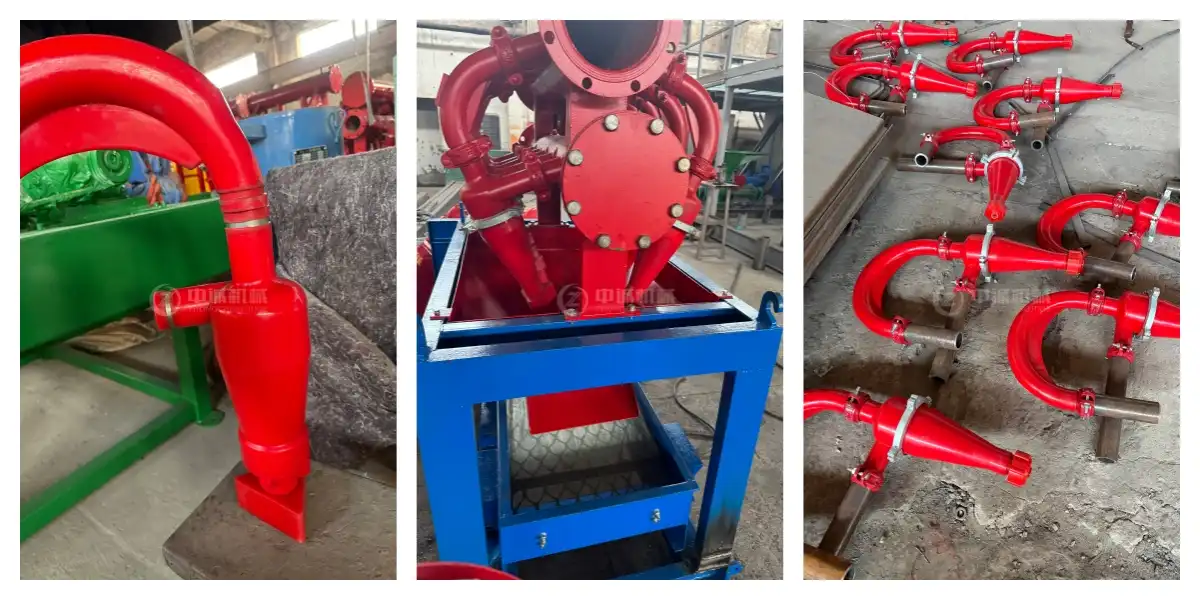
Centrifugal force is used in hydrocyclone separation to separate particles based on their different densities. A controlled pressure of 0.25 to 0.40 MPa sends drilling fluid into the cyclone chamber, where it flows in a circular pattern. Solids that are heavier are pushed to the outside and leave through the underflow discharge. Fluid that is lighter and cleaner spirals upward through the vortex finder and goes back to the active mud system. This process works best when the feed pressure, flow rate, cyclone diameter, and apex opening size are all just right. Our ZC series units have polyurethane hydrocyclones with a diameter of 4 or 5 inches and processing sizes that range from 60 to 240 m³/h. These hydrocyclones give you exact control over how well they separate things while minimizing fluid loss.
Position Within the Complete Solids Control System
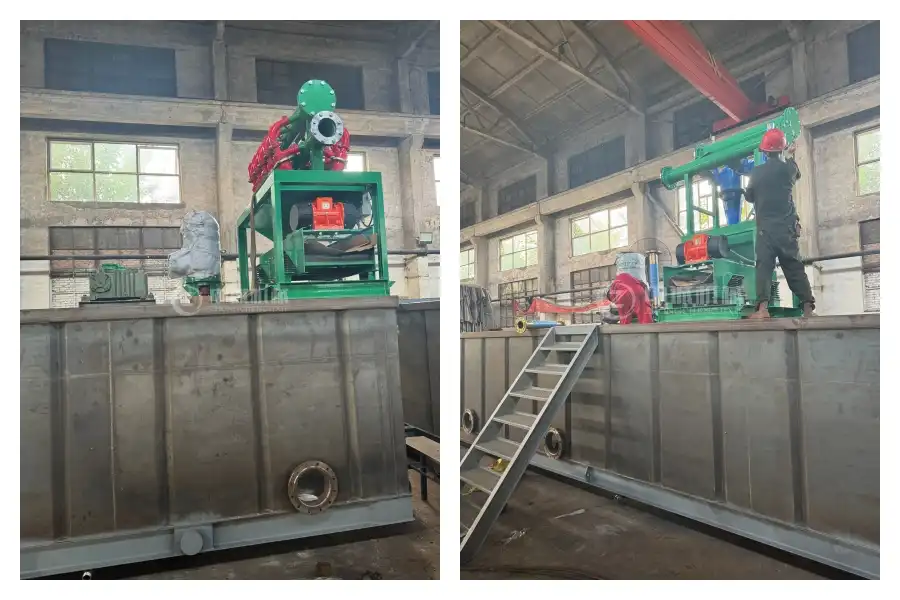
When particle control equipment is set up in the right order, the whole system works better. Desilters go after desanders and before centrifuges, making a smooth transition from getting rid of large particles to getting rid of small ones. This setup keeps downstream equipment from wearing out too quickly and makes sure that each device works within its best performance range. When combined with underflow shakers, Desilters can collect valuable drilling fluid while only releasing dry solids, which lowers the cost of dumping and the damage to the environment. When purchasing managers look at full mud circulation systems for drilling rigs with specs from ZJ30 to ZJ90, they need to know how these systems work together.
Key Benefits of Using a Desilter in Drilling Mud Treatment
Enhancing Drilling Efficiency and Reducing Operational Costs
Maintaining the quality of the drilling fluid has a direct effect on how well the drilling works. When small solids build up in mud systems, they make the fluid denser, thicker, and stronger, which causes the pump pressure to be too high, the rate of entry to slow down, and torque and drag to rise. Solids control equipment keeps the properties of the mud within certain ranges by constantly removing particles between 15 and 44 microns. This lets drilling go at the best speeds. Researchers from large drilling projects have found that controlling fine solids properly can raise ROP by 15 to 25 percent and make mud pumps and downhole motors last longer by reducing wear and tear. These improvements in performance lead to real cost savings across multi-well drilling programs, especially in deep well and horizontal drilling operations where time spent not working costs a lot of money.
Environmental Compliance and Waste Reduction
More and more, the rules that guide drilling activities stress reducing waste and protecting the environment. Removing fine solids effectively allows for higher rates of recycling drilling fluid, which lowers the amount of waste mud that needs to be treated and thrown away. Third-stage separation lets workers get back useful base fluids and chemical additives in water-based mud (WBM) and oil-based mud (OBM) recovery uses. This greatly reduces the amount of material needed and the cost of disposal. Our equipment designs include features that help reach zero-discharge goals, such as effective underflow drying and the ability to work with dewatering systems further downstream. These features make sure that operations in environmentally sensitive areas, offshore platforms, and urban horizontal directional drilling projects follow the rules set by ISO 14001 for environmental management and local discharge laws.
Protecting Downstream Equipment Investment
When fed with properly prepared drilling fluid, centrifuges, transfer pumps, and other equipment further downstream work more efficiently. Fine solids are very rough, and letting them move through pumping systems speeds up the wear on seals, bearings, impellers, and valve parts. Desilter units protect machinery by removing these particles upstream. This makes it last longer between service visits and lowers the cost of repair. Field data shows that if you handle fine materials well, you can double the average time between failures for mud pumps and increase the life of centrifuge bowls by 40 to 60 percent. These gains in dependability are especially helpful in remote drilling sites where equipment breakdowns require expensive repairs and extra parts to be sent there.
Choosing the Right Desilter for Your Oilfield Needs
Assessing Capacity and Separation Efficiency Requirements
The first step in choosing the right solids control equipment is to look at the drilling program specifications. Some important things to think about are the drilling fluid type, the rate of mud circulation, and the expected solids loading. Deep well programs with high-volume mud systems need tools that can handle 200 m³ or more per hour of flow. Shallow well operations with lower circulation rates may only need a small amount of processing power. The working capacity is directly related to the number and arrangement of hydrocyclones. Units can have anywhere from 8 to 20 cyclones set up in a parallel pattern. Our ZC series designs allow for flexible configurations that are matched to specific rig classes. This makes sure that there is enough capacity and redundancy. Engineers should also look at the separation cut point (D50) specs to make sure the equipment can capture the right size particles without losing too much valuable fine barite or liquid phase.
Standard vs. High-Efficiency Equipment Configurations
There are both normal and enhanced-efficiency designs on the market, and each is best for a different type of work. When used with standard mud systems and moderate solids loading, standard configurations give reliable performance for everyday drilling tasks. Enhanced-efficiency units have better design features like a cyclone with better geometry, automatic pressure control, and built-in instruments for monitoring performance in real time. These high-tech features make separation more accurate, cut down on fluid loss, and extend the life of parts. When procurement professionals look at their options, they should weigh the initial cost of capital against the long-term benefits to operations. When expensive synthetic fluids are used in demanding situations like extended-reach drilling, high-temperature geothermal projects, or operations where every gallon of recovered fluid has a measurable value, high-efficiency systems usually pay for themselves.
Total Cost of Ownership Analysis
Effective buying choices look at more than just the purchase price. They also consider the costs of installation, operation, upkeep, and repair in the long term. Some things that affect the total cost of ownership are:
Energy use: Units that need too much feed pressure have higher running costs over the life of the equipment.
Consumable parts: The rate at which hydrocyclones wear out and how often screens need to be replaced affect ongoing costs.
Maintenance work: Designs that need special tools or a lot of maintenance work make the costs of running the business higher.
Equipment lifespan: High-quality materials, like high-grade polyurethane cyclones, last longer, even though they cost more at first.
Access to spare parts: Manufacturers that offer fast parts delivery cut down on costly downtime.
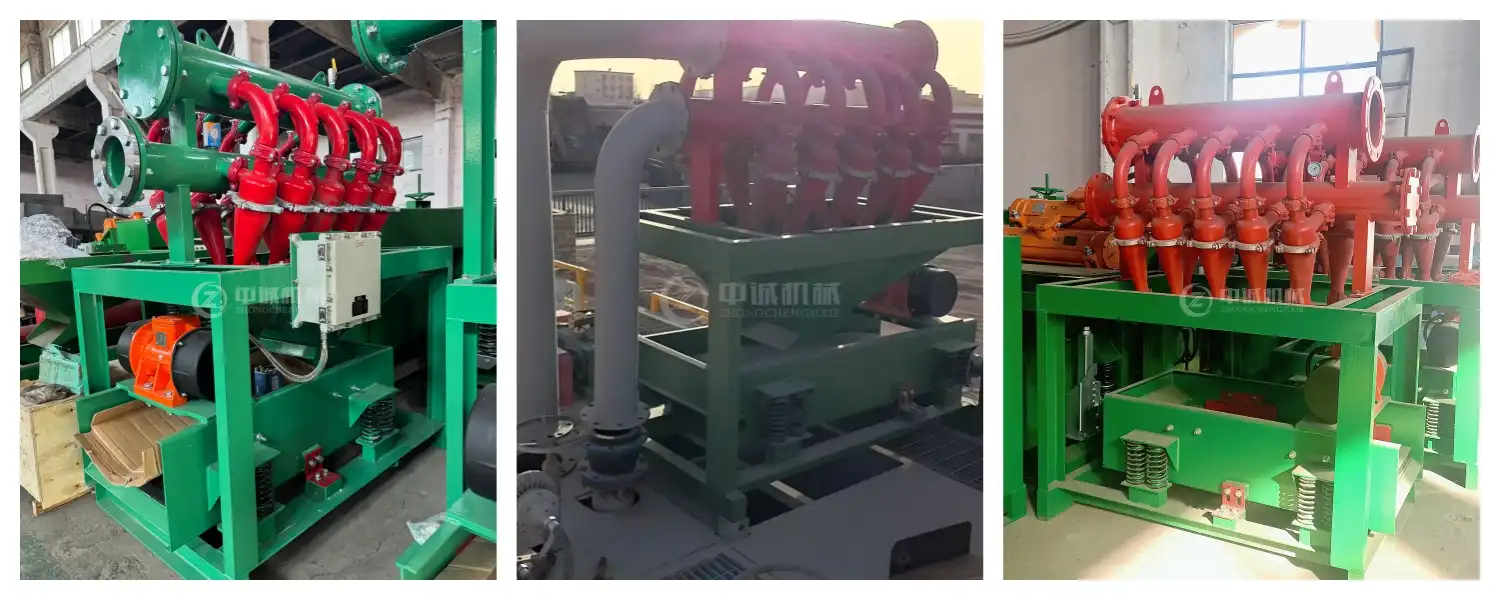
Our manufacturing process focuses on delivering total value. This includes equipment made from metals that don't wear down easily, clamp-style connections that make cyclone repair quick, and standard parts that make managing inventory easier. Stock items are shipped within three days, and custom setups are provided within fifteen days. This helps us meet project deadlines while keeping spare parts inventory as low as possible.
Practical Guidance for Procurement and Maintenance
Evaluating Manufacturers and Suppliers
For procurement agreements to work, providers must have shown they can do things in a number of different areas. The base is made up of manufacturing capacity and quality systems. Look for facilities that are ISO 9001 certified and have stable operations based on their established production volumes. Technical skill is also important, especially for jobs that need unique setups. Manufacturers with in-house engineering help can customize Desilter equipment by changing its dimensions, selecting suitable motors from international brands, and integrating the Desilter with existing rig systems. Check the supplier's credentials, such as third-party certifications from groups like TÜV and BV that show they follow international standards. Our Xi'an-based center has over 30 years of experience in the field, as well as its own patents and full quality management systems. This gives clients confidence that the Desilter will work reliably in harsh field conditions. A properly engineered Desilter can provide consistent solids-control performance, while additional Desilter configurations can be adapted to different drilling requirements and operating environments.
Custom Manufacturing and Logistical Considerations
Different drilling projects have different needs when it comes to space, power, and integrating processes. Reputable makers offer flexible customization options to meet these needs. Some examples of customization options are small sizes for offshore containers, explosion-proof electrical requirements for dangerous locations, or special materials for high-temperature uses. When you hire providers, you should give them full details about the rig model, the available deck space, the power source, and the conditions you expect it to work in. Clear communication during the planning part keeps changes from being made afterward that cost a lot of money. Logistics skills have a direct effect on project schedules. Check to see how close the supplier is to major shipping ports and if they already have relationships with international freight forwarders. Because we are strategically located near the ports of Tianjin and Shanghai and use transport-safe packaging like protective films, tarps, and optional wooden crating, all of our equipment arrives ready to be set up, no matter where it goes.
Maintenance Best Practices for Extended Service Life
The most reliable tools and the best return on investment come from following the right upkeep steps. Regular checks should make sure that the feed pressure stays within certain ranges. This is usually done with pressure gauges that are already installed. Low pressure can mean that there are problems with the pump or that the supply line is blocked. High pressure speeds up the wear on the hydrocyclone. Monitoring the performance of a cyclone involves looking at the patterns of discharge. When a unit is working properly, it produces a spray discharge, but when it produces a rope-like discharge, it means that there is a blockage or too much solids loading, which needs apex adjustment. At the end of each shift, the screens on underflow shakers should be checked for tears, blind spots, or loose tension. We suggest keeping logs of operating hours, replacement parts, and performance trends. This will allow for proactive maintenance instead of reactive repairs. Building relationships with OEM parts providers guarantees access to high-quality substitute parts. Fake or non-specification parts frequently break down early, posing safety risks and causing delays in operations.
Real-World Applications and Case Studies
Oil and Gas Drilling Performance Improvements
Upgrading Solids Control Systems has been shown to help major drilling contractors in measurable ways. A company in the Gulf Coast that was digging 15,000-foot wells in shale formations saw an 18% drop in the average time it took to finish a well after using improved third-stage separation. The gain came from keeping the mud weight within ±0.3 ppg of the goal throughout the drilling process. This kept the wipers from tripping and allowed for consistent ROP. Through less barite use and lower disposal volumes, fluid costs were cut by more than $45,000 per well. In offshore applications, a North Sea operator said that effective upstream fine solids removal cut centrifuge operating hours by 30%. This was because it cut power use and extended the life of parts. These case studies show how small changes in performance add up over the course of a drilling program and lead to big cash gains.
Horizontal Directional Drilling and Construction Applications
Hydrocyclone-based separation technology is used for more than just oilfields. It also helps with foundation engineering and trenchless construction. HDD contractors in cities have to deal with strict rules about the environment and a lack of space for managing waste. Integrated mud cleaning systems were used on a metropolitan utility installation project to recycle bentonite-based drilling fluid continuously. This cut down on disposal costs by 70% while keeping the bore stable in difficult soil conditions. Foundation drilling companies working on tall buildings use similar tools to process bentonite slurries that are used in diaphragm wall and pile construction. This gets rid of leftover materials and makes solids that can be stacked and thrown away normally. These uses show how flexible technology can be in many different types of industries where fluid quality control is still important.
Emerging Trends and Future Technology Directions
Solids control technology keeps getting better to meet the needs of businesses that want to be more efficient and leave less of an impact on the environment. Automation and sensor integration are big steps forward. Modern systems watch feed pressure, flow rates, and discharge characteristics in real time, which lets them make automatic changes that improve separation efficiency without any help from a user. Predictive maintenance programs look at performance data to guess when parts will wear out and plan repairs before they break. As materials science improves, cyclone liners become more resistant to wear over time. This means they don't need to be replaced as often and cost less over their whole life. Compact flexible designs make it easier to move and set up and allow for quick placement in places with limited room. Ultra-deep wells, high-pressure/high-temperature reservoirs, and remote locations are all becoming more difficult for drilling operations. As a result, equipment needs to work reliably with little maintenance. Manufacturers that put money into these areas of technology will best meet the needs of customers whose needs are changing.
Conclusion
Controlling small solids well is an important part of drilling because it affects drilling performance, equipment reliability, and environmental compliance. Using properly sized and well-maintained Desilter equipment for third-stage separation can provide measurable benefits, such as faster rates of penetration, reduced equipment wear, lower fluid costs, and less waste generation. When purchasing a Desilter, buyers should consider not only the initial cost but also the long-term savings associated with reliability, manufacturer support, and operational efficiency. A properly configured Desilter can help maintain consistent solids-control performance while reducing the impact of unwanted fine particles on drilling fluids and downstream equipment. As drilling operations face increasingly complex technical and environmental challenges, working with experienced manufacturers that provide proven Desilter technology, flexible customization, and comprehensive technical support becomes more important for project success. Choosing a reliable Desilter can also help operators improve drilling efficiency, control operating costs, and maintain competitive performance in demanding field conditions.
FAQ
When should operations implement third-stage solids control equipment?
When digging deeper than 5,000 feet, using weighted mud systems, or dealing with high solids loads, operations should control all solids, including removing fine particles. Some signs are rising mud weight even though no barite has been added, high pump pressures, or early centrifuge wear.
What factors affect hydrocyclone lifespan?
How long a cyclone lasts is mostly determined by the amount of sharp particles, the feed pressure, and the materials used to build it. In normal situations, high-quality polyurethane cyclones can work for 1,000 to 2,000 hours, and they last longer in places with low wear and tear. Proper operation at the recommended forces stops damage from happening too soon.
How does equipment integrate with existing rig systems?
Modern designs allow for different rig configurations by offering different mounting options, power supply specifications, and standard connection interfaces. Trustworthy manufacturers offer engineering support to make sure the integration works right, such as dimensional drawings, electrical schematics, and installation instructions.
What maintenance expertise do operations require?
Visual inspections, pressure tracking, and screen replacement are all basic maintenance jobs that can be easily done by trained rig staff. Repairs that are more complicated, like replacing a cyclone, need basic mechanical Knowledge and common hand tools. Manufacturers who offer field service training make sure that operations staff learn the skills they need.
Partner With Experienced Desilter Manufacturer for Your Solids Control Needs
Drilling operations need equipment that works well, has good expert help, and was made by people who have done this before. Shaanxi Xixian New Area Zhongcheng Machinery Manufacturing Co., Ltd. offers full solids control solutions that are made to fit the needs of your project, whether it's for oil and gas drilling at sea, geothermal research, or building foundations. Our ZC series equipment has polyurethane hydrocyclones that don't wear down easily, can be set up in a variety of ways, can process 60 to 240 m³/h, and has been certified to meet ISO 9001, 14001, 45001, HSE standards, TÜV, and BV requirements. We offer competitive pricing, fast delivery, and full technical documentation. We have been in this business for over 30 years, have our own patents, and can make more than 200 systems every year. You can email our engineering team at oliver@zcgukong.com to talk about custom configurations, get technical specs, or get quotes on projects. You can see all of our products and get access to specific technical tools by going to zcsolidscontrol.com.
References
1. American Petroleum Institute. (2021). Recommended Practice for Drilling Fluid Processing Systems Evaluation (API RP 13C). Washington, DC: API Publishing Services.
2. Bourgoyne, A.T., Millheim, K.K., Chenevert, M.E., & Young, F.S. (2020). Applied Drilling Engineering. Richardson, TX: Society of Petroleum Engineers.
3. Kenny, P., & Sunde, E. (2019). Solid Control and Waste Management: A Practical Guide for Drilling Operations. Stavanger: Petroleum Engineering Publications.
4. Luo, Y., & Bern, P.A. (2018). Hydrocyclone Engineering Fundamentals and Industrial Applications. Houston: Gulf Professional Publishing.
5. Mitchell, R.F., & Miska, S.Z. (2022). Fundamentals of Drilling Engineering (Second Edition). Richardson, TX: Society of Petroleum Engineers.
6. Zhang, H., & Wang, R. (2020). "Performance Optimization of Drilling Fluid Solids Control Systems in Extended-Reach Drilling Operations." Journal of Petroleum Science and Engineering, 195, 107890.
.webp)
.webp)