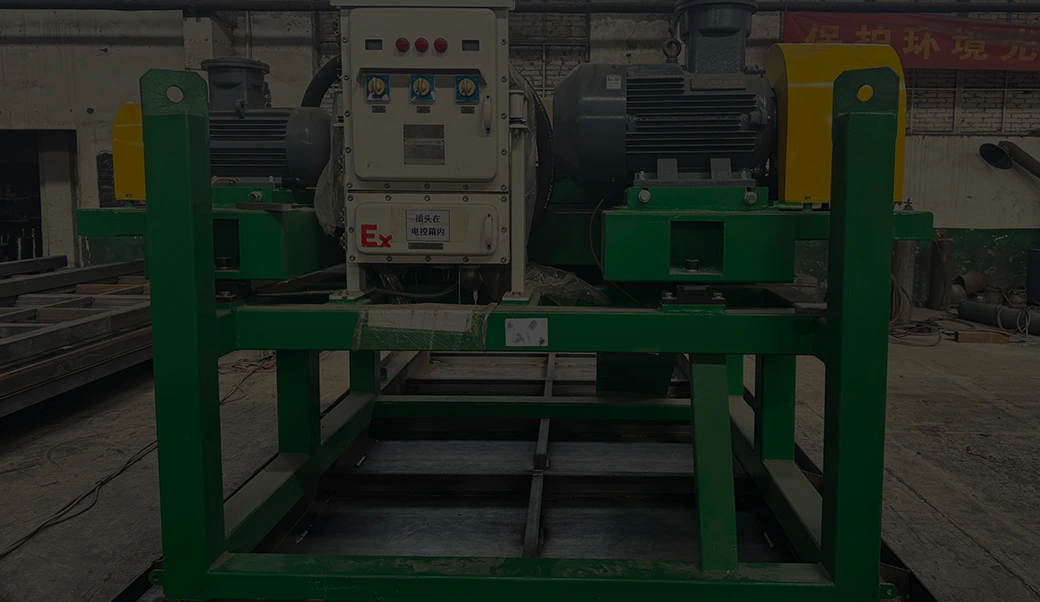
When drilling contractors and procurement managers search for a dependable mud circulation tank manufacturer, they need more than a product catalog — they need a partner who understands what happens 10,000 feet underground. A Mud Circulation Tank is the structural and functional backbone of any solids control system. It stores, circulates, and conditions drilling fluid across the entire wellbore lifecycle. At ZHONGCHENGJIXIE, we manufacture ZC Mud Tanks compatible with ZJ20 through ZJ90 rigs for onshore, offshore, and truck-mounted drilling operations, certified under ISO 9001/14001/45001, HSE, TÜV, and BV standards.
Understanding Mud Circulation Tanks: Functions, Components, and Types
Core Function in the Drilling Fluid System
A drilling fluid circulation tank controls the flow of mud from the well to the equipment on the surface. It gives the cuts the time they need to be removed, the gas to be released, and the chemicals to be conditioned. If you don't have enough space and volume in your tank, the mud's qualities will quickly change, which can cause the pump to wear out, bits to break, and unexpected downtime. Industry data shows that up to 30% of the time that busy rigs are not working is wasted because the drilling fluid is not being managed properly.
Key Components and Their Roles
The ZC Mud Tank is made of a steel structure with several sections for moving, mixing, settling, and storing mud. Each section does a different kind of processing. Here are the main parts that make it work:
- Mud agitators keep solids in suspension across all tank sections, preventing stratification and sedimentation that degrade fluid consistency.
- Mud guns direct high-velocity fluid into corners and dead zones, ensuring full tank circulation and eliminating stagnant pockets.
- Sand pumps and valves transfer conditioned fluid between compartments and to downstream equipment like shale shakers and centrifuges.
- Non-slip walkways, railings, and ladders provide safe access for operators during mixing, sampling, and maintenance tasks.
All of these parts work together to keep the rheological qualities steady during the drilling process. Barite sag and fluid loss are common problems in the field that can't be fixed without proper movement and section design.
Tank Types: Steel vs. Modular Designs
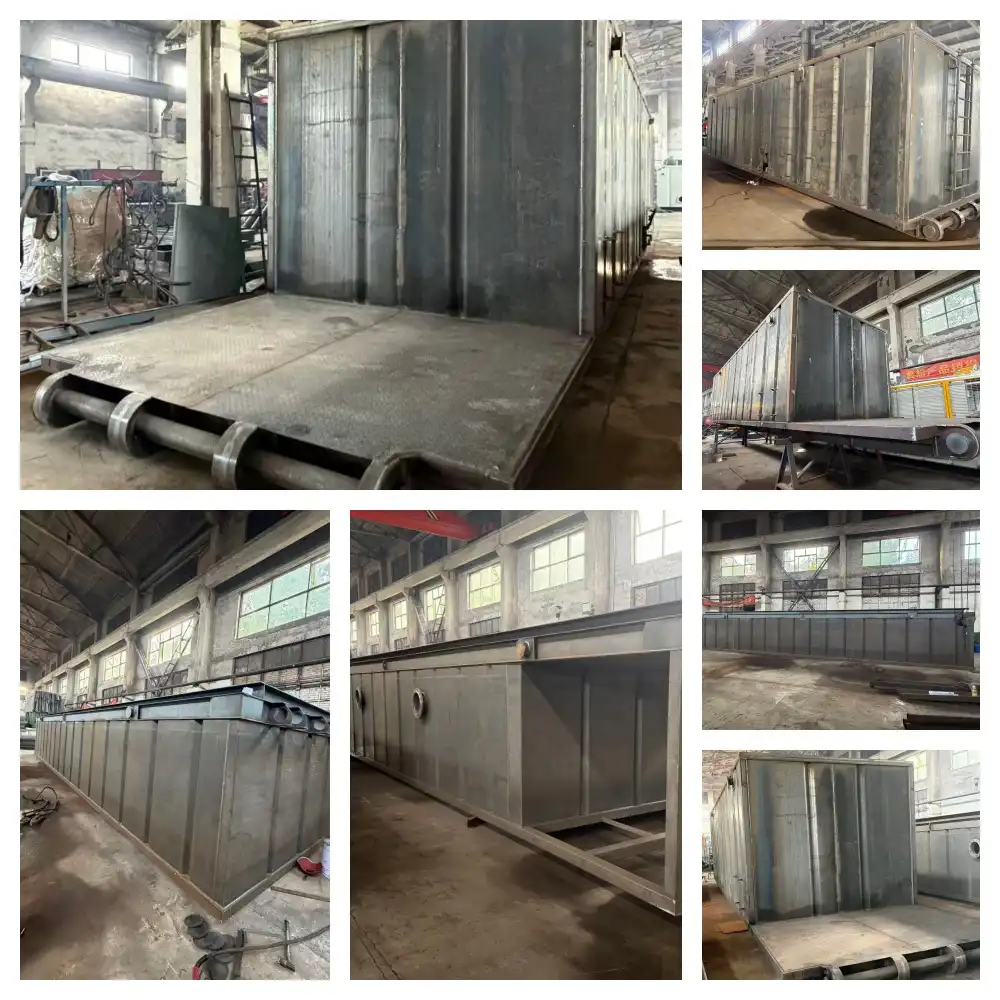
Steel-welded tanks are still the standard for both marine and land rigs because they are strong and don't rust. For use in the ocean, the ZC Mud Tank is made of high-quality steel that doesn't rust and has a covering that is 250–300 microns thick. Modular skid-mounted designs make it easy to quickly put together in the field and move from one drilling spot to another, which lowers the cost of movement for projects with more than one well.
Comparing Mud Circulation Tanks: Making Informed Decisions for Your Drilling Project
Mud Circulation Tanks vs. Mud Pits and Shale Shakers
In some land operations, Mud Circulation Tank mud pits are open earthen structures that are used. Shale shakers, on the other hand, are motorized separation units that are placed on the surface of the tank. The drilling fluid storage tank stores and processes fluids in a single steel structure. This keeps fluids from getting contaminated in open pits and gives shakers, desanders, and centrifuges a stable place to work.
Steel Tanks vs. Plastic Alternatives
Steel tanks last longer and are better at handling mechanical vibrations from solids control equipment that is mounted on them. Plastic versions might be cheaper to buy at first, but they don't have the structural strength needed for full rig-mounted setups. Drilling contractors usually use steel-welded tanks for jobs that use ZJ50 rigs or more.
Selecting the Right Tank Size and Configuration
There is a standard way to choose the right capacity: the total volume of the tank should be 1.5 to 2 times the total volume of the wellbore to allow enough time for fluid treatment. This usually means that a ZJ70 rig that is drilling a 5,000-meter well has a tank system that can hold 400–600 cubic meters. It's also important to make sure that the tank's size fits the site's space and the rig's footprint. This is especially important for offshore platforms with strict deck load limits.
Maintenance and Troubleshooting: Ensuring Long-Term Performance
Routine Maintenance Intervals
Visual review of internal coatings should be done once a year, and full coating touch-ups should be done every 3–5 years, based on how rough the mud is. Every month, you should check the oil in the agitator gear, and every time the rig moves, you should make sure that all of the seals on the tank manholes and valve connections are still good. These time frames are in line with what API and ISO say should be done to maintain drilling fluid tools.
Common Issues and How to Address Them
Four problems keep happening with digging mud tanks for field teams:
- Sediment accumulation: Increase agitator speed and deploy mud guns to direct flow into low-circulation zones.
- Micro-leakage at weld seams: Perform hydrostatic water tightness tests (48-hour fill) and repair using qualified welding procedures.
- Pipeline blockage: Flush with clean water, inspect valve seats, and verify pump inlet screens are clear.
- Coating degradation: Touch up anti-rust paint promptly after identifying bare spots to prevent accelerated corrosion.
Micro-leakage at weld seams: Do hydraulic water tightness tests (48-hour fill) and fix using proper welding techniques.
Field Evidence on Proactive Maintenance
If you take care of these problems right away, small maintenance jobs won't turn into full equipment replacements, which can cause drilling plans to be pushed back by days or weeks.
Procuring Mud Circulation Tanks: Your Guide to Selecting Trusted Manufacturers and Suppliers
What to Look for in a Manufacturer?
A good Mud Circulation Tank supplier should have ISO certifications, be able to do engineering design in-house, and be able to show project references that can be checked. ZHONGCHENGJIXIE has approvals from HSE, TÜV, and BV, as well as ISO 9001, ISO 14001, and ISO 45001. We make equipment that meets both domestic and international drilling standards. We have more than a dozen patents and more than 30 years of experience in production.
Customization and OEM Capabilities
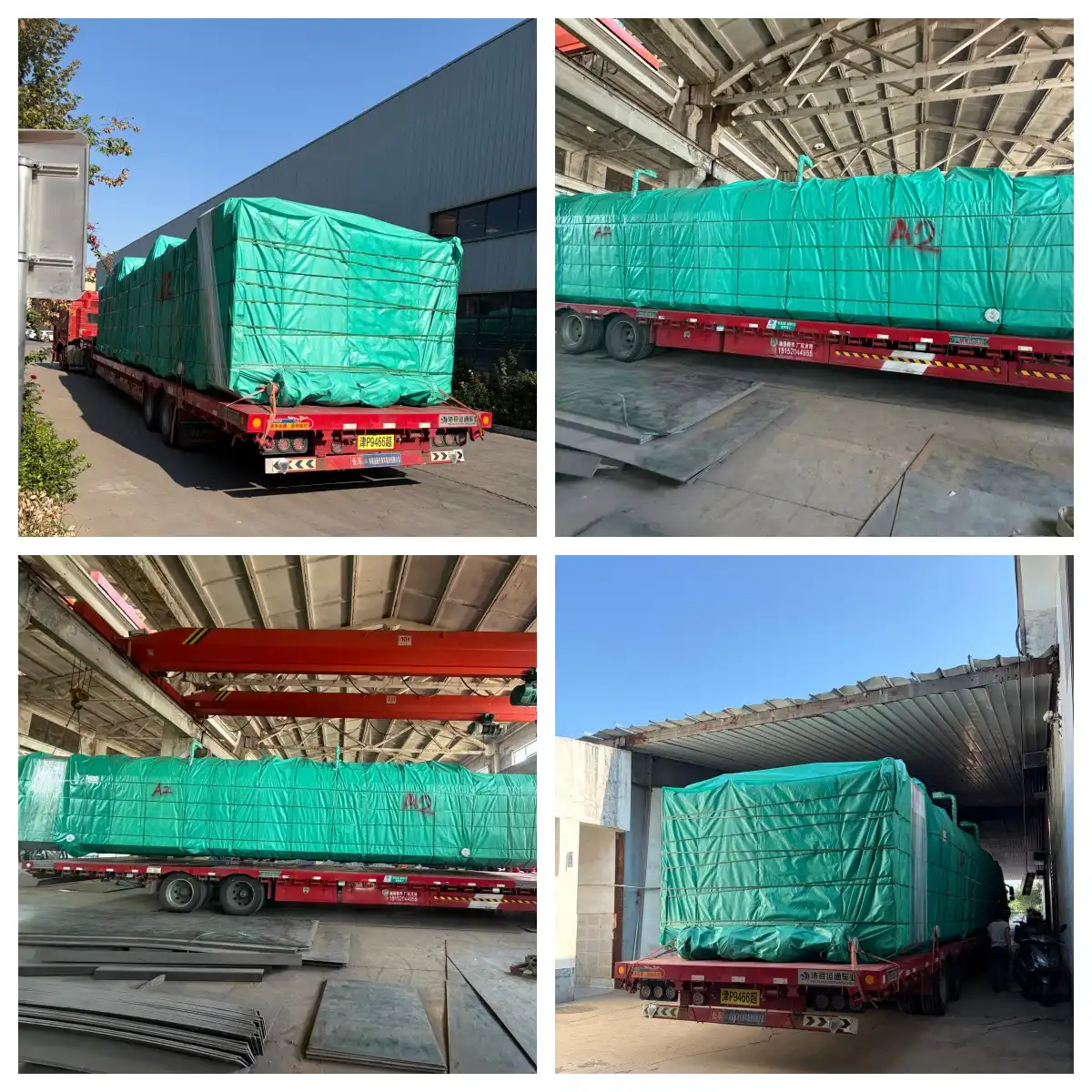
Tanks need to be set up in different ways for each type of rig. Based on the needs of the project, we offer customizable compartment plans, tank sizes, agitator motor choices, and electrical specs that are safe from explosions. Standard export packing is included, and units that are in stock will be sent out within 3 days. Custom orders are usually finished in 15 days, and they come with full installation instructions, engineering models, and system flowcharts.
Purchase vs. Rental Considerations
Owning the equipment lowers per-well costs by a large amount for long-term projects. Short-term campaigns or feasibility drilling projects work well with rental deals. When purchasing managers look at the total cost of ownership, they should consider things like the manufacturer's closeness to ports and the supply of spare parts. ZHONGCHENGJIXIE ships go through the ports of Tianjin and Shanghai, which makes it easy to send goods all over the world.
Enhancing Drilling Efficiency with Advanced Mud Circulation Tank Technologies
Smart Agitation and Modular Design Advances
Modern drilling fluid tank systems have variable-frequency drive agitators that change torque based on the weight of the mud. This uses up to 20% less energy than motors with a fixed speed. The ZC Mud Tank's flexible structure lets field teams increase the tank's capacity without having to update the whole system. They can do this by adding standard compartment modules.
Integration with Solids Control Equipment
Shale shakers, vacuum degassers, desanders, desilters, and centrifuges are lined up along the surface of the tank in a well-thought-out mud circulation system. When done right, integration cuts down on fluid transfer losses between steps of handling and keeps the properties of drilling fluid within the limits that were set. ZHONGCHENGJIXIE offers one-stop solutions for the whole solid control equipment chain, from the structure of the tank to the final discharge from the centrifuge.
Trends Shaping Future Tank Design
Closed-loop zero-discharge systems are becoming more important to regulations, especially in the US where the EPA is tightening rules on how to handle drilling waste. In the future, tanks will be built with dewatering and garbage treatment units built right into the circulation system. This will reduce the size of the tank's footprint on the site while still meeting environmental standards.
Conclusion
A well-designed Mud Circulation Tank is the first part of a drilling fluid transfer system that works well. The ZC Mud Tank from ZHONGCHENGJIXIE has a strong structure, keeps mud from settling, seals completely, and works with systems that range from ZJ20 to ZJ90. Whether your business is in West Texas or the South China Sea, the right tank design affects how well you drill, how much the fluid costs, and how well you follow environmental rules. We back up every unit with full technical documentation, help with installation, and a steady supply of spare parts.
FAQ
What certifications should a mud circulation tank manufacturer hold?
Look for ISO 9001 quality management, ISO 14001 environmental management, and ISO 45001 occupational safety certifications at minimum. For international projects, BV, TÜV, and HSE approvals add credibility. ZHONGCHENGJIXIE holds all of these certifications.
How do I calculate the correct tank capacity for my drilling project?
Total tank volume should be 1.5 to 2 times the wellbore volume to allow sufficient residence time for solids removal and chemical conditioning. Share your well depth and rig class with our engineering team for a precise recommendation.
Can tanks be customized for offshore or arctic environments?
Yes. Offshore configurations include reinforced structural frames, deck-compatible footprints, and DFT-verified anti-corrosion coatings. Arctic environments require steam heating coils and insulated panels to prevent fluid freezing. We configure tanks to match specific environmental and regulatory requirements.
What is the typical maintenance interval for the internal coating?
Visual inspection is recommended annually. A full coating touch-up is advisable every 3–5 years, depending on mud abrasiveness and operating conditions.
How quickly can a customized tank order be delivered?
In-stock units ship within 3 days. Customized orders, including modified dimensions or compartment layouts, are typically completed within 15 days from order confirmation.
Request a Quote from ZHONGCHENGJIXIE — Your Trusted Mud Circulation Tank Supplier
ZC Mud Circulation Tank Tanks made by ZHONGCHENGJIXIE are made for real digging situations, not for show rooms. Our engineering team helps you with the whole buying process, from the initial design to installation and start-up. Get in touch with us right away to talk about the needs of your project, get a price quote, or set up a product review. You can email our team at oliver@zcgukong.com or go to zcsolidscontrol.com to see all of our products.
References
1. American Petroleum Institute. API RP 13C: Drilling Fluids Processing Equipment. API Publishing, 2010.
2. Bourgoyne, A.T., et al. Applied Drilling Engineering. Society of Petroleum Engineers Textbook Series, 1986.
3. Drilling Contractor Magazine. Solids Control and Waste Management in Modern Drilling Operations. IADC, 2019.
4. Mitchell, R.F., and Miska, S.Z. Fundamentals of Drilling Engineering. Society of Petroleum Engineers, 2011.
5. Oil & Gas Journal. Advances in Drilling Fluid Circulation and Solids Control Systems. PennWell Publishing, 2021.
6. International Association of Drilling Contractors. IADC Drilling Manual, 12th Edition. IADC Publications, 2015.