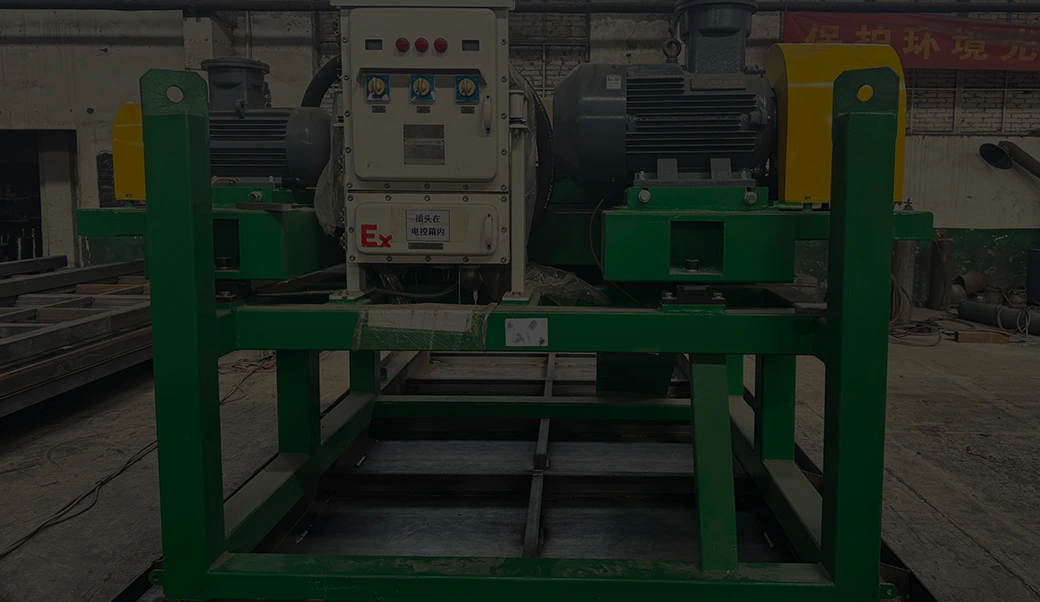
Yes — an elevated diesel tank genuinely simplifies fuel delivery to generators and equipment. By positioning the storage vessel on a structural steel stand, gravity alone moves diesel through the discharge line without any electric pump. This passive flow mechanism is especially practical on remote drilling sites, mining operations, and construction zones where power supply is inconsistent. The ZC Elevated Diesel Tank from ZHONGCHENGJIXIE offers volumes from 5 to 50 m³, a detachable skid stand, and a full safety package, making gravity-fed refueling both reliable and cost-effective for demanding field environments.
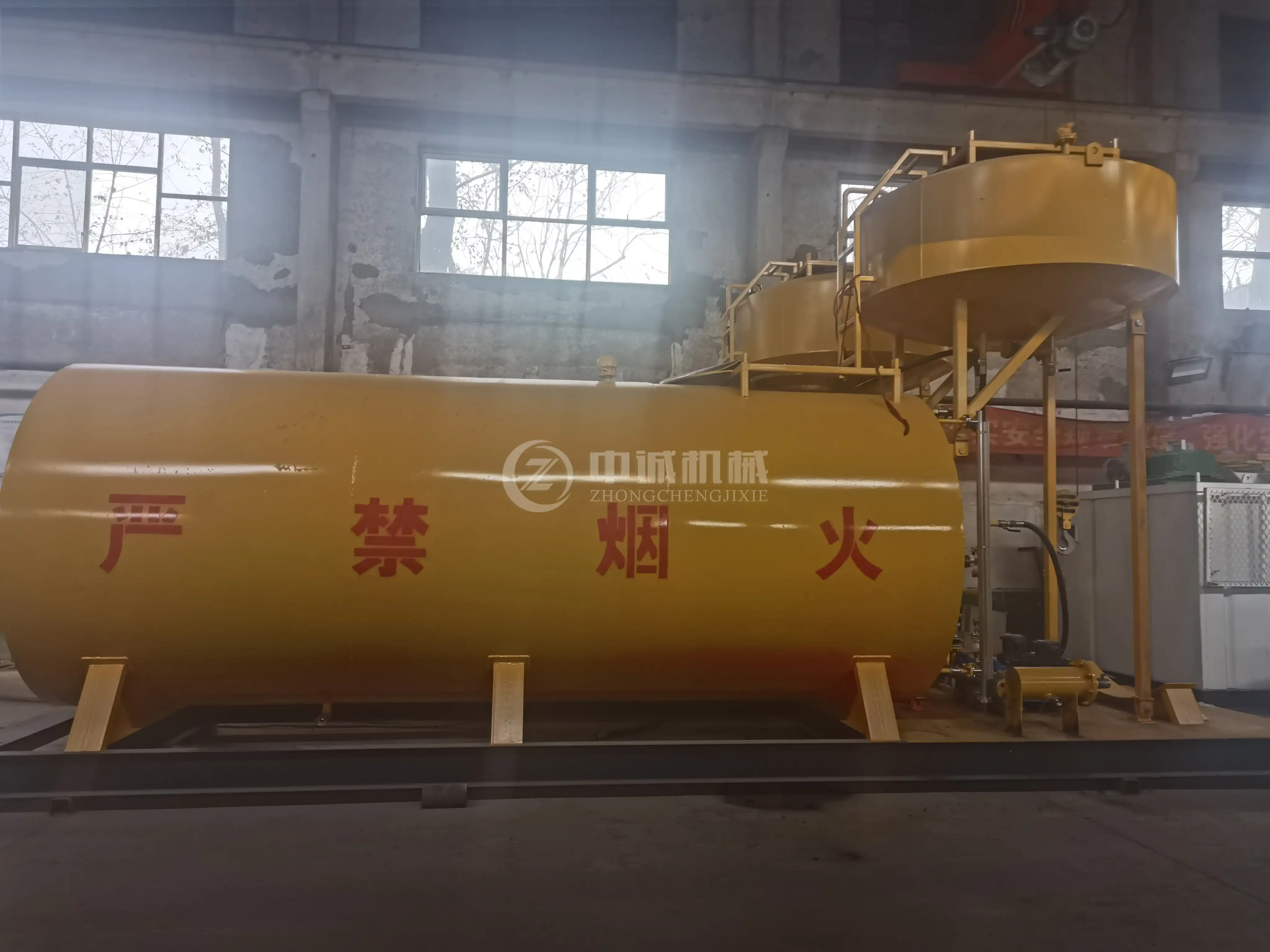
Understanding Elevated Diesel Tanks and Their Role in Fuel Delivery
Prior to choosing a gravity fuel tank for your business, it is helpful to know how the technology works and why it is now commonplace on gas pads and rural power stations.
How Gravity-Fed Fuel Systems Work?
About 0.1 bar of head pressure is created for every meter of height. So, a tank that is mounted 3 meters above the fill point gives off about 0.3 bar of steady driving pressure, which is enough to keep diesel flowing through a standard 2-inch hose without the help of a motor. This physics-based concept has been used for decades in industry fuel management and is still the most reliable way to dispensing fuel.
Safety Features Built Into Modern Designs
A well-built gravity day tank is more than just a drum on legs. The ZC unit has overfill safety valves, hermetically sealed fittings that stop vapor release, bottom-drain sludge valves for getting rid of water, and a heavy-duty epoxy-lined chamber that stops microbes from growing in diesel that has been kept. NFPA 30 rules say that tanks must be at least 12 feet away from buildings and have secondary containment that can hold 110% of the tank's volume.
Regulatory Compliance in the US and International Markets
In the US, EPA Spill Prevention, Control, and Countermeasure (SPCC) rules and NFPA 30 apply to above-ground fuel storage at industrial sites. The elevated tanks made by ZHONGCHENGJIXIE are certified by ISO 9001, ISO 14001, ISO 45001, HSE, TÜV, and BV. This gives buying teams the paperwork they need to please both domestic compliance officers and foreign project inspectors.
Advantages of Using Elevated Diesel Tanks for Generators and Equipment
There are many useful perks, not just getting rid of one pump from the list of tools. Here are some of the best things about this gravity fuel storage device:
- No pump dependency: Without an electric transfer pump in the fuel path, there are fewer mechanical components to fail. Pump failures account for a measurable share of generator downtime on remote sites, and removing that component directly reduces unplanned stoppages.
- Reduced ground contamination risk: Above-ground installation means any seepage is visible immediately, unlike buried tanks where slow leaks can contaminate soil and groundwater undetected for months. The hermetically sealed design of the ZC tank adds a second layer of protection against spills.
- Space-efficient footprint: The elevated layout occupies vertical space rather than spreading across the pad, which matters on congested drilling locations where every square meter is allocated to other equipment.
- Lower total cost of ownership: Without pump motors, motor controllers, or wiring, both capital expenditure and maintenance budgets shrink. A site running a 20 m³ gravity tank in place of a pump-fed system can expect meaningful savings over a five-year operating cycle.
Lowering the total cost of ownership of an Elevated Diesel Tank means: Lack of pump motors, motor controls, or wiring cuts down on funds for both major purchases and repairs. Over the course of five years, a site that uses a 20 m³ gravity tank instead of a pump-fed system will save a lot of money.
Key Considerations When Selecting an Elevated Diesel Tank
To find the right tank for your needs, you need to be honest about three things: space, material, and movement.
Capacity Selection
Based on the type of rig, a mid-size drilling rig can use anywhere from 800 to 2,000 liters of diesel every day. At those rates, a 10 m³ tank gives you about five to twelve days of backup, which lowers how often you have to restock in remote areas. The ZC series is available in volumes ranging from 5 m³ to 50 m³, and custom specifications can be made to fit the fuel needs of any rig class from ZJ30 to ZJ90.
Steel vs. Alternative Construction
The ZC tank is made of high-quality carbon steel and has an anti-corrosion covering that has been checked for Dry Film Thickness on the outside and an epoxy-phenolic lining on the inside. The steel building can handle the shaking, dust, and changes in temperature that are common on gas pads. Before shipping, hydraulic leak testing and NDT checking make sure the weld is solid. This makes sure the ship gets to its destination ready to go.
Fixed Installation vs. Portable Skid
The ZC tank is very flexible because its skid stand can be taken off. The skid bolts to a prepared concrete base for long-term use on production pads. For short-term drilling jobs or rental companies of heavy equipment, the tank can be moved to a new site by lifting it onto a flatbed and moving it again. This system can be used for both long-term power plants and short-term research missions.
Installation, Maintenance, and Compliance Best Practices
Getting the right tank is only half the battle. Whether that tank works for ten years or starts giving you trouble in the second year depends on how well it was installed and how often it is maintained.
Site Preparation and Foundation Requirements
The base for an Elevated Diesel Tank has to be strong enough to hold the full weight of a tank that is full of diesel. A 20-meter-wide tank holds about 17,000 kg of fuel. The usual base is a strengthened concrete pad that has been tested to show that it can hold weight. NFPA 30 says that the building must be clear of property lines and sources of ignition. Most US state environmental laws also require additional containment bunding that is 110% of the tank's capacity.
Routine Maintenance Checklist
Gravity fuel systems work without any surprises as long as they are checked regularly. Important maintenance tasks are:
- Inspect all valves, seals, and vent caps monthly for wear or leakage.
- Drain the bottom sludge valve quarterly to remove water accumulated through thermal cycling.
- Check the structural stand for corrosion or weld fatigue, particularly after seasonal freeze-thaw cycles.
- Verify that coating DFT measurements remain within specification during annual surveys.
ZHONGCHENGJIXIE includes full operation and maintenance manuals, wiring diagrams, and component drawings with every unit. This makes it easier for site maintenance teams to learn how to use the equipment.
Documentation and Warranty Compliance
Keeping correct records of inspections meets the needs of governmental audits and protects warranty coverage. There is a one-year warranty on all of ZHONGCHENGJIXIE's products, and they offer spare parts and direct expert help. The company also offers installation help and technical training at the job site for EPC workers who are in charge of projects that span multiple sites.
Selecting Reliable Elevated Diesel Tank Suppliers and Brands
The history of the seller is just as important as the product specification sheet. A tank that ships with welds that aren't finished or finishes that don't meet standards is a risk, not a value.
What to Look for in a Qualified Supplier
A reliable Elevated Diesel Tank maker should have third-party certifications that can be checked, a history of field operations in similar conditions, real customization options, and quick customer service after the sale. Speed of delivery is also important. Drilling projects rarely have extra time for procurement, and a supplier who can't promise firm ship dates makes every purchase order more vulnerable to schedule risk.
Why ZHONGCHENGJIXIE Stands Out in This Category
ZHONGCHENGJIXIE has been making drilling site equipment since 2015, and its technical team has more than 30 years of experience in the field. The company has more than a dozen designs that are its own and can make 200 full mud drainage systems every year. Its ZC Elevated Diesel Tank is made with the same high quality standards as its shale shakers, centrifuges, and other solid control parts, which have already been used in oilfields in several countries. In-stock units are shipped within three days, and custom setups are ready in fifteen days. Tianjin and Shanghai ports are used for logistics agreements that make global delivery quick and easy.
Conclusion
A raised fuel tank that is fed by gravity gets rid of the need for pumps, makes upkeep easier, and keeps diesel running to generators and drilling equipment even when power is out. The ZC Elevated Diesel Tank from ZHONGCHENGJIXIE can hold 5–50 m³ of fuel and is certified to be fully customizable. It can be used in shale gas pads, remote mining camps, and other situations. If a steady supply of fuel and less downtime for machines are important to your business, this is a simple engineering answer that makes a strong case for saving money.
FAQ
How does tank height affect diesel flow rate?
Each meter of elevation generates roughly 0.1 bar of head pressure. A tank mounted 4 meters high delivers approximately 0.4 bar at the nozzle, minus friction losses in the hose. This pressure is sufficient for standard refueling operations without any pump assistance.
Is secondary containment required for an above-ground diesel tank?
Yes. Under EPA SPCC regulations and most US state environmental rules, a secondary containment bund capable of holding 110% of tank capacity is required to prevent soil contamination in the event of a leak.
Can the tank be relocated after installation?
The ZC unit features a detachable skid stand. It can be unbolted from its foundation, loaded onto a flatbed, and reinstalled at a new site without structural modification, making it suitable for short-term drilling campaigns.
What materials are used in ZC tank construction?
The ZC tank uses high-grade carbon steel with an epoxy phenolic interior lining and a C5-M grade exterior coating. All welds undergo hydrostatic pressure testing and NDT inspection before shipment.
What certifications does ZHONGCHENGJIXIE hold?
The company holds ISO 9001, ISO 14001, ISO 45001, HSE, TÜV, and BV certifications, covering quality management, environmental management, and occupational health and safety systems.
Get a Quote from ZHONGCHENGJIXIE — Elevated Diesel Tank Supplier
ISO-certified gravity fuel storage tanks are made by ZHONGCHENGJIXIE for use in the fields, mines, and building sites. We can help procurement teams find a reliable Elevated Diesel Tank seller by offering custom volume choices, export-standard packaging, and direct factory pricing. Get in touch with our technical team right away to talk about requirements, shipping times, or price for large orders. To get a full quote on a product, email us at oliver@zcgukong.com or go to zcsolidscontrol.com.
References
1. National Fire Protection Association. NFPA 30: Flammable and Combustible Liquids Code. NFPA, 2021.
2. U.S. Environmental Protection Agency. Spill Prevention, Control, and Countermeasure (SPCC) Guidance for Regional Inspectors. EPA, 2013.
3. American Petroleum Institute. API 650: Welded Tanks for Oil Storage. API, 2020.
4. Underwriters Laboratories. UL 142: Standard for Steel Aboveground Tanks for Flammable and Combustible Liquids. UL, 2019.
5. Journal of Loss Prevention in the Process Industries. "Risk Assessment of Above-Ground Fuel Storage Facilities in Industrial Settings." Elsevier, 2018.
6. International Organization for Standardization. ISO 9001:2015 Quality Management Systems — Requirements. ISO, 2015.