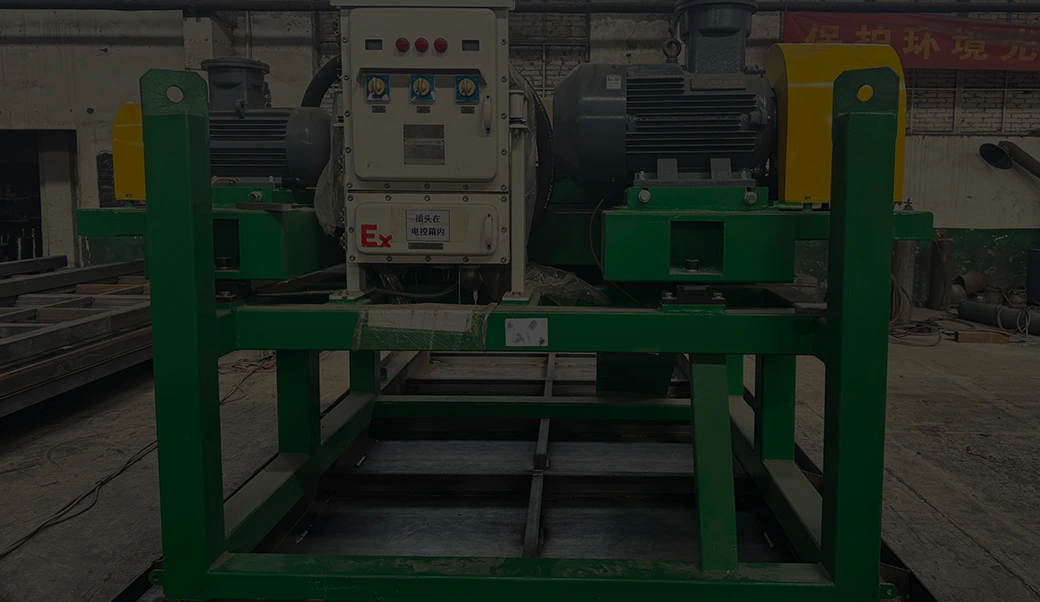
If drilling fluid comes back to the surface full of rock chips and other debris, the Shale Shaker is the most important thing that will protect your whole solids control system. This machine is the main mechanical separator in any drilling process. It gets rid of coarse solids before they damage equipment further down the line or change the properties of the mud. Without good rotating screen technology at this early stage, drilling companies will have to pay more for fluid replacement, broken equipment, and unplanned downtime. Knowing how these strong machines work and picking the right model for your rig setup directly affects how well you run your business, how well you protect the environment, and your bottom line in both onshore and offshore drilling situations.
Understanding Shale Shakers and Their Role in Drilling Operations
Every mud drainage system needs a piece of equipment that looks very simple but is actually very important for keeping drilling fluids clean and getting rid of solid waste. From its simple beginnings, this separation technology has come a long way, becoming complex machines that can work in harsh conditions.
Core Components That Drive Performance
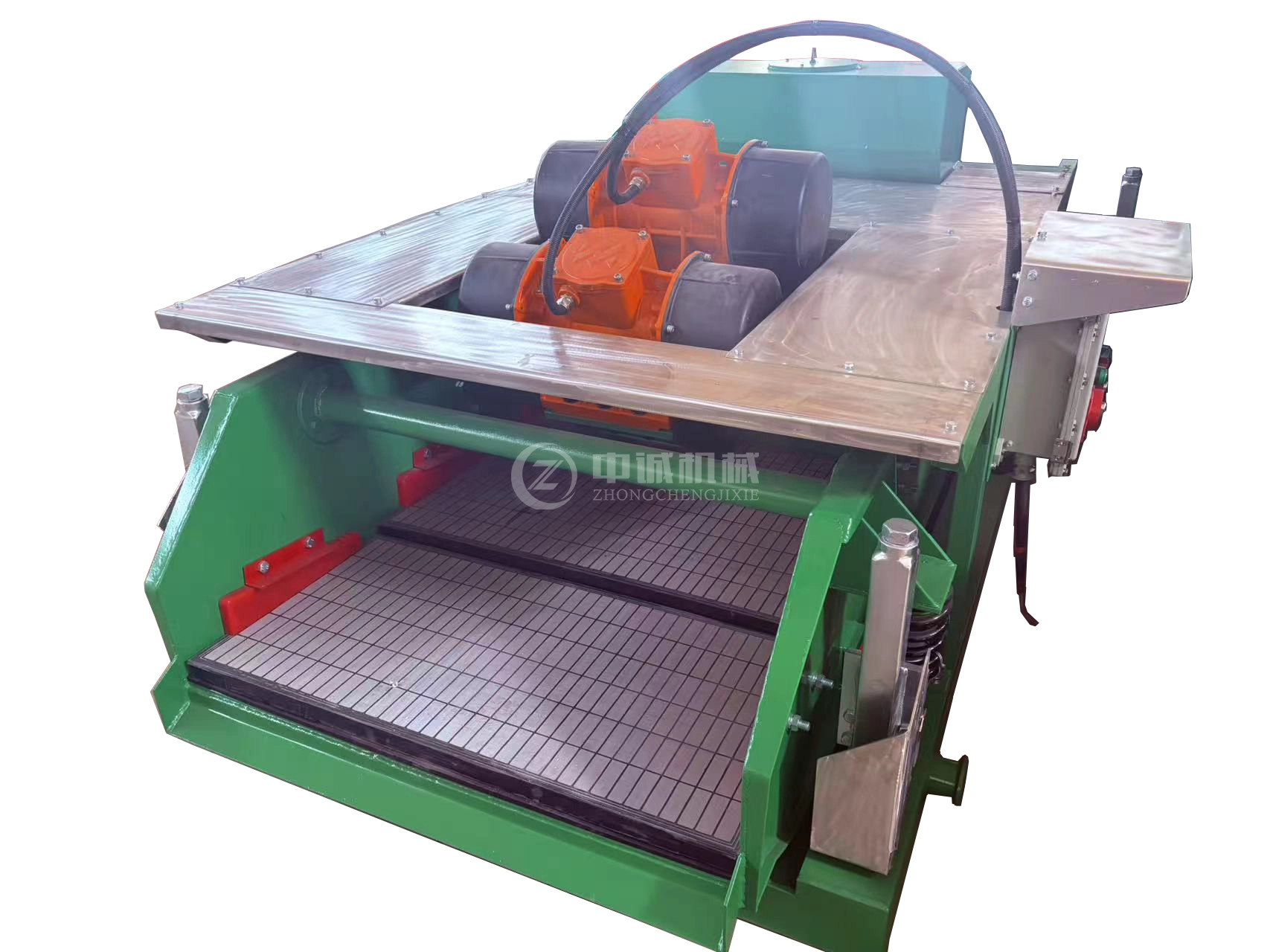
Three combined parts must work together for vibrating screen equipment to be useful. The vibration motor creates controlled G-forces, usually between 4G and 8G, which give the objects the dynamic energy they need to move across the screening surface. According to API RP 13C standards, the screen panels have precisely manufactured wire cloth with micron-sized holes. At the same time, the structure basket has to be able to handle constant stress while staying in the exact same position at an angle between -1° and +5° to get the most fluid flow and solids release.
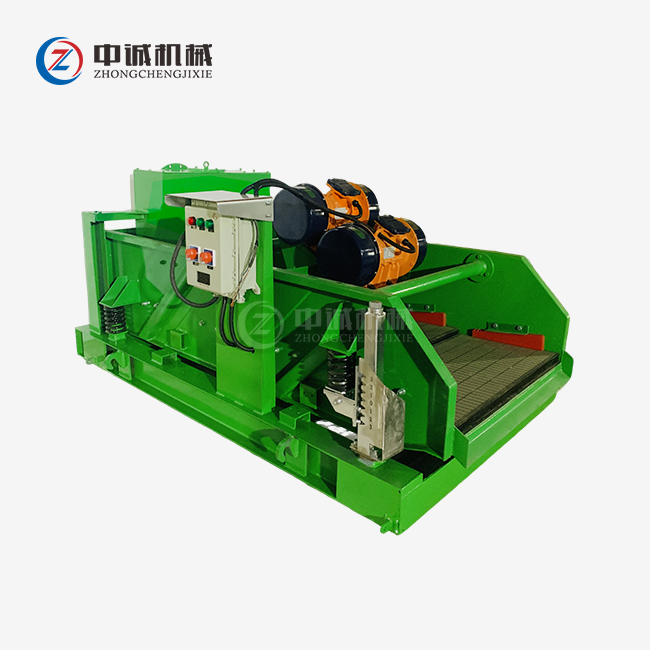
With its linear vibration path and up to 8G strength, our ZC Single Shale Shaker is a great example of this combination. The IP55 security class makes sure that the device will work reliably even when it comes into contact with drilling mud spray and dust that is typical at well sites. The single-deck design makes the structure simpler mechanically while still separating well enough to meet the strict needs of both land-based and offshore drilling contractors.
Motion Dynamics: Linear vs. Elliptical Trajectories
In different drilling situations, the vibrations need to be different. Linear motion shakers move solids in a straight line from the feed end to the output end. This increases the speed of movement and the amount of solids that can be handled, which is perfect when the Rate of Penetration (ROP) makes a lot of cuts. When you process sticky or cohesive forms, balanced elliptical motion makes the rolling action softer at the discharge end. This extends the life of the screen and makes liquid recovery better.
When purchasing, workers should look at equipment specs; they should know that bigger G-force doesn't always mean better performance. The best vibration intensity takes into account the geological formations you'll be working with and the rheological properties of your mud system to find the best balance between solids movement and screen durability. Talking to solids control engineers with a lot of experience during the selection process can help you avoid expensive problems where the equipment doesn't meet your needs.
Material Construction for Harsh Environments
At drilling sites, equipment has to deal with harsh chemicals, solids that wear it down, changing temperatures, and constant shaking. These problems can be solved by choosing the right materials and giving them safe coatings on high-end moving screen units. When structural steel is heated, it gets rid of the internal stress concentrations that cause it to crack before it should. Epoxy coatings that are high in zinc and have a measured dry film thickness are better at resisting weathering over time than regular industrial paints. Hardware and sealing parts made of stainless steel don't break down in salty environments like those found offshore and in some geological formations.
The benefits of durability directly lead to less frequent maintenance and a lower total cost of ownership. Standardising on equipment made to withstand the harshest conditions can help operators who are in charge of multiple rigs in different places by making it easier to keep track of spare parts and teach maintenance workers how to do their jobs.

The Functional Importance of Shale Shakers in Drilling Fluid Solids Control
Getting rid of drilled solids as soon as possible keeps problems from spreading through the mud system and keeps expensive equipment further downstream from wearing out too quickly. Because of this, the success of the vibrating screen is a key factor in how well the drilling goes generally.
Protecting Drilling Fluid Properties and Reducing Costs
Specialised additives and base fluids for drilling mud cost hundreds of dollars per barrel, which is a high practical cost. When sand and cuttings stay in the fluid that is moving around, they dilute the carefully designed rheological qualities and make pumps, pipe connections, and downhole tools wear out faster. If you can separate the solids and liquids at the surface, you can keep the mud working well, make each barrel last longer, and use a lot less fresh fluid.
From our technical experience, we know that operations with poor solids control need to buy 30–40% more drilling fluid, while operations with well-maintained rotating screen equipment can save the same amount. Rapid removal of sand and rock fragments also reduces their chances of being ground into colloidal-sized particles that can't be removed by mechanical means. This stops the gradual breakdown that leads to the need for full mud replacement in the end.
Minimizing Equipment Wear and Maximizing Uptime
Solids that are rough and move through centrifugal pumps, mud motors, and measurement-while-drilling tools speed up wear, which causes parts to break down and maintenance that wasn't planned. Drilling contractors who are working on projects with tight deadlines can't afford to have their operations interrupted by broken equipment that could have been avoided. At the first stage, high-performance separation technology gets rid of most of the harmful particles before they get into systems that aren't protected.
Modern single-deck units are designed to have a small footprint and make upkeep easier, which directly meets the problem of reducing downtime. Fast-change screen technology lets the screens be replaced in minutes instead of hours, so the rig can keep working even when some of the screens are broken. Routine inspections can be done quickly because there are fewer service points and the parts are laid out in a way that makes sense. The strong construction means that major maintenance tasks can be put off for a long time.
Supporting Environmental Compliance and Waste Management
More and more rules are being put on how to handle drilling waste, especially in areas that are sensitive to the environment and offshore zones. When solids are removed efficiently, cuttings are concentrated at higher dryness levels. This means that less material needs to be treated or thrown away. When solids are released with less liquid, the costs of hauling and disposing of them go down, and any fluid that is collected goes back into the active system instead of being lost with the trash stream.
Environmental managers like how effective primary separation helps drillers follow zero-discharge rules and reduces the damage that drilling does to the environment. Advanced vibrating screen technology is a key tool for operators who want to use environmentally friendly drilling methods without sacrificing operational efficiency. It does this by better cleaning and reducing the amount of waste. For any operation, the Shale Shaker remains the primary line of defense.
Comparing Shale Shakers with Other Solids Control Equipment
Solids Control Systems use several stages of separation that get smaller and finer, with each stage working best for a certain range of particle sizes. Knowing where vibrating screens fit in this hierarchy helps procurement teams choose the right equipment and set up the system in the best way.
Primary vs. Secondary Separation Technologies
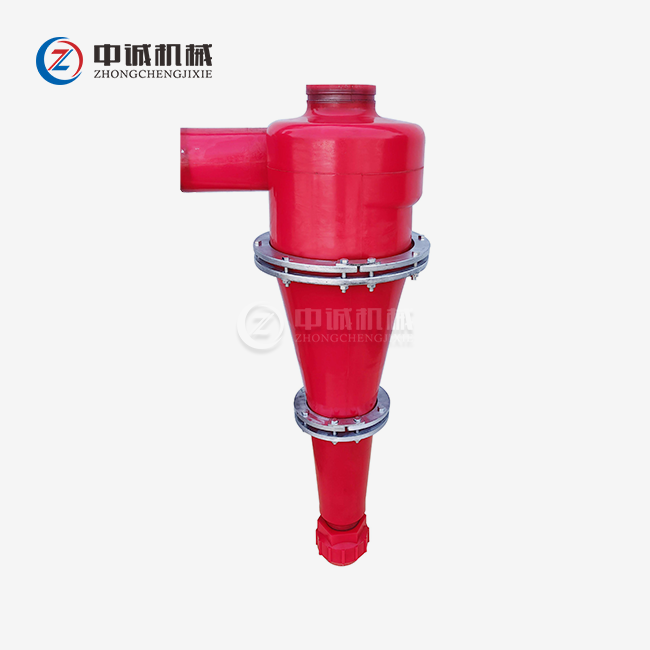
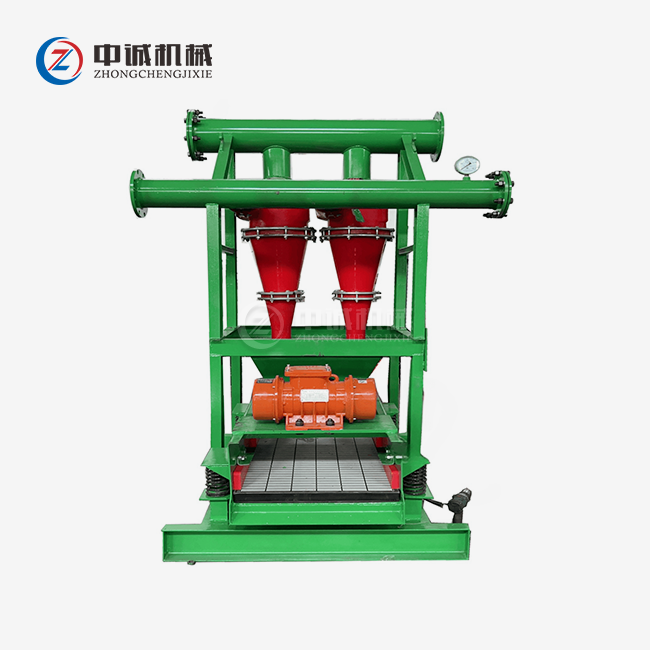
The first step is done by equipment with a vibrating screen that targets bits bigger than 74 microns, which is about 200 grit. Desanders and desilters use hydrocyclone technology to get rid of smaller particles (down to 15-20 microns), while centrifuges are the best way to separate particles as small as 2–5 microns. Hydrocyclones are built on top of vibrating screen decks in mud cleaners, which makes them a single unit that does both secondary and tertiary treatment.
Each technology meets a different set of practical and cost needs. Primary Shale Shakers handle the whole mud flow and get rid of most of the solids, so they are necessary no matter how complicated the system is. As you move downstream, the equipment deals with smaller and smaller amounts of fluid, but it focuses on the tiny bits that damage fluid qualities the most. When drilling engineers build solids control systems, they have to weigh the cost of multi-stage separation against the money they will save by using better mud and less fluid.
Evaluating Manual vs. Automated Operations
In traditional rotating screen designs, the deck angle has to be changed every so often, and the screen has to be changed by hand based on the drilling conditions and the fluid's qualities. Automatic systems use hydraulic or gas actuators to change the angle from a distance, and they may also have sensors that check the state of the screen and how well the separation is working. The operational benefits of automation—less need for human intervention, faster response to changing conditions, and better performance—must be weighed against the fact that it makes machines more complicated and costs more to buy at first.
Operations in remote areas or on offshore platforms value automation features that cut down on the need for staff and protect workers from dangerous areas of the job. On the other hand, land-based drilling contractors with experienced crews may value mechanical simplicity and ease of field repair over the convenience of automation. The right technology choice is based on your operational context and the skills of your workforce.
Critical Selection Criteria for Procurement Teams
The predicted mud flow rates are based on the output of the pump and the depth of the hole being drilled. When units are too small, they cause bottlenecks that force fluids to bypass, which defeats the purpose of solids control. On the other hand, when units are too big, they require extra capital expenditure. The number of objects that can be processed relies on the size of the screen, the strength of the G-force, and their physical properties.
Energy economy is more important than just figuring out how much it costs to run a business. One of the biggest electrical loads in the solids control system is vibration motors. How much power they use directly affects the size of generators needed for remote sites or the cost of diesel fuel for rigs that run on diesel. Modern designs with high-efficiency motors and improved shaking dynamics achieve the same level of separation with less energy use compared to older technology.
Supplier dependability is more than just the quality of the tools they provide. Getting certified to ISO 9001, ISO 14001, and ISO 45001 standards shows that you care about worker safety, quality management, and the environment. Third-party proof from groups like TÜV and BV makes sure that the design is correct and that the manufacturing is consistent. Practical factors like the availability of spare parts, the speed with which expert help can be reached, and the supplier's history of meeting tight project deadlines are also very important.
Procurement Guide: Buying and Sourcing Shale Shakers for Your Business
To be successful in the global market for drilling equipment, you need to know more than just the technical specs. You also need to know about the business environment, the abilities of suppliers, and the logistics that affect the project. The procurement of a high-quality Shale Shaker requires a comprehensive evaluation of long-term operational needs.
New Equipment vs. Used Options: Making the Right Choice
When budgets are tight, purchasing managers are often tempted to buy used equipment that will save them a lot of money. In some situations, refurbished units can be a good deal, but buyers need to look at the big picture carefully. Vibrating screens that have been used before may have secret damage to their structure from years of high-intensity vibration, and old designs don't always work as well or last as long as new technology. Finding new parts for old models is always a risk because it could leave tools unusable at crucial times.
Buying new tools from well-known companies gives you access to the newest engineering advances, written performance standards, and full warranties. When you look at the total cost of ownership over the equipment's lifetime, which includes upkeep costs, the risk of downtime, and its resale value, the difference in prices gets a lot smaller. When operations plan drilling campaigns that last more than one year, the reliability and consistency of new equipment is especially helpful.
Evaluating OEM Manufacturers and Distributors
Direct connections with original equipment makers improve the level of expert support, allow for more customisation, and make the supply chain clearer. When suppliers are properly qualified, factories in places like China's industrial zones can offer affordable prices while still meeting international quality standards. Some of the most important things that are looked at when judging a company are its production capacity, its quality management system certifications, its technical skills for custom work, and its track record of serving foreign customers.
Working with manufacturers who have ISO 9001, 14001, or 45001 certifications guarantees organised approaches to safety at work, managing the environment, and making sure quality is maintained. Extra credentials, such as meeting HSE standards, getting TÜV approval, or being verified by BV, give independent confirmation of the quality of the manufacturing process and the product itself. When the tools will be used in places with strict rules or when end customers demand certain standards from suppliers, these certifications become very important.
Customization, Spare Parts, and Logistics Planning
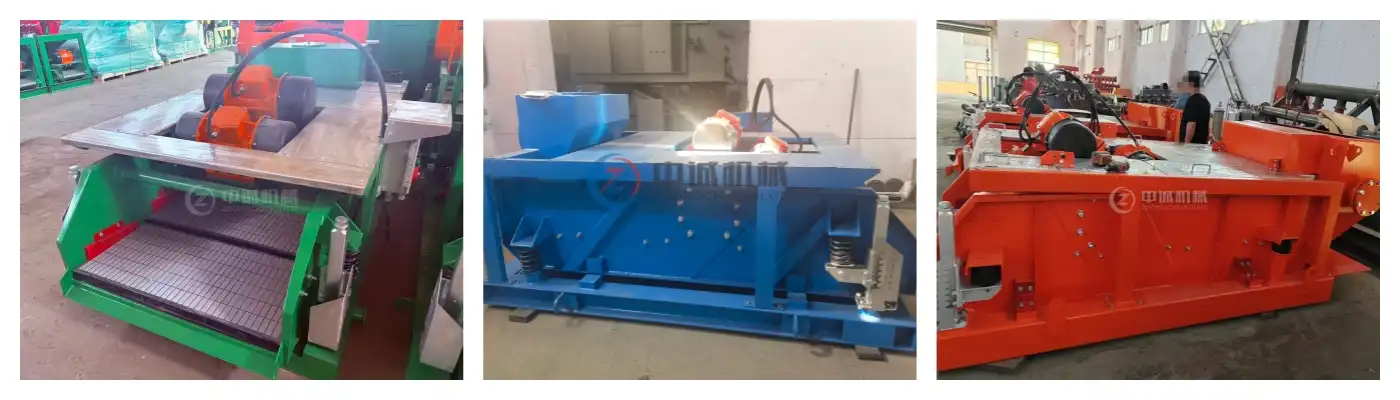
Standardised equipment setups work well for many uses, but drilling companies often need to make changes to deal with specific rig interfaces, room issues, or working conditions. Reliable manufacturers offer customisation services that include changing the sizes, choosing from different motor specifications (domestic or international brands), adapting the power supply, and getting explosion-proof certification (ATEX or IECEx) for installations in dangerous areas. Advanced makers are different from simple fabricators because they have the technical skills to make these changes while still meeting performance standards and structural stability.
A very important but often ignored aspect of procurement is the sale of spare parts. Vibrating screen panels wear out over time and need to be replaced every so often, usually every 200 to 400 hours of operation, but this depends on the conditions of the drilling. Bearings, seals, and isolated plates for the motor also need to be replaced on a regular basis. Long periods of downtime while waiting for parts are less likely to happen if suppliers offer pre-packaged maintenance kits and fast delivery of wear parts. Our large collection of extra parts allows us to ship common parts the same day, and our global logistics partnerships make sure that deliveries are made quickly even to drilling sites that are far away.
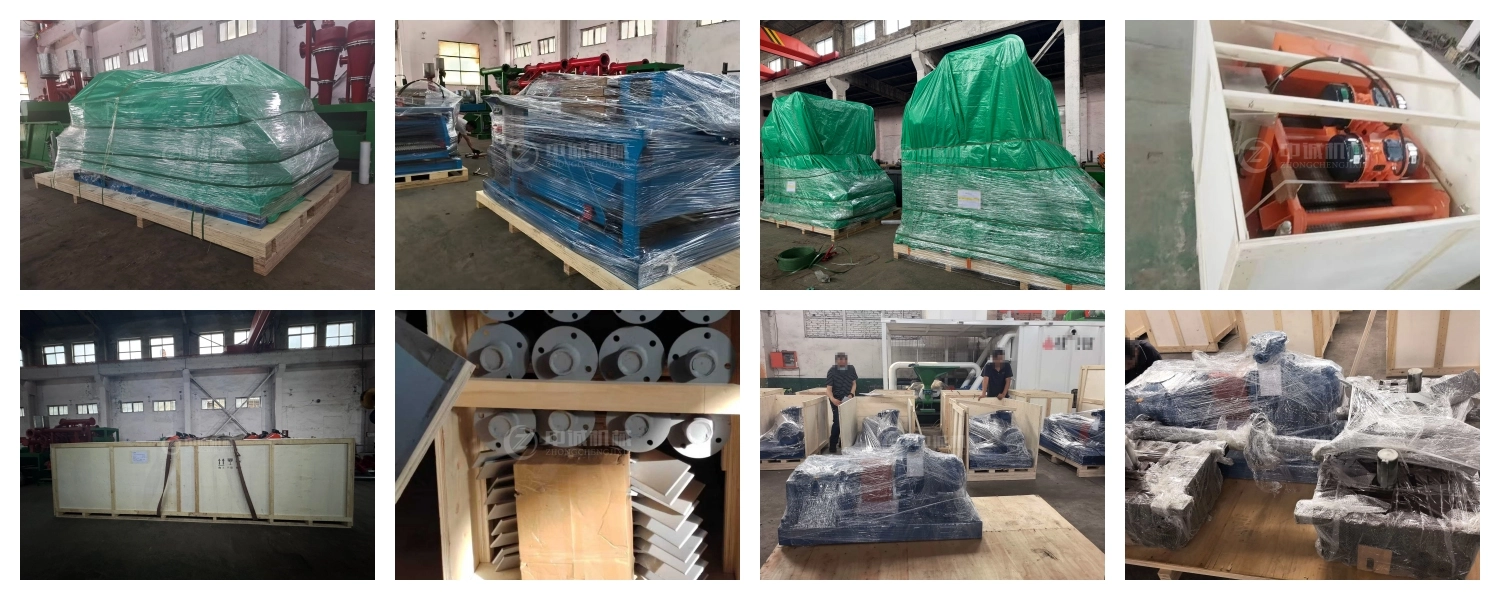
When you buy something from another country, you have to deal with a lot of complicated details, like export paperwork, clearing customs, and moving goods. Experienced sellers help with every step of the process and use the right packing techniques, such as plastic film wrapping, waterproof tarpaulins, secure strapping, and, depending on the size of the equipment and how it will be transported, palletisation or crating. Being close to important ports, like Tianjin or Shanghai for Asian makers, speeds up shipping times, and working with international goods forwarders for years guarantees low prices and safe transit. Our standard delivery time of 3 days for in-stock items and 15 days for custom orders shows how efficiently we make things and how well our logistics work.
Building Trust: Why Choose Industry-Leading Shale Shaker Brands
There are a lot of different companies that sell dust control tools, from large global companies to small, specialised manufacturers in different regions. Looking at more than just the partner's specs is important; you should also consider their image, ability to come up with new ideas, and ability to provide long-term help.
Proven Track Record and Customer Feedback
Well-known brands get their good names by consistently doing well in thousands of drilling operations over many years. Companies like NOV, Derrick, and GN Solids Control have earned respect in the industry by always coming up with new ideas and providing reliable support. New suppliers try to meet these standards. Customer reviews and case studies are great ways to see how well a product or service works in the real world, especially when it comes to tough conditions. Operator references from similar uses are another way to make sure that a provider is trustworthy.
We at Shaanxi Xixian New District Zhongcheng Machinery Manufacturing Co., Ltd. have built our name by providing focused service to the oil and gas drilling sector since 2015. Our team has more than 30 years of experience in the field. Our factory in Xingping City is spread out over 6,300 square meters and makes a wide range of solids control equipment, such as rotating screens, vacuum degassers, mud cleaners, centrifuges, and full circulation systems for rigs with capacities between ZJ20 and ZJ90. Our Shale Shaker design ideas are protected by more than a dozen patents, and our ISO 9001, 14001, and 45001 certifications show that we are dedicated to quality, safety, and protecting the environment.
Technical Innovation and Environmental Commitment
Leading manufacturers are always putting money into research and development. They use new discoveries in materials science, vibration dynamics, and control systems to make separation work better while using less energy and needing less maintenance. Environmental concerns are becoming more and more important in the design of equipment. New technologies are aimed at lowering noise levels, using less power, and making it easier to handle waste, all of which help owners reach their sustainability goals.
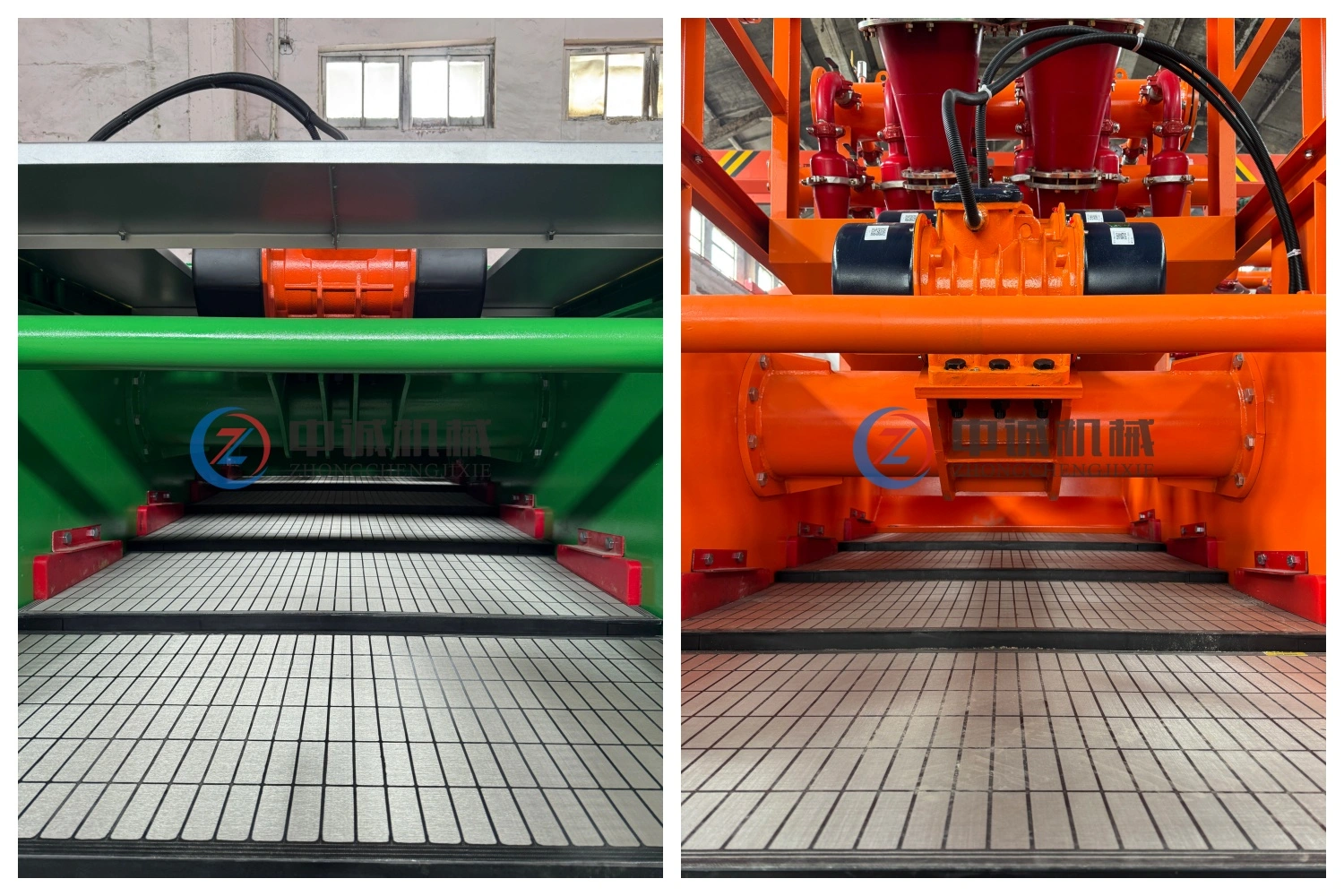
Our tech team works on useful new ideas that make operations better in a way that can be measured. Our ZC Single Shale Shaker's combined single-deck structure achieves high separation efficiency and better purification performance while taking up very little room. This is especially useful for skid-mounted systems and offshore platforms that are limited in space. Heavy-duty anti-corrosion coatings and wear-resistant materials make sure that the machine will work reliably for a long time, even with a lot of work to do. The fast-change screens and simplified maintenance design also keep operations running smoothly and don't mess up drilling schedules.
Comprehensive Support Throughout the Equipment Lifecycle
The purchase price is only one part of the total cost of ownership. The quality of technical help has a big effect on how well technology works and how long it lasts, from the original system design to installation, commissioning, operation, and ongoing upkeep. The best suppliers give full engineering documents like detailed drawings, system flowcharts, diagrams of parts, and detailed manuals for use and maintenance. Performance standards are checked in the factory before delivery, and installation instructions and training help make sure the right setup is done at the start.
Our dedication to service goes far beyond just delivering tools. We offer full technical support, which includes custom system design help, detailed engineering documentation, installation instructions, commissioning services, and training for operators to make sure your team can get the most out of the equipment. Our comprehensive one-year warranty protects your investment, and our helpful technical support team is ready to answer any questions or address any concerns you may have throughout the lifecycle of the equipment. Our dedicated support team will make sure that your solids control system keeps running at its best, whether you need help with remote repair, new screen panels, motor parts, or other wear parts.
Conclusion
Choosing the right vibrating screen equipment is a strategic choice that will affect how well you drill, how much it costs, and how well it protects the environment over the life of your project. Knowing the basics of technology, like how vibrations work, screen technology, and structure design, lets you compare different choices in a smart way. Realising that good primary separation keeps downstream equipment safe, keeps the properties of the drilling fluid, and lowers the cost of waste management makes the operational value of better equipment clear. When you carefully look at a supplier's certifications, customisation options, supply of spare parts, and long-term support, you can be sure that they will be able to meet your current needs and adapt to changing business requirements. Investing in a quality Shale Shaker pays off in lower fluid costs, less damage to equipment, less downtime, and easier compliance with regulations in both onshore and offshore drilling settings.
FAQ
What factors most significantly affect shale shaker efficiency?
How well separation works depends on how the parameters of the equipment and the properties of the fluid interact with each other. The amount of G-force affects how fast the solids move and how much they can be discharged. The best numbers are usually between 4G and 8G, but this depends on the application. The choice of screen mesh must strike a balance between removing solids and recovering fluids. API RP 13C provides standard labelling to ensure uniform performance. Adjusting the deck angle depends on the viscosity of the mud and the amount of solids in it affects the retention time and the flow of fluids. The viscosity, density, and chemical makeup of drilling fluids have a big effect on how well they separate things. For example, fluids with a high viscosity make it harder for particles to drain, and some additives change how particles behave on the screen surface. The performance of the Shale Shaker is thus a result of these complex interactions.
How do I match vibrating screen capacity to my drilling operation?
Capacity matching starts with figuring out the highest flow rates that can be expected based on how much the mud pump can produce during peak digging times. The number of objects that can be processed relies on the size of the screen, the effective G-force, and their physical properties. A conservative size leaves room for short-term flow spikes and takes into account that screens wear out and lose capacity. Manufacturers usually list capacity ratings for certain conditions, but the actual performance depends on the properties of the mud and the amount of solids in it. Talking to experienced suppliers who can look at your specific drilling factors is the best way to make sure you choose the right tools and avoid costly undersizing or overcapitalization.
What maintenance practices maximize screen life and equipment reliability?
By looking for structural cracks, loose fasteners, excessive vibration, and strange noise patterns, regular eye inspection can find problems before they become major. Screen panels need to be replaced on a regular basis, usually every 200 to 400 operating hours, based on evidence-based schedules that are set by the drilling conditions. Vibration motor bearings need to be oiled with the right high-temperature synthetic greases on a regular basis. Checking the temperature of the bearings while they are running can help you spot problems early. Keeping the deck angles at the right levels improves both the efficiency of separation and the distribution of mechanical stress. Keeping thorough records of maintenance work allows for trend analysis, which finds patterns and helps with planning ahead for maintenance needs.
Partner with Shaanxi Xixian New District Zhongcheng Machinery Manufacturing Co., Ltd.
Choosing a dependable Shale Shaker maker that cares about your business success is the first step to improving your drilling fluid solids control. Shaanxi Xixian New District Zhongcheng Machinery Manufacturing Co., Ltd. is the best company for you because we have 30 years of experience in the field, a wide range of products, and a commitment to customer satisfaction. Our ZC Single Shale Shaker for sale has a small form that makes it easy to use in a variety of drilling settings and provides better separation efficiency, durability, and upkeep. We offer complete solutions that lower your operational costs while improving drilling performance. These solutions include competitive pricing, flexible customisation, ISO 9001/14001/45001 certification, TÜV and BV approval, quick delivery times, and a full one-year warranty with responsive technical support. Email our team at oliver@zcgukong.com to talk about your unique needs and find out how our tried-and-true solids control technology can help your drilling operations.
References
1. American Petroleum Institute (2021). Recommended Practice for Drilling Fluid Processing Systems Evaluation, API RP 13C, Seventh Edition. Washington, DC: American Petroleum Institute.
2. Bourgoyne, A.T., Millheim, K.K., Chenevert, M.E., and Young, F.S. (1991). Applied Drilling Engineering. Richardson, TX: Society of Petroleum Engineers.
3. Darley, H.C.H. and Gray, G.R. (1988). Composition and Properties of Drilling and Completion Fluids, Fifth Edition. Houston, TX: Gulf Publishing Company.
4. Mitchell, R.F. and Miska, S.Z. (2011). Fundamentals of Drilling Engineering. Richardson, TX: Society of Petroleum Engineers.
5. Nguyen, D. and Rahman, S.S. (1998). "A Three-Layer Hydraulic Program for Effective Cuttings Transport and Hole Cleaning in Highly Deviated and Horizontal Wells." SPE Drilling & Completion, 13(3), 182-189.
6. Saasen, A. and Løklingholm, G. (2002). "The Effect of Drilling Fluid Rheological Properties on Hole Cleaning." Journal of Canadian Petroleum Technology, 41(10), 54-60.