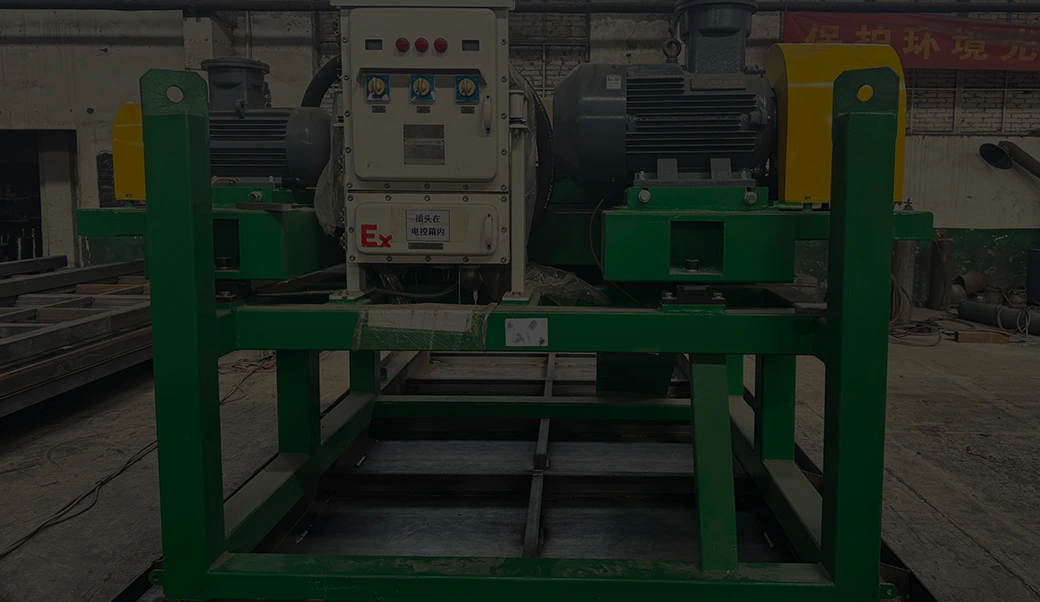
Offshore drilling mud handling is one of the most demanding fluid transport challenges in the energy sector. A submersible slurry pump is a heavy-duty centrifugal pump specifically engineered to transfer highly abrasive, high-density drilling fluids while operating fully submerged. Unlike conventional surface-mounted pumps, it places the pump unit directly inside the mud pit or sump, eliminating suction lift problems and delivering consistent flow even when solid concentrations are high. For procurement teams evaluating mud circulation equipment, understanding how this pump type performs under offshore conditions is the logical starting point.
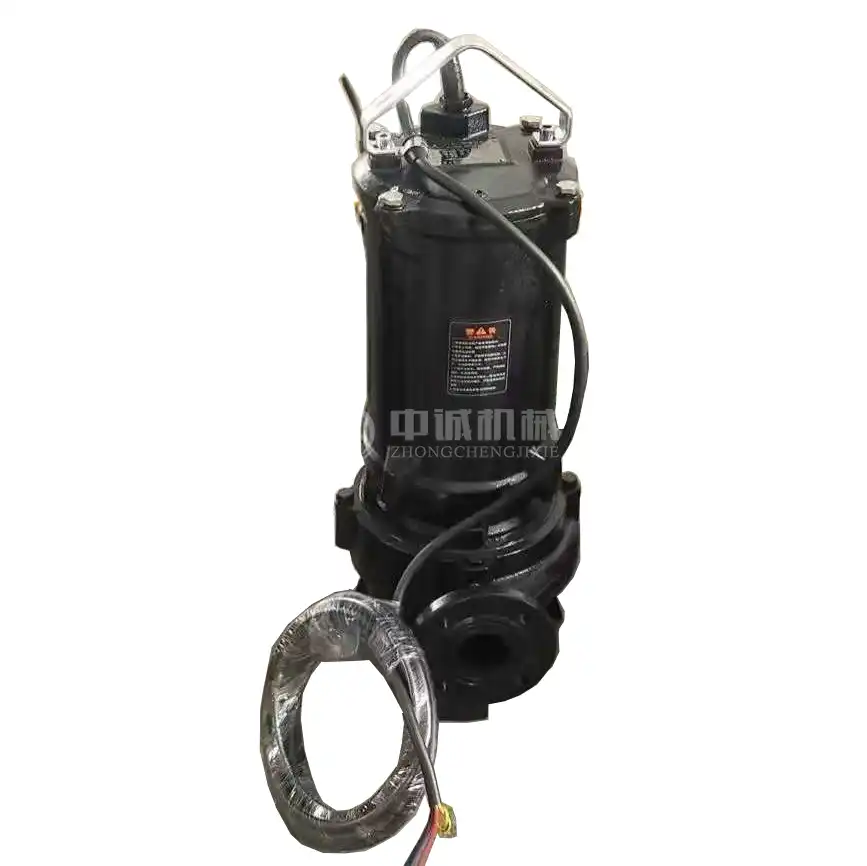
Understanding Submersible Slurry Pumps in Offshore Drilling
What This Pump Actually Does
A submerged slurry pump is a small unit that combines a sealed motor with a stronger pump casing. There aren't any long drive shafts, complicated starting systems, or high-flow pipes. The unit is just lowered into the pit or mud tank, and it starts moving fluid right away. Because it works directly, it works well on offshore drilling sites with limited deck room and installation time that needs to be kept short.
Core Operating Principles
Centrifugal force makes the pump work. The impeller spins very quickly, pushing fluid out through large openings inside. These openings are made to let solid particles up to 60–75 mm in width go through without getting clogged. The motor is protected by an IP68 case with Class H insulation and a triple-seal system with two moisture sensors and epoxy-sealed cable entries. This keeps the motor's integrity even when it's submerged for a long time.
Technical Specifications Worth Knowing
ZHONGCHENGJIXIE's submersible slurry pump range offers a head of 6–26 m, flow rates of 20–280 m³/h, and motor power from 3–45 kW, providing suitable options for demanding mud transfer applications. The impeller, volute case, and wear plate are wet-end components made from high-chromium metal containing 27% Cr, with a surface hardness exceeding 60 HRC. This durable construction helps the submersible slurry pump handle abrasive drilling mud and can extend service intervals under demanding operating conditions. For drilling contractors, selecting the right submersible slurry pump with appropriate flow, head, and motor power can support stable mud transfer and reduce wear-related maintenance. With its abrasion-resistant wet-end design, the submersible slurry pump is well suited to applications where drilling fluids contain significant amounts of rough or abrasive solids.
Challenges in Offshore Drilling Mud Handling and How Slurry Pumps Address Them
The Real Problems Offshore Teams Face
Offshore mud systems have to deal with rough drill bits, high salt levels caused by contaminated seawater, and changing water pressures. When things are like this, normal rotary pumps wear out very quickly. Platform layout and weather windows make it hard to get to for repairs. Any pump that needs to have its gaskets or bearings changed often quickly adds costs that weren't planned for.
How Design Features Counter These Conditions
The high-chrome alloy directly stops wear that causes damage. When submerged for a long time, the sealed motor case keeps water out. An optional built-in agitator at the base of the unit stirs solids that have settled back into suspension before pumping. This keeps the pump from running into a bed of packed cuttings, which is a common way for pit cleanout operations to get clogged. Because of these design choices, less work needs to be done by hand.
Quantifiable Operational Benefits
Field data from onshore and nearshore drilling shows that high-chrome impellers usually last between 3,000 and 5,000 hours of normal sand-slurry service. When large particles hit chrome metal pumps, they keep their shape longer than rubber-lined pumps. This keeps the hydraulic efficiency high throughout the repair interval. This consistency cuts down on unexpected downtime a lot for offshore owners who have to stick to tight repair plans.
Selecting the Right Submersible Slurry Pump for Offshore Applications
Material and Hydraulic Compatibility
Characterizing the slurry is the first step in selecting a suitable submersible slurry pump. The appropriate metal grade and impeller design for achieving good wear life depend on factors such as particle size, specific gravity, pH, and solids concentration. A 27% Cr metal frame and impeller can provide suitable abrasion resistance for normal drilling mud containing barite as a weighting material. In highly acidic environments or applications with elevated chloride levels, upgrading the submersible slurry pump with duplex stainless steel components may be worth considering. Before selecting a submersible slurry pump, procurement teams should evaluate the fluid characteristics and operating conditions to ensure that the materials and hydraulic configuration are appropriate. Proper material selection can help the submersible slurry pump maintain reliable performance and extend service intervals when handling abrasive drilling fluids.
Comparing Pump Types
For vertical cantilever slurry pumps to work, they need a support frame and a long shaft assembly. Horizontal slurry pumps need drawing pipes and to be primed. In contrast, a buried pump doesn't need to do either of those things and works better in deep sumps because the pump intake is already below the surface of the fluid. This layout makes it easier to clean out distant pits and move mud between tanks, and it also uses less room.
Procurement Criteria That Affect Total Cost
These are the most important things that procurement managers always look at:
- Certification status: Products carrying ISO 9001/14001/45001, TÜV, BV, and HSE certifications reduce supplier qualification time and meet platform operator requirements.
- Delivery lead time: Stocked units available within 3 days and customized configurations within 15 days support project scheduling.
- Spare parts availability: A supplier with a full catalogue of impellers, wear plates, and mechanical seal assemblies prevents extended equipment downtime.
- Warranty terms: A 1-year comprehensive warranty with responsive after-sales support protects the investment over the initial operational period.
These factors work together to give a more accurate picture of the total cost of ownership than just the purchase price. Over the course of a year, a pump that costs less up front but doesn't have approved quality control or easy access to extra parts will cost more.
Maintenance Best Practices for Offshore Slurry Pumps
Routine Inspection Protocols
Regular checks should look at the state of the mechanical seals, the temperature of the bearings, the resistance of the motor's insulation, and the impeller's clearing. Using a 500V megohmmeter to test the insulation resistance lets you find moisture in the wire before it breaks. If the efficiency has gone down, the impeller opening should be compared to the manufacturer's limit and made changes.
Preventive Care for Abrasive Service
Wear parts in high-solids situations should be kept track of by working hours instead of date/time. After about 2,000 hours of fairly rough mud work, the impeller and volute lining are ready to be measured for size. If the wall width has dropped by 20% from what was originally specified, you should replace the parts. This stops sudden drops in hydraulic performance while the machine is running.
Managing Agitator and Seal Components
The impeller and built-in agitator of a submersible slurry pump both operate under demanding conditions and require regular inspection. During each scheduled maintenance interval, check the thickness of the agitator blades and inspect the mechanical seal system for signs of contamination in the oil-filled seal chamber. If moisture is detected in the oil, it may indicate that the inner seal of the submersible slurry pump is worn and needs to be replaced promptly. Addressing seal wear early can help prevent slurry from entering the motor winding and causing more serious damage. Regular maintenance of the submersible slurry pump can therefore help protect key components, maintain reliable operation, and extend service life. For demanding drilling applications, timely inspection of the submersible slurry pump is essential for minimizing unexpected downtime and repair costs.
Future Trends in Submersible Slurry Pump Technology for Offshore Drilling
Smart Monitoring Integration
Newer types of pumps have temperature and vibration sensors built in that send real-time data to a control panel or a monitoring system that is far away. This lets operations teams find patterns of bearing wear or seal leakage before they happen. This feature speeds up reaction times and lowers the chance of unplanned shutdowns on offshore sites that are hard to get to for physical inspections.
Advanced Material Development
Manufacturers are testing high-entropy alloy coatings and ceramic-composite impeller inserts to make wear life longer than the current 3,000–5,000-hour standard. Early lab results show that erosion resistance increases by 20 to 35 percent when slurry speed is high. As soon as these materials are mass-produced, procurement teams will need up-to-date wear-life specs to evaluate suppliers.
Modular and Customizable Configurations
Field teams can switch out motor parts, agitator kits, or wet-end cases on modular pumps without having to replace the whole pump. This lowers the cost of spare parts and makes transportation easier for businesses with more than one rig. If a supplier has its own engineering team, it can change the motor power ratings, discharge flange sizes, and impeller profiles to fit different rig configurations. This is useful for operators who use a mix of ZJ30 and ZJ90 drilling units.
Conclusion
Offshore drilling mud is handled by submersible slurry pumps, which have a clear job to do. Their submerged operation gets rid of restrictions on suction lift, their high-chrome construction stops the abrasive wear that breaks down regular pumps, and their small size works well on offshore platforms where space is limited. For buying teams, the choice process should be based on material certification, hydraulic performance data, the ability to get spare parts, and the supplier's ability to deliver. These things affect how well a pump works throughout its entire working life, not just on the first day.
FAQ
How is a submersible slurry pump different from a standard centrifugal pump?
A standard centrifugal pump sits above the fluid and relies on suction to draw liquid upward, which limits its ability to handle thick slurries and creates cavitation risk. A submerged slurry pump sits directly in the fluid, eliminating suction lift entirely and handling high-density, particle-laden mud more efficiently.
What solid particle sizes can these pumps handle?
Most heavy-duty models pass solids up to 60–75 mm in diameter, depending on impeller geometry. Wide impeller passages in ZHONGCHENGJIXIE's units are designed specifically to avoid clogging by large drill cuttings.
Can the pump run if the fluid level drops?
Many models include a cooling jacket that allows the motor to operate in low-water or "snoring" conditions without overheating, providing a safety margin during pit drawdown.
What materials are used for corrosion and abrasion resistance?
Wet-end components are typically cast from high-chromium alloy (27% Cr) with hardness above 60 HRC. This resists both mechanical erosion and moderate chemical attack from drilling fluid additives.
What certifications should I verify before purchasing?
Look for ISO 9001 (quality management), ISO 14001 (environmental management), ISO 45001 (occupational safety), plus TÜV, BV, and HSE approvals. These confirm that the manufacturer's production and quality control processes meet international standards.
Partner With ZHONGCHENGJIXIE for Your Next Mud Handling Project
Heavy-duty underwater slurry pumps made by ZHONGCHENGJIXIE are certified by ISO 9001/14001/45001, TÜV, and BV for use in difficult drilling applications. We can help you meet your project deadline by shipping in-stock units in three days and custom configurations within fifteen days. Each unit comes with full technical documentation and a warranty that lasts for one year. You can email our team at oliver@zcgukong.com or go to zcsolidscontrol.com to get specs, prices, or a plan for custom equipment from a reliable submersible slurry pump maker.
References
1. Bourgoyne, A.T., Millheim, K.K., Chenevert, M.E., & Young, F.S. — Applied Drilling Engineering, Society of Petroleum Engineers, 1986.
2. Wilson, K.C., Addie, G.R., Sellgren, A., & Clift, R. — Slurry Transport Using Centrifugal Pumps, Springer, 2006.
3. American Petroleum Institute — API RP 13C: Drilling Fluids Processing Equipment, API Publishing Services, 2010.
4. Kaplan, R.S. & Norton, D.P. — Drilling Waste Management: Technology Review, World Oil Technical Conference Proceedings, 2018.
5. ISO — ISO 9906: Rotodynamic Pumps — Hydraulic Performance Acceptance Tests, International Organization for Standardization, 2012.
6. SPE International — Offshore Drilling Fluid Solids Control and Waste Management, SPE Technical Paper Series, 2020.