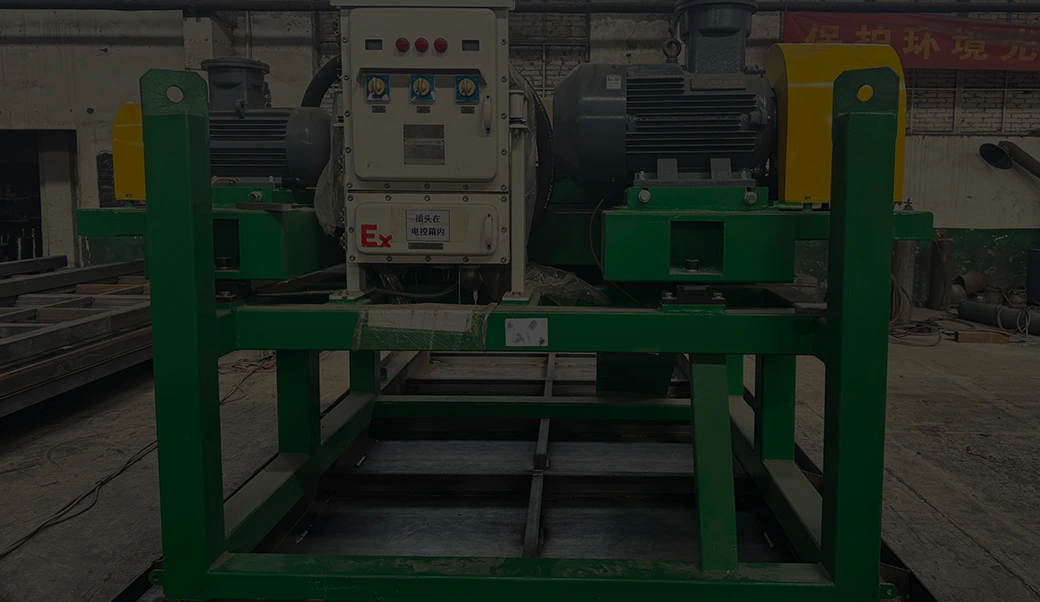
Yes — a Mud Drying Shaker can significantly reduce residual fluid in processed drill cuttings. By generating high-G linear or elliptical vibration (typically between 7.5G and 8.5G), this equipment breaks the surface tension between liquid and solid phases, forcing entrained drilling fluid out of the cuttings mass. Field data shows that a well-configured cuttings drying shaker can reduce moisture content to as low as 10–15% by weight and recover over 90% of attached oil-based or synthetic-based mud, returning it directly to the active circulation system.
Understanding Mud Drying Shakers: Operation Principles and Types
How the Core Mechanism Works?
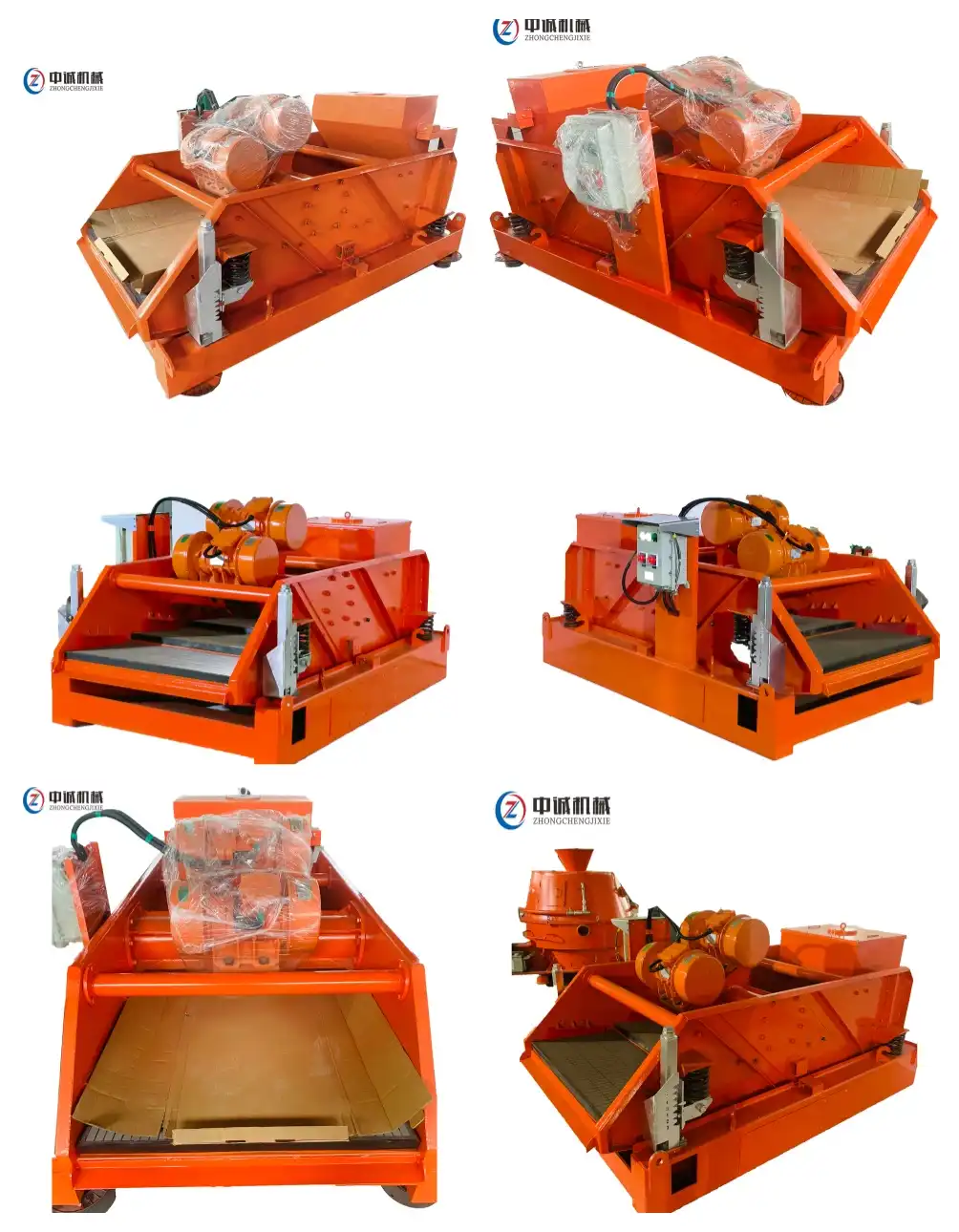
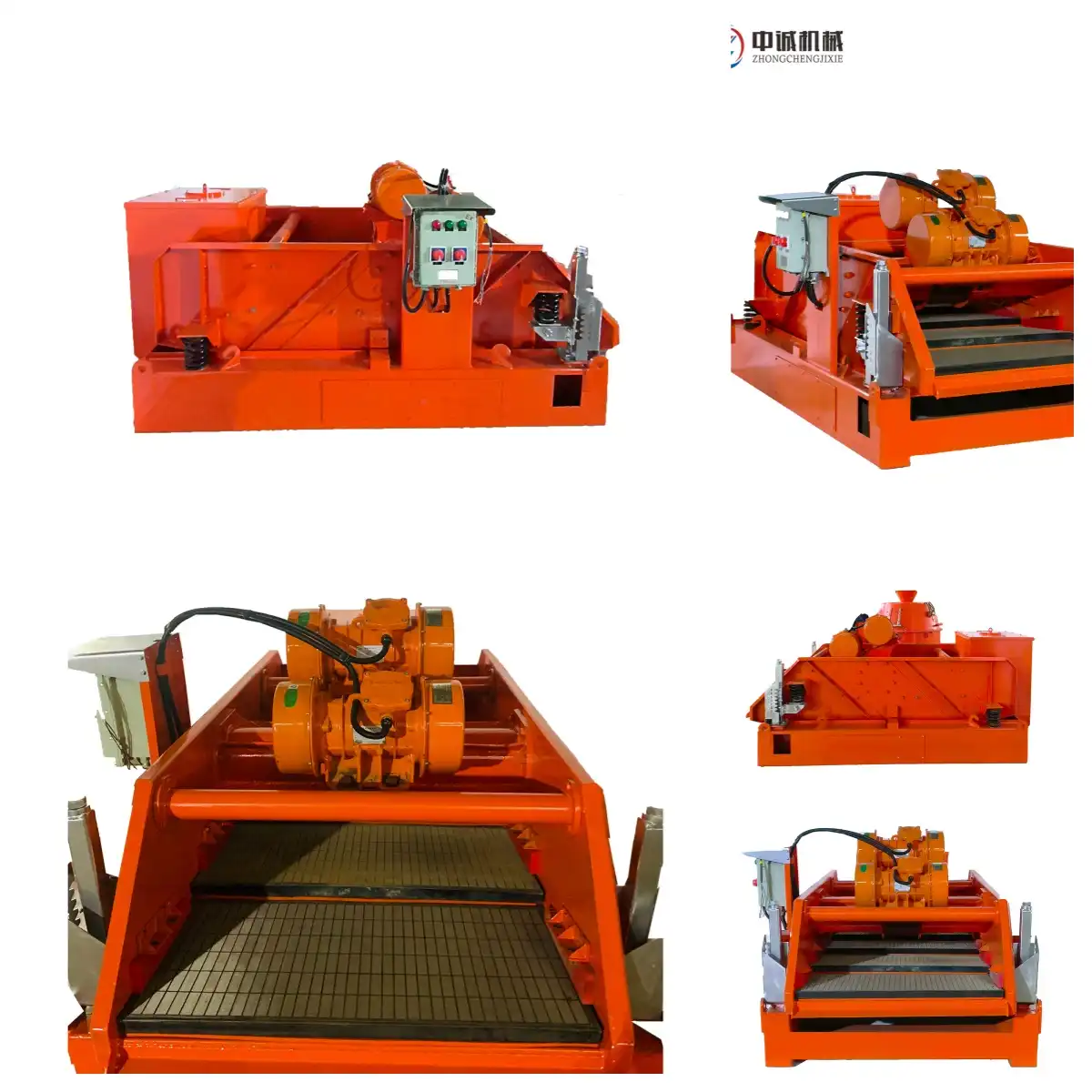
A cuttings drying shaker is put after main shale shakers and works as a secondary separation tool. Two motors that vibrate make a straight line of motion across a screen deck that is at a steep angle. This motion speeds up the solids moving toward the end of the discharge while pushing the liquid down through the screen mesh. When you combine high G-force with long screen residence time, you get dehydration that regular shale shakers just can't do.
Linear vs. Elliptical Motion Types
There are two main types of motion on the market. Linear motion units have two motors that rotate counterclockwise to make a straight-line vibration path. This is best for thick oil-based mud and big cuts loads. Elliptical motion units make a path that is oval-shaped, which works better for lighter slurries or water-based mud applications. Both types are made by ZHONGCHENGJIXIE. They have G-force values of up to 8.2G and Variable Frequency Drive (VFD) control, which lets you change the level of vibration in real time.
How It Differs from Shale Shakers and Centrifuges?
The main shale shaker removes the big solids from the main flow of liquids. A centrifuge spins very quickly and works with very small particles. The cuttings dryer is in the middle of these two steps. It processes the wet output from the shale mixers to remove the liquid phase before the solids are thrown away. Because of this, it can't be replaced in any closed-loop or zero-discharge drilling waste handling system.
How Mud Drying Shakers Help Reduce Residual Fluid in Drill Cuttings?
Why Residual Fluid Is a Real Problem?
The drill bits that come out of a main shale shaker still have 10–25% of their weight in liquid. When businesses use synthetic-based mud (SBM) or oil-based mud (OBM), they lose money because they have to throw away expensive base fluid with every load of waste cuts. In addition to being expensive, rules in the US and many other countries don't allow the straight release of oil-containing cuttings with Oil on Cuttings (OOC) amounts above certain levels.
How Vibration and Screen Selection Drive Efficiency?
The most important variable is the G-force setting for a Mud Drying Shaker. At 7.5G to 8.2G, the shaking energy is higher than the capillary forces that keep the liquid in the cuts matrix. It's also important to choose the right screen mesh. API-compliant composite screens that are finer improve conductance while keeping separation accuracy. The wedge-locking screen method on ZHONGCHENGJIXIE makes replacement quick and easy, so there is little downtime. The built-in VFD lets field engineers change the frequency in real time as the cuttings volume and mud viscosity change at different drilling intervals.
In real life, this equipment achieves the following main performance outcomes:
- Fluid recovery rate above 90%: For OBM and SBM operations, recovered fluid returns directly to the active mud system with its original chemical properties intact, reducing the cost of new mud preparation.
- Moisture content reduction to 10–15% by weight: Processed cuttings become dry enough for direct transport or further treatment, cutting waste haulage volumes and associated disposal fees significantly.
- OOC reduction to regulatory compliance levels: The equipment helps drilling operators meet EPA and international environmental standards without additional thermal treatment in many cases.
These results lead to savings that can be seen. A company on the U.S. Gulf Coast that processes 50 barrels of OBM cuttings per hour can get back tens of thousands of dollars in base fluid value every month and also cut down on the cost of transporting trash.
Maintenance and Troubleshooting for Optimal Performance
Routine Inspection and Preventive Maintenance
The most important maintenance task is to grease the bearings. Every 2,000 hours of use or as directed by the maker, vibration motor bearings should be greased with new grease. Every week, you should check the shock-absorbing spring plates for cracks or deformation. This is because worn-out springs make it harder for the G-force to be transmitted, which can lead to deck instability. At the start of each shift, screen panels should be checked for holes, tears, or blind spots.
Diagnosing Common Performance Issues
Screen blinding, in which the mesh gets clogged and throughput drops, usually means that the mesh size and mud surface tension are not right. This problem is usually fixed right away by switching to pyramid-profile or high-conductance composite screens. If drying efficiency drops even though the right screen was chosen, the first thing that should be checked is the G-force adjustment using a digital monitor. When the deck shakes unevenly, it's generally because the motor eccentric weights are worn out or a fixing bolt is loose.
Warranty Coverage and After-Sales Support
All of ZHONGCHENGJIXIE's equipment comes with a one-year guarantee, and they keep extra screens, motor parts, and spring mounts in stock so they can be sent out quickly. Standard units that are in stock ship within three days, and special designs are finished in fifteen days. As standard, the company's technical team sends installation instructions, help with commissioning, and operation manuals with every order.
How to Choose the Right
for Your Drilling Operations?
Matching Capacity to Drilling Scale
The first thing that is used to choose a machine is its output, which is measured in tons of wet cuttings per hour. Cuttings from a ZJ50 or ZJ70 rig will be much bigger every hour than those from a ZJ30 unit, so it needs a bigger screen and a stronger motor. ZHONGCHENGJIXIE supports custom configurations for rig classes ZJ20 through ZJ90. Depending on space and processing needs, you can choose between single-deck or dual-deck arrangements.
Evaluating Cost of Ownership, Not Just Purchase Price
A cheap price for the Mud Drying Shaker equipment up front doesn't mean much if the screen doesn't last long or if motor problems cause a lot of downtime. Total cost of ownership, which includes how often the screen needs to be replaced, how much energy is used per ton of cuttings handled, and the average time between fails, is a better measure. The units made by ZHONGCHENGJIXIE have wear-resistant polyurethane or stainless steel composite screens that are rated for longer service life. The VFD system lowers energy use by adjusting the motor's output to the load instead of running at full power all the time.
Procurement Options: Buy, Rent, or Lease
If you want to buy a Mud Drying Shaker directly from the manufacturer, you will get the best return on your investment. Leasing gives business owners more control over capital spending for shorter projects or rental fleets of equipment. When ZHONGCHENGJIXIE works with EPC contractors and foreign wholesalers, they provide full paperwork packages that include engineering drawings, process flowcharts, and component diagrams. These help with the approval process for projects and clearing customs in international markets.
Enhancing Drill Cuttings Processing: Beyond Drying Shakers
Integrating with Centrifuges and Mud Cleaners
It is best for a cuttings drying shaker to be used as part of a staged solids control train. When the shaker's liquid is collected, it goes back into the system. There, a decanting centrifuge separates the fine solids that make it through the screen mesh. Putting a mud cleaner upstream keeps the drying screen from getting too full during times of high digging rate. This unified method improves both the quality of the end output and the amount of fluid recovered.
Environmental Compliance and Zero-Discharge Systems
More rules are being put on how to get rid of drill cuttings in both mainland and offshore U.S. states. A cuttings drying shaker is an important part of any certified zero-discharge system because it lowers the amount of liquid to a level that makes it economically viable to do treatments like thermal desorption or stabilization further down the line. ZHONGCHENGJIXIE's equipment is certified by ISO 9001/14001/45001 and has approvals from HSE, TÜV, and BV, which backs up documentation that shows operators are following the rules.
Automation and Digital Monitoring Trends
Operators who are looking to the future are starting to add vibration monitors and connections for distant tracking to their Solids Control Systems. With real-time G-force telemetry and screen condition reports, repair teams can fix problems before they happen. The products that ZHONGCHENGJIXIE makes now support VFD-based remote control, and the company's engineering team works with clients to make sure that new projects include monitoring.
Conclusion
A Mud Drying Shaker can reduce the amount of fluid left in drill cuttings by a measurable amount, lowering the moisture content to 10–15% by weight and recovering over 90% of the expensive base fluid. For drilling companies in the U.S. that run OBM or SBM programs, this equipment directly lowers the cost of mud, the amount of trash that needs to be thrown away, and the need to follow the rules. To choose the right unit, you need to make sure that the output capacity matches the rig class, that the screen and motor will last, and that the shaker will work with a staged solids control system.
FAQ
What moisture content can a cuttings drying shaker realistically achieve?
Professional units working at 7.5G to 8.2G can usually lower the cuttings' moisture content to 10–15% by weight, though this depends on the type of mud used, how much liquid was added at first, and the screen mesh that was chosen.
Can the G-force be changed during operation?
Yes. Units with Variable Frequency Drive (VFD) control let workers change the frequency and strength of vibrations in real time, without having to stop the equipment. This is useful when drilling conditions change in different formations.
How often should screen panels be replaced?
How often you need to replace it varies on the cuts' abrasiveness, mesh size, and G-force setting. Using composite screens that are compliant with API RP 13C usually increases their service life by 20 to 30 percent compared to metal-framed panels.
What causes screen blinding and how is it fixed?
Most of the time, screen blindness happens when the mesh opening and mud surface tension don't match up. Most blindness issues can be fixed by switching to high-conductance or pyramid-profile screens or changing the feed level.
Is this equipment suitable for water-based mud operations?
Yes. Water-based mud (WBM) can be moved easily with elliptical motion designs. The equipment lowers the amount of Water on Cuttings (WOC) so that it meets runoff guidelines in coastal and offshore areas that are sensitive to the environment.
Get a Direct Quote from ZHONGCHENGJIXIE — Mud Drying Shaker Manufacturer
ZHONGCHENGJIXIE makes high-performance Mud Drying Shaker cuttings dryers with up to 8.2G of G-force, VFD control, and configurations that fit ZJ20–ZJ90 rig classes. It is ISO 9001/14001/45001 qualified, and TÜV and BV accepted. Units that are in stock ship in 3 days. For technical details and a custom equipment proposal, please email our engineering team at oliver@zcgukong.com or visit zcsolidscontrol.com right now.
References
1. SPE International — Drilling Waste Management: Cuttings Treatment Technology Review, Society of Petroleum Engineers Journal, 2018.
2. American Petroleum Institute — API RP 13C: Recommended Practice for Drilling Fluid Processing Systems Evaluation, 5th Edition, 2019.
3. U.S. Environmental Protection Agency — Offshore Oil and Gas Exploration, Production, Development and Transportation Effluent Guidelines, EPA Publication, 2016.
4. Journal of Petroleum Technology — Solids Control Efficiency in Oil-Based Mud Systems: Field Performance Data, SPE-JPT, 2020.
5. Drilling Engineering Association — Best Practices for Drill Cuttings Management in Onshore Operations, DEA Technical Report, 2021.
6. World Oil Magazine — Advances in Cuttings Drying Technology for Zero-Discharge Drilling Programs, World Oil, 2022.