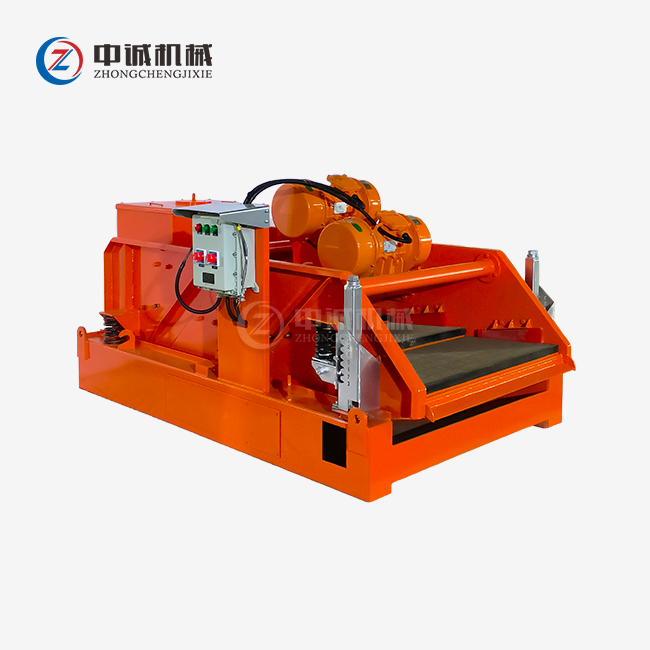
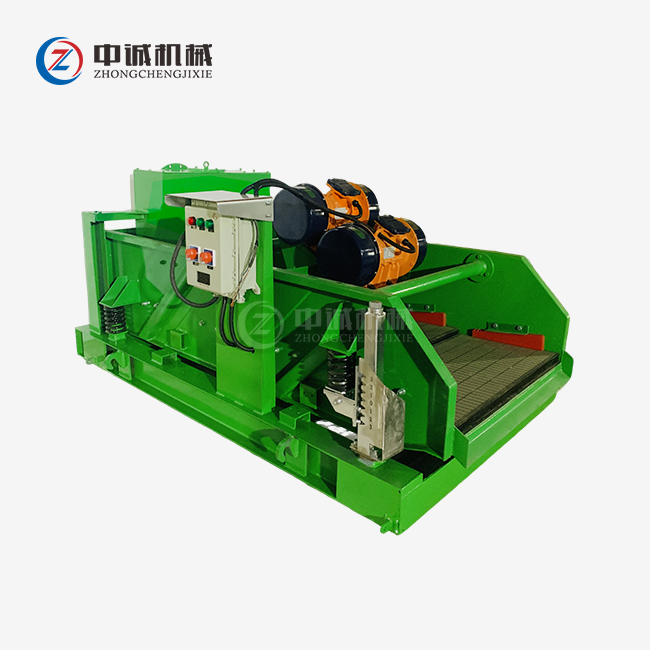
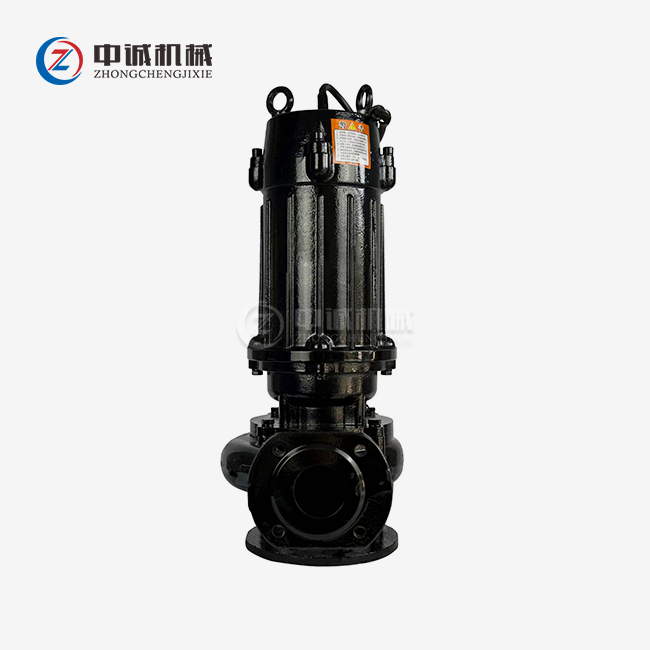
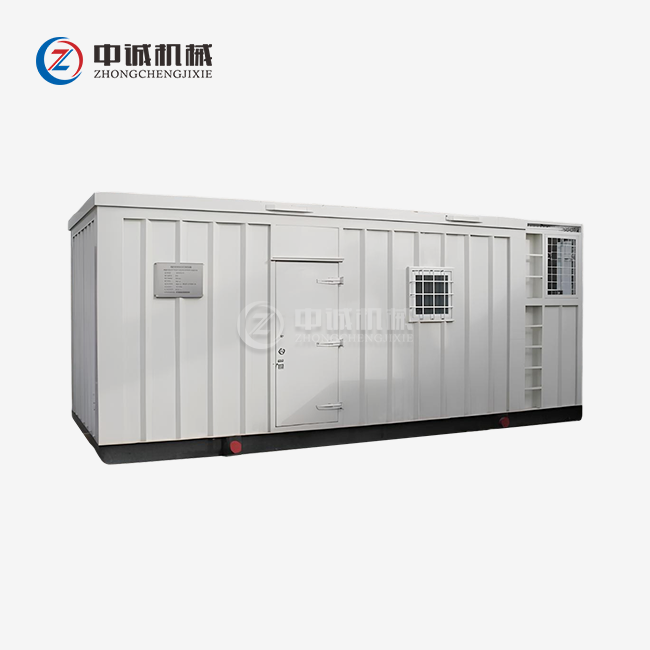
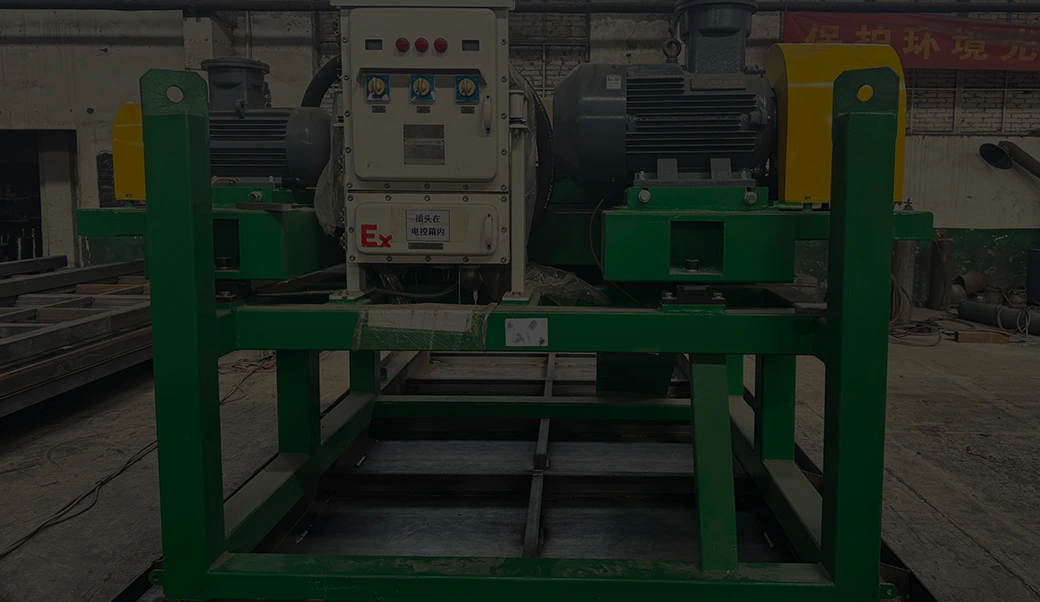
Maximizing drilling fluid quality requires more than just installing equipment—it demands strategic operational insights. Ultra-fine particle desanders excel at removing solids between 44 and 74 microns, protecting downstream equipment while maintaining mud properties. When properly configured and maintained, these hydrocyclone-based systems significantly reduce drilling fluid costs, extend pump life, and minimize non-productive time. Understanding the nuances of pressure optimization, equipment selection, preventive maintenance, installation best practices, and performance monitoring transforms a standard desander into a high-efficiency asset. These five actionable tips directly address the operational challenges faced by drilling contractors and oilfield service companies seeking reliable solids control solutions.
1. Understand the Fundamentals of Ultra-Fine Particle Desanders
The Role of Desanders in Drilling Fluid Management
Drilling operations create huge amounts of fine solids that can slow down fluid performance if they are not cleared properly. The ZC series Desander is second-stage solids control equipment. It is put in place after shale shakers to catch bits that get past the coarse screens. Centrifugal force is used by hydrocyclone technology in these units to separate solids from liquids. When the right amount of drilling fluid enters the cone at the right pressure, the heavy particles spin outward along the cone wall before ejecting through the top. Clean fluid then leaves through the vortex finder. This method keeps centrifuges and other sensitive parts further down the line from wearing out too quickly.
Distinguishing Desanders from Similar Equipment
A lot of procurement managers get Desanders and desilters mixed up, but the difference is important for system design. Desander cones are 10 to 12 inches across and are used to separate particles bigger than 44 microns. Desilters, on the other hand, use smaller 4-inch cones to separate particles smaller than 15 microns. The cut point is the particle size at which 50% of the solids are removed. It is determined by the shape of the hydrocyclone. The ZC series can handle between 60 and 240 cubic meters per hour, so it can be used with rigs ranging in size from ZJ30 to ZJ90. Knowing these technical differences helps buyers choose equipment that works well with their drilling conditions and avoids over- or under-engineering their material control systems.
Fluid Dynamics and Separation Efficiency
Keeping the flow stable inside the cone is important for separation success. If the feed pressure falls below 25 PSI, the discharge pattern changes from a spray to a rope, which means there isn't enough rotational force. On the other hand, pressures above 45 PSI speed up the wear of the polyurethane liner, which means they need to be maintained more often. Changes in temperature can also affect the viscosity of a fluid, which in turn affects how fast particles settle. When geothermal drilling, the high temperatures make the mud less thick, so the pressure has to be changed to keep the separation uniform. When operators keep an eye on these changes and make the necessary adjustments, they can get rid of more solids and make the equipment last longer.
2. Select the Right Desander Type and Design for Your Operation
Evaluating Capacity Requirements
By figuring out the needed flow, you can keep your solids control system from getting stuck. Drilling contractors should match the Desander's capacity to the pump's output, taking into account the cuttings' volume and the rate of recirculation. When drilling at 20 meters per hour in sandy formations, a ZJ70 rig produces a lot more solids than when drilling in shale, so it needs either more capacity or more than one cone configuration. The ZC series provides scalable options with different hydrocyclone configurations that let you make changes based on the depth of the well, the properties of the rock, and the properties of the drilling fluid. When you get the right size, you avoid overloading, which costs time and money, and underutilization, which loses resources.
Material Selection for Longevity
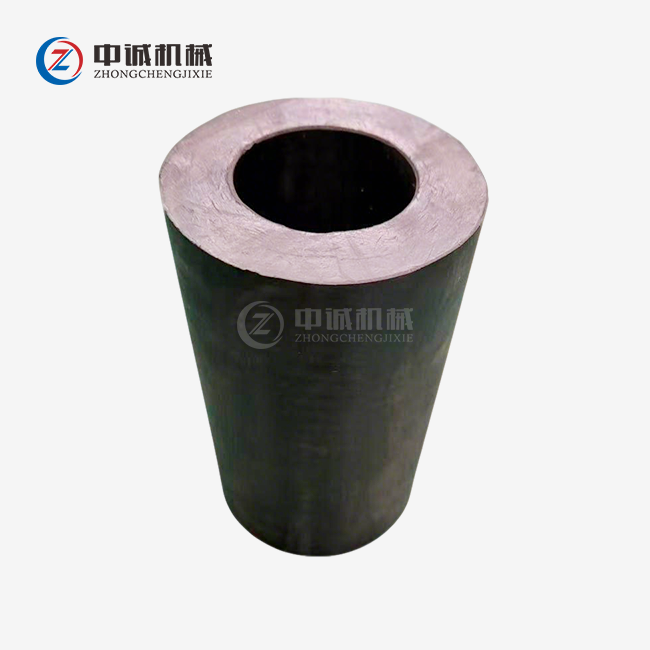
In the oilfield, harsh conditions call for strong building materials that can handle rough slurries and acidic surroundings. Highly durable polyurethane cone liners are very good at absorbing vibrations and not wearing out. They are also very good at resisting impacts. When compared to hard materials that break when heated and cooled, this choice of material lasts longer. The clamp connection design makes it easy to change the liner quickly and without special tools. This cuts down on repair downtime from hours to minutes. When a business is offshore, where every minute of non-productive time costs a lot, this ability to change quickly is especially useful. When wetted with saltwater-contaminated fluids or in high-chloride drilling settings, corrosion-resistant parts make sure that the machine works reliably.
Integration with Existing Systems
Overall system efficiency is maximized when upstream and downstream equipment work together without any problems. To keep the flow patterns steady, the Desander needs to work well with the feed pumps, manifold pipes, and underflow shakers. Inadequate manifold design leads to uneven spread across multiple cones, and connection shapes that don't match up cause turbulence that hurts the performance of separation. We give you all the technical information you need to plan the integration, such as piping layouts, flow diagrams, and dimensional drawings. The engineering teams like getting this information before the equipment arrives because it lets them plan out mounting structures and connections ahead of time. The modular design of the system allows for future growth when drilling programs get busier or when the properties of the rock change without warning.
3. Maintain Consistent Operation with Effective Desander Maintenance Practices
Recognizing Common Performance Issues
Loss of separation efficiency doesn't usually happen all of a sudden; first, subtle signs show up. When the normal spray narrows into a rope shape, operators should keep an eye out for changes in the underflow discharge patterns. This means that the apex is wearing down or there isn't enough feed pressure, which needs instant care. More vibrations mean that the bearings are wearing out or that the cone is rotating unevenly because the liners are wearing down unevenly. Keeping an eye on these warning signs lets you fix problems before they get out of hand, saving you from having to pay for expensive repairs and unplanned downtime. When managers of drilling operations use systematic observation routines instead of reactive maintenance methods, 40% fewer unexpected equipment breakdowns happen.
Implementing Preventive Maintenance Schedules
Structured inspection processes make tools last a lot longer and cost less to own overall. Visual checks every day make sure that the discharge patterns are correct and that there are no external leaks. Measurements of the cone liner should be taken at several places during weekly checks to track how the wear is progressing and plan replacements before performance declines. Once a month, teardowns allow for a thorough cleaning of the inside pathways where fine solids build up over time. The full one-year guarantee that comes with ZC series equipment covers any problems that happen during manufacturing. However, regular upkeep stops many problems that happen in the field that aren't covered by the warranty. Writing down maintenance tasks creates useful performance data that can be used to make future decisions about purchases and changes to operations.
Cleaning and Component Replacement
Cleaning methods that work get rid of deposits without hurting precision surfaces. Using compatible solvents in chemical treatments breaks down hydrocarbon residues, and flushing with low-pressure water gets rid of fines that have built up in the manifold passages. Cleaning with abrasives is not a good idea because they make polyurethane liners and machined metal surfaces wear out faster. If you keep enough spare parts on hand, you can minimize downtime when replacement parts are needed. Important parts that wear out over time are the cone liners, apex nozzles, and vortex finders. Our spare parts supply program makes sure that they are available all over the world. This is made possible by good logistics partnerships that give us quick access to Tianjin and Shanghai ports, which lets us ship parts to drilling sites all over the world.
4. Implement Strategic Installation and Operational Adjustments
Optimizing Physical Placement
Strategically placing equipment has a big effect on how well separation works and how easy it is to use. It is recommended that the Desander be raised high enough to let solids in the underflow drain naturally, while also lowering the pump head as little as possible to save energy. Putting the unit close to the shale shaker simplifies the pipes and cuts down on pressure losses, which makes the whole system work better. Enough space around the equipment makes it easier to do maintenance, especially when changing screens and removing cones. To keep structures from wearing out and to cut down on noise transfer, the design of the foundation must include vibration separation. Layouts for drilling rigs are very different, so we offer mounting options that can be changed to fit the limited space on land rigs, offshore platforms, and skid-mounted systems.
Adjusting Operational Parameters
Fine-tuning the solids content, feed pressure, and flow rate makes separation work best in a variety of drilling circumstances. For sandy formations, you need a higher flow capacity, and keeping the pressure a little higher will make sure that all the particles are separated. Clay-rich intervals make sticky solids that can blind screens more quickly, so they need to be cleaned more often. By constantly checking the input pressure, workers can find problems with the pump or the suction line before they affect the Desander's performance. Changes in temperature can make fluids less or more viscous. This is especially true in geothermal drilling, where return temperatures are higher than 150°F. Changing working settings in response to these factors shows operational Knowledge that separates skilled drilling contractors from those who have problems with their tools all the time.
Real-World Performance Optimization
Case studies from several drilling sectors show that practical changes are important. After improving the Desander pressure settings and putting in place systematic apex inspection protocols, a horizontal directional drilling contractor in Texas was able to cut the cost of drilling fluid by 30%. An offshore drilling company in the Gulf of Mexico increased the life of a cone liner from 500 to 800 hours by changing the feed pressure based on real-time vibration monitoring data. When you combine good equipment with good operational discipline, you get these measurable improvements. The ZC series Desander can be used in a wide range of onshore and offshore settings, which makes it a solid base. Skillful operation unlocks the full performance potential.
5. Utilize Data-Driven Performance Monitoring and Upgrades
Tracking Key Performance Indicators
Quantifying how well the Desander works lets you make smart decisions and keep getting better. Separation efficiency measures look at the amount of solids in the feed stream compared to the overflow stream. For units to work properly, they should be able to get rid of 85% to 90% of the target particle sizes. A drop in pressure across the hydrocyclones shows that there is flow resistance and that there could be problems with plugging. Measurement of throughput checks that capacity is being used and finds processing bottlenecks. Trends in operational efficiency over time can be seen in the amount of energy used per unit of volume processed. When drilling engineers take standard readings during commissioning, they can find early signs of performance degradation that can lead to maintenance actions before problems get worse. In more advanced operations, automated devices send data to central tracking systems, which lets people in other places watch over multiple drilling sites at the same time.
Evaluating Upgrade Opportunities
As technology changes and operations need to adapt, it may be necessary to upgrade or add to existing systems. For drilling projects that go deeper into rocks with bigger differences in pressure, better cone materials that are less likely to wear down may be helpful. To grow into areas that are good for the environment, you need closed-loop systems that can handle zero discharge. This means adding thermal desorption units or solidification equipment. When looking at changes, you should include the purchase price, the cost of installation, the extra costs of upkeep, and any efficiency gains that can be measured. Our engineering team gives in-depth technical advice that looks at current systems and suggests improvements that are in line with practical goals and budget limits.
Leveraging Manufacturer Expertise
Working with experienced equipment makers speeds up performance optimization and lowers risk. Shaanxi Xixian New Area Zhongcheng Machinery Manufacturing Co., Ltd. brings more than 30 years of experience in the field to every project, along with their own designs and a wide range of products. Our ISO 9001, 14001, and 45001 certifications show that we care about quality control, being good to the earth, and keeping workers safe. International approvals, such as TÜV and BV validation, give multinational drilling contractors who work in different regulatory areas peace of mind. In addition to selling equipment, we also offer full project solutions that include system design, installation help, support during commissioning, and training for operators to get the most out of your investment. With this all-around approach, buying tools goes from being a one-time deal to a long-term relationship that helps the business succeed.
Here are the main reasons why our Desander methods are better than others. High separation efficiency gets rid of sand particles bigger than 74 microns well, keeping the quality of the drilling fluid high to protect expensive downhole tools. Wear- and corrosion-resistant construction with anti-corrosion materials makes sure that the equipment will last in harsh oilfield conditions, which means that it won't need to be replaced as often. Low failure rates and stable operation mean that upkeep costs are kept to a minimum over the life of the equipment. It can be used in a variety of coastal and offshore drilling, geothermal research, water well development, and horizontal directional drilling projects because it works with a lot of different programs. These benefits directly address the problems that drilling companies have had with buying things: equipment that works well in harsh settings, solids control that works well, less time spent on non-productive tasks, and lowering the total cost of ownership.
Transport-safe packaging uses plastic film, rainproof tarpaulins, and secure ties to keep equipment safe while it is being shipped internationally. Optional pallets or wooden crates can be used to fit the needs of certain tools and the handling skills of the target port. In-stock units usually get sent out within three days, while customized configurations with specific motor brands, voltage needs, or changes to the size usually get sent out within fifteen days. This quick fulfillment feature helps drilling workers who are working with tight project plans or emergency replacement situations where delays cost a lot of money.
Conclusion
To get the most out of your Desander, you need to understand basic separation principles, choose the right equipment specifications, follow strict service protocols, make sure that installation and operational parameters are optimized, and use data-driven insights. The ZC series Desander is a great example of these ideas because it was designed to separate particles as small as 44 microns and as large as 240 cubic meters per hour. The high-wear-resistant polyurethane construction and tool-free clamp connections make maintenance easier and extend the life of the product. When drilling contractors use these five tips for efficiency, the quality of the fluid they use improves, their equipment lasts longer, and their operational costs go down. Continuous monitoring of performance along with expert help from the maker guarantees long-term worth throughout the lifecycle of the equipment.
FAQ
What feed pressure delivers optimal desander performance?
Hydrocyclones will form vortices correctly if the feed pressure stays between 30 and 40 PSI. When the pressure is too low, below 25 PSI, it causes rope discharge patterns that show partial separation. When the pressure is too high, above 45 PSI, it speeds up the wear on the polyurethane cushion. Continuously checking the pressure and adjusting the output of the centrifugal pump improves the efficiency of particle removal and increases the life of the parts.
How do I determine when hydrocyclone cones require replacement?
Critical wear signs can be seen by looking at the cone. The pattern of discharge changes from spray to rope; signal apex enlargement beyond what was expected. If you look inside the cone and see that the groove depth is more than 2 millimeters, you need to replace it. High levels of solids in the overflow fluid show that the system is losing performance and that old parts need to be fixed right away to keep the system working well.
Can desanders remove clay particles and colloidal solids?
Desanders are good at going after bits bigger than 44 microns, so they can't be used to get rid of clay. Colloidal clays smaller than 10 microns need to be treated with chemicals or separated by centrifugation. For silts that are 15 to 44 microns, you need desilter equipment with 4-inch cones that are smaller. Knowing these limits keeps you from setting false performance goals and makes sure that the right equipment is used for the specific problems that drilling fluid presents.
What distinguishes polyurethane from ceramic cone materials?
Polyurethane is very cheap and good at resisting impacts, so it can be used for normal drilling tasks. Ceramic materials are better at resisting wear and tear in high-temperature settings or when working with very acidic fluids, like in sour gas pumping. The choice of material should depend on the conditions of the drilling. Polyurethane is good for most oilfield uses, while ceramic is better for extreme environments.
Partner with a Trusted Desander Manufacturer for Superior Solids Control
The ZC series Desander systems made by Shaanxi Xixian New Area Zhongcheng Machinery Manufacturing Co., Ltd. are ready to help you with your drilling projects. These systems are reliable and work well. Our thirty-year history in the industry and our modern manufacturing skills allow us to make equipment that works well in harsh oilfield conditions. Full customization services allow for different rig setups, motor types, and capacity needs. Our ISO-certified quality management makes sure that the quality of our products always stands out. In addition to selling you equipment, we also offer full professional support, which includes engineering plans, installation advice, help with commissioning, and training for operators to get the most out of your investment. Email our team at oliver@zcgukong.com to talk about your solids control problems and find custom solutions that will lower your drilling costs and make your operations run more smoothly. You can look at all of our products and get full technical specs by going to zcsolidscontrol.com.
References
1. Anderson, T.R. (2021). Advanced Solid Control Systems in Oil and Gas Drilling Operations. Petroleum Engineering Press.
2. Chen, W. & Martinez, J. (2020). Hydrocyclone Performance Optimization in Drilling Fluid Management. Journal of Petroleum Technology, 72(8), 45-59.
3. International Association of Drilling Contractors. (2022). Best Practices for Drilling Fluid Solids Control Equipment Maintenance. IADC Technical Publication Series.
4. Kumar, S. (2019). Centrifugal Separation Technology: Theory and Industrial Applications. Academic Engineering Publishers.
5. Petersen, L.K. & Zhao, H. (2023). Cost-Benefit Analysis of Preventive Maintenance in Oilfield Solids Control Systems. SPE Drilling & Completion, 38(1), 112-127.
6. Williams, R.D. (2020). Drilling Fluid Engineering: Principles and Field Applications. Gulf Professional Publishing.